
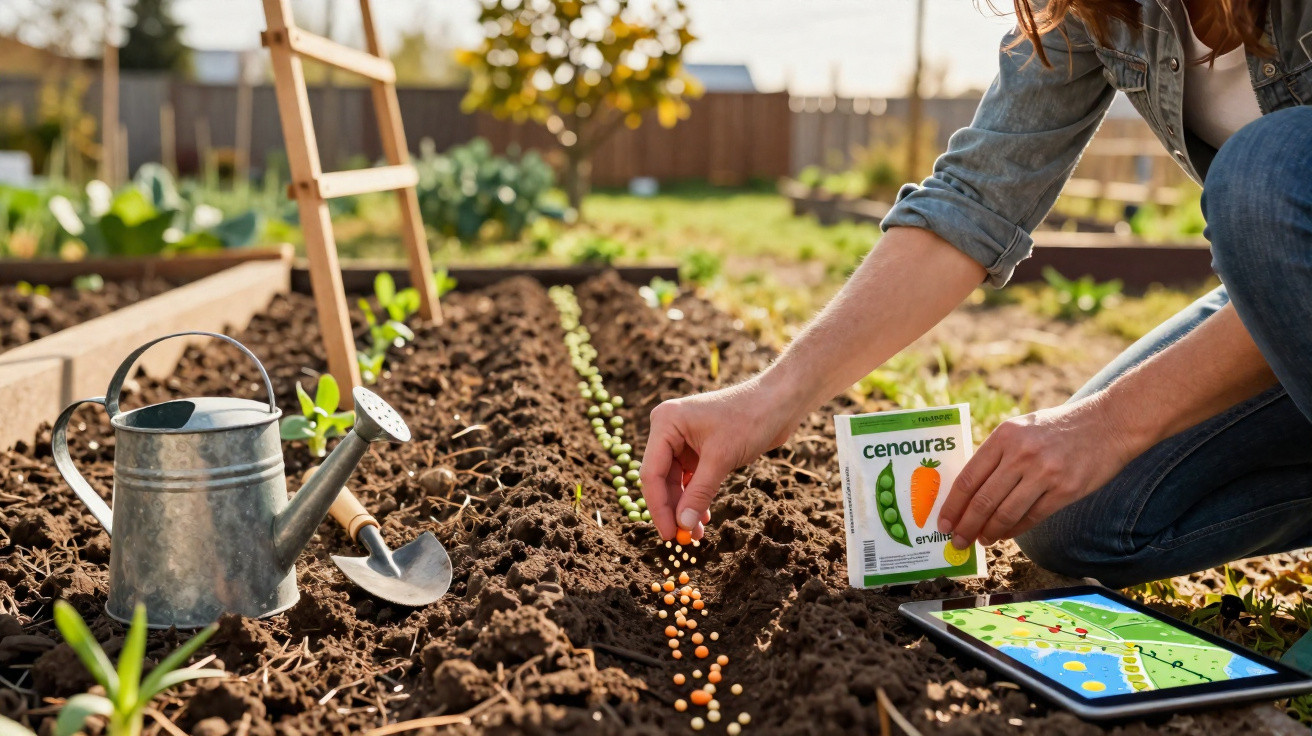
If you want a crisp summer harvest, now is not the time to hang about - the sowing window for two much-loved vegetables is about to close.
In a veg patch, time doesn’t run by the calendar - it runs by soil and weather. While plenty of home growers are still waiting for “proper settled sunshine”, the countdown is already on for two favourites. Leave sowing until after April and you can end up with patchy rows, stunted plants and a harvest that frustrates more than it delights.
Two classics, but only a short window
The pair in question are a dream team for spring cooking: peas and carrots. Both are among the earliest crops you can put into the ground - and both are quick to sulk if they go in too late.
“Peas and carrots love cool, slightly moist soils - which makes April the key time for sowing.”
In spring the soil is still cool, it holds moisture well and it’s usually easy to work. That’s exactly when these two crops germinate most evenly. Young roots can tap into plenty of water without sitting in soggy ground, and seedlings don’t have to fight their way through a hard, dried-out surface crust.
As soon as May arrives with stronger sun and drying winds, the balance shifts. Above ground the weather may look more inviting, but below the surface the starting conditions quickly get worse.
Why April is the ideal month
April brings together several advantages for sowing:
- The soil is cool, but no longer freezing.
- Moisture stays in the ground longer, and the surface dries out less quickly.
- Soil structure is more workable and crumbly than in a wet late winter.
- Temperature swings put less strain on young plants.
If you wait until spring has “properly” begun, there’s often a price to pay. Light, sandy soils in particular can dry out very fast in May. A thin crust forms quickly, which can hold back delicate seedlings. On top of that, suddenly warm days can make the soil surface feel almost like a baking tray.
Yes - you can sow peas and carrots in May, but the risk rises: germination becomes uneven, gaps in the row become more common and plants move into stress earlier. The result is usually a noticeably weaker harvest.
What can happen if you sow too late
Fine seed, big risk with carrots
Carrot seed is tiny and light. It sits only just below the surface and depends heavily on consistently moist, fine soil. If the top layer dries out too quickly, this is what often happens:
- The seeds swell and start to germinate - then dry out again.
- The young root stalls just beneath the surface.
- Seedlings never reach the light and die off.
At first glance, the bed simply looks “empty”. In reality, dried-out miniature plants are sitting under the surface, having never had a chance. Late sowing can lead to exactly these total failures.
Heat quickly knocks peas back
Peas are often described as hardy, but they do have limits. If their early growth happens in excessive warmth, you’ll usually see the impact:
- Plants stay shorter and are weaker overall.
- Flowering is sparse, and pod set drops.
- Stress increases disease issues and pest pressure.
With later sowings, summer heat also tends to hit just as plants are coming into flower. Hot spells at that stage can quickly cause misshapen pods - or no pods at all. Regular watering helps, but it won’t fix everything by then.
“If you sow peas and carrots in May, you don’t just waste seed - you usually lose time, patience and yield as well.”
Step by step: getting carrots off to a good spring start
Carrots can be demanding, but they repay the effort with a generous crop. With carrots, good soil preparation is a major part of success.
Prepare the soil
Carrots need loose, deep soil with no stones or hard lumps. Only then can long, straight roots form properly.
- Clear the area thoroughly of weeds, roots and stones.
- Loosen the ground with a fork or spade, but don’t pulverise it.
- Break down large clods until you have a fine, crumbly structure.
Fresh, heavily manured soil doesn’t suit carrots - it often produces forked, “deformed” roots. A better option is well-rotted compost that was worked in a few months earlier.
Set up the sowing line properly
A shallow drill is enough for sowing:
- Make a groove about 2 centimetres deep.
- Scatter the seeds very thinly - they readily clump together.
- Cover with fine soil and gently firm down.
- Water carefully using a rose so the seed isn’t washed away.
If sowing thinly is tricky, mix the seed with a little fine sand. That spreads it more evenly and reduces how much thinning you’ll need later.
Sowing peas: how to get them growing strongly
Peas are a touch less fussy than carrots, but they still have their own preferences. A lightly shaded spot with humus-rich soil works particularly well.
The right sowing trench
For peas, the drill can be deeper:
- Make a groove about 5 centimetres deep.
- Place seeds roughly 5 centimetres apart.
- Leave about 40 to 50 centimetres between rows.
- Cover with loose soil and water in gently.
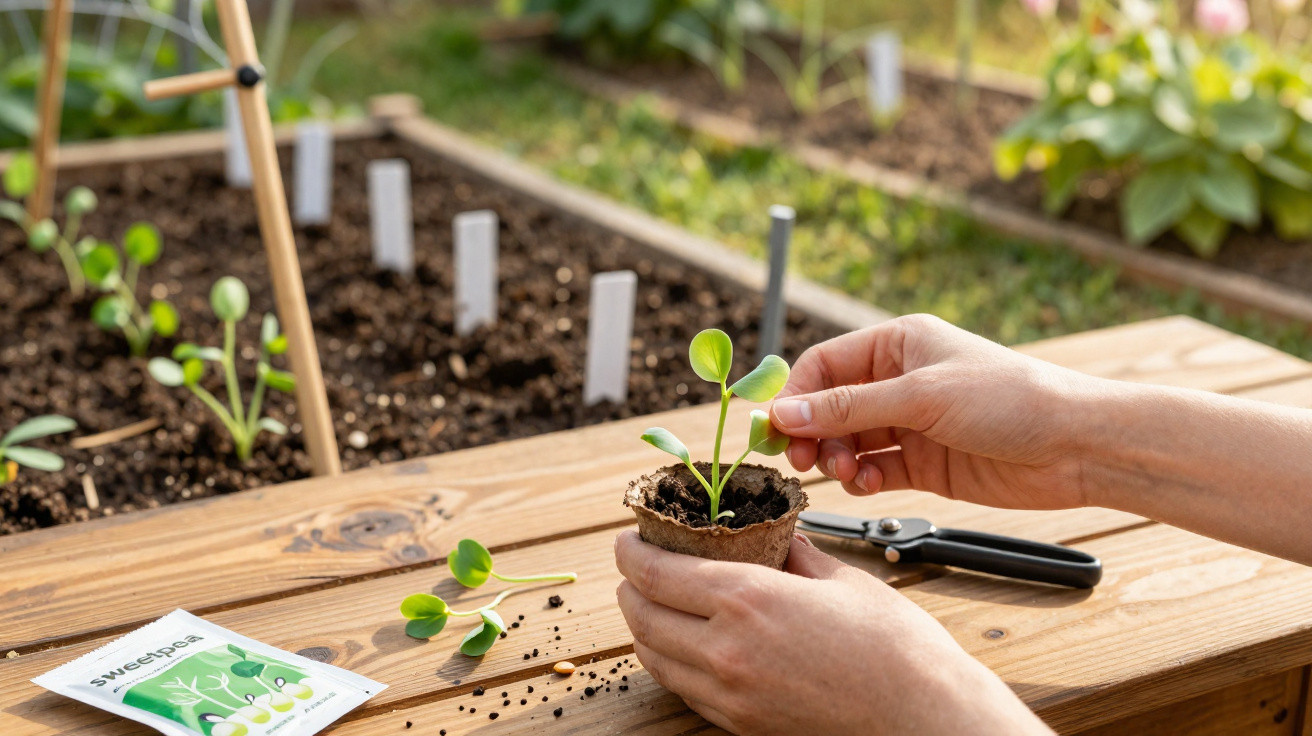
Most varieties benefit from support. Two simple wooden canes plus a net or string are enough to stop plants collapsing.
Water yes, waterlogging no
Peas like cool, moist soil, but they react badly to waterlogged conditions. The goal is steady, even moisture:
- Water in well after sowing so the soil settles around the seed.
- Keep an eye on the surface over the first few days.
- In dry spells, water less often but more thoroughly.
“Too much water on cool spring nights encourages fungal diseases - it’s better to water precisely than to keep ‘topping up’.”
Small tweaks that noticeably lift the harvest
Beyond choosing the right moment, a few simple habits can make harvests far more reliable.
Hold on to moisture with a light mulch
A thin protective layer is especially helpful in exposed, windy plots:
- Spread a fine layer of grass clippings (slightly dried) between the rows.
- Alternatively, use chopped straw or leaves.
- Make sure seedlings aren’t “buried” under the mulch.
This light cover keeps the surface damp for longer, slows weeds and protects young plants from extreme temperature swings.
Use the weather forecast, not the calendar
If you sow purely by the date, you can miss the best opening. It’s often smarter to plan around the forecast:
- Choose a spell where several mild days are expected.
- Use an incoming rain front as free irrigation.
- Don’t sow immediately before a heatwave - aim a few days either side instead.
That way, the seed goes into germination with enough moisture and without a sudden heat shock.
Timing beats fertiliser: why the moment matters more than the product
Many home gardeners put their faith in fertilisers, special feeds and “turbo” tricks. With peas and carrots, something else matters much more: timing. Both crops come from regions where they grow through a cooler spring. Force them into early warmth and they slip into stress quickly.
Sowing in April works with the plants’ natural rhythm. Germination is calmer, root systems build more strongly, and plants stay tougher once the first pressures of summer arrive. The payoff is more often full pods and straight, crisp roots - rather than thin rows and disappointment in the bed.
If you’ve never tried spring sowing, you can even split a bed: sow one half now and deliberately do the other later. The contrast is often so obvious that next year you reach for the seed packet earlier without even thinking about it. April stops being the month of “there’s still time” and becomes the real starting gun for a rewarding vegetable summer.
Comments
No comments yet. Be the first to comment!
Leave a Comment