
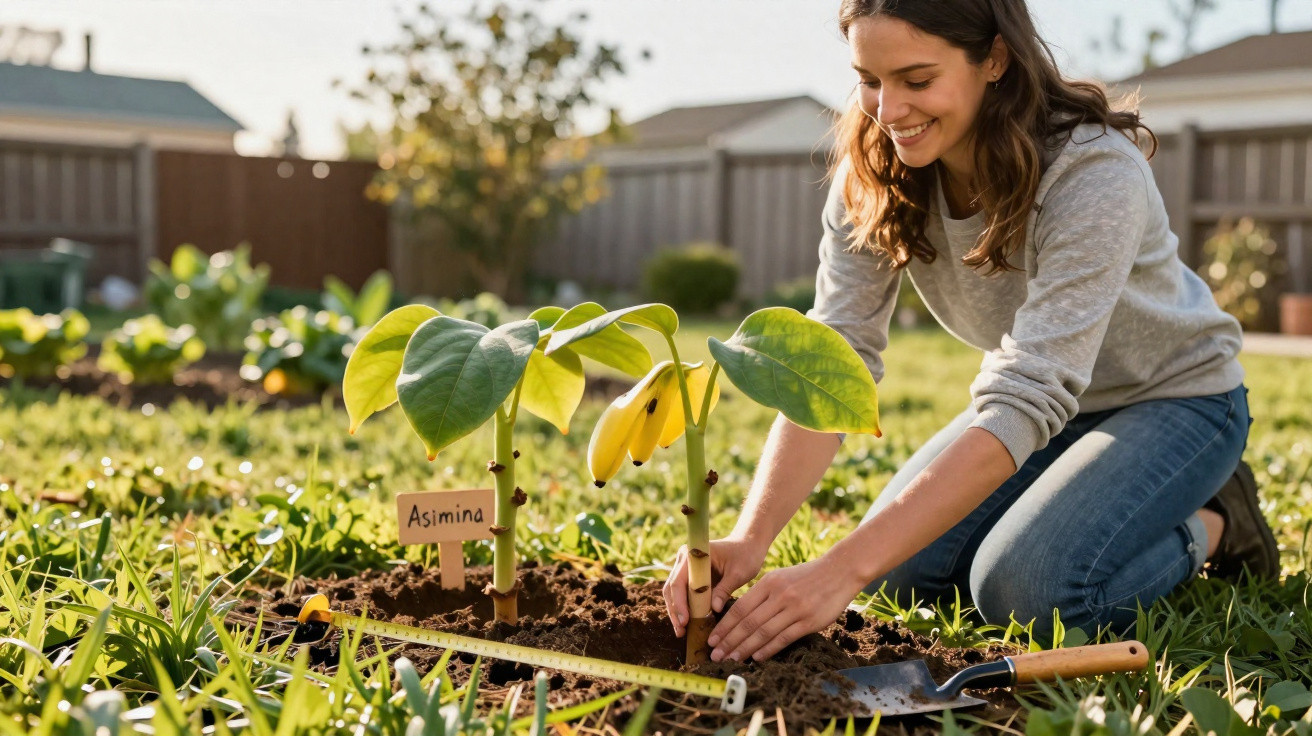
A modest young tree, an exotic flavour, icy winters - and one small oversight that decides between a heavy crop and a complete washout.
Anyone imagining a tropical-looking fruit tree often comes unstuck not because of the weather, but because of a simple, crucial planting instinct. There is a tree whose flavour sits somewhere between mango and banana, and it can cope surprisingly well with British-style winters - but only if you make the right choice at the point of purchase.
A “tropical” fruit tree that tolerates down to –25 °C
The Asimina tree (Asimina triloba), commonly referred to as asimina or pawpaw, can look oddly out of place in a Northern European garden. Its large, soft leaves evoke a rainforest more than a back garden where snow can arrive in January.
That contrast is exactly why it’s so interesting: this species is considered highly frost-hardy and will withstand temperatures down to around –25 °C. Many gardeners are surprised that a tree with such an exotic look usually manages without elaborate spraying. Problems with disease and pests are typically limited, and chemical treatments are generally unnecessary.
A tree with tropical flair that shrugs off harsher winters than some apple trees: the asimina opens up new possibilities for fruit lovers in cooler climates.
The most common mistake: planting a single tree
This is where the annual garden-centre disappointment begins. A single, attractive young tree goes into the trolley, is planted at home - and then produces little to no fruit for years.
The reason is straightforward: most asimina trees are self-sterile. Their flowers cannot be fertilised by their own pollen. If you plant only one tree, you may enjoy the blossom in spring, but by late summer you usually harvest - nothing. At best, you might see a few isolated fruits, often misshapen, clinging to a branch.
The fix sounds almost too simple, yet it’s missed again and again: buying “an asimina” is not enough.
No compatible partner, no harvest: if you plant just one asimina tree, in many cases you’re growing a leafy decoy for years.
The key buying instinct: always take two
The most important decision happens in the garden centre, not once you’re standing by the planting hole: you need at least two trees, and they should be different cultivars. That is the only reliable route to cross-pollination.
Ideally, pick two grafted plants with clearly labelled cultivar names. That greatly improves the odds that the trees will pollinate one another successfully and develop stable, evenly formed fruit.
- Never buy just one plant - plan for at least two.
- If possible, choose different cultivars.
- Look for grafted young trees rather than seedlings.
Pollination at close range: how near the trees should be
To get pollen moving properly, spacing matters too. Don’t place the two trees at opposite ends of the garden. A practical rule of thumb is no more than about 5 metres between the trunks.
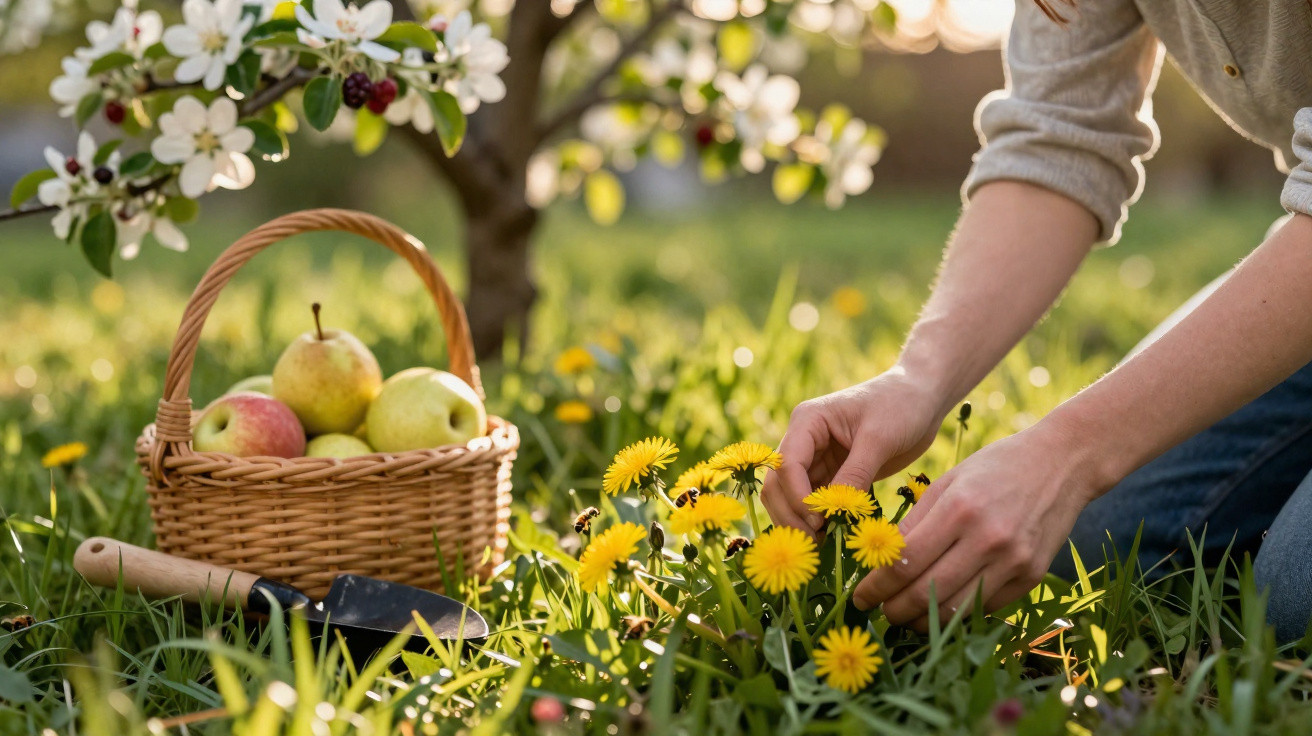
The flowers open in spring. They tend to be darker in colour and have an unusual, slightly astringent scent that attracts particular insects. If you want to be extra sure, you can give nature a helping hand with a simple technique: use a small paintbrush to transfer pollen from flower to flower and boost the crop.
Planting instructions: how to give the trees the right start
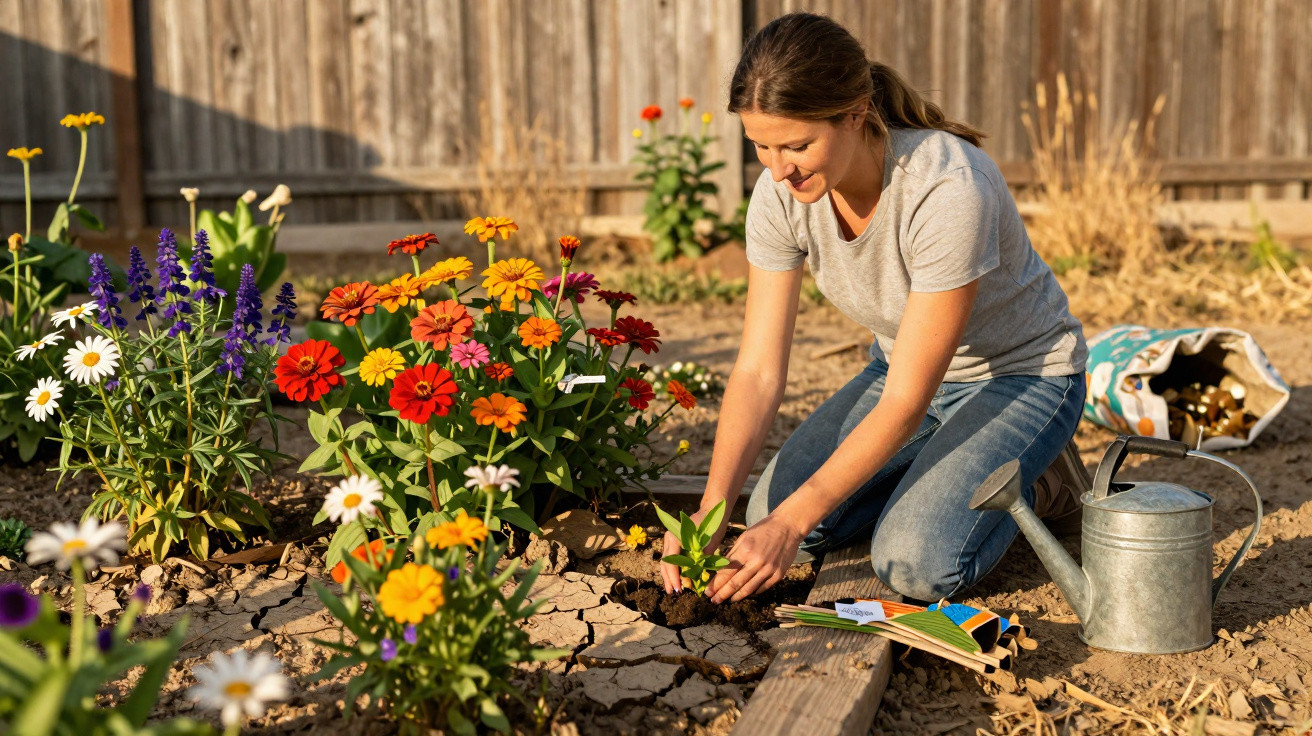
Putting in a little extra effort at planting time is usually repaid later in both vigour and yield. The soil should be loose, rich in humus, and consistently fresh - meaning neither bone-dry nor waterlogged.
Step by step to successful planting
- Choose grafted plants: they typically fruit much earlier than home-grown seedlings.
- Dig the planting hole: roughly 50 cm wide and 50 cm deep; make it larger if the soil is heavy.
- Work in compost: mix 5–10 litres of mature compost with the excavated soil rather than tipping compost in neat.
- Position the tree: keep the graft union just above soil level; do not bury it.
- Firm the soil gently: remove air pockets without compacting the root zone.
- Stake and tie in: secure with a loose, flexible tie to a sturdy support stake.
- Mulch: apply an 8–10 cm layer of leaves, straw, or woodchip around the trunk.
If you think generously when planting - a big hole, plenty of humus, a thick mulch - you create the foundation for strong roots and steady yields.
The first two years: let it grow without stress
The early years largely determine how well the trees will crop later on. Asimina doesn’t enjoy extremes: neither parched soil nor soggy ground. A consistently slightly moist soil is best, particularly during warm periods.
As a guide, allow 10 to 20 litres of water per watering, depending on the weather and the plant’s size. With a thick mulch layer, less moisture evaporates and the soil stays looser for longer.
Wind is another factor many people underestimate. In summer, the large leaves can act like sails. A strong gust can bend or snap young stems. A sheltered position - for example near a hedge or wall - combined with a well-placed support stake greatly reduces the risk.
Patience required: from the first flush of blossom to the harvest
Even with correct planting and two compatible trees, there is still one essential ingredient: time. Asimina is not a fruit tree that becomes laden after only a couple of seasons. A typical wait is around four to six years before the first meaningful harvest.
The fruits themselves - often called pawpaw - go through a clear shift in colour and texture. They start off green and firm, then turn more yellowish and yield to gentle pressure. At that stage they give off a sweet fragrance with tropical notes.
They do not store for long. If you can’t eat everything straight away with a spoon, it’s best to scoop out the creamy pulp, remove the seeds, and freeze it. That way, you can still use the flavour in winter in desserts, ice cream, or smoothies.
What the “mango-banana” tree really delivers in flavour
Descriptions can sound almost too perfect: banana, mango, vanilla - all from one fruit grown at home. In reality, the exact aromatics vary a little by cultivar and ripeness, but the overall character remains unmistakably exotic, soft, and creamy.
| Feature | Asimina (pawpaw) |
|---|---|
| Flavour | A blend of banana, mango, vanilla |
| Texture | Creamy, almost like pudding |
| Uses | Eat with a spoon, ice cream, desserts, smoothies |
| Ripening period | Late summer to early autumn |
Typical stumbling blocks - and how to avoid them
To stop the dream of exotic fruit in your own garden from falling apart, it helps to be clear about the most common misunderstandings:
- Too much sun straight after planting: young plants can be sensitive to intense midday sun. Starting in light shade, or providing temporary shading, helps them settle.
- Heavy waterlogging: asimina does not like wet feet. In dips or very compacted soils, add a drainage layer or plant on a slightly raised mound.
- Impatience at harvest time: fruit picked too early never reaches its best flavour. The gentle “give” when pressed and the scent are the most reliable signs of ripeness.
Who the asimina is particularly worthwhile for
This tree is especially appealing for gardeners who already grow classic fruits such as apple and cherry and want to add something unusual without building a greenhouse. In cooler areas where peaches and apricots regularly succumb to frost, asimina can be a robust alternative.
If you have children at home, it also comes with a genuine “wow” factor: a tree that produces tropical-tasting fruit in autumn quickly becomes a talking point at the garden table. At the same time, the care requirements stay reasonable - provided the site, the two-tree planting, and early watering are handled properly.
If you internalise that one instinct - never plant only one, always plant at least two different asimina trees - you can look forward, a few years later, to a fruit tree that appears suited to a different climate yet bears in your own garden without any exotic winter protection.

Comments
No comments yet. Be the first to comment!
Leave a Comment