
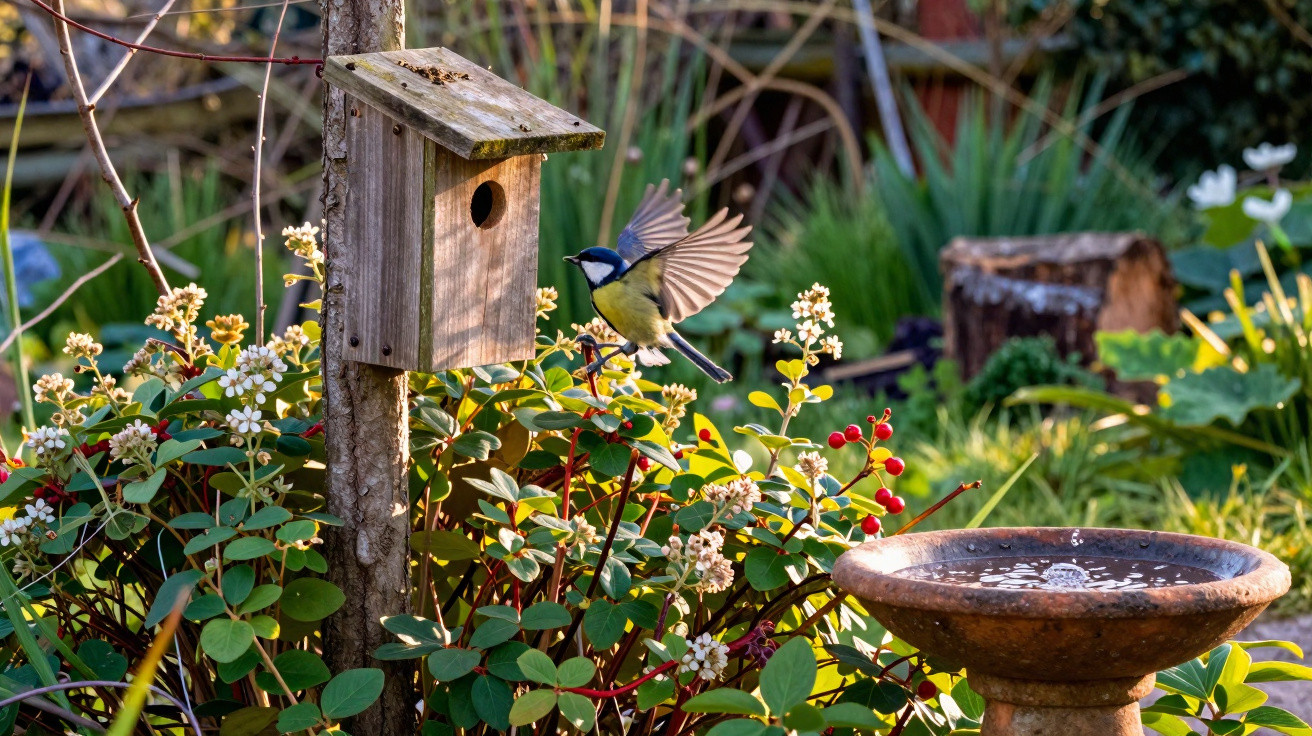
When you sit in the garden in spring and listen to the birdsong, one thing quickly becomes obvious: small songbirds are busily searching for suitable places to nest and enough food to raise their young. Tits, in particular, are among the most frequent visitors to our neighbourhoods. With a few targeted changes, garden owners can shape their outdoor space so the birds feel safe - and keep coming back.
Why tits choose our gardens in the first place
Tits adapt well, but they are not undemanding. They rely on three essentials: shelter, nesting opportunities and plenty of food. In many overly tidy gardens - close-cropped lawns, gravel, and just a handful of shrubs - they simply can’t find enough of any of these.
"A garden only becomes interesting for tits when it feels like a small, living mini woodland - not a spotless green space lifted from a catalogue."
Bird conservation specialists stress that attracting tits is less about ornaments and more about structure. A single attractive nest box is rarely enough. What really matters is the combination of dense planting, natural hiding places and a rich insect population.
The nest box: useful, but often overrated
In spring, many hobby gardeners impulsively pick up new nest boxes from a DIY shop. The intention is sound, but the outcome often disappoints: empty boxes are common. That’s rarely the birds’ fault - almost always it comes down to the wider conditions in the garden.
What a tit nest box should look like
- Correct entrance hole size: for blue tits around 26–28 mm, for great tits around 32 mm.
- Sturdy materials: untreated wood; avoid thin plywood boxes or plastic models.
- Sheltered from weather: don’t face the entrance hole west; east or south-east is better.
- Height and placement: roughly 2–3 m high, out of reach of cats, and not in full, baking sun.
If you follow these points, you greatly improve the chances that tits will use the box. Even so, the surroundings matter more than the box itself.
"A perfect nest box in a bare garden often stays empty. A mediocre box in a lively, dense garden, by contrast, is surprisingly often occupied."
Natural nooks instead of sterile perfection
Conservationists advise against sealing every crack and crevice around the house and garden. Many species - including great tits and blue tits - make use of cavities in brickwork, beneath roof tiles, or in older trees as nesting sites.
The structures tits love
- Mature trees with knotholes or old woodpecker cavities
- Cracks and gaps in walls, sheds or outbuildings
- Log piles where insects can settle
- Unmanicured corners with twigs and leaf litter
If renovation work blocks off every potential nesting space, people often drive away their feathered neighbours without meaning to. It’s usually better to deliberately retain some features and supplement them with additional boxes.
Planting: without insects, there’s no tit family
In spring and summer, tits mainly eat insects and their larvae. During this period, adult birds are almost constantly on the move collecting food for their chicks. A garden made up of decorative gravel, a thuja hedge and ornamental shrubs may look neat, but it provides very little to eat.
"Where insects are buzzing, tits won’t be far away - they follow the food."
Plants that work particularly well
Experts recommend native species because local insects - and the birds that depend on them - are adapted to these plants. Typical examples include:
- Hedging shrubs: hornbeam, hawthorn, blackthorn, privet
- Flowering shrubs: cornelian cherry, dog rose, elder
- Perennials and wildflowers: oxeye daisies, viper’s bugloss, knapweeds
- Climbers: ivy, Virginia creeper (untreated)
These choices draw in insects and later in the year provide seeds or berries. Highly bred, double-flowered ornamentals can add colour, but they often offer birds little value because they produce neither pollen nor fertile seed.
Garden density: the wilder it is, the safer it feels
One crucial point many people underestimate is how dense the planting is. Tits don’t like long, exposed flights over open ground. Instead, they use hedges, shrubs and trees as a network of safer stepping stones.
"A dense garden feels to tits like a protected street system - from branch to branch, from shrub to shrub."
What a tit-friendly garden layout looks like
- Upper layer: individual trees, such as fruit trees or native deciduous trees.
- Middle layer: taller shrubs and hedges with staggered flowering times.
- Lower layer: perennials, wildflowers and ground cover rather than bare soil.
Mixed native hedges are especially valuable. They offer shelter and food, and they help keep threats like cats or birds of prey at least slightly more at bay.
Water, berries, shelter: small extras with a big impact
Alongside insects and nesting spots, water plays a quiet but important part in a garden. A shallow stone with a small channel, a low dish or a mini-pond gives tits somewhere to drink and bathe.
| Element | Benefit for tits |
|---|---|
| Bird bath | Drinking and feather care, especially on warm days |
| Berry shrubs | Energy source in late summer and autumn |
| Dense leafy shrubs/trees | Protection from rain, wind and predators |
Important: clean water points regularly so germs don’t spread. The dish should be shallow enough that birds cannot drown.
What tits really dislike in a garden
Certain habits make gardens far less appealing to tits - often without the owner noticing. These include:
- Large-scale use of insecticides and weedkillers
- Robot mowers running constantly across wide areas
- Fully sealed surfaces and gravel gardens
- Heavy hedge cutting right in the middle of the breeding season
If you avoid chemicals and don’t immediately remove every “messy” corner, you create space for insects - and therefore for tits. Even a small part of the garden left intentionally wilder can make a noticeable difference.
Feeding in spring: help or disruption?
Many people wonder whether they should keep feeding in spring. In a wildlife-friendly garden, tits usually find enough naturally. However, during cold snaps or in very stripped-back areas, modest supplementary feeding can support them.
Suitable options include high-quality sunflower hearts, chopped nuts and specific fat balls for tits that come without plastic netting. Place feeders near shrubs so the birds have cover, but not so close that cats can launch a surprise attack.
Practical tips for a quick start
If you want to make your garden more attractive to tits this spring, you can begin with a few simple steps:
- Put up one or two suitable nest boxes in a quiet spot
- Stop “tidying” at least one corner of the garden
- Plant one or two native shrubs, ideally ones that flower and later carry berries
- Add a shallow water source and keep it clean
- Skip chemical sprays and tackle problems mechanically or by hand
Many of these measures cost very little, yet they noticeably change what the garden offers - not only for tits, but also for other birds, insects and small wildlife.
Why a tit-friendly garden benefits everyone
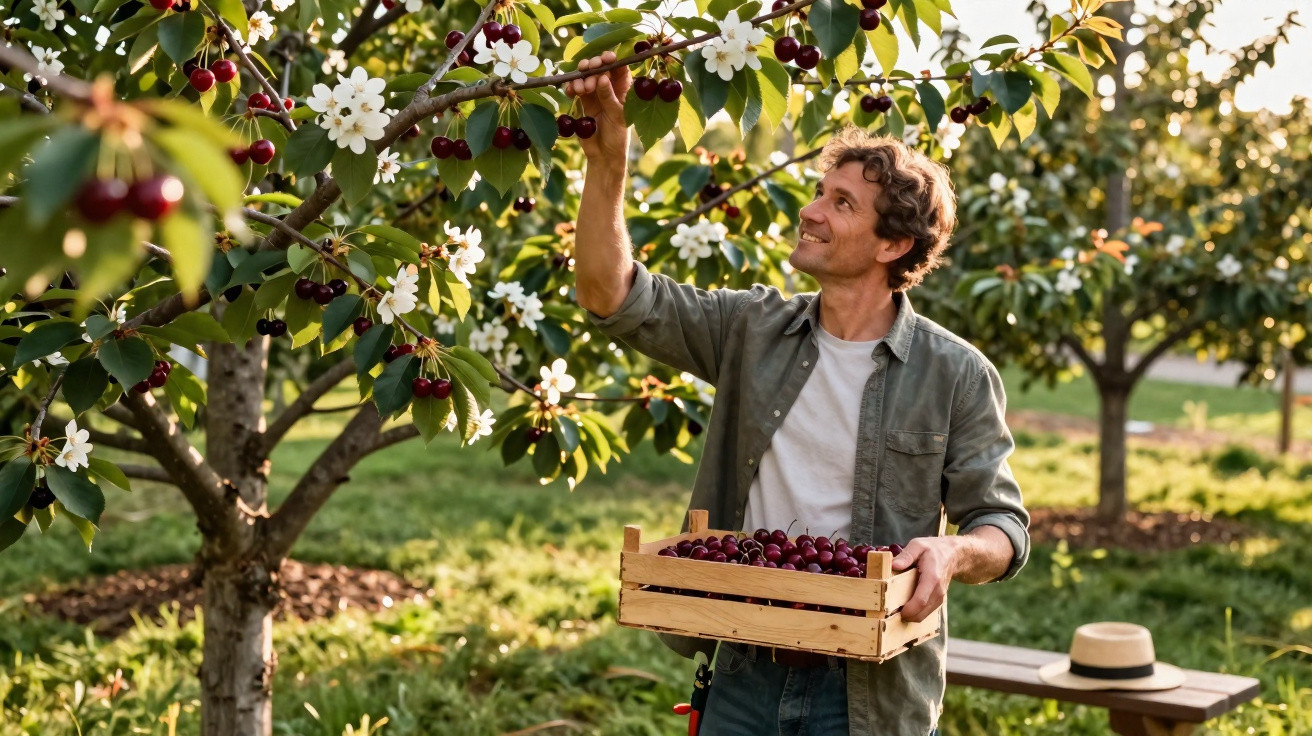
A garden that draws in tits brings clear advantages. The birds eat caterpillars and other pest insects, helping nature keep the balance in check. If you have fruit trees, you’ll soon notice leaves tend to stay healthier when lots of tits are foraging.
At the same time, it improves quality of life for people: more birdsong, more movement outside, and a stronger sense of the seasons. Children pick up which species live nearby, and older people in particular often enjoy the closeness to wildlife.
If you want to go a step further, contact local nature conservation groups. They often provide lists of recommended plants, nest box building plans and guidance on legal rules around hedge cutting and nesting sites. In this way, an ordinary garden can gradually become a small protected habitat - with tit song as a daily thank-you.

Comments
No comments yet. Be the first to comment!
Leave a Comment