
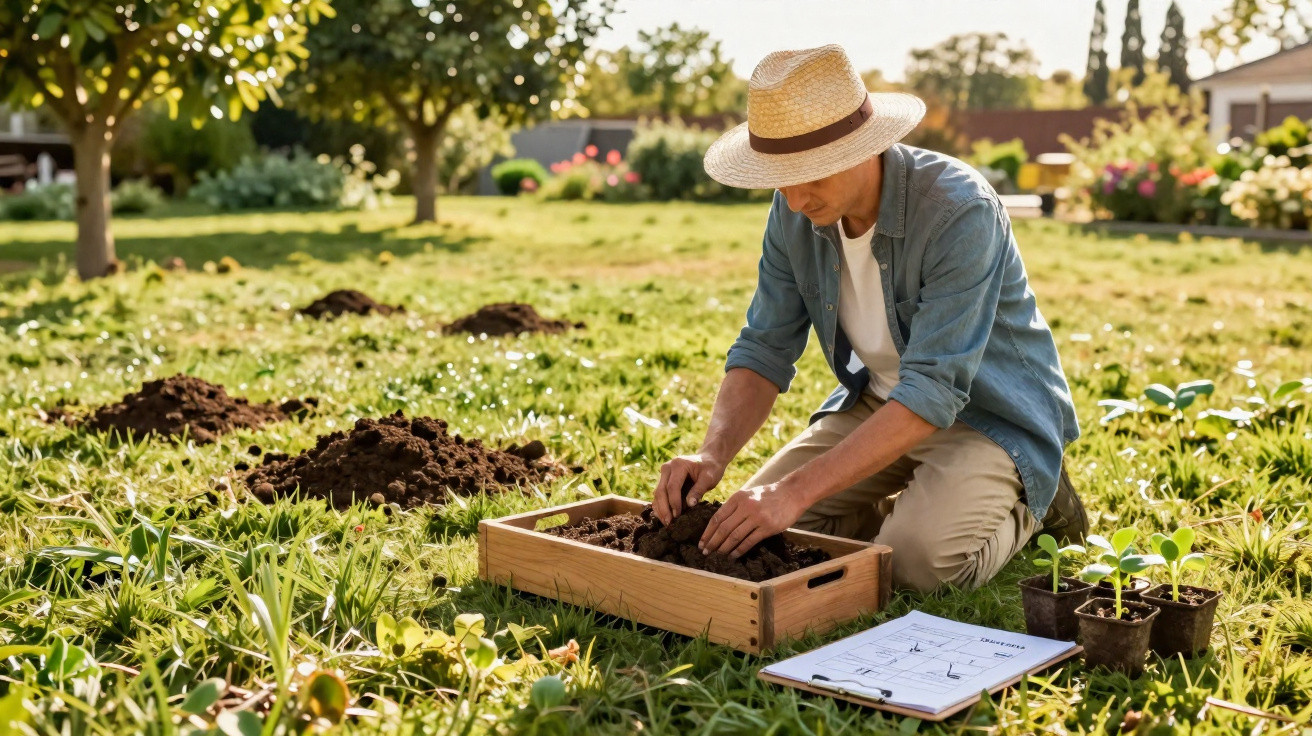
When you look out of the window in the morning and, instead of a dense green carpet, you see little mounds of soil, irritation is the usual reaction. Spades, traps, poison - anything can feel justified if it gets rid of the black diggers. Yet that instinct is often the real mistake: driving away every last mole takes away a soil ally that quietly and consistently supports healthy roots.
Why moles get on our nerves so much
Moles create their main tunnels around 15 to 30 centimetres beneath the surface. As they dig, they repeatedly push soil upwards - producing the familiar molehills that make a lawn look like a crumpled blanket.
From above, the area can suddenly seem neglected, even run-down. Walking becomes uneven, children are more likely to trip, and a robot mower can get stuck. In the vegetable patch there are extra worries: young plants can topple if tunnels run directly under the roots, and beds can feel unstable because of the hollow spaces beneath.
From an aesthetic point of view, the annoyance is understandable. Most gardeners only notice the “lunar landscape” on the surface - not what is happening below. And it is underground that the mole delivers benefits you would otherwise need machines, fertiliser, or expensive soil improvers to achieve.
What moles really do beneath your lawn
The European mole (Talpa europaea) is built for life underground. Its body is cylindrical, its eyes are tiny, and its front paws are adapted into powerful digging spades. Over the course of a year, those “spades” shift huge amounts of soil.
Its tunnel network functions like a fine system of pipes within the ground:
- Improved aeration: The tunnels carry air into deeper layers, giving roots more oxygen.
- Better drainage: Rainwater can soak away more easily, reducing waterlogging.
- Loosening heavy soils: On clay or loamy ground in particular, the tunnels break up compacted zones.
- Natural soil mixing: Fine soil is moved upwards while coarser particles fall down - a constant mini-scale turning of the ground.
A common misconception is that moles eat roots or vegetables. They are not herbivores; they are tiny predators. Their diet mainly includes:
- Earthworms
- Grubs (chafer larvae) and other beetle larvae
- Caterpillars and other soil insects
- Occasionally slugs
One mole can consume roughly its own body weight in small animals each day. That helps to cut back larval populations that nibble at roots or undermine beds. At the same time, their droppings return to the soil - a mild natural fertiliser, delivered right where plants can use it.
“Anyone who fights every mole relentlessly weakens, in the long run, exactly what they want to protect: the resilience of lawns and beds.”
The big mistake: trying to wipe moles out completely
Out of frustration, some garden owners resort to drastic measures. Forums still circulate “tips” such as poison bait, pouring petrol into tunnels, feeding exhaust fumes into runs, or even using small explosive charges. Those approaches belong in the past - for several reasons.
Why radical methods harm your garden
- Poison remains in the ground: Chemicals can kill soil organisms, disrupt the ecological balance, and eventually seep into groundwater.
- Health risk: Children, pets, or wildlife may come into contact with anything that has been put out.
- Fewer beneficial effects: When moles are removed, pests such as grubs and larvae often increase again.
- No lasting result: Once one animal is gone, another mole frequently moves into the attractive territory.
If you try to banish every mole from your plot, you remove a natural “soil maintenance crew”. The grass may look smoother in the short term, but over time the roots sit in ground that is less aerated and less alive.
How to benefit from moles without sacrificing the garden
The most sensible approach is not total war but a kind of area management: keep some parts mole-free while allowing other sections to serve, deliberately, as the mole’s working zone.
Think of the garden in zones
A useful rule of thumb is:
- “Comfort zone”: Utility and ornamental lawn, front garden, patio - here you want as few molehills as possible.
- “Work zone”: Orchard lawn, border strips, the back corners of the garden - here moles can continue digging and hunting.
For new lawns or beds in the comfort zone, it can be worth installing a so-called mole grid. This plastic or metal mesh is laid horizontally in the soil at around 40 to 50 centimetres deep before turf or planting areas are created. When moles hit the barrier while digging, they divert sideways - ideally towards the work zone.
“A thoughtfully installed mole grid protects the lawn without blocking the animals from the entire garden.”
Gentle pressure instead of harsh control
Where molehills already exist, it is often possible to steer moles towards quieter areas using simple deterrents that are unpleasant rather than dangerous. Typical methods include:
- Drive metal rods or wooden stakes into the ground and place an empty bottle on top - wind creates vibrations that moles tend to avoid.
- Push acoustic or ultrasonic devices into the soil - they emit sounds the animals dislike.
- Level molehills regularly - keeping the surface even without harming the animal.
The principle is that your garden stops being a completely silent, cosy place for moles everywhere. Instead, it becomes a space with corners that suit them better and zones where staying simply is not worth it.
How to use molehill soil cleverly in everyday gardening
Fresh soil from molehills may be visually frustrating, but from a gardener’s point of view it is a small treasure. It is finely textured, well aerated, and usually almost free of root pieces.
Practical ways to use it:
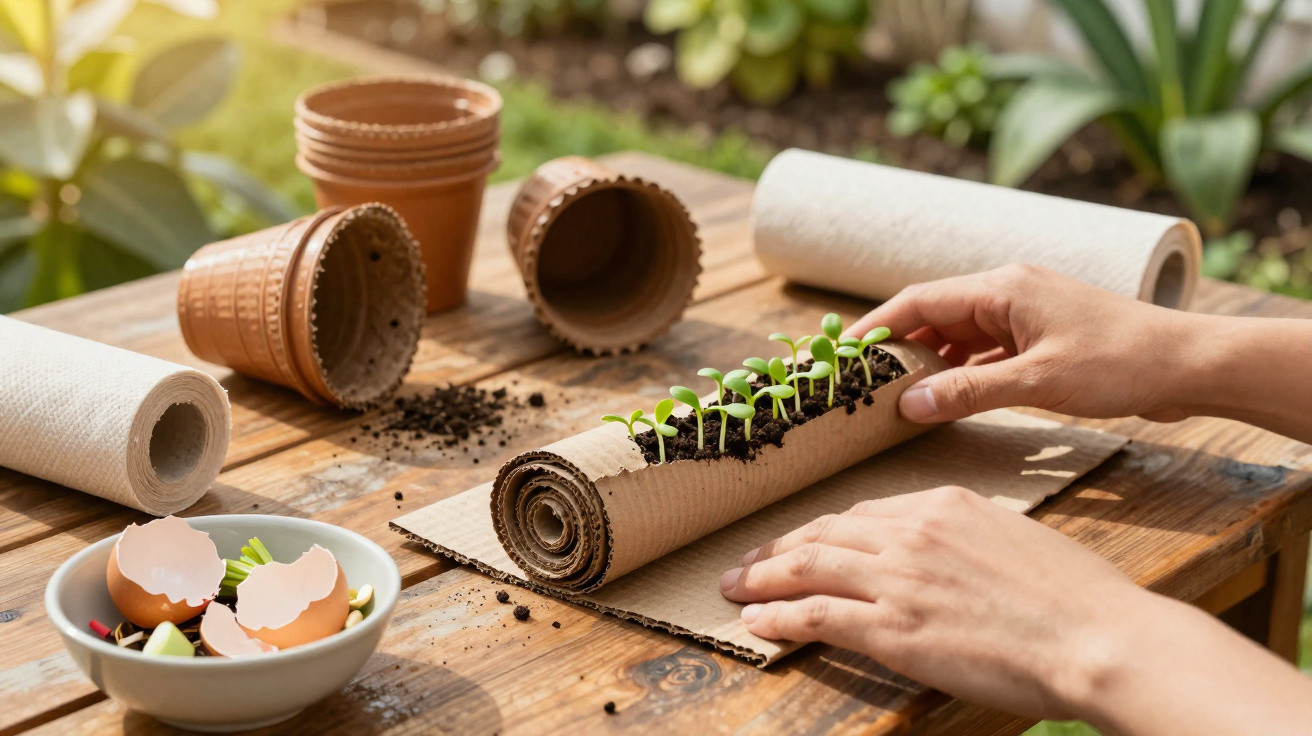
- For sowing: Mix molehill soil with a little sand and compost as needed - you have a low-cost growing medium for many vegetables.
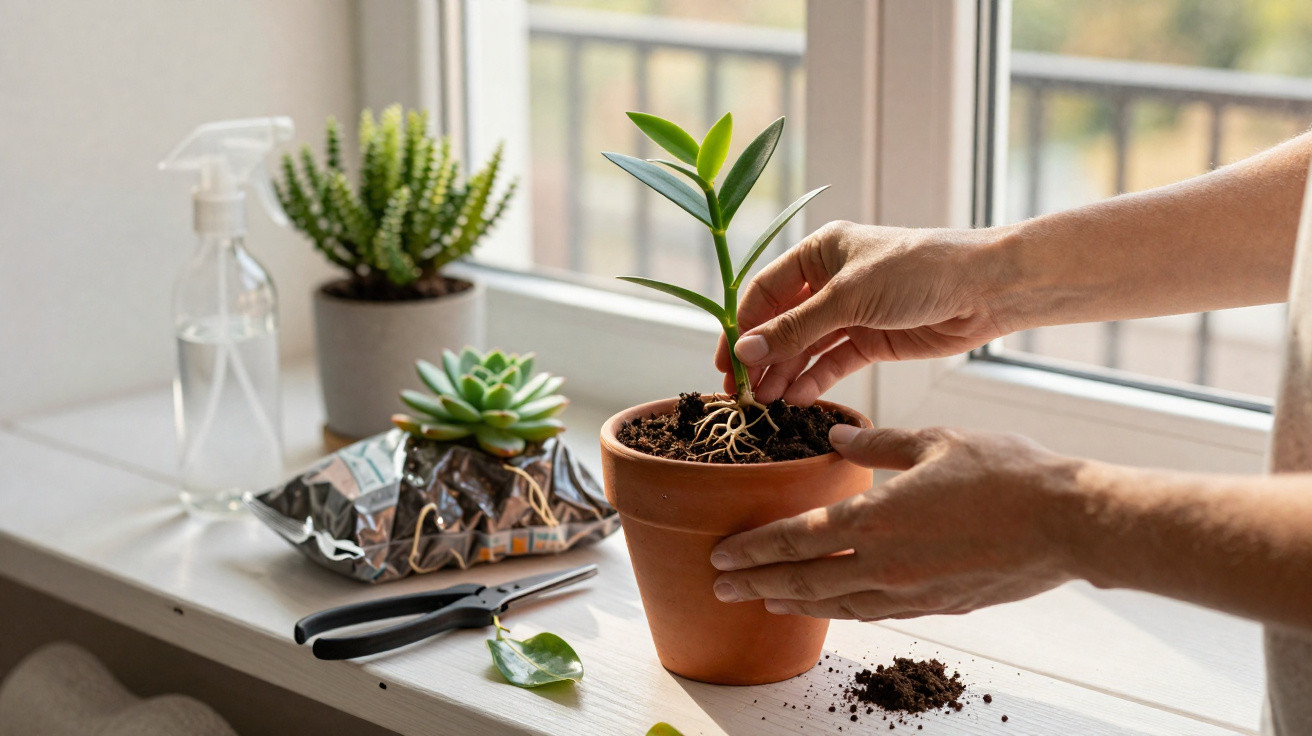
- For potting: Fill window boxes and containers with the loose soil, then enrich it with a bit of compost.
- To repair dips: Quickly level hollows in the lawn using the soil from the mounds.
Used in this way, the supposed damage becomes a gain: every mound turns into a free stockpile of well-worked soil material.
What distinguishes moles from voles
Many garden owners lump moles and voles together - a misunderstanding that often leads to unnecessary harshness. The differences are clear:
| Feature | Mole | Vole |
|---|---|---|
| Diet | Animal food (worms, larvae) | Plant food (roots, tubers) |
| Damage to plants | Rarely direct damage | Often gnawed roots, losses |
| Tunnel system | Distinct, with molehills | Often shallower, openings at the side |
If you genuinely have root-eaters in the garden, you need different strategies than you would for pure insect hunters. So it pays to look closely before declaring moles the main enemy.
When taking action still makes sense
Despite the benefits, there are situations where some protection is still necessary. On heavily used areas with playing children, sport, or robot mower use, large numbers of molehills can become a real issue. Newly laid turf can also develop unwanted voids if tunnels form beneath it.
In those cases, a clear plan helps:
- For new projects, plan the grid in from the start.
- Make established areas unattractive using gentle methods, rather than killing.
- Keep edge areas intentionally appealing as retreat space, so moles do not dig everywhere.
If you plan the garden this way, you get two benefits at once: a tidy, usable lawn and living soil that stays stable in the long term thanks to its “underground workers”. The real skill is refusing to act out of blind anger - because the snap decision to use radical measures deprives your lawn of the very ally it most urgently needs, quietly, beneath the surface.

Comments
No comments yet. Be the first to comment!
Leave a Comment