

No big budget, just a few simple steps: sow at the right time now and, come spring, you can enjoy an unexpectedly colourful show in your own garden.
Shop shelves are filling up with spring decorations, the evenings are getting lighter, and plenty of keen gardeners are wondering how to make their outdoor space look great without spending much. One modest item has been getting people talking: a multicoloured flower-seed mix from discount retailer Action that costs less than a piece of chewing gum, yet can brighten up entire beds.
Big blooms for small change: what’s in the €0.39 packet
Action is currently selling a straightforward but smart option: a packet of mixed annual flower seeds for just €0.39. Depending on how thickly you sow, it can cover a small bed, a wide edging strip, or several colourful “islands” dotted through a lawn.
"With just a handful of seeds, bare soil turns into a bright ribbon of flowers – from early spring right through to summer."
The mix typically features familiar garden favourites, such as:
- poppies (including Shirley poppy and other poppy types) for vivid reds and oranges
- cosmos (Cosmea/Cosmos) with delicate blooms in pink, rose and white
- pot marigolds (calendula), which flower reliably and often self-seed
- other annual summer flowers that fill gaps and lighten up planting schemes
If you buy individual seed packets from a garden centre, you can quickly spend several euros per variety. By contrast, this bargain blend is aimed at people who want one thing above all else: lots of flowers, minimal effort, and almost no financial risk.
How shoppers find the deal in an Action store
Where the packets appear varies by branch, but they’re usually placed in the garden section or with seasonal products. Often they’re set low down on shelves or in freestanding display stands near the start of an aisle as the gardening season ramps up. Stock is limited, because promotions like this typically run for only a few weeks or until the pallets are gone.
If you’re heading to Action anyway, it’s worth a quick scan of the garden aisle for seeds. Handy detail: many stores position the flower seeds close to compost, pots and watering cans - exactly where garden shoppers tend to end up.
Why a low-cost mix offers more than good looks
A burst of colour without the planning headache
Many amateur gardeners know the feeling: you want something in flower, but you don’t want to draw up detailed planting plans or spend hours comparing cultivars online. A mixed packet removes those decisions. It combines species that complement each other in height, flowering period and colour.
You can also treat the sowing as a trial run: which flowers look best, which attract the most insects, and which keep going longest? Those observations make it easier to buy specific varieties next season.
A livelier garden: a plus for bees and butterflies
Flower mixes made up of open, single blooms are highly attractive to pollinators. Poppies and cosmos in particular can provide useful nectar and pollen. With many gardens and balconies still dominated by lawn and gravel, any patch of colour makes a difference.
"Sow a strip of wildflowers and, within a few weeks, you’ll bring buzzing and fluttering visitors back into the garden."
It’s not only insects that benefit. Children, especially, enjoy watching tiny seeds turn into seedlings and then into genuine “pollinator magnets”. In that way, a very cheap purchase can become a small nature project for the whole family.
Successful sowing without expert knowledge
Soil preparation: the step that matters most
To get the best out of the mix, you need reasonably loose ground that’s free of weeds. Open garden soil is ideal, but large containers and raised beds work too.
- Loosen the soil with a spade or rake
- Remove larger stones and roots
- If needed, strip off old turf
- Break the surface down until it’s fine and crumbly
If your soil is very rich, avoid heavy additional feeding. Many annuals prefer leaner, free-draining conditions; otherwise they can put on lots of leafy growth while flowering less.
Sowing: scatter by hand
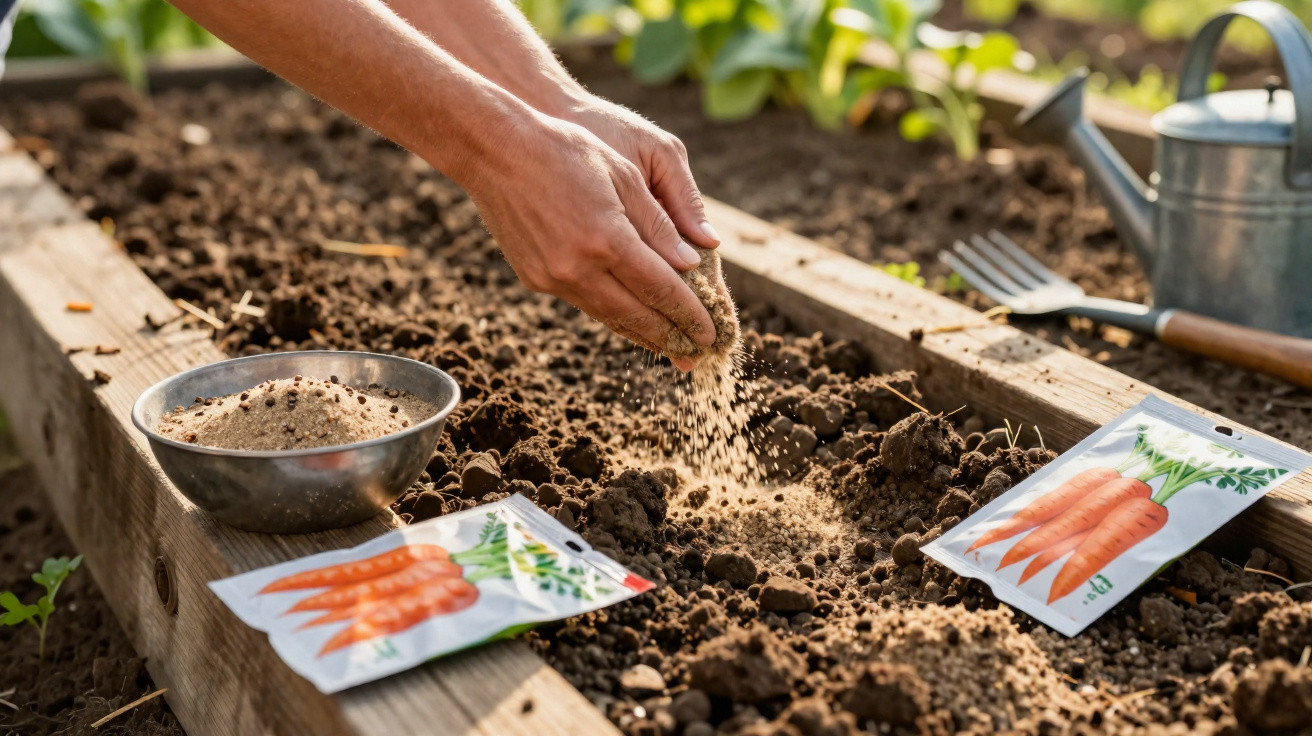
These seeds can be broadcast by hand. To prevent sowing too densely, a simple trick helps: mix the packet contents with a little dry sand before spreading. That makes it easier to distribute the seed more evenly.
Afterwards, cover with a light layer of fine soil or compost - no more than 1 cm. Then gently firm the area (the back of a rake or the edge of a board works well) so the seeds have good contact with the soil.
Watering and waiting: when you’ll see results
Once sown, water with a fine spray so you don’t wash the seeds away. Over the next few days, try not to let the ground dry out completely. Depending on the weather, the first seedlings typically appear after one to three weeks.
If you’ve bought several packets, you can stagger the sowing: some in early spring and some in late spring. That shifts the flowering window and keeps the area looking good for longer.
How long does a budget mix flower for?
One of the biggest advantages of colourful mixes is their staggered flowering. Some species get going in cooler conditions, while others need more warmth and start later. The result is a “relay” effect: as early flowers fade, others are ready to take over.
| Period | What happens in the bed |
|---|---|
| March / April (with early sowing) | Germination, first leaves, slow growth |
| May | First blooms, first insect visits |
| June / July | Peak flowering, a dense sea of colour |
| Late summer | A few late starters, seed set, collecting stage |
If you deadhead regularly, you encourage new buds. Some plants will then keep producing fresh flower heads well into summer.
From a children’s project to a front-garden upgrade: where the mix makes sense
The 39-cent packet is especially useful for spots that currently look a bit flat: a narrow strip along a fence, the bare edge of a driveway, a section of former veg patch, or a thin area in the lawn.
Common places people use it include:
- front gardens that are mostly gravel or a thin border of grass
- bed edges alongside patios or garden paths
- raised beds after harvesting, to keep the space productive
- shared areas in allotment sites (get permission first)
For children, a small dedicated “flower patch” they can sow and water themselves is ideal. At such a low price, it’s no drama if everything doesn’t go perfectly.
Risks and limits of the bargain
As appealing as the price is, a mix like this doesn’t replace a planned, perennial planting scheme. Most of the species included are annuals and will be gone after the season. Without re-sowing, the area may be bare next year or taken over by whatever self-seeds naturally.
There’s another catch: the exact seed blend often changes from batch to batch. Anyone expecting specific colours or particular flower forms could end up disappointed. This product suits people who enjoy a bit of surprise rather than a precisely designed perennial border.
For allergy sufferers, a mass of flowers can sometimes be problematic. If you’re sensitive to pollen, it’s wise to check which species are included and whether any known trigger plants are part of the mix.
How the cheap seed packet can pay off over time
Many annual flowers produce plenty of seed. If you cut a few dried seed heads in late summer, you can catch the contents over paper, store them dry, and scatter them again the following year. That turns a small one-off spend into a seed supply for several seasons.
You can also gradually add perennials among the annuals: lavender, sage, coreopsis and coneflower, for example. In year one, the low-cost mix provides most of the impact; over time, the planting can evolve into a structured perennial bed without the garden ever looking bare in between.
If you’re short on money but keen on colour, Action’s €0.39 packet offers exactly that: a straightforward entry into a lively, flower-filled spring garden - with a real benefit for your eyes, your wallet and pollinating insects.



Comments
No comments yet. Be the first to comment!
Leave a Comment