
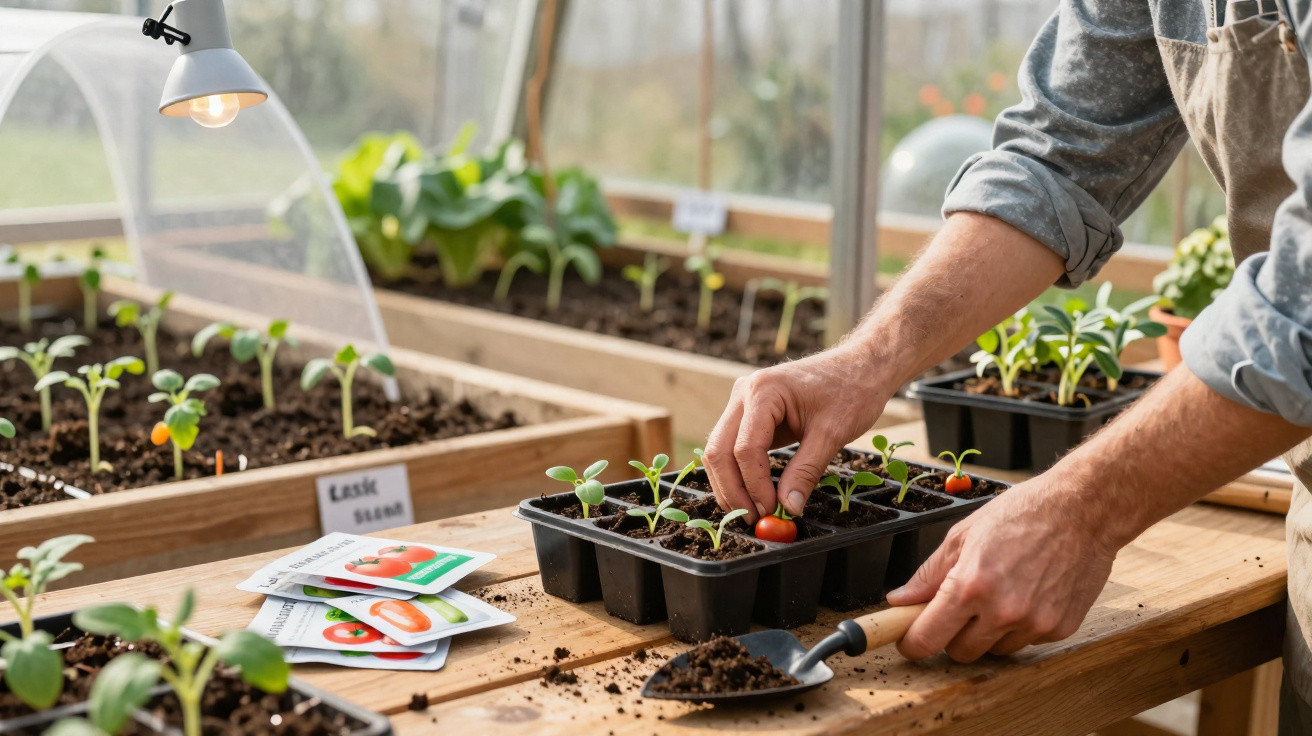
Plenty of keen gardeners reach July and realise, in frustration: “Damn, I left it too late.” Tomatoes, courgettes, peppers and the rest need far more lead time than most people expect. The real starting signal for a brimming harvest basket isn’t May at all - it’s March. Get moving now and you’ll be eating from your own garden in June, July and August; hang back and a lot gets pushed into autumn, or you lose the season entirely.
Why March decides your summer in the vegetable garden
March is the quiet, unofficial season opener in the veg patch. The days lengthen, the sun has more strength, and the soil starts to thaw through. That combination gets young plants away quickly.
“Sown in March, harvested in summer: many summer vegetables need three to five months from seed to plate.”
Starting early brings several clear benefits:
- The first mild days speed up growth while plants are still small.
- Roots have time to grow deep and strong before high-summer heat arrives.
- Harvests begin sooner - often from June - and keep going well into late summer.
- Beds are used more evenly, rather than everything ripening at once in June.
Many classic summer crops - especially tomatoes, peppers and aubergines - take months before they become productive plants. If you only begin in April or May, you quickly shove picking back into autumn and risk cold snaps or wet weather ruining the plan.
These vegetables need starting now if you want them on the table in summer
Some crops can be sown straight outdoors, while others are best raised under protection first. Both approaches work on a balcony or a bright windowsill - you don’t have to own a professional greenhouse.
Tomatoes: the classic crop that needs a March head start
Tomatoes are the headline act in any summer garden - but only when they’re started in time. From sowing to the first ripe red fruit is easily three to four months.
Sowing window:
- Start them warm indoors in March, ideally at 18–20 °C, on a windowsill or in a mini propagator.
- Plant into beds or large pots only after the last frosts - from mid-May - once nights are reliably frost-free.
How to raise them well:
- Sow seeds into small pots filled with loose, low-nutrient seed compost.
- Keep evenly moist but never waterlogged; avoid standing water.
- Once seedlings have 4–5 strong leaves, prick them out and later pot on, setting them deeper in larger pots.
If you want early, heavy picking, choose dependable, earlier varieties such as meaty salad tomatoes or classic cordon types that set fruit quickly and don’t take forever to ripen.
Courgettes: a turbo crop with huge yields
Courgettes are among the most generous vegetables you can grow. One plant can keep a family supplied - provided it gets going early.
Sowing window:
- From March, raise plants in pots indoors or in a cold frame.
- From mid-April, in milder areas, you can sow directly outside if the soil is no longer icy cold.
How to keep the crop on track:
- Site: sun to partial shade, with soil enriched using compost or well-rotted manure.
- Space plants at least 1 metre apart, as they spread strongly.
- Water well and mulch to hold moisture and keep fruits off bare soil.
Early courgette varieties can produce the first fruits after around six to eight weeks. If you start in March, harvesting can begin in June.
Peppers and aubergines: heat-loving, sensitive plants that take their time
Peppers and aubergines are seen as more demanding, mainly because they need warmth and a long growing season. Without an early start, a proper summer crop is hard to achieve.
Sowing window:
- Sow indoors in March with warmth, ideally around 20 °C or a little higher.
- Move outdoors or into large containers only after the last frosts, preferably in a sheltered spot such as beside a warm house wall.
Tips for sturdy, healthy plants:
- Don’t pot on or plant out until seedlings have at least six true leaves.
- Give them maximum light, avoid draughts, and aim for as many hours of sun as possible.
- Mulch the soil and water regularly, while ensuring roots never sit in water.
Begin in March and you’ve got a realistic chance of the first fruits in July. Sow later and plants often only hit their stride in September - just as cooler nights begin.
Bush beans and climbing beans: start early, harvest for longer
Green beans give tender pods and are easy to time. An early beginning spreads picking across many weeks.
Sowing window:
- In mild locations, from March under a polytunnel or horticultural fleece.
- Outdoors once the soil reaches about 12 °C - usually in April or May.
How to keep plants strong and healthy:
- Sow several seeds in “nests” spaced around 40 centimetres apart.
- For climbing beans, put up sturdy supports; for bush beans, lightly earth up to help them stand firm.
- Water regularly but in moderation - beans dislike waterlogging.
If you sow a new row every two to three weeks, you can pick beans through practically the whole summer.
Carrots: March sowing for early bunching carrots
Carrots sown early can be pulled at the start of summer as crisp bunching carrots - perfect for salads or as a quick side for the barbecue.
Sowing window:
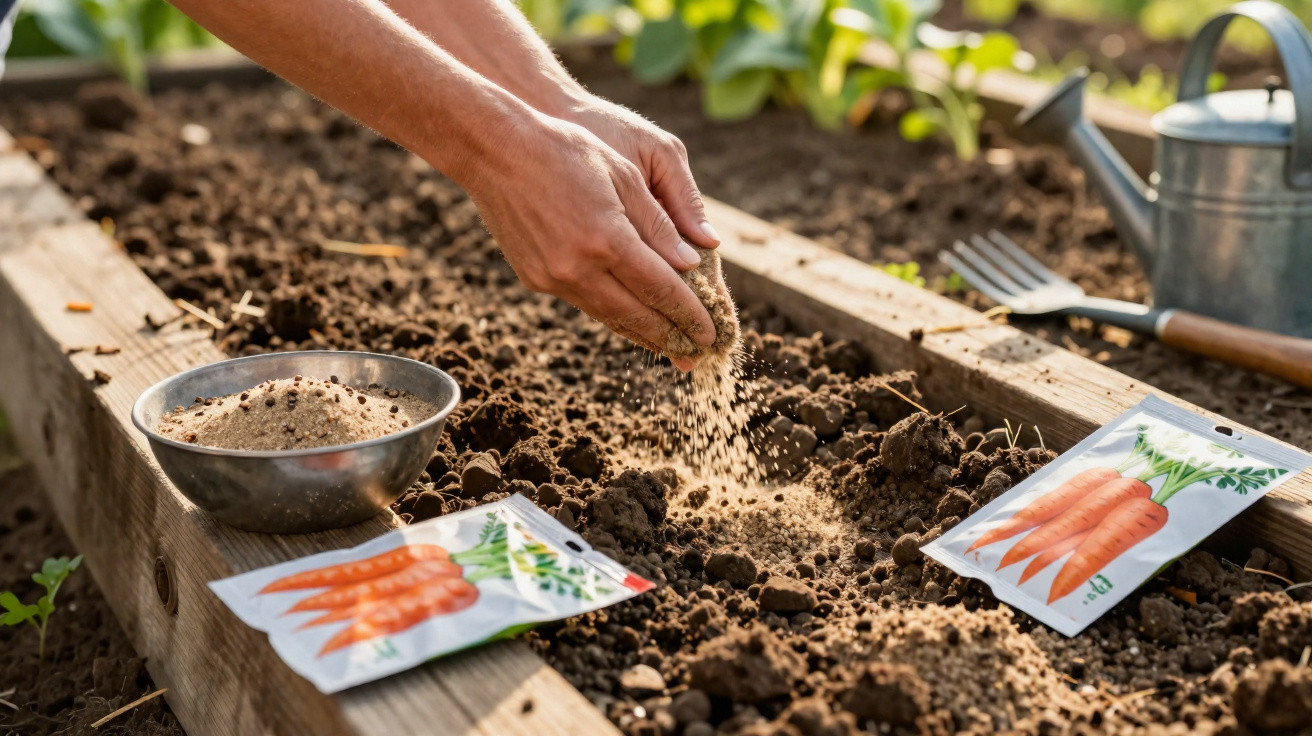
- From March, sow directly into the bed, in deeply loosened, as stone-free-as-possible soil.
- If late frosts threaten, cover rows with fleece; it also helps deter carrot fly.
How to get straight, even roots:
- Sow thinly in rows, then thin out once seedlings are about 5 centimetres tall.
- Water consistently so roots don’t split or turn woody.
Early varieties are often ready from June, while later sowings can keep you supplied for the rest of the summer.
Practical March strategy: what goes where?
A bit of simple planning now saves a scramble in May. This basic split works well:
| Area | Suitable vegetables in March |
|---|---|
| Start warm indoors | Tomatoes, peppers, aubergines, courgettes |
| Sow straight into the bed | Carrots, early beans (depending on region), spinach, radishes |
| Cold frame / polytunnel | Lettuce, kohlrabi, early herbs, additional bean rows |
“If you fill your beds now with a mix of indoor-raised plants and direct sowing, you’ll harvest from June - and not all at once.”
Professionals rely on protection and light in spring
Even the best seed is wasted if it drowns in cold rain or becomes leggy in a gloomy corner. A few straightforward moves make a big difference:
- Protection with fleece, polythene or a cold frame: a mini greenhouse, a small tunnel, or even an old window frame over a box can raise temperatures by a few degrees.
- Steady moisture instead of a drenching watering can: water little and often; a fine rose is ideal.
- Maximum light: a south-facing windowsill beats the cosy-but-dim spot above the sink.
- Harden off gradually: put young plants outside during the day for a few days, bring them in at night, and only then plant out for good.
Why putting in the effort in March pays twice
If you put a few evenings and a weekend into the garden or balcony now, you’ll see multiple returns. You’ll be less dependent on shop-bought veg, you can cut the supermarket bill, and the flavour of sun-ripened tomatoes or just-picked courgettes outclasses imported produce.
There’s another advantage: early sowing tends to produce tougher plants. They build stronger roots, cope better with heatwaves, and often need less water later. If you combine good partners - for example, carrots with onions to reduce pests, or beans beside courgettes to add more nitrogen to the soil - the bed becomes not only productive but also more resilient against disease.
And if you don’t have much space, containers work just fine: tomatoes in pots from 10 litres, peppers and courgettes in even larger containers, and carrots in deep window boxes. The March-start rules stay the same - there’s simply less ground. The taste of summer still comes straight from your own vegetables.
Comments
No comments yet. Be the first to comment!
Leave a Comment