
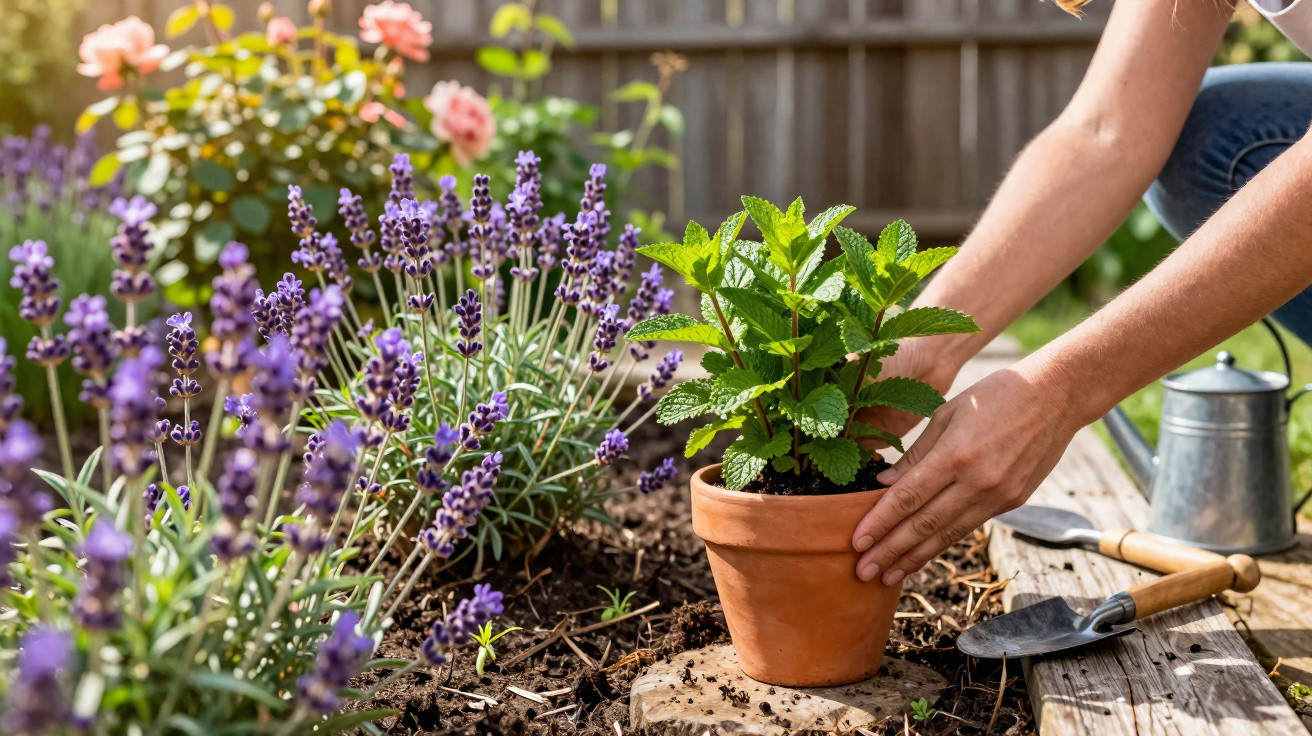
Ants are simply part of garden life, but patience wears thin when they undermine lettuce roots or patrol roses covered in aphids. Many amateur gardeners then reach straight for bait boxes and sprays. In most cases, though, you can reduce the pressure from these insects by planting strongly scented plants in a targeted way-aromas that disrupt their navigation and help keep them away from sensitive areas.
Why ants are so sensitive to strong scents
Ants run their entire society on smell. They lay down scent trails that mark food sources and guide others back to the nest. These delicate smell-lines work like tiny roads. When a powerful, unfamiliar scent gets in the way, it acts like thick fog: the trail becomes harder to follow, the route breaks up, and the ants either turn back or switch to a different path.
In the garden, this is especially obvious wherever aphids are abundant. Ants “milk” them to collect sweet honeydew and will actively protect aphid colonies. In doing so, they shield aphids from ladybirds and parasitic wasps-which is exactly why ants suddenly become a real nuisance in the border.
"Strongly aromatic herbs can disrupt ants’ delicate scent trails and steer them away from beds, containers and rose bushes."
That is why plants rich in essential oils make helpful natural allies. They do not kill ants like a conventional poison; instead, they make certain areas far less appealing. Two options stand out in particular: lavender and mint.
Lavender: a fragrant protective barrier for beds and roses
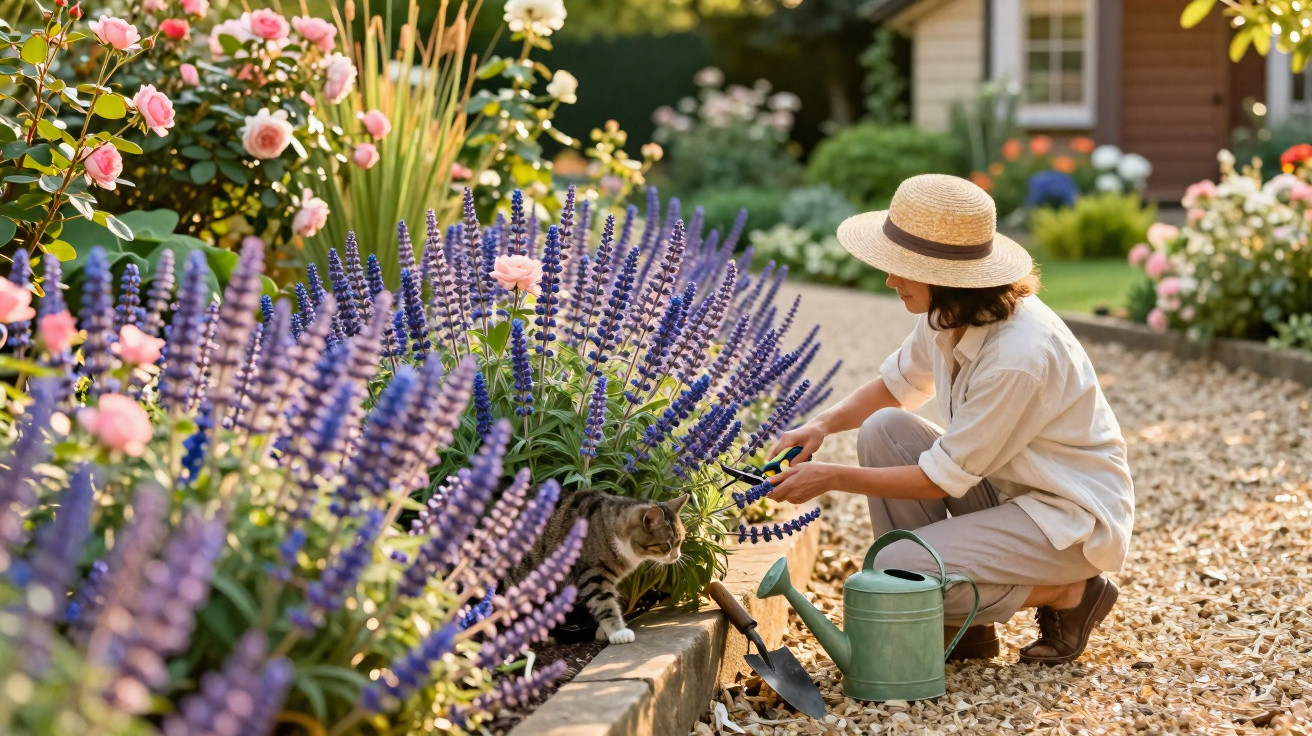
English lavender (Lavandula angustifolia) has long been a staple in ornamental planting. Its intense fragrance may feel calming to people-ants react very differently. When the scent becomes too strong, they avoid the area and reroute along the edges.
How to use lavender against ants effectively
- Border along the vegetable patch: A loose line of lavender plants planted along the bed edge creates a long-lasting scent barrier.
- Protection for roses: Lavender planted beneath or alongside rose bushes can slow down ants and, in turn, often curb aphid colonies.
- Lavender in a pot: A pot placed on ant trails on the patio, at the front door or on a balcony often forces the ants to change course.
- Mobile protection: Small containers can be moved wherever fresh ant routes appear.
For the effect to remain noticeable, lavender needs full sun and fairly poor, free-draining soil. Waterlogging weakens the plant and reduces the fragrance it releases. If you regularly cut off spent flower spikes, you encourage fresh blooms and renewed scent.
Mint: powerful smell, flexible to use
Mint (Mentha species) is among the easiest herbs to grow. It is popular in the kitchen, but ants dislike putting up with its strong scent. Peppermint and spearmint are particularly useful, as their essential oils are especially pungent.
Why mint is better kept in a pot
Mint spreads aggressively and can crowd out other plants in a border. For that reason, it is best grown in pots, window boxes or larger containers. This approach comes with several advantages:
- Easy control: The roots stay contained, so the bed remains manageable.
- A moveable barrier: Pots can be placed directly on ant routes or shifted to pinch points such as doorways and patio edges.
- Two uses at once: While mint puts ants off, it also provides fresh leaves for tea, salads or cocktails.
When several mint pots are grouped closely together, the result is a clearly noticeable “carpet” of scent. Ants often detour and rebuild their routes to the side or further away. That is the aim: not to wipe out every ant, but to make areas with vulnerable crops less attractive.
Where lavender and mint make the biggest difference
Placement determines how well these plants work. A single pot in the middle of the garden usually achieves less than deliberate positioning at entry and exit points.
| Area in the garden | Recommended plant | Practical tip |
|---|---|---|
| Vegetable bed | Lavender as a row, mint in a pot | Plant lavender along the edge, and place mint pots beside heavily affected rows. |
| Rose bed | Lavender | Set lavender plants between roses to disrupt ants and aphids. |
| Patio / balcony | Lavender and mint in containers | Put containers directly on ant trails and in front of thresholds. |
| Front door | Mint in a pot | Position several pots to the left and right of the step. |
Which herbs and perennials can strengthen the effect
Lavender and mint provide a strong foundation, but other aromatic plants can reinforce the approach. Particularly suitable are:
- Rosemary: Prefers sun and dry conditions; ideal for Mediterranean-style planting.
- Sage: Strongly scented and equally useful in beds or containers.
- Basil: Best in the warmer months; ideal in pots near the kitchen.
- Lemon balm: A gentle citrus fragrance, pollinator-friendly and robust.
- Tansy (Tanacetum vulgare): Very pungent, but poisonous-use with caution and avoid in family gardens where children play.
By combining several of these herbs, you create an aromatic “protective belt”. At the same time, pollinators such as bees and bumblebees benefit from the flowers-unlike chemical ant products, which can quickly affect other insects as well.
You still need to manage aphids
Ants often move in where aphids are plentiful. If you only plant lavender and mint but leave the aphids unchecked, you are unlikely to get much peace. It makes sense to combine several measures:
- Blast aphids off plants early with a jet of water.
- Attract beneficial insects, for example with flowering herbs and single (non-double) perennials.
- Avoid excessive nitrogen feeding, which encourages soft growth that aphids prefer.
The less honeydew ants can find in the bed, the less worthwhile it is for them-and the easier it becomes to steer them away with scented plants.
How long does it take before you see results?
If you have only just planted lavender, you will need a little patience. The plants must establish and put on strong growth before they release enough fragrance. Mint often works faster because it quickly produces plenty of aromatic leaves, even in a pot.
With good positioning, you often see changes in practice after a few days to a few weeks: ant trails shift, colonies prefer to remain around the edges of the garden, and sensitive vegetable and ornamental areas are avoided.
Risks, care mistakes and sensible combinations
Even so, there are a few points worth keeping in mind. Mint copes poorly with drought stress, and in small containers it may need watering daily in summer. Lavender, on the other hand, suffers from waterlogging; adding a drainage layer in a pot or using sandier soil in a bed helps.
People with sensitive skin can occasionally react to essential oils or to heavy contact with strongly scented plants. Wearing gardening gloves helps prevent irritation, particularly when pruning. Tansy should not be planted where young children play, as all parts of the plant are toxic.
An effective combination is to pair scented herbs with physical deterrents: smooth metal strips along walls, clean joints between patio slabs, and securely covered pet food. This leaves ants with fewer tempting targets while also confronting them with scent zones they prefer to avoid.
Anyone who shifts their garden management over the longer term often notices a clear change after a while: fewer ants around lettuces, fewer aphids on vulnerable ornamentals, and a more stable overall balance. Lavender and mint are not a miracle cure, but they are two simple, low-cost and useful helpers that can be integrated into almost any garden without much effort.
Comments
No comments yet. Be the first to comment!
Leave a Comment