
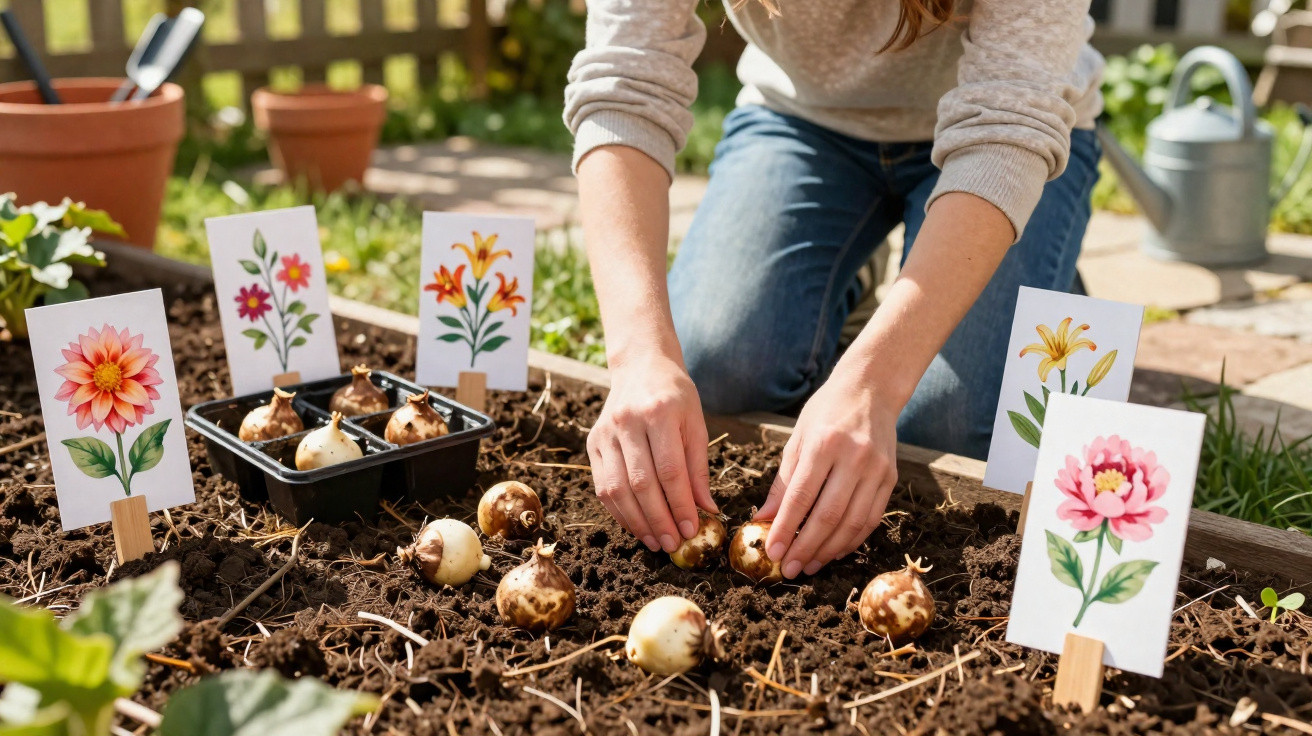
Many hobby gardeners notice the same pattern every year: daffodils and tulips put on a brilliant show, then the garden seems to stall. Borders look bare and window boxes feel drab until roses and summer flowers finally get going. By planting four carefully chosen bulb and tuber plants in March, you can shorten that colourless gap and keep the garden flowering with far fewer breaks.
Why March matters so much in the bulb calendar
Spring bulbs such as crocuses, daffodils and tulips have been sitting in the soil since autumn. They bloom early, use up their stored energy and then fade away quickly. If you do not have summer bulbs ready to take over at that point, you are left with a gap that can last several weeks.
From March onwards the timing is ideal: the hardest frosts are usually behind you, the soil starts to warm, and excess winter wet gradually reduces. That is exactly when most summer bloomers grown from tubers or bulbs want to get moving-provided they are in the ground, or already started in pots, soon enough.
“March is the key moment: plant now and you’ll have flowers from June-leave it and you’ll be staring at empty beds until July.”
If you only begin in late April or May, many plants will flower noticeably later. Early in the warm season the garden can look surprisingly empty, even though the weather is begging for colour.
The four candidates that should go in the ground now
You do not need complicated planting schemes to avoid a lull. Four groups are enough to link spring, early summer and high summer with minimal interruption:
- Dahlias – long-flowering plants from June into autumn
- Begonias – colour powerhouses for shade and partial shade
- Lilies – elegant plants that add scent and structure
- Peonies – an investment for the coming years
All four share the same advantage: if you deal with them in March, you bring the start of flowering forward and fill the otherwise dreary window that follows the spring bulbs.
Dahlias in March: the fast track to early summer flowers
Dahlias are famous for flowering tirelessly, but they need time to build strong stems and form buds. If you plant the tubers straight into the border in May, you lose valuable weeks.
How to get dahlias going extra early
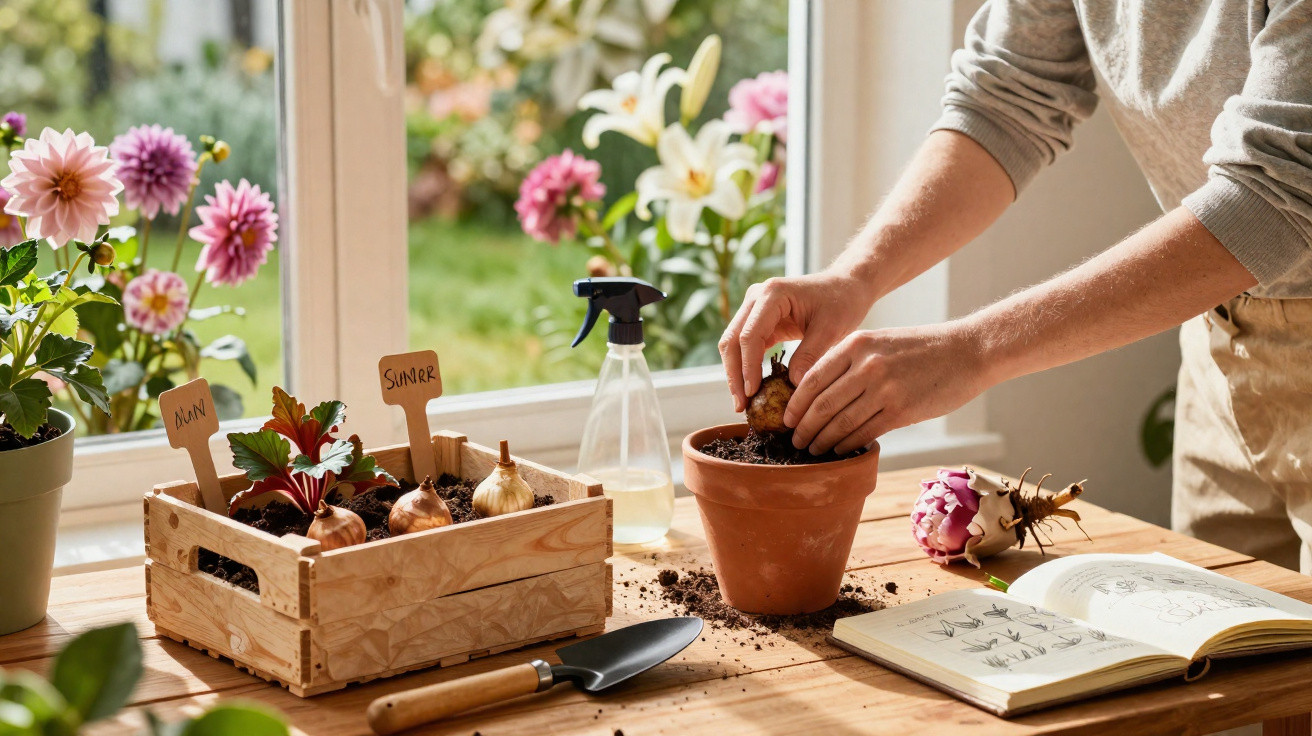
The simple approach is to start the tubers in pots in March-protected, but in good light.
- Fill a large pot or tub with loose, low-nutrient compost.
- Place the dahlia tuber in shallowly, with the buds (“eyes”) facing upwards.
- Cover only lightly with compost and water sparingly.
- Keep bright and frost-free, for example by a cellar window, in a hallway, or in an unheated conservatory.
Once the shoots are about 10–15 cm tall and there is no longer any risk of frost, move the plants into the border or into a large container on the patio or balcony.
“Dahlias started in pots in March often flower as early as June-tubers put straight into cold soil can easily be a month behind.”
Whether pompon, cactus form or single-flowered types, dahlias bring bold colour to traditional cottage gardens, modern gravel beds and even large containers. If you regularly remove spent flower heads, the plants keep producing fresh buds right through to autumn.
Begonias: the secret weapon for north-facing balconies and shady gardens
Not every corner of the garden is drenched in sunshine. Many gardeners struggle with shady walls, north-facing balconies or dark courtyards. Begonias come into their own precisely in these spots.
Why begonias need a head start in March
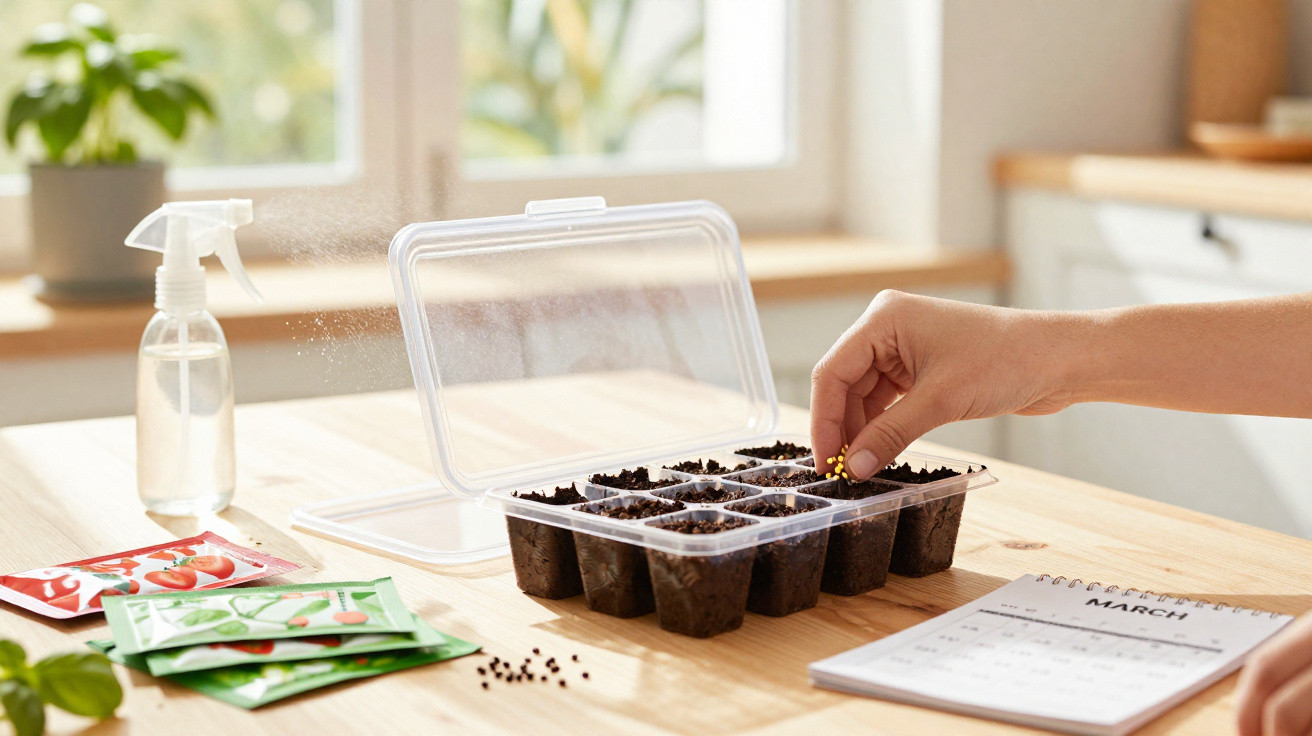
Begonias grow from tuber-like storage organs. In March, these are best started shallowly in trays or pots:
- Use light, humus-rich compost that drains well but stays slightly moist.
- Set the tubers with the hollow side facing up and cover only thinly.
- Place somewhere bright but out of harsh direct midday sun, and keep frost-free.
If you begin now, by June you will have well-leafed plants that keep pushing out new blooms without pause. Begonias cope with gentle morning sun and partial shade, but often perform best in the darker positions where other plants struggle.
Consistent watering matters, as does avoiding prolonged waterlogging. In autumn you can lift the tubers, store them dry and cool, and restart them the following March-an obvious benefit if you would rather not buy new plants every year.
Lilies: scented pillars that bridge the gaps
Lilies lift borders visually because they add height and fragrance. They are also excellent for spanning the period between spring bulbs and later-flowering perennials.
How to plant lily bulbs correctly
In March, plant lilies at a depth of around two to three times the bulb’s height. Choose a spot that is well-drained and slightly humus-rich, avoiding extremes-neither bone-dry nor prone to standing water.
| Aspect | Recommendation for lilies |
|---|---|
| Position | Sun to partial shade, an airy site |
| Planting depth | 2–3 × bulb height |
| Soil | Loose, well-drained, not waterlogged |
| Start of flowering | Depending on variety, from May through high summer |
If you mix varieties sensibly, you can stretch the flowering window: early types for May/June, later ones for July/August. That is exactly when many gardens show their biggest lull-lilies fill it with tall, fragrant flower spikes.
Planting peonies in March: work for the garden of the future
Peonies are among the most long-lived perennials in ornamental gardens. Once they are in the right place, they can remain there for decades.
If you plant new root pieces or young plants in March, you will need patience: large, heavy blooms often do not appear in real abundance until the second or third year. In return, peonies reward you with impressive fullness and often a delicate fragrance.
“Peonies aren’t a quick project, but a lasting investment in recurring spring splendour-plant now and you’ll enjoy them for many years.”
They cope with most soils as long as the ground is not waterlogged. Sun to light partial shade suits them best. One point is crucial: do not plant peonies too deeply, or they may refuse to flower. The buds on the root pieces should sit only a few centimetres below the surface.
How the four types work together to close the flowering gap
When you use dahlias, begonias, lilies and peonies in a planned way, the result is a simple timeline:
- Spring: daffodils, tulips and other early bloomers take centre stage.
- Late spring: the first lily flowers and some peony blooms begin to take over.
- Early summer: pre-started dahlias and begonias fill beds, while lilies reach their stride.
- High summer into autumn: dahlias and begonias keep the colour show going.
This creates a smooth handover rather than a grey hole between spring brilliance and summer abundance. Smaller gardens benefit especially, because any flowerless week is far more noticeable.
Practical tips: choosing positions, risks and common care mistakes
If you are planting in March, it helps to watch out for a few pitfalls. Late frosts can damage newly sprouting dahlias and begonias. When sub-zero nights are forecast, horticultural fleece, an upturned crate, or simply bringing pots indoors for a short time can prevent losses.
Waterlogging is another frequent issue: loosen heavy soils first and improve them if needed with sand or fine gravel. Bulbs and tubers rot quickly if they sit in water for weeks, and lilies in particular are sensitive to this.
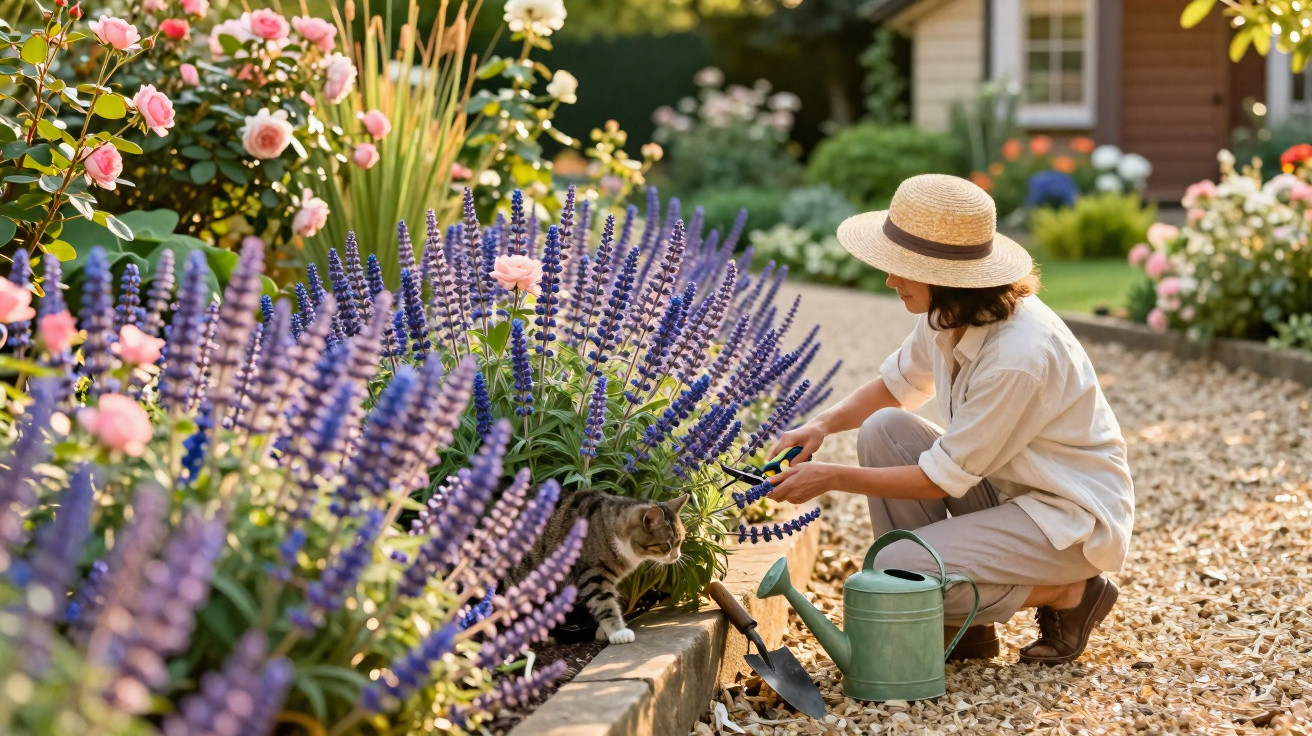
Borders look best when you mix heights and flowering times: lilies as vertical accents, lower begonias at the front, dahlias as a bold block behind. Peonies are happiest with a permanent position where they can stay undisturbed.
If you are unsure, start with containers. Dahlias, begonias and many lilies thrive in pots, and you can move them around to plug gaps or test sudden sunny spots. On balconies and patios, this quickly creates small but highly effective islands of colour.

Comments
No comments yet. Be the first to comment!
Leave a Comment