
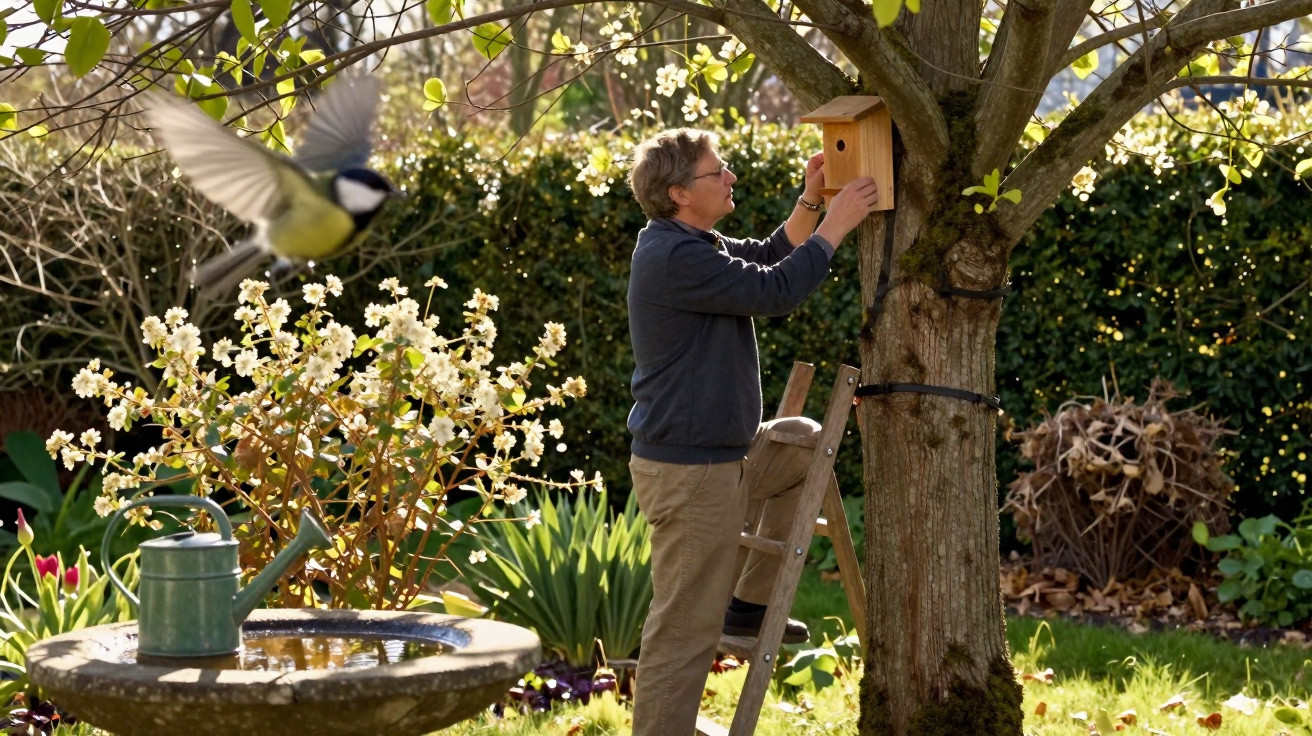
Act smart now and you can turn your garden into a real tit hotspot.
In March, plenty of people dash to the garden centre for a brand-new nest box, hoping a great tit or blue tit will move in within days. However, specialists from France’s bird protection organisation LPO are blunt: a pretty box on its own won’t do. If you genuinely want to attract tits in spring, you need to think about the whole garden - from food to cover.
Why tits find your garden interesting in the first place
Tits are among Europe’s most adaptable garden birds. They’re inquisitive, lively and constantly hunting for something to eat. In spring, they’re focused on two things above all: finding a safe place to breed and securing enough food to raise their chicks.
"A garden only becomes interesting to tits when it offers shelter, food, cover and safe routes as one complete package."
In other words, the ideal tit-friendly garden isn’t a spotless ornamental lawn. It’s a small, varied mini-landscape. Trees, shrubs, dense hedges, corners where leaves are left, and a sprinkling of wild plants - these details are what make the difference.
Nest boxes: useful, but often used incorrectly
Yes, nest boxes are welcome. Even so, many boxes sit empty for years. The reason is rarely that there are “no birds around”; it’s almost always down to small practical mistakes.
How to hang a nest box properly
- Height: 2 to 4 metres above the ground is best, making it harder for cats and martens to reach.
- Direction: Face it east or south-east; never into harsh midday sun.
- Stability: The box shouldn’t sway in the wind - that unsettles the birds.
- Entrance hole: Around 28–32 mm in diameter for tits, depending on species.
- Quiet: Avoid constant foot traffic directly in front, and don’t place it two metres from a noisy patio.
There’s another factor too: modern homes offer far fewer natural cavities than they used to. Specialists advise not “sealing everything up” unnecessarily - for example gaps and voids in buildings, old trees or walls - provided there’s no risk involved. These natural niches can be especially appealing to tits.
"Where cracks, cavities and old walls can remain, they become prime addresses for cavity nesters such as the great tit, blue tit, or even the sparrow."
Plant choices: no insects, no young tits
In spring, tit chicks are fed almost entirely on insects, larvae and spiders. If your planting scheme is limited to sterile ornamental varieties, you may have a neat garden - but you won’t have many insects. LPO experts say this is the single biggest mistake many hobby gardeners make.
Which plants genuinely help tits
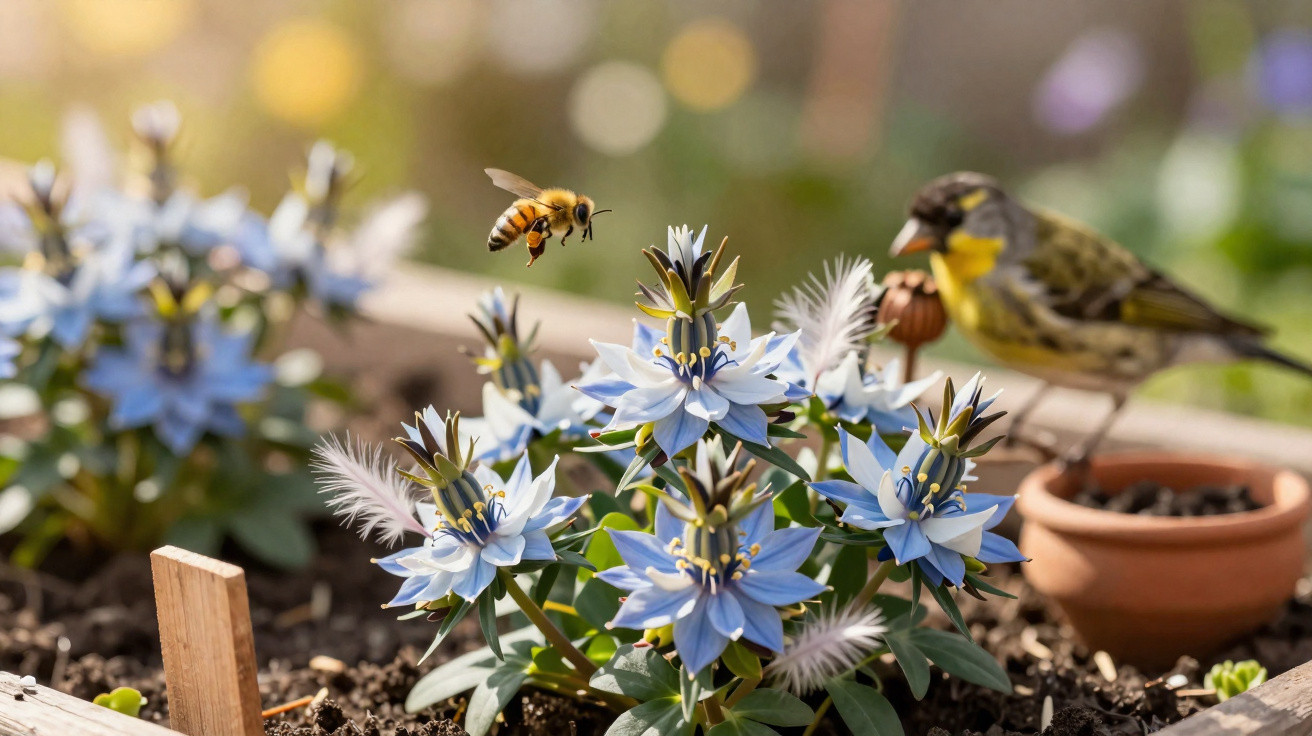
What matters most is choosing native plants that haven’t been bred to be sterile. Many highly cultivated varieties produce showy blooms but provide neither nectar nor pollen for insects - which means the food chain for birds never gets going.
Good options include:
- Native wild shrubs such as elder, blackthorn (sloe), hawthorn and hazel
- Flowering perennials such as oxeye daisies, common mallow and viper’s bugloss
- Herbs like thyme, oregano and chives - as long as you let them flower
- Fruit trees - apple, cherry and plum - offering insects first and fruit later
These plants bring in vast numbers of insects. The more insects available, the easier the breeding season becomes for adult tits, because they can find plenty of protein-rich prey close to the nest.
Garden density: why “too tidy” becomes a problem
Conservationists talk about “garden density” to describe how many layers, hiding places and connections a garden offers. A closely clipped lawn with a lone conifer in the middle doesn’t work for tits at all.
"A dense, lively garden with hedges, shrubs and undergrowth feels to tits like a small, safe city full of alleyways and back courtyards."
Hedges as a lifeline for garden birds
Hedges do several jobs at once:
- Screening and refuge from birds of prey
- Sheltered, concealed spots for nests
- A constant insect buffet - effectively a living “insect hotel”
A mix of different shrubs is especially valuable, because it provides resources across the seasons. Berry-bearing shrubs don’t just feed birds; thanks to their high water content, they can also function as a natural “drinking station”.
Evergreen corners as a protected zone
Experts recommend planting at least a few evergreen, densely leafed shrubs. They provide cover from wind, rain and cold - in winter, and during harsh spring storms.
Suitable examples include:
- Yew (only where small children won’t be tempted by the berries)
- Privet (if left untrimmed, it can offer flowers and berries)
- Cherry laurel (use sparingly; native alternatives are preferable)
What to stop doing in your garden from now on
A bird-friendly garden doesn’t mean letting everything run wild. It’s more about questioning a few common habits.
| Typical habit | Problem for tits | Better approach |
|---|---|---|
| Clearing away every leaf in autumn | Loss of insect hiding places and food sources | Leave a leaf pile in a corner |
| Spraying poisons against “pests” | Fewer insects for chicks; toxins enter the food chain | Use mechanical methods; encourage beneficial species |
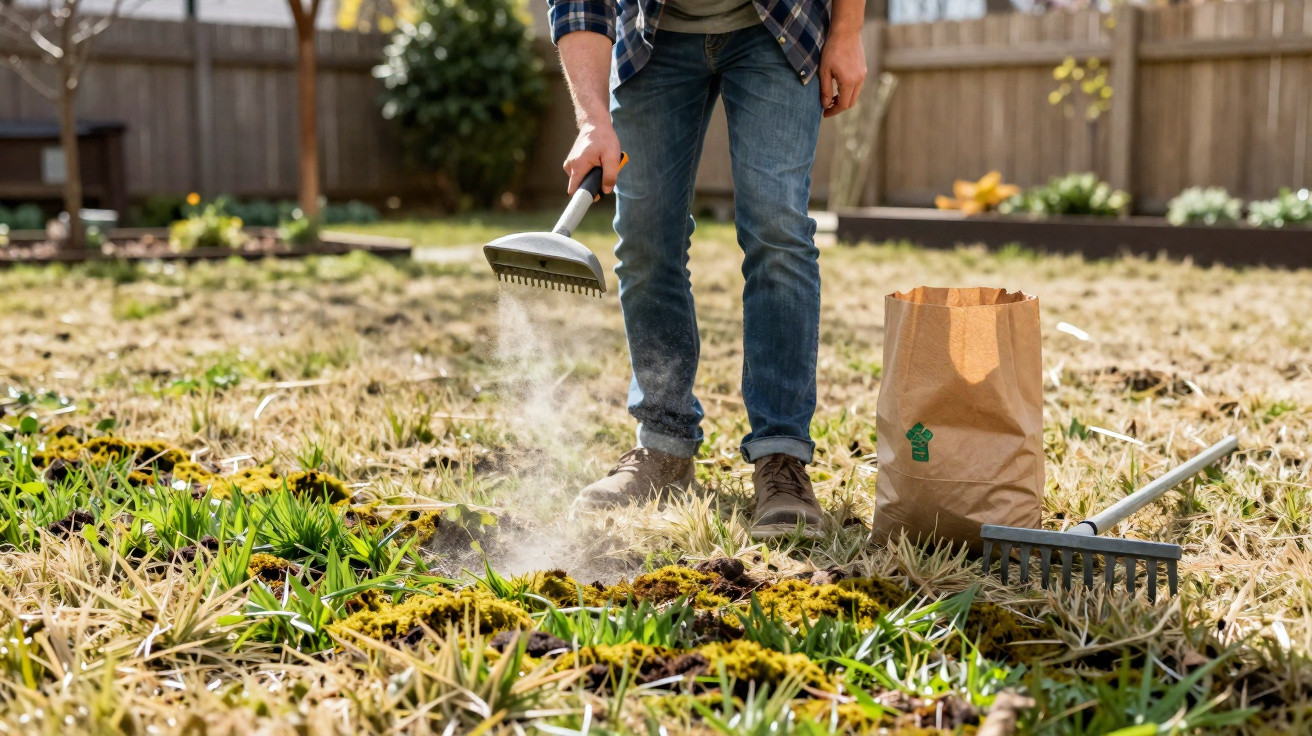
| Mowing the lawn short every week | No flowers, fewer insects, little cover | Let parts of the lawn grow into a wildflower area |
Extra trick: water and peace and quiet - often underestimated
In dry springs, tits don’t just struggle to find food; they can also struggle to find water. A shallow dish with a few stones as perches takes minutes to set up and can make a big difference. Change the water daily so germs don’t build up.
Just as important is calm. A roaring mower directly beneath a nest box, party music late into the night, or constant work around the nesting tree can be enough to push sensitive pairs elsewhere.
"Anyone who reduces noisy activities in the ‘tit neighbourhood’ during breeding season greatly increases the chances of successful young."
Why a tit-friendly garden pays off twice
Tits aren’t only enjoyable to watch; they also do a serious job in the garden. They eat huge numbers of caterpillars, aphids and other insects that can damage plants. A single pair of tits can feed their young several thousand insects while raising a brood.
So if you plan your space specifically with these birds in mind, you’re also investing in a natural “garden protection team” that works without chemicals. Many gardeners notice that after a few years of adding more structure, hedges and wild plants, they need to reach for sprays far less often.
If you’re unsure which shrubs are native in your area, local nature conservation groups can help. Their experts typically know which species suit your soil, climate and whether you’re in a town or village - and they often advise on where nest boxes can be fitted successfully.
The result is a garden that attracts not only tits, but also sparrows, robins, blackbirds and many other species. That mix is exactly the appeal: a lively, ringing garden that offers more than a green patch in spring - it gives you the sense of sitting in your own small nature haven.

Comments
No comments yet. Be the first to comment!
Leave a Comment