
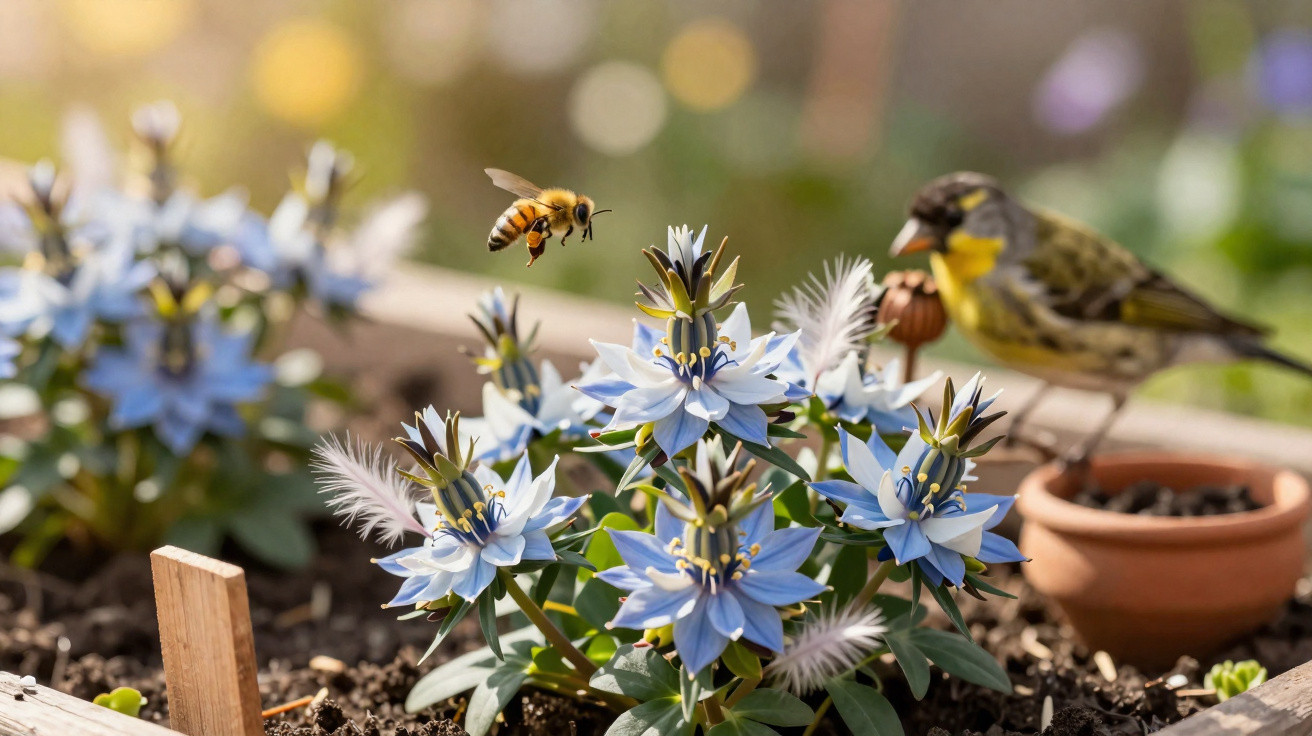
A modest seed sown in March can turn a garden or balcony into a lively haven of colour, birds and buzzing insects.
Plenty of amateur gardeners splash out on pricey plants or fertilisers in spring to whip their outdoor space into shape. Often, though, one simple, almost forgotten flower is enough to lift borders, raised beds and pots alike - with no chemicals, and with real benefits for bees, butterflies and songbirds. One traditional cottage-garden favourite is quietly returning: Nigella damascena, better known here as love-in-a-mist.
Love-in-a-mist (Nigella damascena): airy elegance instead of a sterile garden look
If you pick up a packet of this annual’s seeds in March, you’re getting a surprisingly flexible helper for beds and containers. Love-in-a-mist looks delicate, yet it’s hardy and suits almost any style - from a wildlife garden to a city balcony.
Fine foliage, pastel flowers - and an instant sense of lightness in the border
What stands out most is the plant’s wispy, thread-like foliage. It looks like fine lace and sits around the blooms like a soft veil. Planted among other perennials, it acts as an airy filler that softens harsh edges and neatly disguises gaps.
The star-shaped flowers open in gentle shades: sky blue, soft pink, clean white or slightly violet tones. These pastels catch spring light beautifully and can brighten even shaded or previously dull corners.
"Wer seinem Garten im Frühling schnell mehr Romantik und Leichtigkeit geben will, liegt mit der Jungfer im Grünen goldrichtig."
Early and long flowering - with minimal effort
Sow in March and, depending on your area, you’ll see the first flowers from May or June. The plants grow quickly, cover bare patches in borders, and slot in neatly between fruit bushes, roses or perennials.
With the right position, love-in-a-mist needs remarkably little attention. Water lightly after sowing; later on, rainfall is often enough. There’s no need for heavy feeding or constant cutting back - ideal if you want a lovely garden without spending every weekend weeding.
Siting in March: sun, loose soil and no “wet feet”
To get the best from this flower, it’s worth matching it to its basic needs. The good news is it’s forgiving - as long as one thing is right: the soil must not stay wet for long periods.
The right spot for strong spring growth
- Light: full sun to a very bright spot, and it can cope well with a bit of wind.
- Soil: loose, fairly poor, and free-draining.
- Waterlogging: must be avoided - otherwise the roots can rot.
- Where to use it: borders, wildlife gardens, edging for veg beds, large pots.
Even on heavy clay, love-in-a-mist can do well if you loosen the ground before sowing by mixing in sand or fine grit. The key point is that rainwater drains away after a shower rather than sitting in the bed for days.
Direct sowing in March: scatter, don’t prick out
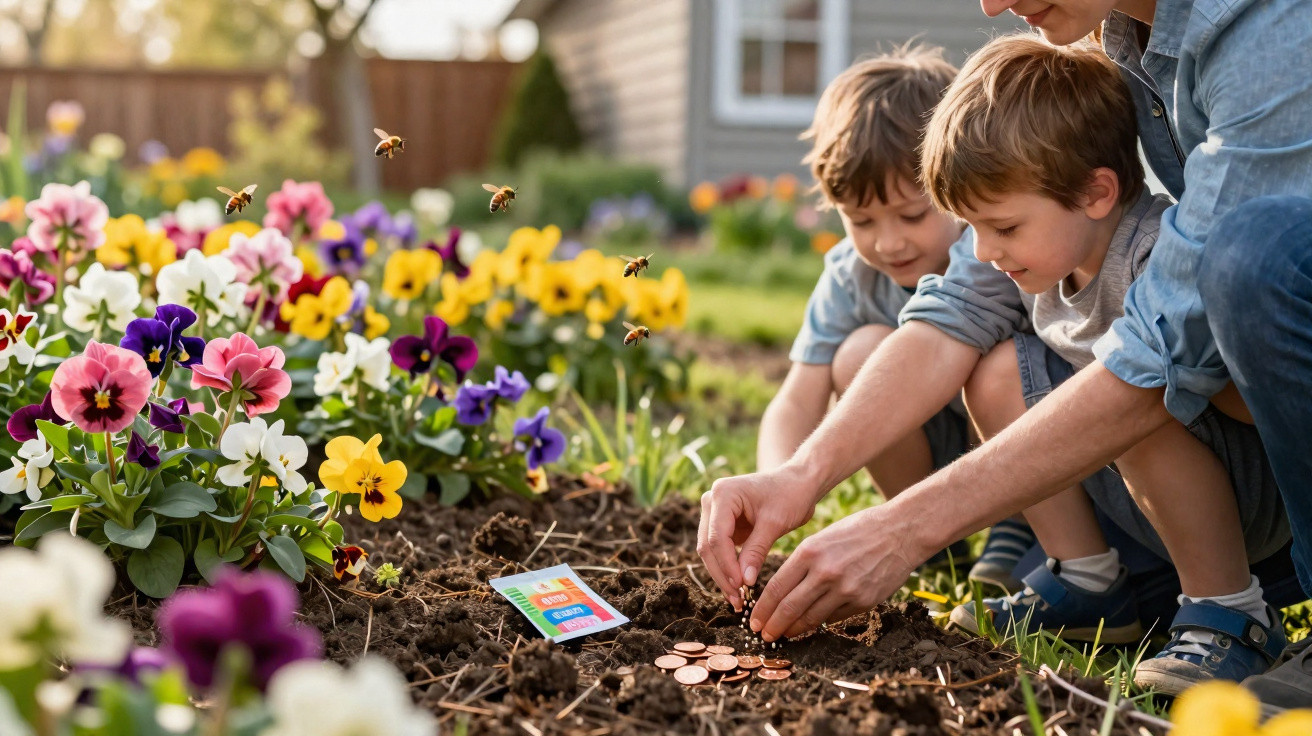
This plant forms a long taproot that doesn’t like being disturbed, which is why direct sowing is usually best. Step by step:
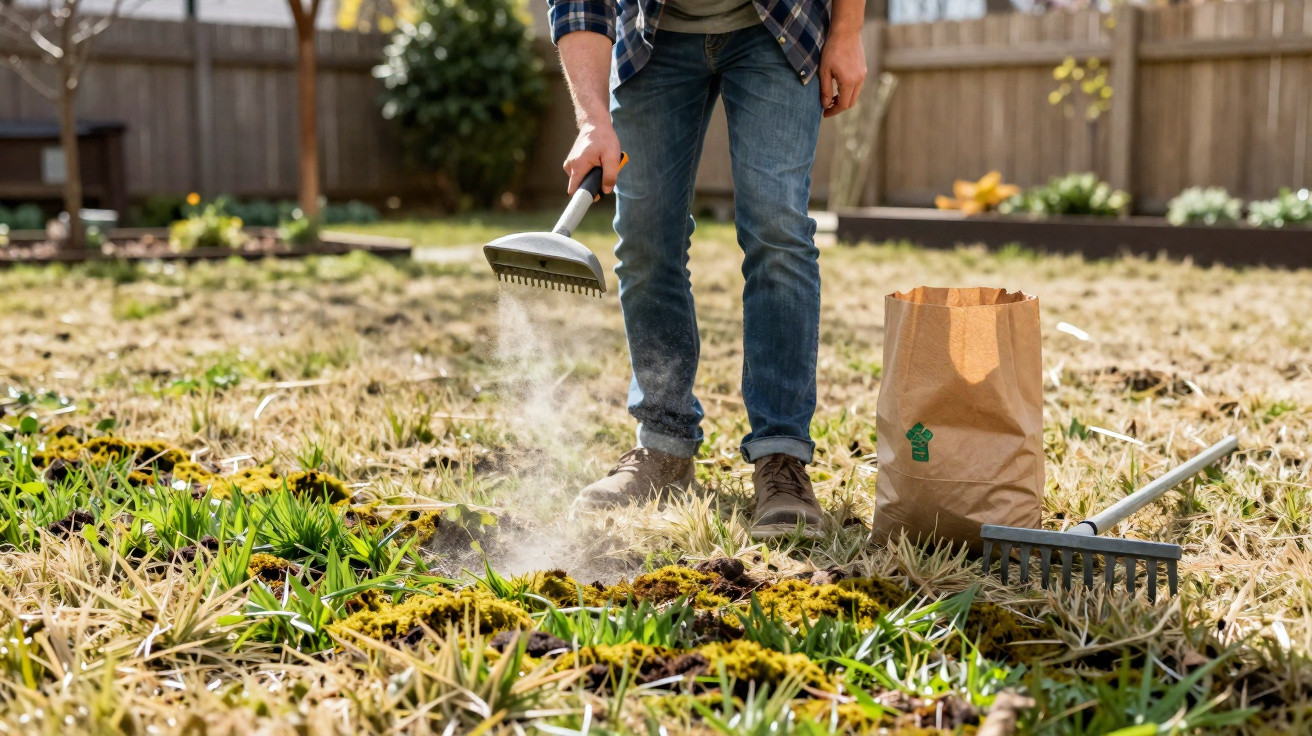
- Loosen the surface, removing large stones and leftover roots.
- Level the area lightly with a rake.
- Scatter the seed by hand fairly generously, but not like you’re sowing a lawn.
- Rake in very lightly, or simply press the seed in.
- Water gently so the seed makes good contact with the soil.
You can sow in rows if you prefer. For a natural, slightly wild look, though, hand-scattering tends to feel more in keeping - perfect for a cottage-garden effect.
Planting young plants: for anyone who doesn’t want to wait
In spring, garden centres often sell small love-in-a-mist plants. Using these shortens the wait for flowers. When planting:
- Ease the root ball out carefully; don’t crush or tear it.
- Dig a hole deep enough that the top of the root ball sits level with the soil surface.
- Backfill with loose soil plus a little sand, then firm in gently.
- For the first few days, water regularly but moderately.
On heavy soils, adding a thin layer of sand or gravel in the planting hole can help excess water drain away.
A bee magnet and a bird buffet: the ecological power of this flower
Looks are only part of the story. Love-in-a-mist really shines through its value for biodiversity. It provides food in two stages: first for insects, and later for birds.
Nectar-rich blooms for bees, bumblebees and butterflies
The flowers are packed with nectar and pollen. As soon as spring temperatures rise, honeybees, solitary bees, bumblebees and small butterflies visit them reliably.
"Wo Jungfer im Grünen blüht, steigen die Chancen auf gute Ernten bei Obst und Gemüse, weil die Bestäuber dauerhaft vor Ort sind."
What’s particularly useful: if you sow it in or beside vegetable beds, you naturally support pollination of strawberries, pumpkins, courgettes, berry bushes and nearby fruit trees. The garden becomes one connected feeding and working area for insects - attractive to look at and practical as well.
Dried seed pods: decoration and a feeding station for songbirds
After flowering, the plant produces striking, balloon-like seed pods. Through summer into early autumn, they turn brown and dry on the stem. Inside are lots of small, dark seeds.
If you leave the pods in place rather than cutting them off, you’re providing birds with a natural food source in autumn and winter. Finches, sparrows and other seed-eaters can pull seeds straight from the dried capsules.
At the same time, the woody stems and seed heads add subtle winter interest in the border. Even frost or snow can make them look especially dramatic. Many gardeners also use them in dried arrangements for a vase.
A planting plan that delivers impact all year
With a little planning, beds can be arranged so that from March through to winter there’s a living display of flowers, insects and birds. Love-in-a-mist is one element within that bigger system.
Keep the yearly cycle in mind
| Month | Action | Effect |
|---|---|---|
| March–April | Direct sowing or planting out | Fast growth, gaps fill in |
| May–July | Flowering; water lightly only in dry spells | Bee magnet, colourful accents |
| Late summer–autumn | Let seed pods ripen | Self-seeding, stock for next year |
| Autumn–winter | Leave stems standing | Bird food and winter structure |
If you allow a few plants to set seed, love-in-a-mist will usually self-seed. Next spring, seedlings appear in the same spots or slightly shifted - creating a lively, ever-changing drift without extra cost.
Practical tips, combinations and possible pitfalls
When you grow it for the first time, it’s normal to wonder how best to weave it into your planting - and what to watch out for. A few tried-and-tested pointers can prevent disappointment.
Good border partners for a balanced look
Love-in-a-mist combines particularly well with:
- roses, as the fine greenery visually softens the thorns,
- lavender and sage, which like similar conditions,
- cosmos and marigolds for a relaxed summer-flowering mix,
- vegetable beds, to make them feel more playful and insect-friendly.
If you enjoy cut flowers, pick blooms early in the morning for vases. Later, the seed pods can be dried and used in autumn arrangements.
Common mistakes - and how to avoid them
- Sowing too thickly: when overcrowded, plants stay small. If needed, thin them out at the seedling stage.
- Too much moisture: constantly damp soil encourages root rot. Better to water well occasionally than to keep it “wet” all the time.
- Hard cutting back in autumn: if you cut everything down to ground level, you remove bird food and reduce self-seeding.
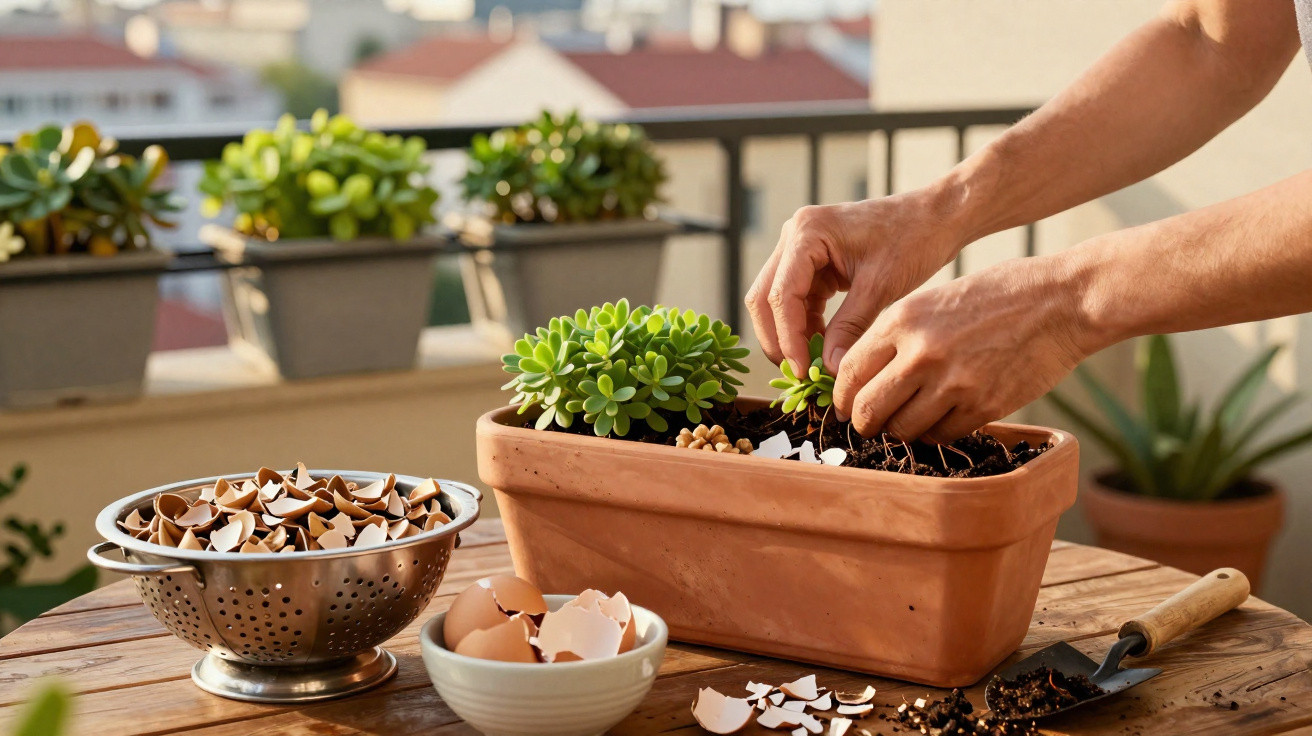
If you don’t have a garden at all, love-in-a-mist also grows well in larger pots or balcony planters. The essentials are a drainage hole in the container and a free-draining compost mix with a little sand or expanded clay.
Especially in densely built-up urban areas, this creates a small refuge for pollinators and birds with minimal effort. A few pots on a balcony, a raised bed in a back courtyard, or a strip by the fence is enough to make a visible difference - both for the view from the window and for biodiversity.
Comments
No comments yet. Be the first to comment!
Leave a Comment