
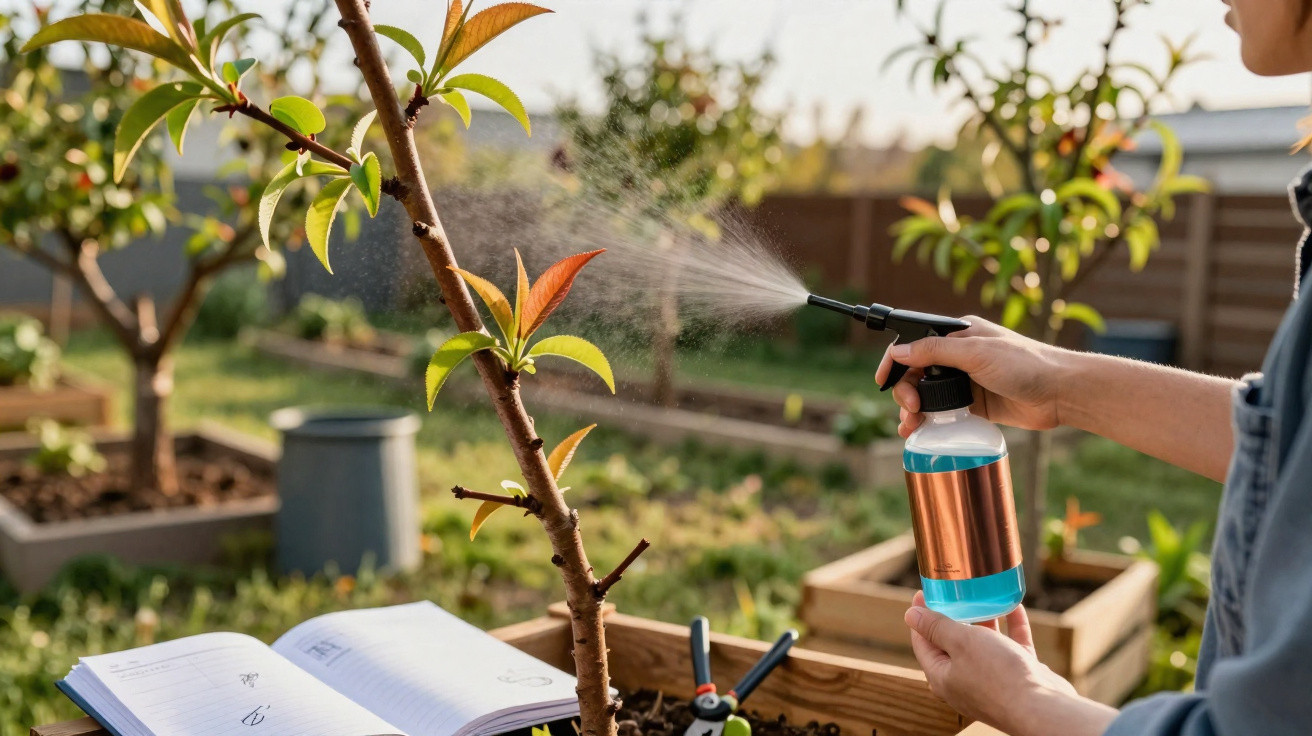
Many amateur gardeners know the familiar disappointment: in spring, the peach tree appears to burst into growth, yet only a few weeks later its branches are hung with distorted, thickened leaves. The fruit stays tiny, and entire shoots stop growing altogether. What you are seeing is a fungal disease that, without action, tends to worsen from year to year. If you respond in time and use a specific copper-based treatment, you can protect the tree surprisingly well.
What is really behind peach leaf curl disease
So-called leaf curl is one of the most aggressive fungal diseases affecting stone fruit. It is caused by the fungus Taphrina deformans, which mainly attacks peaches and nectarines, and sometimes apricots as well.
The fungus makes it through winter in several places around the tree: inside buds, in fine cracks in the bark, and even in the soil close to the trunk. As soon as late-winter or early-spring weather combines moisture with mild temperatures, the infection process begins.
"The critical moment is bud break: if the young leaves are unprotected, the fungus often infects them within just a few days."
Typical signs of leaf curl include:
- Young leaves become thicker and look blistered or “lumpy”.
- The colour shifts towards pale green, yellowish tones or reddish hues.
- Leaves curl up in a spiral and then dry out.
- New shoots swell, discolour and stop growing.
- Fruit set drops sharply; fruit remains small or falls off.
If a tree is heavily affected for several years in a row, its reserves are severely depleted. Some peach trees then simply give up: they produce only sparse new growth, set hardly any fruit and eventually die.
Why treatment during the season hardly helps
Many gardeners only take action once the first curled leaves are visible. By then, however, the fungus has already done its work. The spores are established inside the plant tissue and the leaf damage cannot be reversed. Spraying mid-season may make the gardener feel they have acted, but it rarely improves the tree’s situation.
The effective strategy is therefore to protect the buds and very young leaves before the fungus can penetrate. This is where a copper preparation comes in-one that has been used in fruit growing for decades.
Copper hydroxide: the key component in tackling the disease
The most effective preventative product against leaf curl is copper hydroxide. This active ingredient is found in the well-known Bordeaux mixture and in several similar copper mixes that are specifically approved for use on fruit trees.
Copper hydroxide leaves an ultra-thin protective film on bark and buds. When fungal spores land on this layer, they are damaged or their development is inhibited. In practice, this creates a kind of shield that stops the fungus from entering before the leaves unfold.
The ideal spraying schedule for home gardeners
For copper spraying to work, timing is everything. Three application windows have proven useful:
- Late autumn: once all leaves have dropped, mist the entire tree-thoroughly wetting the trunk, branches and framework limbs. Aim: to significantly reduce the amount of fungal spores that overwinter.
- Early spring: spray again shortly before the buds begin to swell. At this point the buds are still closed, so spores are disrupted right at their entry point.
- Optional third spray: if spring is very wet, repeat after one to two weeks-especially in locations where infection is regularly severe.
"If you choose only one timing, clearly prioritise the very early spring application-just before the buds start to open."
Between these copper treatments, some gardeners use gentler options such as horsetail extracts or garlic-based preparations. They contain no copper, but can support the tree’s overall resilience.
Strengthening a peach tree long term: variety choice and care
Even a well-timed copper programme is only a partial answer if the tree is already under strain. If you are planting new, choose robust varieties wherever possible-ideally older, locally adapted peach cultivars. Many nurseries can recommend types that naturally suffer less from leaf curl.
Equally important is a steady supply of nutrients and trace elements. Peach trees respond poorly to extremes-neither starvation nor heavy overfeeding is a good idea.
How gardeners can support tree health
- Compost applications: each year in autumn or early spring, spread a thin layer of mature compost over the soil beneath the canopy.
- Mulch: a mulch layer made from leaves, grass clippings or woodchip protects soil life and keeps moisture more even.
- Trace elements: targeted feeding with trace elements (for example via organic fruit-tree fertilisers) can prevent deficiency symptoms.
- Leaf support: after an outbreak, foliar feeds and nettle liquid feed can encourage the remaining leaves to build new reserves.
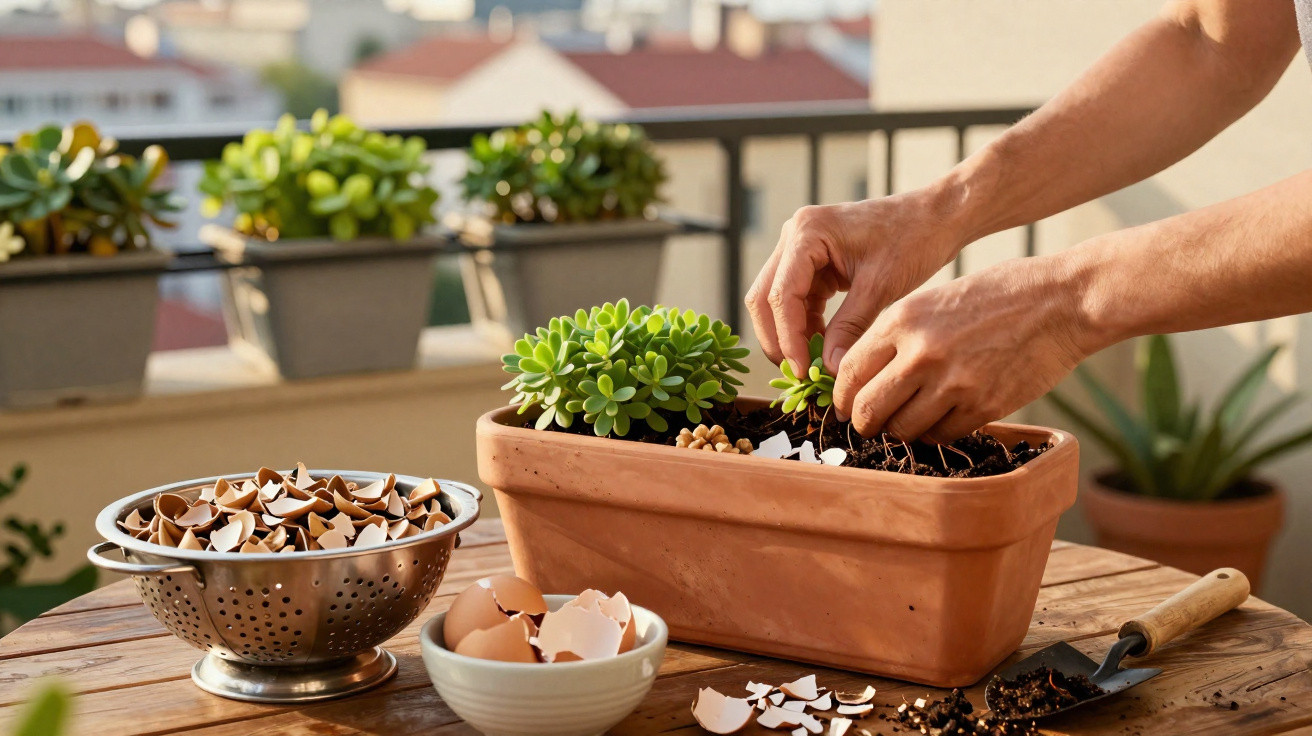
Many home gardeners also work finely crushed eggshells into the soil under the tree. Over time, these contribute a small amount of lime and trace elements and can help the root environment-particularly in very acidic soils.
Correct pruning reduces fungal pressure
If infected shoots are left on the tree, fungal spores remain in place for the following season. That is why consistent maintenance pruning is worthwhile.
A sensible approach:
- In late summer or autumn, cut back clearly affected, badly deformed shoots into healthy wood.
- Do not compost diseased leaves or pruning waste; dispose of them via general waste or your council’s garden-waste collection.
- Clean and disinfect secateurs regularly while pruning, especially after cutting heavily infected parts.
During hot summer periods, the fungus becomes less active anyway. The tree can then push out fresh leaves, even if the current year’s harvest is mostly lost. This new growth is the foundation for the next year’s blossom and fruit-so it deserves every bit of support.
How much copper is still acceptable in a garden?
Copper products are a traditional tool in fruit growing, but they are also debated. Copper breaks down only very slowly in soil and can accumulate over time. For that reason, home gardeners should use the lowest effective dose and only apply products that are approved for the purpose.
A practical approach is to treat copper as an “emergency brake” in particularly high-risk years, while fully using all cultural measures: resistant varieties, good general care, consistent pruning and strict leaf hygiene. The stronger you keep your peach tree, the less chemical protection it will need over the long term.
Practical examples from home gardens
In many gardens the pattern is similar: after two or three years without protection, the peach becomes almost bare and there is hardly any fruit. If copper hydroxide is then applied for the first time in autumn and sprayed again the following spring at exactly the right moment, infection usually drops noticeably. Often only a few deformed leaves remain-something the tree can cope with easily.
A particularly effective combination is:
- targeted copper sprays in autumn and spring,
- soil care that includes plenty of compost,
- a mulch layer to reduce drought stress,
- prompt removal and disposal of diseased shoots.
Anyone who follows these points often experiences their peach tree in a completely different way: less disease, more vigorous foliage and, over the medium term, a clear improvement in harvest quantity.
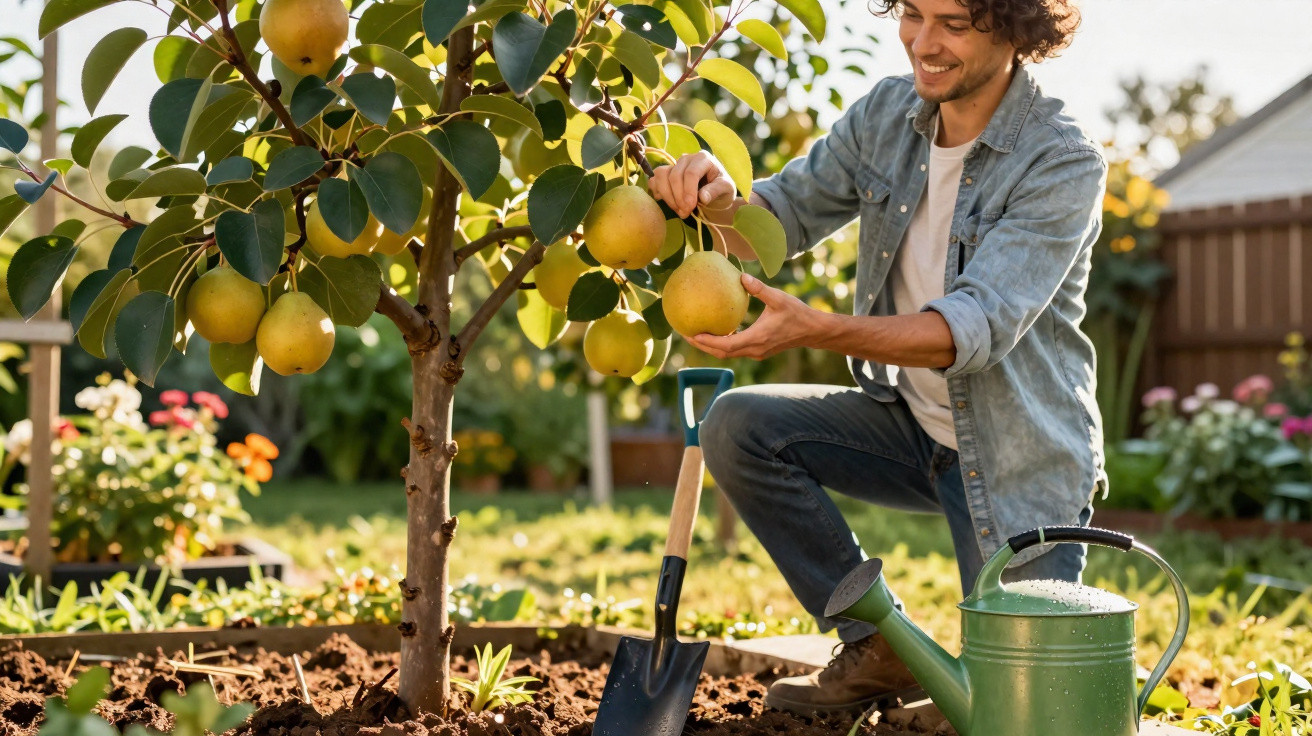
Leaf curl remains a serious opponent in the fruit garden. With well-timed use of copper hydroxide and thoughtful overall care, the fungus can be kept firmly in check-and the peach tree repays you with healthy leaves and richly flavoured fruit.

Comments
No comments yet. Be the first to comment!
Leave a Comment