
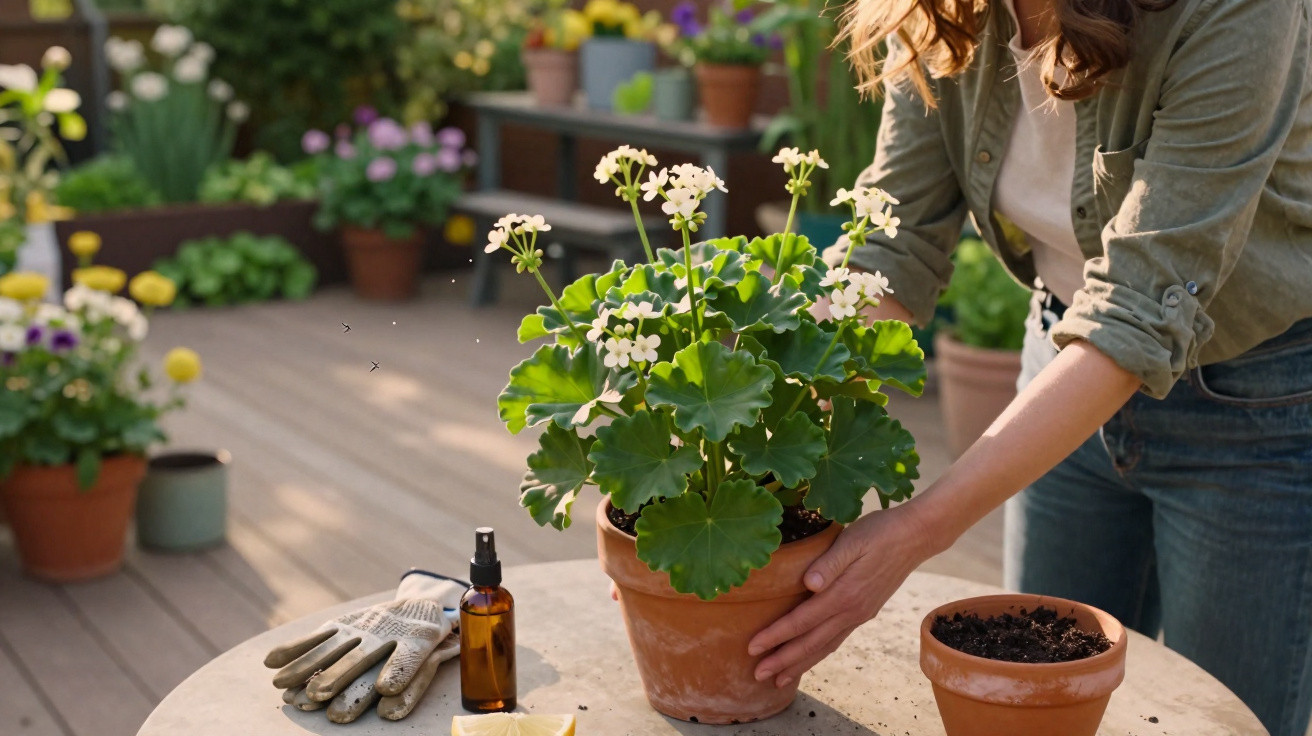
As the first mild days of spring arrive, it is not only barbecue season that begins - it is also peak time for bloodsuckers. Ticks sit in the lawn, and mosquitoes circle anything that glows. Many people reach straight for sprays and chemicals. Yet one modest plant on a patio or balcony can noticeably reduce the nuisance, without resorting to harsh products.
Why your garden suddenly becomes a tick and mosquito hotspot in spring
As soon as the thermometer climbs to around 10 to 15 °C, mosquitoes start to reappear. At first there are only a few in March or April, then by high summer they can seem to be everywhere - especially close to water and long grass. Ticks get going even earlier: from about 7 °C they become active, waiting for a host in lawns, hedges and wildflower strips.
A typical family garden gives them ideal conditions:
- slightly overgrown lawn and thick hedges that provide cover for ticks
- undergrowth or a semi-shaded strip along the fence
- saucers under plant pots with leftover water
- a water butt without a tight-fitting lid
- buckets or watering cans where rainwater is left standing
From our perspective, this all looks harmless. For ticks and mosquitoes, it is an all-you-can-eat spread - complete with a dog, a cat, children playing, and guests gathered round the barbecue.
"Even a small puddle in a plant-pot saucer is enough for mosquitoes to lay eggs - and just a few days later the next generation is buzzing around your garden table."
Plenty of garden owners respond by mowing the lawn extremely short and using chemical sprays. That can cut numbers in the short term, but it also strips the garden of structure and harms helpful insects such as bees and ladybirds. A much gentler approach is to use specific scented plants on purpose.
The underrated anti-tick and anti-mosquito plant: a lemony scent instead of toxic spray
One particularly interesting option is the lemon-scented geranium type (often sold as “lemon-scented geranium” or “lemon-scented geraniums”). Botanically, it belongs to the scented pelargoniums. These plants are less notable for their flowers and far more for their aromatic foliage.
Their leaves are deeply cut, a strong green, and release an intense lemon fragrance when touched. To us it smells clean and pleasant - to many insects it is disruptive. That is exactly why this plant is so useful for patios, balconies and seating areas in the garden.
The leaves contain, among other things, the fragrance compounds geraniol and citronellol. Both are also used in many shop-bought “natural” insect sprays. Laboratory and field trials suggest that high concentrations of geraniol can keep both ticks and mosquitoes at a clear distance.
"Studies show: geraniol can reduce the number of ticks that latch on by well over half - and similarly strong deterrent effects have been measured for mosquitoes."
Of course, the plant on its own is not a 100% guarantee of protection. What it can do, however, is create a kind of scented ‘interference zone’ around a patio or balcony. Insects land there less often, linger for less time, and move on more quickly.
How to position lemon-scented geraniums for maximum protection
In much of Europe, growing the plant in a pot is usually best, because harder frosts can damage it. If you place it cleverly, you can feel the difference - particularly on warm evenings.
The best spot in the garden or on a balcony
- Position: sunny to partially shaded, sheltered from wind
- Container: pot or tub with drainage holes
- Compost/soil: nutrient-rich, loose, well-draining mix
- Planting time: from March/April, as soon as there is no longer a risk of hard frosts
The plant works best when it is close to where you sit. Particularly effective placements include:
- a line of pots along the edge of the patio
- tubs next to the garden entrance door
- plants on low window ledges, for example by patio doors
- a large tub directly beside the outdoor dining table
Before an evening barbecue, you can rub a few leaves between your fingers to intensify the fragrance briefly. The released scent compounds then spread through the air layer around the seating area.
Using it on the body: what is allowed and where caution is needed
Many garden lovers instinctively rub a crushed leaf on their skin. That can work, but it can also cause issues for sensitive people. It is wiser to do small patch tests and take extra care with children.
- apply only a tiny amount first to an inconspicuous area
- watch closely for reactions such as redness, itching or stinging
- avoid direct skin contact if you have a known fragrance allergy
- with babies and toddlers, avoid applying essential oils directly wherever possible
If you want to use the plant’s active scent more intensively, many people turn to an essential-oil version from a pharmacy or specialist retailer. This must always be heavily diluted and never applied carelessly. Pregnant women, young children and pets in particular can react sensitively to concentrated fragrance compounds.
These additional steps make your garden far less mosquito-friendly
The strongest effect comes when you combine the plant with a few simple garden routines. That way, you remove key breeding and hiding places for bloodsuckers.
- Avoid standing water: empty saucers regularly, cover water butts, tip out watering cans when not in use.
- Do not let the lawn get too long: a medium-short lawn reduces tick hiding places without turning into a “golf-green wasteland”.
- Keep paths clear: trim grasses and shrubs along walkways so ticks are less likely to brush straight onto legs and dog fur.
- Use clothing wisely: on woodland walks, wear long trousers and closed shoes, and pull socks over trouser hems.
- Do a body check after being outdoors: after time in long grass, check skin and scalp carefully for ticks.
"Lemon-scented geraniums noticeably reduce the number of bites - and when combined with simple everyday routines, protection in the garden improves significantly."
What you should know about caring for lemon-scented geraniums
For the plant to develop its full fragrance strength, it needs a little attention, but it is not a diva. Regular watering is usually enough - just avoid waterlogging. During very hot summer weeks, it benefits from a daily check.
A liquid feed for flowering plants every two to three weeks supports growth and scent production. You can simply pinch off wilted leaves and flowers. If you want to keep the plant compact, trim back long shoots slightly - this also encourages bushier growth.
In autumn, as temperatures head towards freezing, bring the pots indoors or into a frost-free conservatory. A bright, cool spot at 5 to 10 °C is ideal. The following spring, the plant can start its protective season all over again.
How much can you rely on this natural protection?
The plant’s scent compounds do have an effect, but they are not a magic shield. On evenings with very heavy mosquito pressure, near larger bodies of water, or in genuine tick areas, plant power alone is usually not enough. In those situations, additional protection still makes sense - for example, long clothing or a tested repellent spray.
There is also a psychological benefit: many people feel more relaxed with a visible “protective plant” nearby and spend more time outdoors again. And that is the whole point of having a garden - sitting outside, breathing out, letting the children play, without constantly thinking about tick bites or itchy mosquito welts.
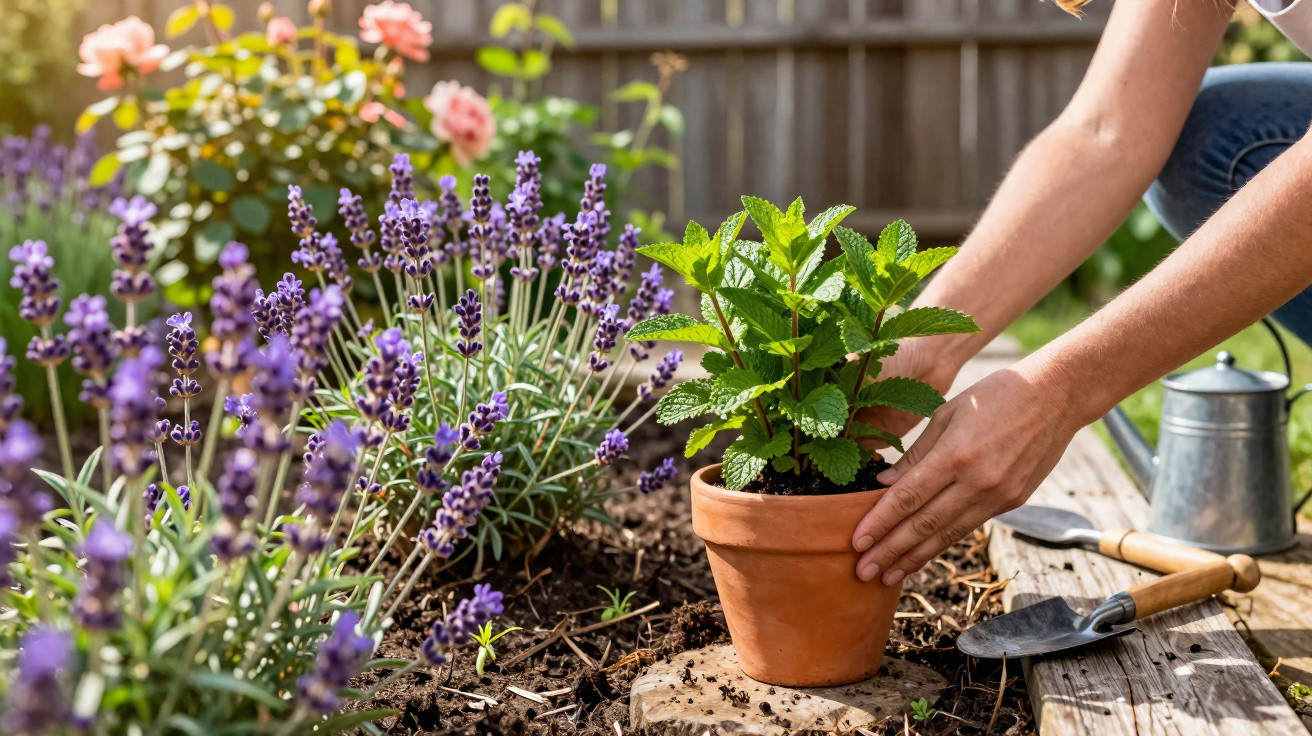
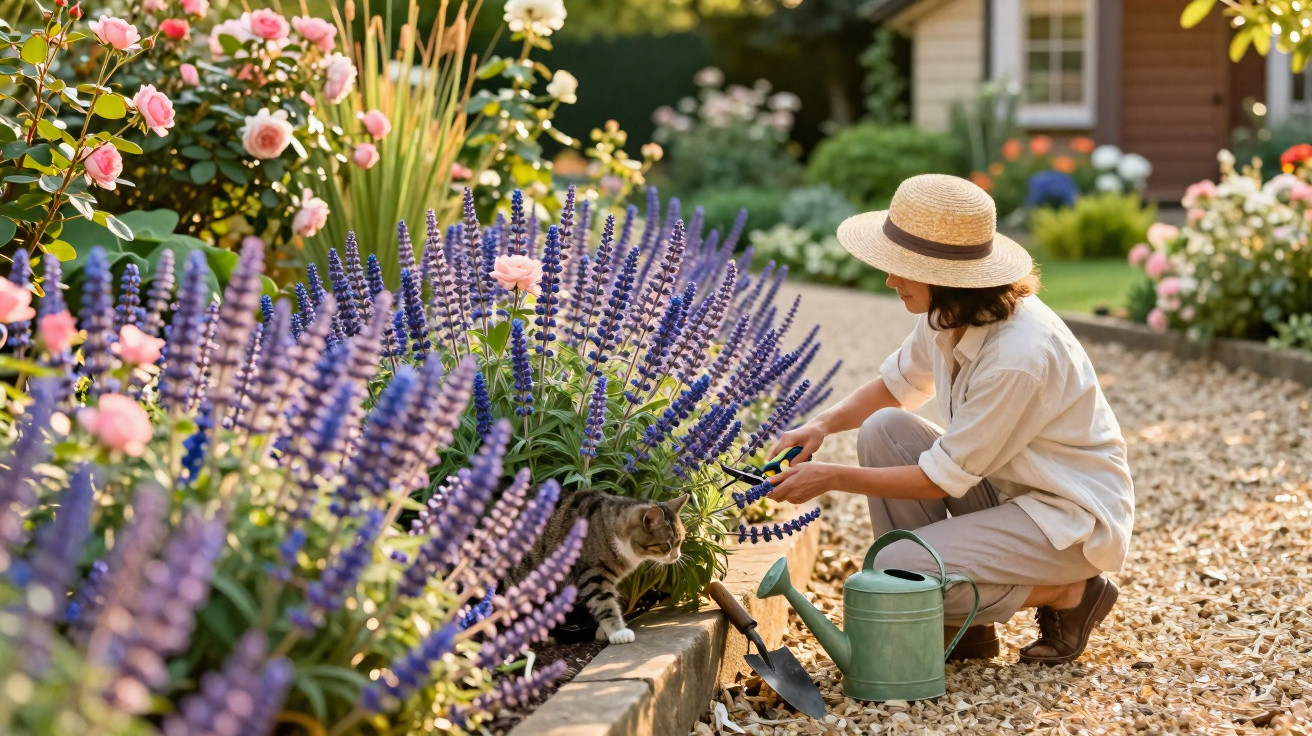
If you have the space, you can plant other fragrant companions around the lemon-scented geranium, such as lavender or certain types of sage. The mixed aromas disrupt many insects twice over, while also providing food for bees and bumblebees. This creates a garden that protects people without pushing out beneficial insects.

Comments
No comments yet. Be the first to comment!
Leave a Comment