
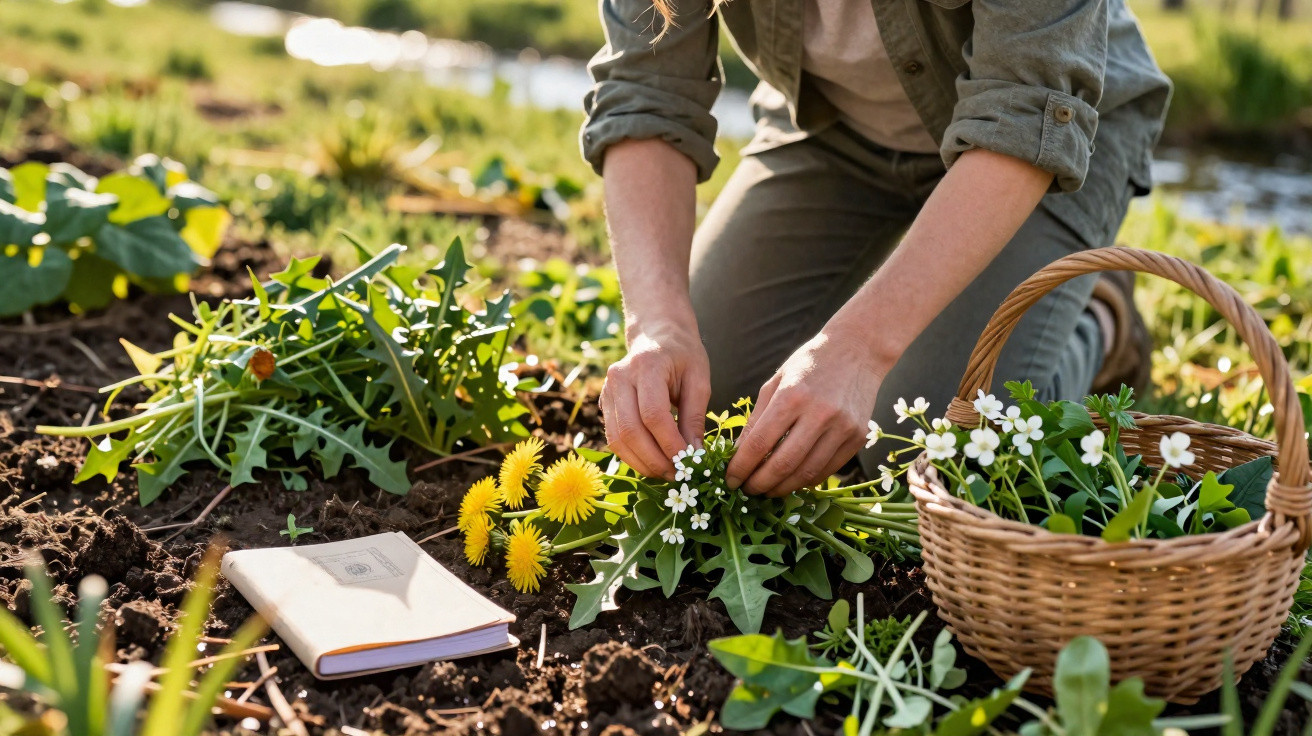
As early as March, the first edible herbs push up through cold soil and damp meadowland. If you head out now with your eyes open, you can bring home not only fresh greens for your plate but also an extra hit of vitamins after the darker months. A quick look in the right spots is often enough to top up your menu with free wild plants.
Early risers in the patch: which herbs are already growing
In the very early spring the pickings are still fairly modest, but that is exactly what makes foraging enjoyable. Plenty of plants get going now, even though the nights can still be frosty.
"Even a small handful of fresh wild herbs can turn a simple salad into a proper spring dish."
Typical March finds include in particular:
- Chickweed – tender and mild, ideal as a salad base
- Sorrel – pleasantly sharp; adds freshness to soups and dips
- Cleavers (bedstraw) – delicately aromatic; great in herb butter
- Dandelion – lightly bitter; perfect for detox-style salads
- Daisy – both flowers and leaves are edible; a pretty finishing touch for any dish
- Persian speedwell – tiny but edible; best used as a small addition
- Wall lettuce (Mauerlattich) – crisp, rounded leaves; ideal on sandwiches
- Watercress – hot and peppery; reminiscent of shop-bought cress
Many of these species, including chickweed and wall lettuce, can be found for much of the year. In March they really come into their own, especially in mild, sheltered spots. A few minutes of picking is often enough for a portion to go on a sandwich, into a herby quark-style spread, or alongside a small side salad.
Where to find the best spots in March
Most early spring herbs are not particularly fussy. Even so, it pays to search with intent rather than picking at random.
Garden, meadow, stream bank: typical habitats
- Vegetable beds and paths: chickweed, wall lettuce, daisies
- Damp meadows: cleavers, dandelion, sorrel
- Streams and springs: watercress (only harvest from clean water!)
- Partial shade under shrubs: lesser celandine, early cleavers species
Steer clear of busy roads, dog-walking fields, and field edges that are heavily sprayed. Away from those areas, parks, allotments, and open woodland paths can offer a surprising number of edible plants in March.
How to spot fresh, edible new growth
Young leaves are usually softer, paler, and less likely to have been nibbled by insects. For cooking, prioritise:
- leaves without spots or chew marks
- plant parts from clean areas (not right at ground level beside paths where dogs often roam)
- only what you will genuinely use within the next day or two
"Golden rule when foraging: only use plants you can identify beyond any doubt – if you are unsure, leave it."
Chickweed, dandelion & friends: spring vitamins for free
Chickweed – the understated ‘super herb’ in the lawn
Chickweed spreads in dense mats across beds and lawns. Many gardeners treat it as a nuisance, yet it is entirely edible and pleasantly mild. Flavour-wise, it is a little like young spinach or lettuce.
You can use:
- the shoot tips in salads or on sandwiches
- finely chopped in a herby quark-style spread
- briefly wilted in a pan as “wild spinach”
Use scissors or a knife to snip the top growth. That approach is gentler on the plant and allows it to regrow quickly.
Dandelion – bitter compounds for a spring cleanse
In early spring, dandelion leaves are still relatively mild; later in the season they become much more bitter. Those bitter compounds can stimulate digestion and are often used for a short spring cleanse.
Popular options include:
- salads made with part dandelion and part milder salad leaves
- pesto from young leaves, nuts and oil
- crisp, battered dandelion flowers (sometimes possible as early as March, depending on the region)
Sorrel and watercress – a freshness boost for soups and dips
Sorrel brings a natural tang that can feel similar to lemon. It works well in potato soup, omelettes or herb sauces. Watercress prefers flowing, very clean water. Its peppery heat is excellent on eggs, in sandwiches, or blended into smoothies.
| Herb | Taste | Typical uses |
|---|---|---|
| Chickweed | mild, slightly nutty | salad, sandwich topping, herby quark-style spread |
| Sorrel | sour, fresh | soups, sauces, herb butter |
| Dandelion | bitter, robust | salad, pesto, spring cleanse |
| Daisy | mild, lightly astringent | garnish, salad, herb salt |
| Watercress | hot, peppery | sandwich topping, dips, smoothies |
Two early bloomers that need extra care
Alongside the easy, everyday herbs, March also brings up plants that are edible or have a history of medicinal use, but come with clear limits. Two that often appear early are lesser celandine and coltsfoot.
Lesser celandine – a vitamin-rich plant with a catch
Lesser celandine emerges extremely early. Its heart-shaped, glossy leaves shine bright green, often in semi-shaded places in gardens, scrub, or at woodland edges. In the past it was valued as an important source of vitamin C against scurvy.
Today, specialists advise caution:
- use only before flowering
- keep to small amounts in salads and herb spreads
- avoid the flowers and buds
"Lesser celandine can form protoanemonin – a compound that can cause gastrointestinal upset in larger amounts."
As soon as yellow flowers appear, it is time to stop using it in the kitchen and leave the plant alone. After that point, the risk of nausea or diarrhoea rises noticeably.
Coltsfoot – a traditional cough remedy with risks
Coltsfoot is one of the first yellow flashes of the year, often appearing from February onwards. A key feature is that the flowers show before the leaves. Traditionally, coltsfoot has been used for coughs and irritated mucous membranes because it is thought to loosen mucus and reduce inflammation.
The downside is that coltsfoot contains pyrrolizidine alkaloids. These natural plant defence compounds can put strain on the liver in high doses and are suspected of increasing cancer risk over the long term. The flowers typically contain higher levels than the leaves.
If you want to be on the safe side, do not gather coltsfoot for homemade tea; instead, use strictly controlled pharmacy products if needed. There, the content and instructions are clearly regulated. Even then, the same rule applies: do not use it for more than a few days in a row.
How to make your March foraging safe and successful
Many beginners wonder how to start without making mistakes. A few straightforward rules help.
- Only collect plants you can identify with certainty
- Leave part of each plant behind so it can recover
- Do not harvest from fertilised or sprayed areas
- Wash herbs thoroughly at home
- Start with small amounts to test tolerance
A field guide or a good app can support you at the beginning, but it is no substitute for careful observation. The safest way to learn is to take your time, revisit the same spots regularly, and follow how the plants change over the weeks.
Why wild herbs in March are so valuable
In late winter the body often feels drained: lots of indoor heating, little fresh veg, and hardly any sunlight. Young wild herbs can provide a surprisingly concentrated mix of vitamins, minerals, secondary plant compounds and chlorophyll.
Bitter compounds from dandelion or cleavers can stimulate the liver and gallbladder. Vitamin C is plentiful in watercress, sorrel and lesser celandine (provided it is used cautiously). Daisies add not only colour but also mild tannins, which may soothe the stomach and mucous membranes.
People who regularly add small portions to everyday meals - for example, sprinkling a few fresh leaves over an evening sandwich - often notice more energy and improved digestion after a few weeks. Variety matters: the more different species you know, the more diverse and balanced your green “home apothecary” becomes, right on your doorstep.
Practical kitchen ideas using March herbs
With just a few simple steps, you can turn your finds into everyday meals. Three examples:
- Spring sandwich: mix cream cheese with chopped chickweed, sorrel and daisies, season lightly with salt, then spread on bread.
- Green frying pan: fry cooked potatoes; at the end, fold in a handful of mixed herbs, let them wilt briefly, then set with an egg.
- Wild herb salad: combine dandelion, chickweed, daisies and a little garden lettuce; dress with a sweet-and-sour mix of oil, apple cider vinegar and honey.
If it grabs you, you can build it up step by step: a small raised herb bed at the edge of the veg plot, a regular collecting loop around your neighbourhood, or a notebook where you record locations and picking times. What starts as the odd handful here and there gradually becomes confident familiarity with local plants - and March is an ideal time to begin.
Comments
No comments yet. Be the first to comment!
Leave a Comment