
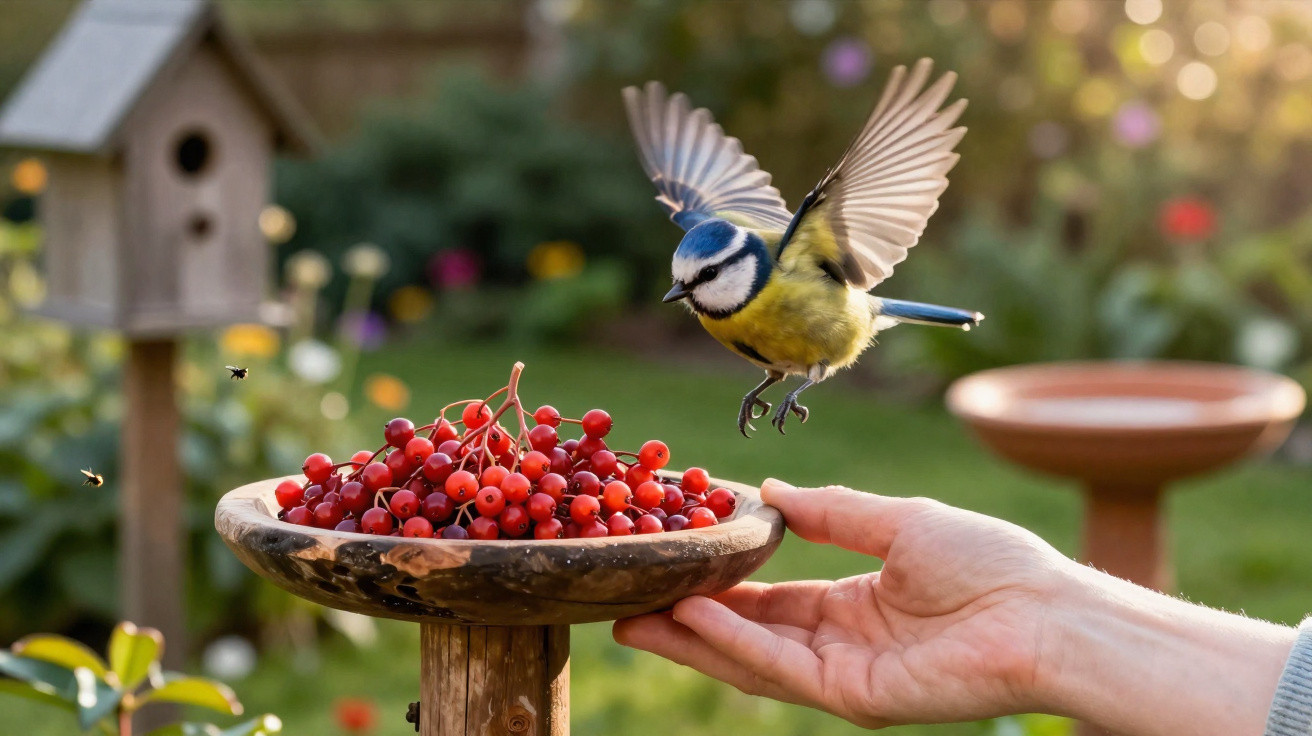
…without realising that a natural helper right on the doorstep is simply waiting to be invited in.
When people prepare their beds in spring, they usually think about seeds, fertiliser and perhaps beneficial insects such as ladybirds. One animal is still underestimated surprisingly often: the tit. With a simple trick and a specific fruit offering, you can tempt these small birds into your garden - where they’ll thoroughly hunt down pests.
Why tits are so valuable for the garden
Tits are among the most industrious insect hunters in our gardens. Blue tits and great tits, in particular, find much of their food directly on shrubs, fruit trees and vegetable plants. They pluck off caterpillars, aphids and other small insects before these can strip plants bare.
"A family of tits can gobble up several thousand insects in a single breeding season - free plant protection included."
In wildlife-friendly gardens where you want to avoid poisons, these birds are a crucial part of a stable balance. Where lots of tits are active, common nuisance insects spread far less. For home gardeners, that means healthier roses, fewer nibbled vegetables and far less hassle with sprays.
This fruit makes tits almost magically attracted
During frosty spells, or on wet, cold days, birds often struggle to find food. Insects hide away, spiders sit deep in crevices, and many seeds have already been eaten. That’s exactly when a little feeding boost in the garden helps - especially when it’s an energy hit in the form of berries.
Tits are keen on sugary fruit that delivers quick energy. Particularly suitable options include:
- Elderberries (ideally dried, or frozen then thawed)
- Rowan berries from the rowan tree
- Juniper berries (offer sparingly, not in large quantities)
These fruits provide readily available calories and are a useful supplement when other sources of food are scarce. If you put them out in a sheltered feeder, you greatly increase the likelihood that tits will remember your garden and keep coming back.
"Berries are like a quick energy bar for tits - ideal in the colder months, when every calorie counts."
Feeding in moderation: when and how to offer berries
Bird conservationists recommend focusing feeding mainly on autumn and winter. As soon as spring is properly under way and insects are plentiful again, tits can find what they need naturally. At that point, berries and other extras should be reduced gradually, so the birds continue actively hunting insects.
How to set up an attractive feeding station
- Location: Partly sheltered, not directly on the ground, with a clear flight path and some cover from bushes.
- Containers: A sturdy feeder or a shallow dish that’s easy to clean.
- Mix: Combine berries with sunflower seeds, chopped nuts or specialist tit fat balls.
- Hygiene: Remove leftovers regularly to prevent mould.
If you already have the right shrubs in your garden, you can partly do without artificial feeding. Elder, rowan and native wild roses naturally produce plenty of berries that draw birds in during late autumn and winter.
How tits keep pests under control
The biggest benefit shows up in spring and early summer, when the birds are feeding young. Their need for protein-rich food rises sharply - and tits go after anything that crawls or wriggles.
Typical prey in the garden includes:
| Pest | Damage in the garden | Role of tits |
|---|---|---|
| Aphids | Weaken shoots, spread diseases | Pick colonies off leaves and buds |
| Caterpillars | Eat leaves, can strip fruit trees | A main food source for nestlings |
| Small beetle larvae | Harm roots and young plants | Pulled from crevices and near-ground areas |
Caterpillars of winter moths and other butterflies are often especially troublesome, as they can damage entire fruit trees. While raising their chicks, a single tit family can destroy thousands of caterpillars. For apples, cherries and the like, that’s a substantial layer of protection.
How to turn your garden into a safe tit zone
If you want the birds to settle long-term rather than just dropping in for a quick “snack”, food alone isn’t enough. They also need water, secure nesting sites and protection from predators.
Water source, nest box, habitat
- Water: Shallow dishes or small basins filled daily with fresh water for drinking and bathing.
- Nest boxes: Dedicated tit boxes with an entrance hole around 28 mm in diameter, keeping larger birds out.
- Planting: Dense hedges, shrubs and a mix of flowers, herbs and native trees that support insect diversity.
Nest boxes should be hung about 2–3 m up, out of direct scorching sun and ideally sheltered from rain. A slight turn towards the east is often considered best, because it usually keeps out driving rain and strong winds.
Dangers to tits: from cats to magpies
Many tit populations suffer from predators. Domestic cats are among the biggest threats. They ambush at ground level, climb trees and can take young birds from poorly protected nests. Some corvids, such as magpies, also raid nests from time to time.
"If you put up nest boxes, you’re taking on responsibility - safety matters just as much as food."
A few straightforward measures can help:
- Put nest boxes up where cats cannot easily reach them.
- If needed, fit smooth collars around trunks to make climbing harder for cats.
- If there are lots of crows or magpies around, choose boxes with a smaller entrance hole.
- Don’t scatter open food on the ground, as this can attract larger birds.
Some gardeners deter corvids with traditional scare tactics such as reflective tape, old CDs or strips of metal that catch the sunlight. These moving flashes often put wary birds off, while tits quickly get used to them.
More benefit from a wildlife-friendly garden
Planting berry-bearing shrubs delivers two benefits at once: people harvest some of the fruit, and the rest remains for birds as natural feed. That creates a long-lasting cycle. At the same time, more insects arrive - which in turn means more food for tits.
Good choices include, for example:
- Black elder in a sunny spot
- Rowan as a small house tree
- Hedges made from native shrubs such as blackthorn, dog rose and privet
If you also avoid pesticides, you support insect diversity and don’t remove the birds’ food supply. Tits make the most of this abundance to raise strong young - and the garden benefits directly from reduced pest damage.
Practical tips to get started
If you want to begin straight away, a simple plan for the next season is enough:
- Buy and put up one or two nest boxes for tits now.
- Plant an elder or rowan shrub in autumn.
- Offer berries and bird-friendly feed through the winter.
- Reduce garden poisons consistently to protect beneficial wildlife.
Step by step, you’ll build a garden that not only looks good but also works effectively. Tits become regular residents that keep pests under control year after year. The small “investment” in a few berries pays off several times over - in healthier plants, lively birdsong and a little more nature right outside the patio door.
Comments
No comments yet. Be the first to comment!
Leave a Comment