
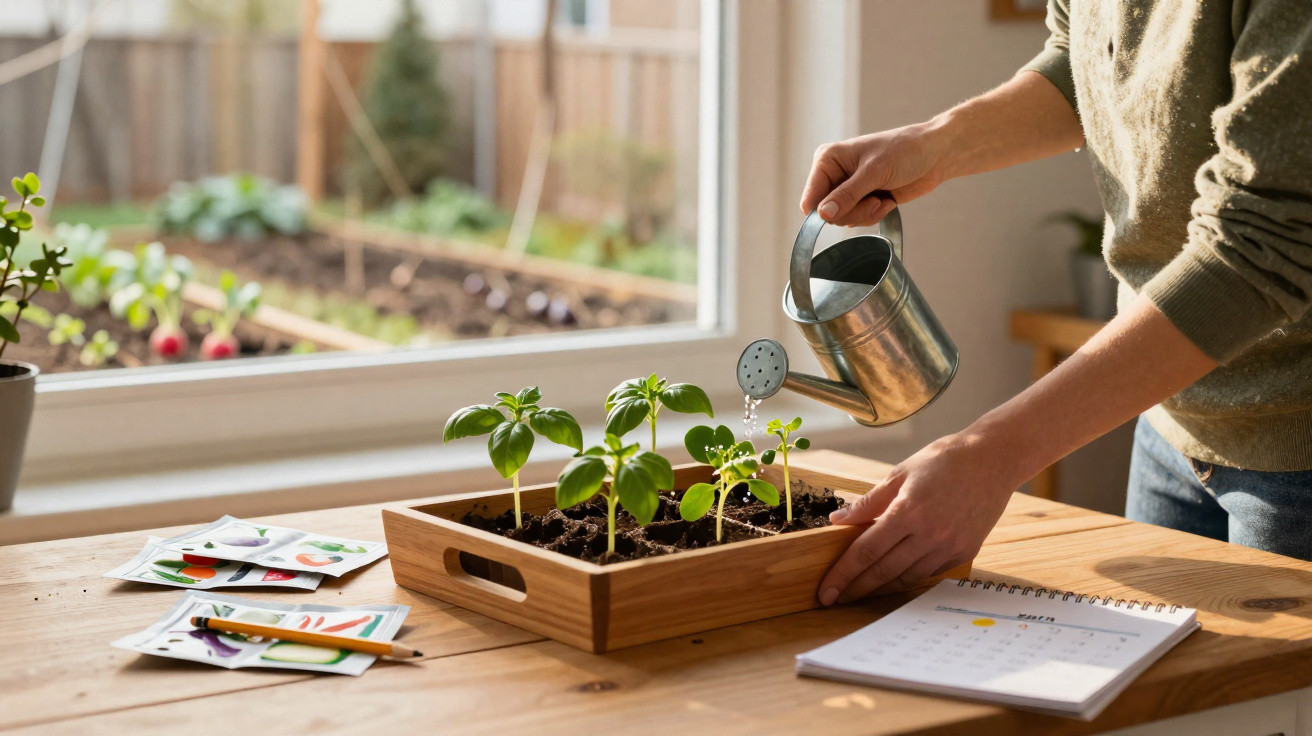
Plenty of hobby gardeners dutifully wait until mid-May before getting started - then later wonder why the harvest is disappointing. If you begin in March with a handful of simple, proven crops, you give your plants weeks of extra growing time and set yourself up for a summer of crisp radishes, fragrant tomatoes and plump peppers.
Why March decides your summer vegetable garden
Early spring is the base layer for the entire season. In these weeks you effectively decide whether your plants will crop strongly in high summer or lag behind at a snail’s pace. If you push everything back to the post-frost period, you throw away valuable time.
"If you sow in March, you give your plants up to six extra weeks of growth - a huge advantage for flavour, yield and resilience."
Plants that get away early develop stronger root systems, reach further down into the soil, and that brings several clear benefits:
- They cope better with heatwaves because they can draw water from deeper layers.
- They ride out aphid attacks or fungal diseases more robustly.
- They need far fewer chemical aids.
The key is not to sow “everything” on impulse, but to focus on the crops that gain the most from an early start.
How to reliably wake seeds at the end of winter
The three essentials for dependable germination
For seeds to spring into life reliably, they need a simple trio: warmth, steady moisture and enough light. If one element is missing, many varieties either germinate sluggishly or go mouldy.
For sowing, everyday household items are often enough: empty yoghurt pots, old plant pots, cardboard fruit trays. What matters is a loose, fine compost that won’t smother roots. Special seed compost from a DIY store or garden centre is ideal because it’s low in nutrients and has a good structure.
Moisten the compost before sowing until it’s evenly damp but not dripping wet. That way, fine seeds spread more easily and don’t end up stuck in dry patches.
The right spot in the house
Many sowings do perfectly well on a normal bright windowsill. A south-facing window is ideal; east- or west-facing can also work, as long as the room stays above 18 degrees. Avoid direct heat from a radiator underneath - it dries pots out far too quickly.
If you don’t have a genuinely bright spot, a simple LED grow light can fill the gap. It costs less than a large tray of professionally raised plug plants and can be used for years.
Warmth-loving classics: what needs to start indoors
Tomatoes, peppers and aubergines need living-room temperatures
Tomatoes, peppers and aubergines are the undisputed stars of the summer vegetable garden. And these “sun-lovers” suffer most if you start them too late or put them into cold soil.
"Tomatoes, peppers and aubergines should be started indoors from early to mid-March - they’re happiest at around 20 degrees."
Proceed like this:
- Fill a shallow tray or small pots with seed compost and moisten it.
- Sprinkle seeds thinly, press them in lightly and cover only with a very fine dusting of compost.
- Mist with a spray bottle rather than watering - otherwise the seeds will wash away.
- Cover with film or a clear lid until the first seedlings appear.
- Then remove the cover straight away to prevent mould, and place them somewhere very bright.
If young plants don’t get enough light, they stretch upwards, become thin and topple easily. Better slightly cooler but as bright as possible - that’s how you get sturdy, compact plants.
Basil: summer flavour belongs on the windowsill
Tomatoes without basil are like a barbecue evening without a barbecue. The good news is that basil wants similar conditions and can be started at the same time as tomatoes.
Sow basil thickly in trays or pots on the windowsill. Press the seeds in gently and don’t cover them with a heavy layer of compost - basil likes to germinate in the light. Keep the compost consistently slightly damp and avoid waterlogging. After a few weeks you’ll have dense green clumps that can later be moved into larger pots or planted out.
Direct sowing in the bed: the tough ones for March soil
Radishes and carrots: the smart duo for loose soil
As soon as the soil is no longer soaking wet and can be crumbled in your hand, the outdoor season really begins. Radishes are perfect pace-setters here. They grow extremely fast and loosen the soil around slower neighbours.
"Mixing radishes and carrots in a single row uses the space efficiently and improves soil structure - without a spade."
Radishes germinate quickly; carrots like to take their time. While radishes can be on your plate after four weeks, the carrots underneath have quietly been building roots. The radishes leave small gaps behind, making it easier for carrot roots to expand.
| Crop | Start outdoors | First harvest |
|---|---|---|
| Radishes | mid to late March | from late April |
| Carrots | mid to late March | from June |
Peas and spinach: early starters that enjoy the cool
Peas and spinach are among the crops that aren’t bothered by cool nights. In fact, they don’t like too much heat at all - which is exactly why they suit early spring so well.
It’s best to sow peas along a fence, a piece of mesh, or even simple twiggy sticks pushed into the ground. The plants climb upwards and make use of vertical space. Spinach can be sown broadcast - scatter the seeds loosely over the area and lightly rake them in.
Both crops cover the ground quickly. That helps prevent the soil drying out, suppresses some weeds, and gets the first vitamins onto your plate fast.
How seedlings get through the delicate early stage
Watering and thinning correctly: less is often more
Newly emerged seedlings don’t cope well with stress. Too much water can make them collapse or rot, and a heavy splash from a watering can can tear roots.
"A simple mister is the best ‘tool’ for young seedlings - it dampens gently without churning everything up."
Another task many people find difficult is thinning. If too many seedlings are packed together, they compete for light, water and nutrients - and then all of them stay weak.
Step in early and remove the weaker plants consistently. What remains is fewer plants, but much stronger ones - with more air circulation and therefore less disease pressure.
From indoors to outdoors: harden off properly, not with a shock
Moving from the living room to the garden can be a real culture shock for young plants. Indoors there were no gusts of wind, no cold nights and no blazing midday sun.
To acclimatise plants to outside conditions:
- For a few days, put them outside only during the day in a bright spot that isn’t full sun.
- Bring them back in during the evening while nights are still very cold.
- Increase the time outdoors a little each day.
- After about ten days, robust plants can stay in the bed permanently.
This settling-in period makes stems and leaves tougher. Later on, plants are less fazed by wind or sudden drops in temperature.
How March effort pays off from spring to late summer
Plan a harvest chain from spring to high summer
If you sow wisely in March, you can harvest almost continuously:
- Radishes and spinach go into salads by late spring.
- Peas provide crisp pods from late May into June.
- From June, tomatoes, peppers and aubergines follow - often through to the end of August.
That creates a genuine “wave of harvests” rather than a single short peak. It also makes cooking easier, because not everything ripens at once.
With succession sowing and mulch for lasting abundance
Experienced gardeners swear by succession sowing: instead of sowing one large batch in one go, they add a new row every two to three weeks. That way, plants are always at different stages and there’s a steady supply.
Mulch is another dependable route to stable yields. A layer of grass clippings, shredded prunings or straw keeps the soil moist, protects it from overheating and supports soil life. Especially in hot summers, it cuts watering dramatically and helps plants cope better with stressful days.
Extra practical tips for a relaxed March garden
Use small spaces cleverly - including on a balcony
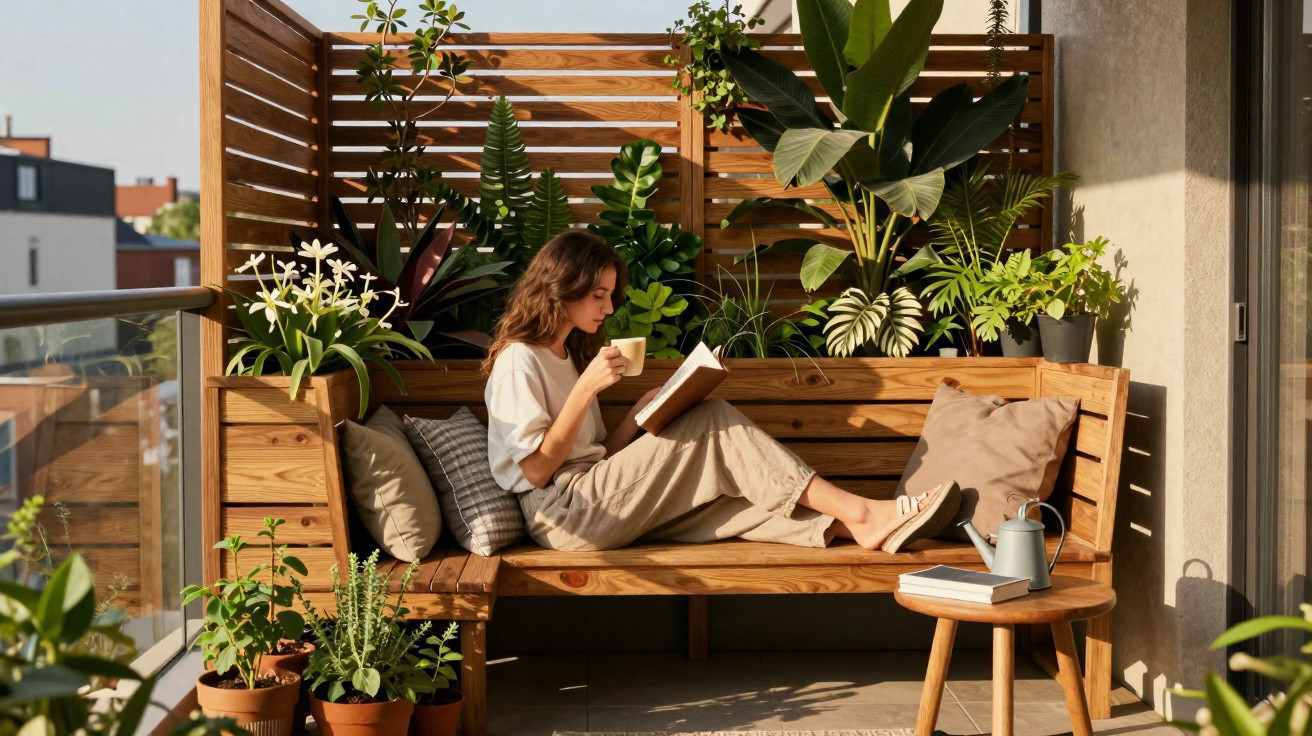
These March crops aren’t limited to large gardens. Tomatoes, peppers, basil and even peas grow very well in containers. The essentials are sufficiently large pots and regular watering.
Radishes and spinach also work in window boxes, provided the compost is deep enough. If you stagger sowing dates, you can pick fresh sides for weeks from just a few metres of balcony railing.
Mistakes you can avoid
Common March pitfalls are easy to sidestep:
- Sowing too thickly - fewer seeds usually means stronger plants.
- Heavy, waterlogged soil in the bed - wait until it’s no longer smeary before you sow.
- Putting germinating pots somewhere too dark - that leads to long, unstable growth.
- Planting out without hardening off - this can cause sun scorch and a growth check.
If you keep these points in mind and start a few classic crops in good time in March, you’ll often discover for the first time just how productive even a small vegetable garden can be - without exotic varieties or expensive specialist kit.

Comments
No comments yet. Be the first to comment!
Leave a Comment