
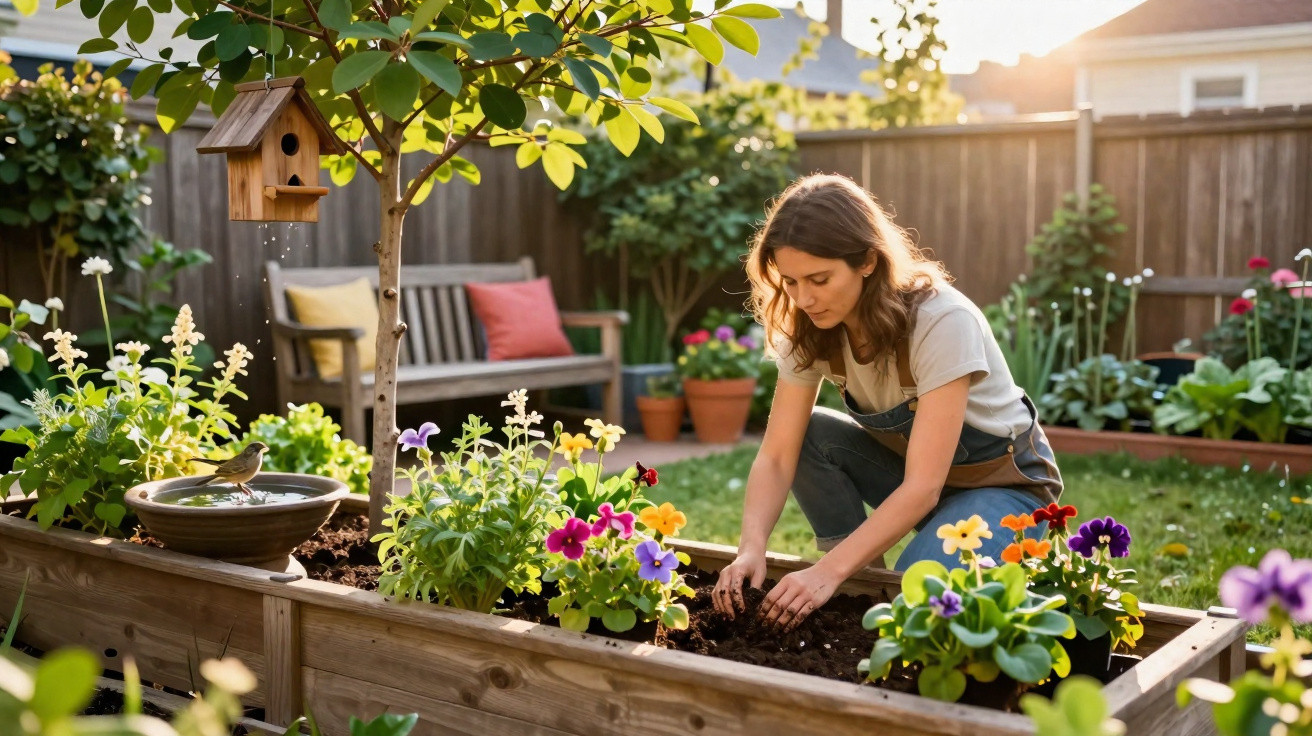
Colourful bird feeders pop up in gardens everywhere, yet plenty of species either ignore them entirely or visit only briefly. Look a little closer and a pattern appears: birds settle where they can find everything they need to survive-cover, food and water. With a handful of well-chosen plants and a few straightforward additions, almost any garden can become a small bird haven, without gadgets or expensive kit.
Why artificial feeding stations often disappoint
Seed tubes and silo feeders seem like an easy win: hang one up, pour in grain and wait for the action. In practice, visits are often sporadic. Once the food runs out-or the seed goes stale-the garden quickly goes quiet again. What is more, standard seed mixes tend to suit only a limited number of species, while insect-eaters and birds that rely on berries are largely left out.
"A wildlife-friendly garden provides varied food all year round-without constant topping-up, and with far greater species diversity."
Many native birds prefer to forage naturally: along twigs, within shrubs or down on the ground. They take berries, seeds, insects and spiders-exactly the kind of menu a living, planted garden can supply. If you rely solely on feeders, you are often treating a symptom rather than the underlying problem: a lack of suitable habitat.
Three berry shrubs that turn any garden into a bird buffet
Living food instead of plastic feeders
The biggest single improvement is simple: grow fruiting shrubs. Just three carefully selected species can make even a small garden feel like a proper bird restaurant. They offer more than food, too-they create shelter and potential nesting spots.
Species that are especially popular with tits, robins, blackbirds and many others include:
- Rowan (mountain ash): vivid red berries in late summer and autumn, plus flowers that support insects.
- Elder (black elder): a springtime draw for insects, followed by heavy clusters of berries in late summer.
- Dog rose (wild rose): rosehips as winter food, with thorny growth that provides safe cover.
Privet, hawthorn, Cornelian cherry and firethorn are also proven favourites. The more native species you mix, the more evenly food is spread across the year.
How birds use shrubs through the seasons
A well-planned belt of shrubs functions like a natural calendar. In spring, blossoms attract insects, which then provide crucial protein for nestlings. In summer, the first berries arrive; autumn brings a full spread of fruit. Many shrubs hold on to their fruit well into winter.
| Season | Benefit for birds |
|---|---|
| Spring | Insects drawn to flowers; nesting opportunities within dense branching |
| Summer | Insects and spiders; first berries; cover for fledglings |
| Autumn | Abundant berries as energy reserves before cold weather and migration |
| Winter | Late fruit and buds; sheltered roosting places within the branches |
If shrubs are not cut back too hard, they develop thick, sheltered pockets with plenty of hiding places. That is exactly where birds retreat when the weather turns or danger appears.
Without a safe refuge, birds won’t stay
Why a dense hedge is vital
Food may attract birds, but they remain only when they feel secure. Cats, birds of prey and mustelids are just some of the predators they have to watch for. A dense hedge-or a slightly untidy strip at the edge of the plot-can act as a life-saving refuge.
"A hedge belt that feels impenetrable to predators is to birds what a bunker would be to people: a place of safety when it matters."
Leave at least one part of the garden deliberately “messy”:
- Avoid cutting shrubs back hard every year
- Include thorny species such as blackthorn or wild roses
- Leave some fallen leaves in autumn instead of raking everything up
This creates a layered area with low cover, mid-height shrubs and taller branches. Birds value this structure because they can move quickly between levels, while predators struggle to follow.
Winter shelter in your own garden
Winter is the real test of whether a garden is genuinely bird-friendly. Bare fencing and cleared beds offer little protection from wind, damp and cold. A thick hedge works like an insulating wall, with milder conditions inside.
Birds tuck themselves into protected corners, fluff up their feathers and conserve energy. Sparrows, tits and robins in particular use these “roosting spots”. If you go easy with late-summer trimming, you effectively provide a natural bedroom.
No water, no life: the simple bird bath
Drinking and bathing-essential, yet risky
When people think about helping birds, they often think first of food, but forget the second basic need: water. Birds must drink and keep their plumage in good condition. Regular bathing cleans feathers, helps remove parasites and maintains insulation.
A shallow dish is entirely sufficient:
- Diameter of around 25–35 cm
- Water depth of no more than 5 cm
- A few stones or a rough surface to give secure footing
Choose a spot with good visibility so predators cannot creep up unseen, but keep it close to shrubs so birds can dart into cover if needed.
Low-effort upkeep
"Clean water saves more birds than any expensive designer bird bath-provided it stays clean."
Algae, droppings and leftover food can encourage pathogens. The better routine is to empty the dish regularly, scrub it with a brush and refill with fresh water. Chemical cleaners do not belong in a bird bath. In most cases, a simple rinse with clean water is enough.
During hot spells, topping up daily is worthwhile. On frosty days, lukewarm water can help-though it may freeze again quickly, it still provides a short window for drinking. Never use salt or anti-freeze products.
How it all comes together into a bird paradise
Three building blocks, one strong result
If you plant berry shrubs, allow a dense hedge to develop and provide a simple water source, you meet the core needs of most garden and urban birds: food, safety and water. It is this combination that makes birds do more than just drop in-they start using the garden as a regular base.
- Food: berries, seeds and insects supported by native plants
- Safety: hedges, shrub islands and slightly wild corners
- Water: a shallow, clean dish for drinking and bathing
Once these basics are in place, you can still add occasional feeding as a supplement-for example during severe frost. The garden will not become dependent on bought-in seed, because it largely supports itself.
More wildlife in the same space
A wildlife-friendly garden benefits more than birds alone. Where berry shrubs thrive, insects move in; hedgehogs find food among the leaf litter; lizards take advantage of sunny stone edges. The whole plot starts to behave like a small ecosystem, with each part reinforcing the others.
For children and adults alike, it becomes a living learning space: the first insects appear in spring, fledglings beg from within the shrubbery in summer, and in autumn whole groups gather to feed on berries. The garden suddenly feels richer and more varied-without needing any extra space.
Practical tips for getting started
Step by step to a bird-rich garden
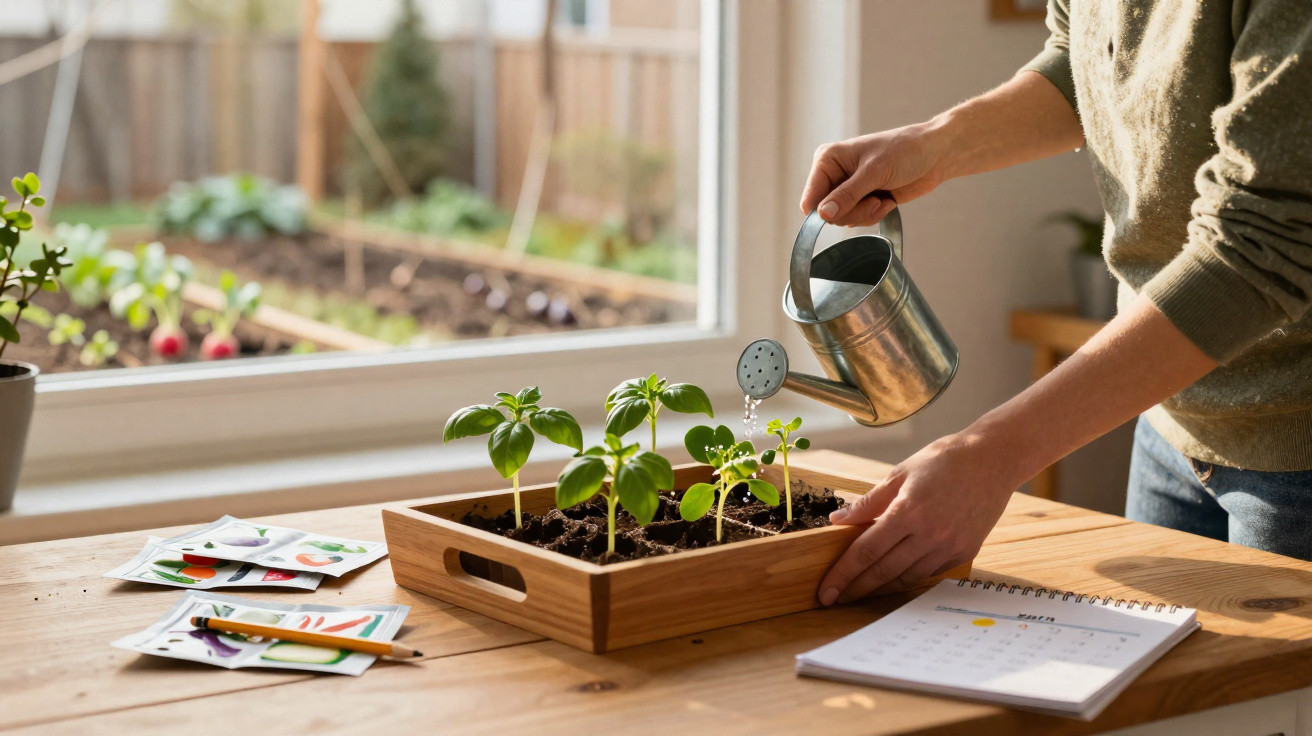
If you do not want to overhaul everything at once, start small:
- Plant two or three native shrubs along an existing section of fencing.
- Choose one corner where leaves and dead wood are allowed to remain.
- Set out a sturdy bowl as a water source and check it regularly.
Often within a year you will notice more species appearing-and staying longer. With every added shrub and each untrimmed corner, the garden becomes more attractive to visiting birds.
If you are unsure which plants suit your local area, ask at local nurseries or nature conservation groups. They can recommend site-appropriate species that are hardy, low-maintenance and highly valued by birds.

Comments
No comments yet. Be the first to comment!
Leave a Comment