
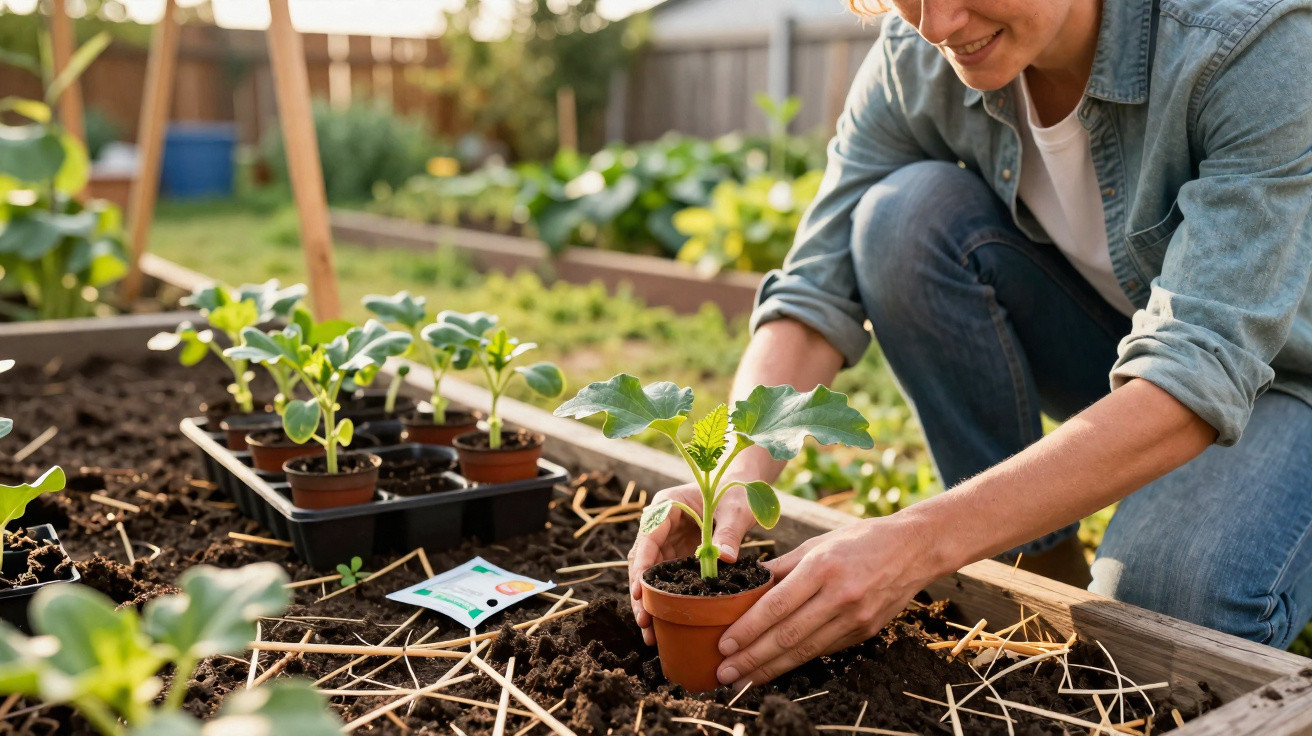
Many amateur gardeners don’t pick their first home-grown zucchini until high summer - professional vegetable growers say that wait is completely avoidable.
With a bit of forward planning - and by changing one small but decisive step - you can often start harvesting zucchini as early as mid-June. Professionals aren’t relying on expensive kit for this; instead, they use a straightforward approach involving seedling pots, warmth, and a gentle transition to outdoor conditions.
Why starting in pots gives you weeks’ advantage
Zucchini originate from warmer climates, so they’re quick to sulk in cold soil. A common mistake is sowing straight into the bed and then wondering why nothing seems to happen for ages. In April, the ground is often still too chilly: seeds either germinate very slowly or can even rot.
"If you raise zucchini in warm conditions in pots, you begin the gardening year with a head start of several weeks."
When the plants are already putting on strong growth indoors, they avoid that risky spell in cold, wet ground. They go into the bed in better shape, flower sooner - and that means they also set fruit earlier.
The right preparation: compost, pots, timing
Which compost actually works?
For zucchini, a fine, loose seed compost tends to deliver the most reliable results. It contains fewer nutrients, but it stays airy - which encourages roots to actively grow and branch out.
- Use a light, structure-stable seed compost.
- Don’t fill pots with heavy garden soil.
- Avoid waterlogging at all costs.
Aim for pots around 8–10 cm in diameter. That’s ample for raising plants without them becoming root-bound too quickly and starting to struggle.
One seed per pot - and place it correctly
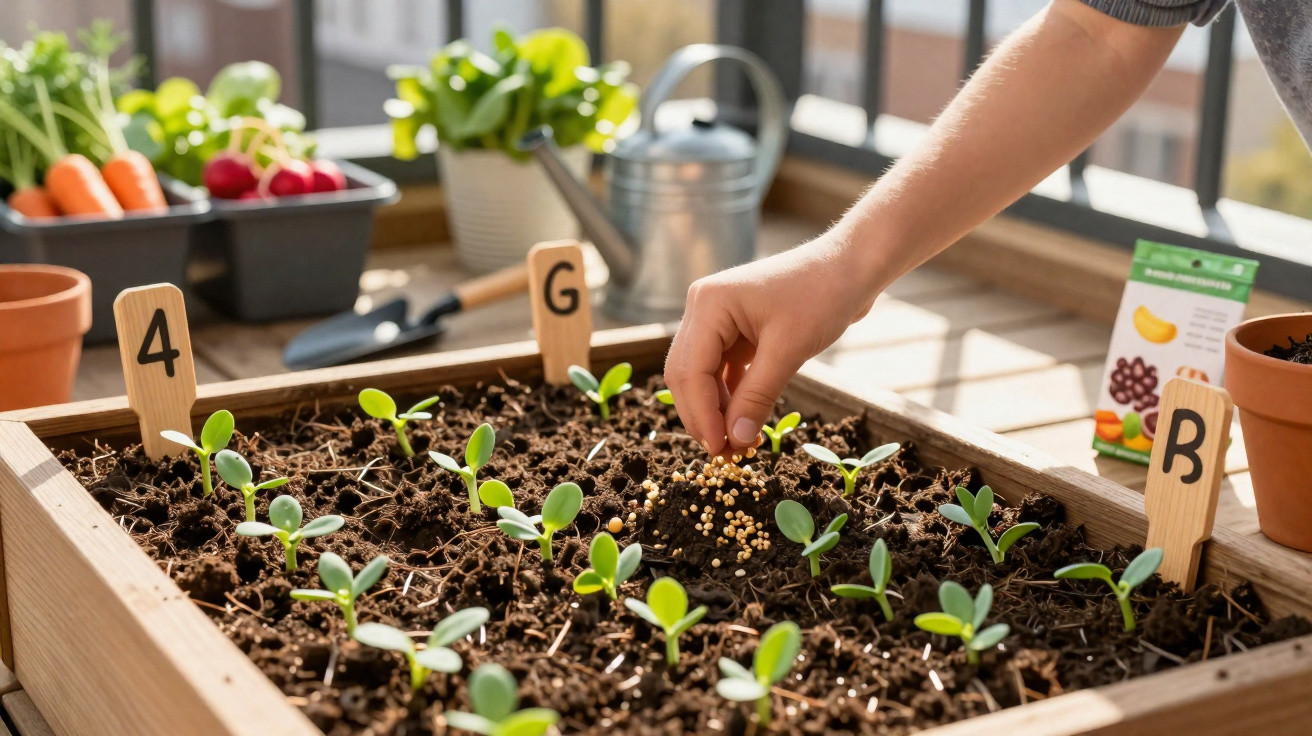
It sounds like a minor detail, but it makes a real difference in practice: put just one seed in each pot. That way you don’t have to separate seedlings later, and you avoid damaging the roots.
- Lightly moisten the compost before sowing.
- Place one seed in each pot, ideally upright.
- Cover only lightly with compost and gently firm.
- Stand the pots somewhere warm at about 20 °C.
Positioning the seed upright reduces the chance of it rotting in damp compost. Many professionals swear by this exact method of placement.
Warmth and light: a turbo boost for germination
Temperature and light are what make the difference between strong seedlings and a disappointing start. Around 20 °C is widely considered ideal. Cooler than that, and germination slows noticeably; much warmer, and the compost dries out too quickly.
"With good warmth and enough light, the first leaves often appear after just a few days."
Good spots include:
- A south-facing windowsill above a radiator
- A bright stairwell with steady temperatures
- A heated greenhouse or cold frame
If your only window is dim, seedlings are likely to become tall, thin and unstable. In that situation, a simple grow light to supplement daylight can help a lot - keeping young zucchini compact and robust.
Gentle acclimatisation: why zucchini mustn’t be moved outdoors abruptly
Probably the most common error is taking sturdy plants from a warm windowsill and planting them outside overnight. The outcome is predictable: leaves scorch, plants wilt, and growth stalls.
Gardeners call the solution “hardening off”. Plants need time to adapt to wind, direct sun and fluctuating temperatures.
How to manage the hardening-off period in May
Start once the days begin to feel milder:
- On dry days, place the pots outside in shade for 1–2 hours.
- Increase the time outdoors by 1–2 hours each day.
- After a few days, introduce direct sunshine gradually.
Only when the zucchini can handle several hours of full sun without drooping leaves are they ready for the bed. In many areas, this is around mid-May, once the risk of late frosts has largely passed.
Planting out: plan protection against cold
Zucchini cannot cope with frost. If you’re planting early, you need a back-up plan for chilly nights. Professional growers use simple aids such as horticultural fleece or clear cloches.
"A thin layer of protective fleece on a clear night can decide the entire harvest."
The planting process itself is straightforward:
- Prepare a generously sized planting hole.
- Mix in some well-rotted compost, but don’t overdo it.
- Plant the zucchini at the same depth as it was in the pot.
- Water well and lightly firm the soil.
Leave at least 80 cm between plants - 1 m is better. Zucchini plants spread wide, and they need space to dry off properly rather than sitting in constant damp.
Water, mulch and care for strong plants
Zucchini have a reputation as “thirsty” plants. They like consistent moisture, but not soggy conditions. Wet foliage in particular increases the risk of fungal problems.
So the rule is: water at the base, directly into the root zone, rather than spraying the whole plant. Water less often but thoroughly, so roots are encouraged to grow deeper into the soil.
Mulch as a summer secret weapon
Once the ground has properly warmed up, adding a mulch layer is well worth it. Suitable materials include:
- Straw or chopped stems
- Dried grass clippings
- Leaves that have been roughly shredded
Mulch helps hold moisture in the soil, suppresses weeds, and stops fruits resting directly on bare earth. That reduces the number of rotting patches on zucchini.
Harvesting properly: small fruits, bigger yields
Many beginners wait too long and then proudly present enormous zucchini. Flavour-wise, that’s often a let-down: the skin turns tough, the inside becomes spongy, and the seeds grow large.
"If you harvest zucchini small, you get more tender fruits - and, in the end, noticeably more of them."
A length of about 15–20 cm is ideal. At that size the flesh is especially fine, and the plant puts its energy straight into producing new flowers.
| Fruit length | Taste | Effect on the plant |
|---|---|---|
| 10–15 cm | very tender, ideal for frying | strong production of new fruits |
| 15–20 cm | classic kitchen zucchini | good balance of yield and quality |
| over 25 cm | mealy, large seeds | plant slows down further fruiting |
If you walk the bed every two days and pick consistently, you keep plants producing continuously. In high summer, that often means more zucchini than most households can use.
Common problems and how gardeners avoid them
Especially early in the season, many people complain that fruit fails to develop. In reality, there may be plenty of flowers - but nothing swells into a zucchini. The cause is usually pollination: in cool weather, bees and bumblebees are barely active.
A practical fix is to use a fine paintbrush in the morning to transfer pollen from male to female flowers. Female flowers are easy to spot because they have a small fruitlet directly beneath the flower base.
Another issue is slugs. Fresh young plants are irresistible to them. If you’re planting early, protect seedlings consistently - for example with copper tape rings, dry barrier zones made from grit, or other physical barriers.
What early zucchini are particularly good for
The appeal of harvesting very early isn’t only the satisfaction of that first home-grown zucchini. June fruits are often more aromatic, because the plants aren’t exhausted yet and the days aren’t at peak heat.
Early zucchini are excellent for:
- delicate raw salads with thinly shaved slices
- stuffed zucchini baked in the oven
- light vegetable stir-fries with spring onions and herbs
- barbecue skewers where the pieces don’t fall apart
If you sow in good time and stick to this raising method, you can approach the high-summer zucchini glut far more calmly - because your first wave of harvesting will already be behind you, and the garden will keep producing reliably.

Comments
No comments yet. Be the first to comment!
Leave a Comment