
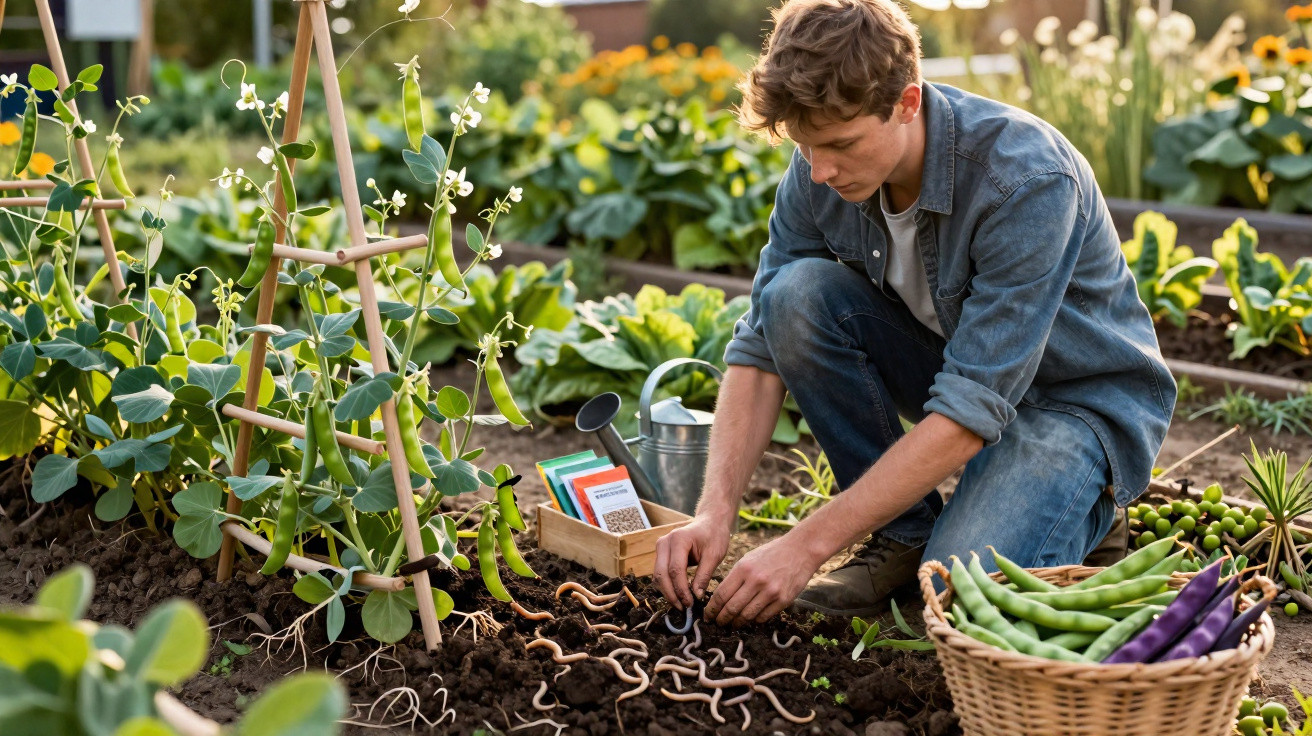
Spraying without poisons, using your own seed and nurturing living soil: lots of hobby gardeners are making a complete switch right now - and are amazed by the flavour and the harvest.
Anyone who has tasted a sun-ripened tomato straight from their own veg patch quickly realises how bland supermarket produce can seem. The route to real intensity is not more fertiliser or harsher sprays, but a shift in mindset: away from a sterile garden and towards living soils, open-pollinated varieties and more deliberate plant choices. It takes a bit of time, but it pays back more with every season.
Why open-pollinated varieties make the difference in the vegetable garden
In shops, so-called F1 hybrids dominate. They often deliver high yields and uniform fruit, but they cannot be propagated true to type. If you save seed from these plants, the next season becomes a lottery.
Open-pollinated varieties work differently: they produce seed that can be reused year after year. Over time, these lines adapt more and more to your site, climate and soil. From a gardener’s point of view, that means:
- tougher plants that cope better with weather extremes
- a closer relationship with soil life and micro-organisms
- far more varied flavour, instead of catalogue uniformity
- greater independence from major seed corporations
“Anyone who saves their own seed builds up robust, regional diversity in the garden step by step.”
Many older varieties may produce a little less bulk, but offer more aroma and steadiness. In a hobby garden, it’s not about squeezing out the last kilo of yield; it’s about enjoyment, health and a system that can support itself over the long term.
Living soil instead of a chemical cocktail
The core of a poison-free garden sits out of sight, just beneath the surface. A living soil - with fungi, bacteria, springtails, woodlice and earthworms - feeds plants with nutrients, keeps the bed stable and helps buffer stress. Where digging, fertilising and spraying are constant, this network collapses.
Plenty of products permitted in organic growing are not harmless. Copper preparations, for instance, build up in the soil and, over the long run, harm tiny organisms. Plants may look healthy in the short term, but the foundation slowly degrades.
“If you strengthen the soil, you can avoid a large share of later ‘rescue missions’ with sprays.”
Rather than treating every disease away, it pays to look for the cause: compacted soil, waterlogging, nutrient shortages or too little diversity in the bed. When you tackle those, many problems never properly take hold.
How to tell whether your soil is really alive
Before any major change, a simple check in the bed can be revealing. A small spadeful of earth tells you a lot:
- Texture: does the soil crumble, or does it stick together like concrete? A crumbly structure points to active soil life.
- Colour: darker shades suggest humus; pale soil is often depleted.
- Smell: does it have a light, earthy woodland scent? A rotten smell indicates decay.
- Earthworms: if a spadeful reveals not a single worm, that’s a clear warning sign.
Even these quick observations give you an initial sense of what your soil needs: more air, more organic matter, less disturbance.
Practical steps towards soil that supports itself
Turn less, loosen more
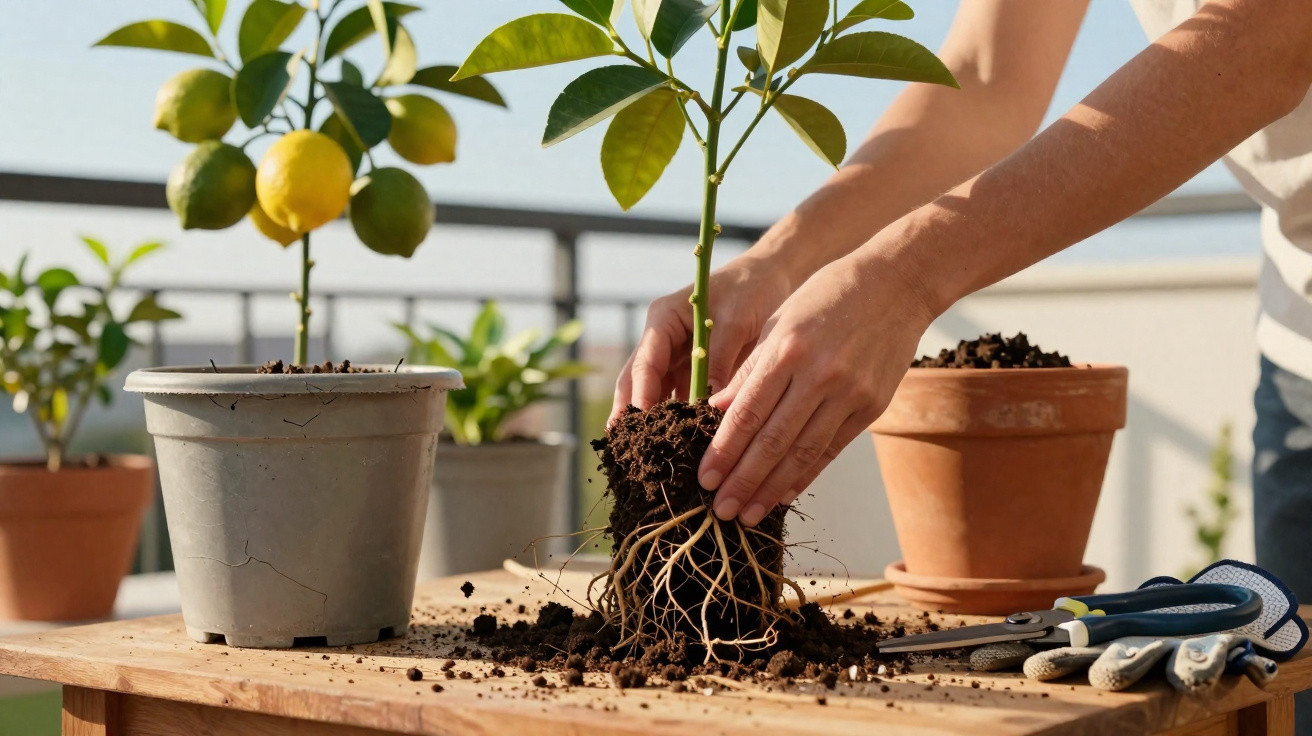
Deep digging disrupts fungal networks and breaks up stable crumb structures. In most gardens, gentle loosening with a digging fork or a Grelinette (broadfork) is enough. The layers stay largely in place, yet air and water can still get in.
Green manure as a free soil improver
Bare ground should ideally never sit empty for months. Green manure plants fill gaps, protect against erosion and feed soil life. Proven mixes include, for example:
- mixtures containing clover: bind nitrogen from the air
- runner beans or field beans: loosen the soil deeply
- lucerne: builds a strong root system, ideal for heavy soils
- phacelia: attracts pollinators and suppresses weeds
After flowering, these plants are cut down and lightly incorporated at the surface, or simply left in place. They turn into humus and food for micro-organisms.
Compost as a driver for microbes
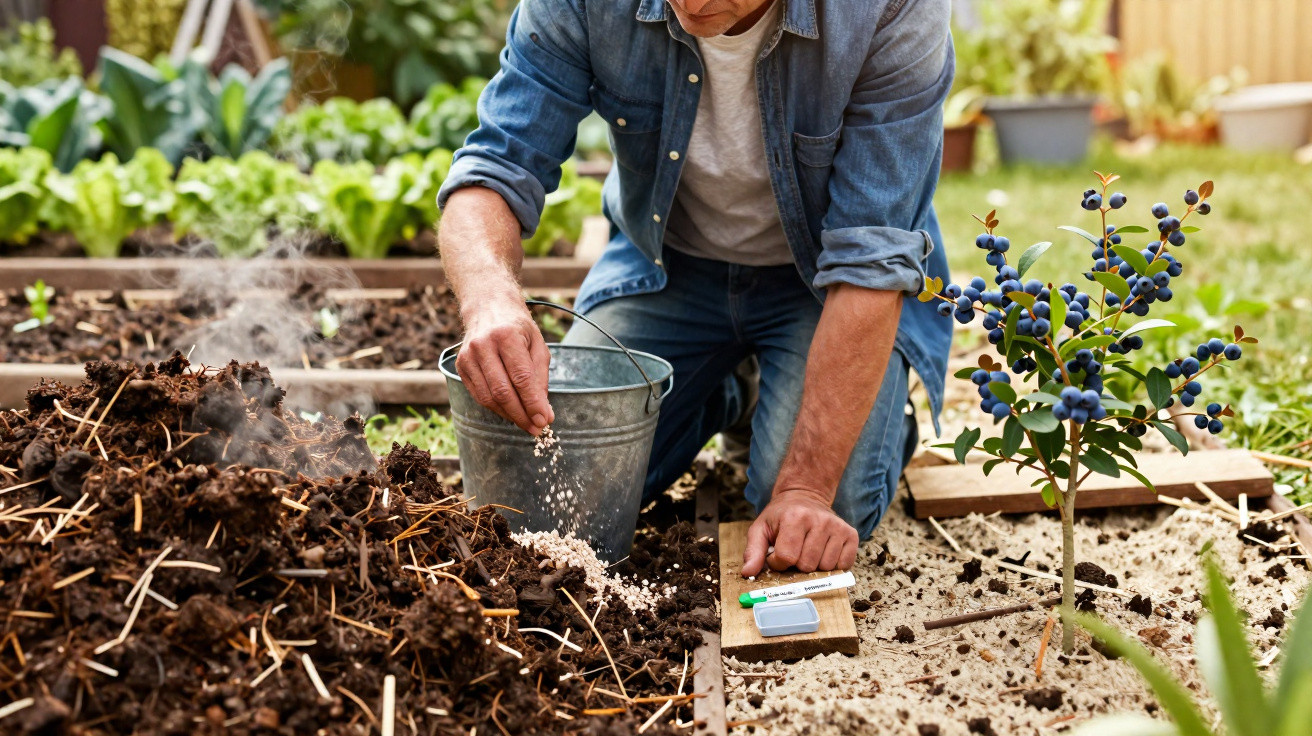
Well-rotted compost is the most cost-effective soil improvement you can make. Crop residues, grass clippings, leaves and kitchen scraps don’t belong in the bin - they belong in the cycle. A layer about a finger’s thickness once a year is often enough to bring tired beds back to life.
“Compost doesn’t just provide nutrients - above all, it supplies billions of micro-organisms that stabilise the system in the soil.”
A step-by-step plan for a garden without poisons
For many people, a total U-turn feels overwhelming. A phased approach that stretches over two to three years tends to work better.
- Take stock: what sprays are sitting in the shed? Which of them hit soil life and beneficial insects particularly hard?
- Cut the most aggressive products: start by dropping items used broadly against fungi and insects.
- Green up the beds: stop leaving open areas fallow and sow green manure instead.
- Try open-pollinated varieties: each season, dedicate one or two beds to old or regional varieties.
- Save your own seed: collect seed from robust, healthy plants and store it dry.
- Observe instead of spraying on reflex: first assess how severe an infestation really is, and whether beneficial insects are already stepping in.
A realistic view matters: in the first years, the odd cabbage may end up a bit nibbled. The overall direction shifts clearly, though, as soil life and plant diversity increase.
Clear effects in the beds: fewer pests, more flavour
Experience from working gardens and smallholdings shows that, after two or three years of green manure and compost, soil life increases noticeably. Earthworms return, the soil becomes easier to work, and beds don’t dry out as quickly.
At the same time, many classic garden issues ease off. Powdery mildew appears less dramatically, slug pressure spreads out because more predators are around, and vegetable plants aren’t bulletproof - but they cope better with stressful conditions.
“A living garden never looks perfect, but it stays stable - even when a summer goes completely off the rails.”
Flavour changes too. Tomatoes, carrots or lettuces that grow steadily in nutrient-rich, loose soil develop more aromatic compounds. If you also grow open-pollinated varieties, you notice the range - from sweet cocktail types to more robust, meaty cooking tomatoes.
Regional seed initiatives as allies
More and more small businesses are specialising in propagating open-pollinated varieties. You’ll find not only packets of seed, but also young plants and specific advice: which tomato copes with wet summers? Which bean performs reliably on clay soil?
A visit to a local nursery or a seed market often delivers more than hours of online research. Many of these initiatives work without synthetic sprays and trial varieties directly outdoors. Buying from them supports structures that push diversity and resilient varieties forward.
Key terms explained briefly
- Open-pollinated: plants whose offspring keep the same characteristics; seed can be saved anew each year.
- F1 hybrid: a cross between two lines that is very uniform in the first generation, but does not reproduce true to type.
- Green manure: plants not grown for harvest, but to improve and loosen soil and protect it from erosion.
- Humus: long-lasting bound organic matter in the soil, important for water retention and nutrient storage.
Practical examples of resilient combinations
If you’re just starting out, begin with straightforward pairings. For example, a mixed bed with:
- a robust, open-pollinated tomato in a sunny spot
- basil and marigolds between the plants as companions
- straw or leaf mulch on the soil rather than bare, cleaned ground
Elsewhere in the garden, you can try an intercropping mix of carrots and onions. The onion scent confuses carrot fly, while carrots do well in soil kept loose. When you break up monocultures, specialist pests find it much harder to settle in.
If you convert bit by bit in this way, after a few seasons you’ll notice: the garden increasingly does its share of the work, instead of constantly needing to be fought. Poison-free vegetable harvesting stops being an ideology and becomes the logical outcome of a system in which soil, plants, animals and people all work together.
Comments
No comments yet. Be the first to comment!
Leave a Comment