
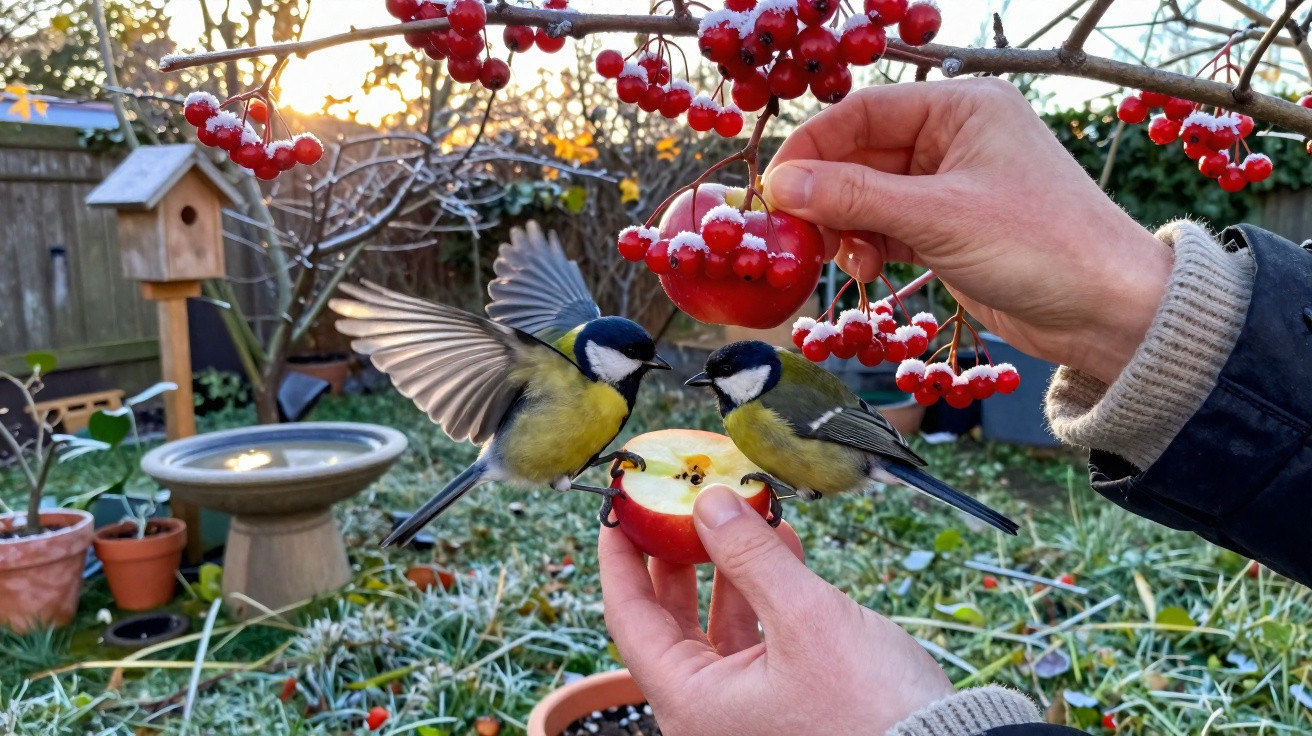
A handful of simple tweaks in your garden can bring in one of nature’s most effective pest hunters: tits. They are colourful, lively and always on the move - and they also have an impressively large appetite for the insects that can seriously damage your borders and veg patch.
Why tits are so valuable in the garden
In ecology, tits are seen as key allies in maintaining a healthy natural balance. Blue tits and great tits spend much of the day eating small insects and their larvae - precisely the creatures that often cause the visible damage on roses, fruit trees and vegetables.
"A hungry tit family gets through many thousands of insects in a single breeding season - completely free, and without poison."
When these birds visit your garden regularly, pest pressure drops noticeably. Chemical sprays often become unnecessary, or at least can be reduced dramatically. That protects beneficial insects such as honeybees and solitary bees, and makes the whole garden more resilient.
The overlooked lure: berries in winter
The approach many gardeners miss is simple: berries. Especially in the colder months, when insects are scarce, tits search for energy-rich food. This is where berries matter - yet in many gardens they are left to shrivel on the shrub or are cut off entirely in autumn.
Tits are fond of small, sugary fruits because they provide quick energy. The higher sugar content helps them get through cold nights and stay active. If you offer food in the cooler season, the birds develop something like “regular customer” behaviour: they remember dependable feeding spots.
Berry shrubs that are true tit magnets
Shrubs that still carry fruit into late autumn or winter are particularly appealing. These include, for example:
- Black elder (elderberry) - a classic berry many people use for cordial; birds enjoy it just as much.
- Rowan (mountain ash / rowanberry) - bright red clusters, essentially a natural snack tree for many bird species.
- Juniper - the aromatic berries provide calories, while the shrub itself also offers cover.
If you do not have room for large shrubs, you can still help out.
- A small feeder on a balcony or patio, stocked with berries (fresh or dried).
- Mixed seed-and-berry blends in winter when natural food is limited.
- A few pieces of fruit (for example, apple halves) as an extra, provided they do not go mouldy.
"Berries act as the door-opener: tits arrive for the food first, and later stay for the insects in the garden."
When feeding is useful - and when it isn’t
Many bird conservation organisations advise feeding specifically during the colder season. In spring, tits should return to finding most of their food themselves. Only then do they locate enough insects to raise their young, and their natural hunting drive stays strong.
Practical rule of thumb:
- In late autumn and winter: feeding stations with berries, mixed seeds and fat-based feeds are fine.
- During frosty spells: feeding is especially helpful because insects are barely accessible.
- In late spring and summer: cut back feeding or stop altogether so the birds focus on hunting again.
Once tits see your garden as a reliable base, they begin searching there for caterpillars, aphids and other small creatures. Winter feeding is therefore like an investment in a natural pest-control service for the coming season.
How tits reduce garden pests
Tits are agile: they clamber along twigs, inspect the undersides of leaves and probe crevices in bark. That is exactly where the pests that drive gardeners mad tend to hide.
Typical prey for these birds:
- Caterpillars that strip leaves from fruit trees or roses
- Aphids that weaken new growth and encourage fungal problems
- Small beetles and their larvae
- Spiders and other tiny animals that provide protein
"In spring, a tit family tirelessly picks caterpillars off fruit trees - many gardeners only notice that their trees suddenly look healthier."
By avoiding poisons and supporting birds instead, you also protect soil life, earthworms and beneficial insects. The garden becomes more vibrant and more stable against extreme weather and disease pressure.
How to make your garden tit-friendly
For tits to settle long term, food alone is not enough. They also need safe places to roost and nest, water, and the kind of structure that makes them feel secure.
Putting up nest boxes correctly
Nest boxes are among the easiest ways to keep tits in the garden. What matters is a small entrance hole and a sheltered position.
- Entrance hole for tits: ideally under 28 millimetres in diameter.
- Height: at least 2 metres above the ground, ideally 3–4 metres.
- Direction: avoid the main direction of driving rain; a slight east or south-east aspect works well.
- No full-day, direct sun, so the box does not overheat.
A small entrance helps keep out larger predators. The birds feel much safer, and often use the boxes not only for breeding but also as winter roosts.
A water source as an extra incentive
A basic bird bath can act like a magnet. A shallow dish, a stone in the middle as a landing spot, and fresh water daily are entirely sufficient. Birds use it for drinking and bathing, which helps keep their feathers in good condition.
The dish should:
- be placed out of reach of cats, for example on a stand or pillar,
- not sit right next to dense shrubs where a hunter could leap out,
- be cleaned regularly so germs do not build up.
Dangers in the garden: how to protect tits from predators
Alongside food, safety is crucial. If tits experience your garden as risky, they will visit less often - or stop coming altogether.
Common threats include:
- Domestic cats that climb trunks or stalk feeding areas.
- Larger birds such as magpies or crows that raid nests.
- Poorly positioned feeders that make attacks easier.
If you want to protect tits, there are several practical steps:
- Fix nest boxes high and in open positions so cats cannot reach them.
- Avoid facing the entrance hole towards a branch or fence that predators can use to approach.
- Do not place feeders directly on the ground.
- Do not leave exposed leftovers that strongly attract larger birds.
"The safer the garden feels, the more likely tits are to do more than pass through - and instead remain year-round."
Why berry shrubs are useful twice over
Berries do more than attract tits; they also provide valuable fruit for people. Many species such as elder or rowan combine practical use with ornamental appeal. They flower in spring, produce fruit in summer or autumn, and then serve birds through winter as a natural larder.
A few advantages at a glance:
- More garden structure thanks to shrubs at different heights.
- An extra berry harvest for cordial, jelly or liqueur - depending on the species.
- Greater biodiversity: as well as tits, blackbirds, robins and other birds will also appear.
- Shady refuges for insects, hedgehogs and other small animals.
If you have enough space, you can plant a small hedge made up of native shrubs. Native species are usually tougher, more frost-hardy, and are accepted far better by local wildlife than exotic ornamental shrubs.
Tips for beginners without a large garden
Even with only a balcony or a tiny patio, you can still attract tits. A small nest box on the house wall, a compact feeder and a few potted plants are often enough.
Suitable measures for limited space:
- A hanging feeder filled with a mix of seeds and berries.
- A narrow nest box on the balcony rail or house wall, secured well against wind.
- Potted shrubs such as a small elder or an ornamental crab apple to provide both structure and food.
Even in towns and cities, this creates small stepping stones for birds. If you stick with it over several years, you will often notice the same pairs returning, using the nest boxes, and becoming almost familiar neighbours.
So if you want to give your garden a natural shield against pests, you do not need drastic measures. A few well-chosen shrubs, a little patience, some berries at the right time, and a safe spot for nest boxes are often enough for tits to do their work - tirelessly, quietly and extremely effectively.
Comments
No comments yet. Be the first to comment!
Leave a Comment