
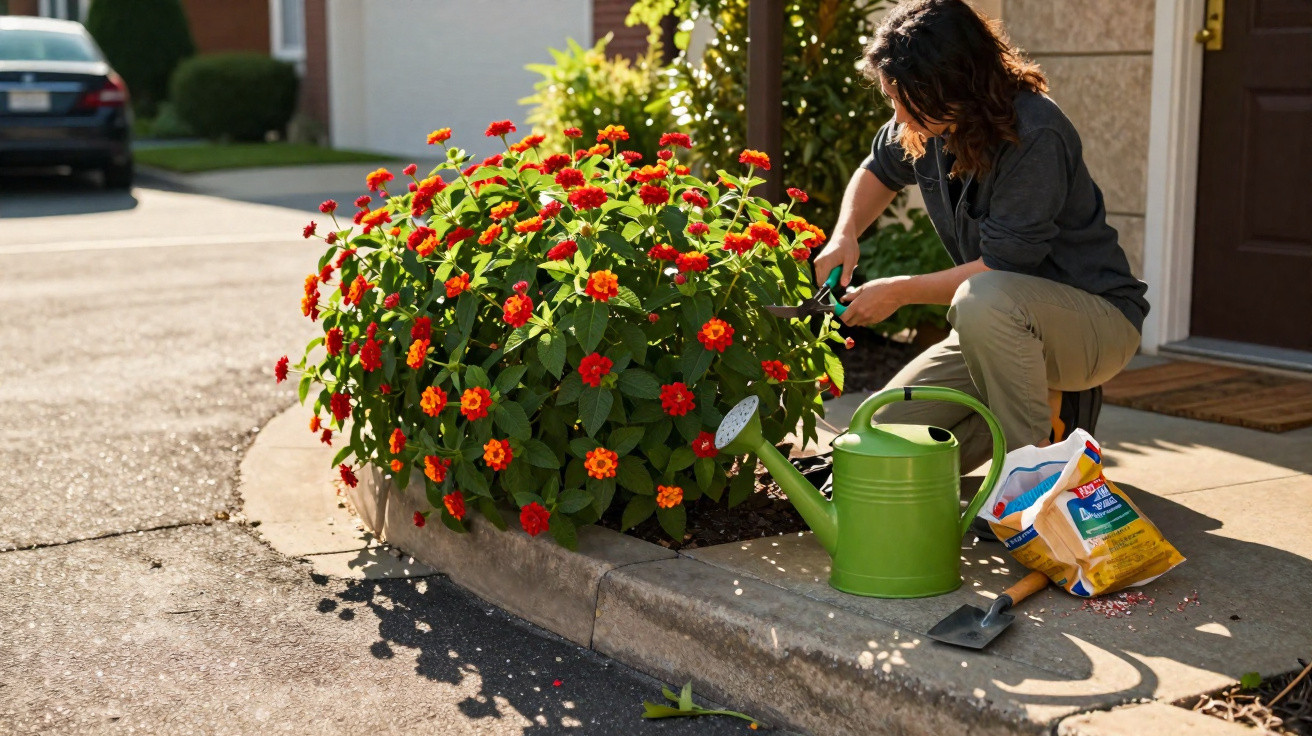
Many homeowners know the feeling: the driveway looks tidy, yet still a bit bleak. Hardly any plant can cope with the mix of heat, car traffic and winter road salt. That is exactly where a particular shrub comes into its own-still something of an insider’s tip in Germany-and it looks as though you have rolled out a blazing red carpet in front of the garage.
A red showstopper that shrugs off tarmac and heat
The plant in question is red lantana, specifically Lantana camara ‘Hot Blooded’. Originally from warmer parts of the world, this shrub belongs to the verbena family. In the garden it stands out immediately, thanks to its dark, aromatic foliage and an almost explosive display of flowers from May right through to October.
Those blooms are a colour show in their own right. They open in golden yellow, shift to a bold orange and finally settle into a deep, luminous red. It is common to see all three shades on the same plant at once. Planted along a driveway, this creates an unbroken, flame-like ribbon-perfect when the front of the house is otherwise quite understated.
"Anyone trying to green up a hot, dry driveway will find red lantana is one of the few genuine problem-solvers."
At around 60 centimetres tall with a similar spread, the plant stays nicely compact. It won’t get in the way of opening car doors or block your view when pulling out, yet it still reads visually like a low hedge. For driveways, access paths or the edges of parking bays, that size is close to ideal.
Why this lantana is so practical along driveways
One key advantage of this cultivar is that it is considered sterile. In other words, it does not produce viable seed, so it will not self-sow across the garden. If you like a crisp, clearly defined edge, you will not be forever pulling out seedlings.
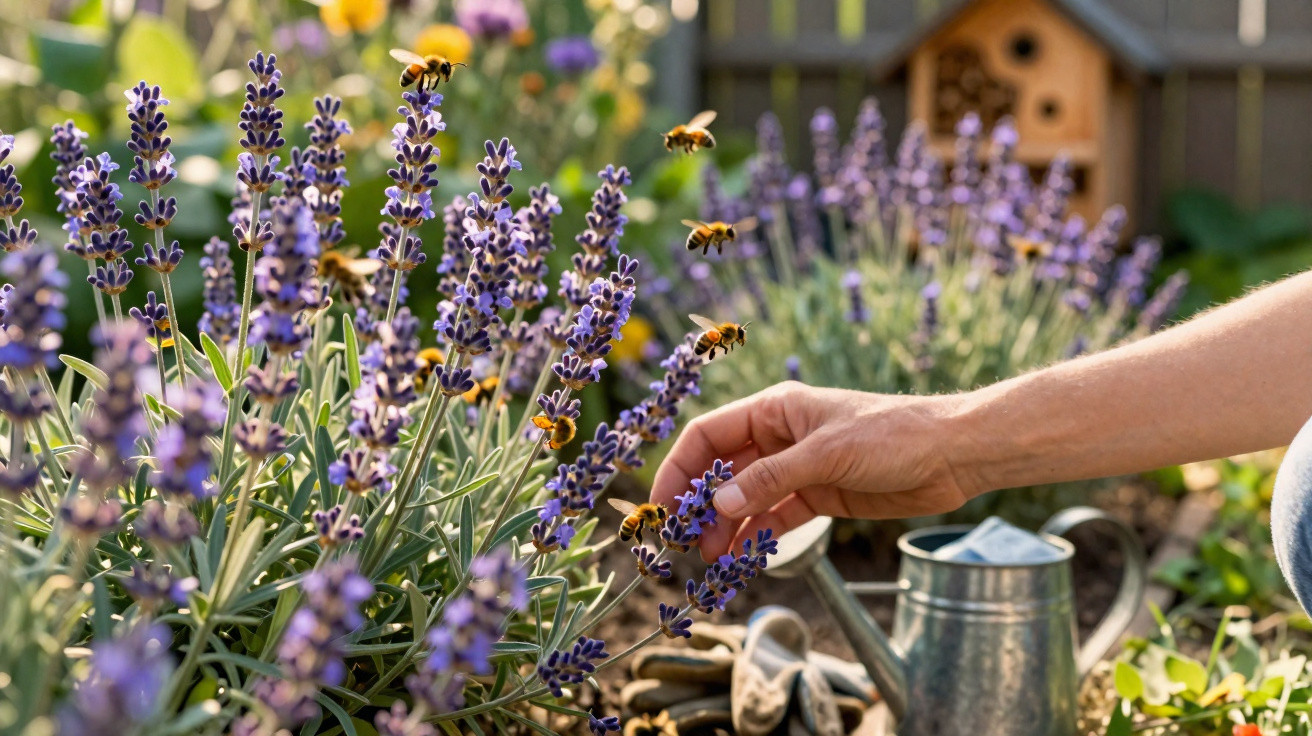
At the same time, the shrub provides plenty of nectar for months. Bees, butterflies and other insects visit the flowers in large numbers. Even in heavily paved, highly sealed front gardens, lantana can bring back a touch of biodiversity without demanding much attention.
- tolerates high temperatures and the reflected heat from tarmac, concrete or paving
- copes well with extended dry spells
- handles splashback containing road salt better than many other ornamental plants
- is usually avoided by deer-useful on properties near the edge of town or countryside
For homeowners in very sunny positions-where lavender, roses or hydrangeas often struggle-red lantana is therefore a serious alternative.
Location: where red lantana shows what it can do
This shrub actively enjoys heat. Along driveways, garage approaches or paved paths, conditions are often extreme: heat radiating from below, limited moisture in the ground and the occasional passing vehicle. That is precisely where Lantana ‘Hot Blooded’ performs surprisingly well-provided a few basics are in place.
Full sun and free-draining soil
Choose a spot that receives at least six hours of direct sun per day. In partial shade, flowering drops off noticeably and the plant grows less densely. Soil matters mainly for drainage: lantana does not cope well with waterlogging.
Because ground beside driveways is frequently compacted, it is worth putting extra effort into preparation:
- dig a planting hole two to three times as wide as the root ball
- loosen the base thoroughly, rather than leaving it smooth and compressed
- lighten heavy soil with gravel, grit or expanded clay
- position the root ball level with the surrounding soil, not too deep
- water in well and mulch with fine gravel or grit
A mineral mulch visually suits tarmac or paving, while helping stop the soil drying out or sealing over. It also keeps the root zone better aerated.
How hardy is Lantana ‘Hot Blooded’ in the German-speaking region?
Lantana originates from climates that are much warmer. In mild areas it can remain in the ground as a perennial. Experience suggests that below about minus eight degrees the roots die back; even from around freezing the plant will shed its leaves.
In German-speaking countries, how you use it depends strongly on local conditions:
| Climate zone | Recommended use |
|---|---|
| mild wine-growing areas or coastal locations | plant in the ground with winter protection; prune back in late winter |
| typical inland locations | treat as a heavily flowering seasonal plant; plan to replace in autumn |
| harsh upland areas | better in a container; keep bright and frost-free over winter |
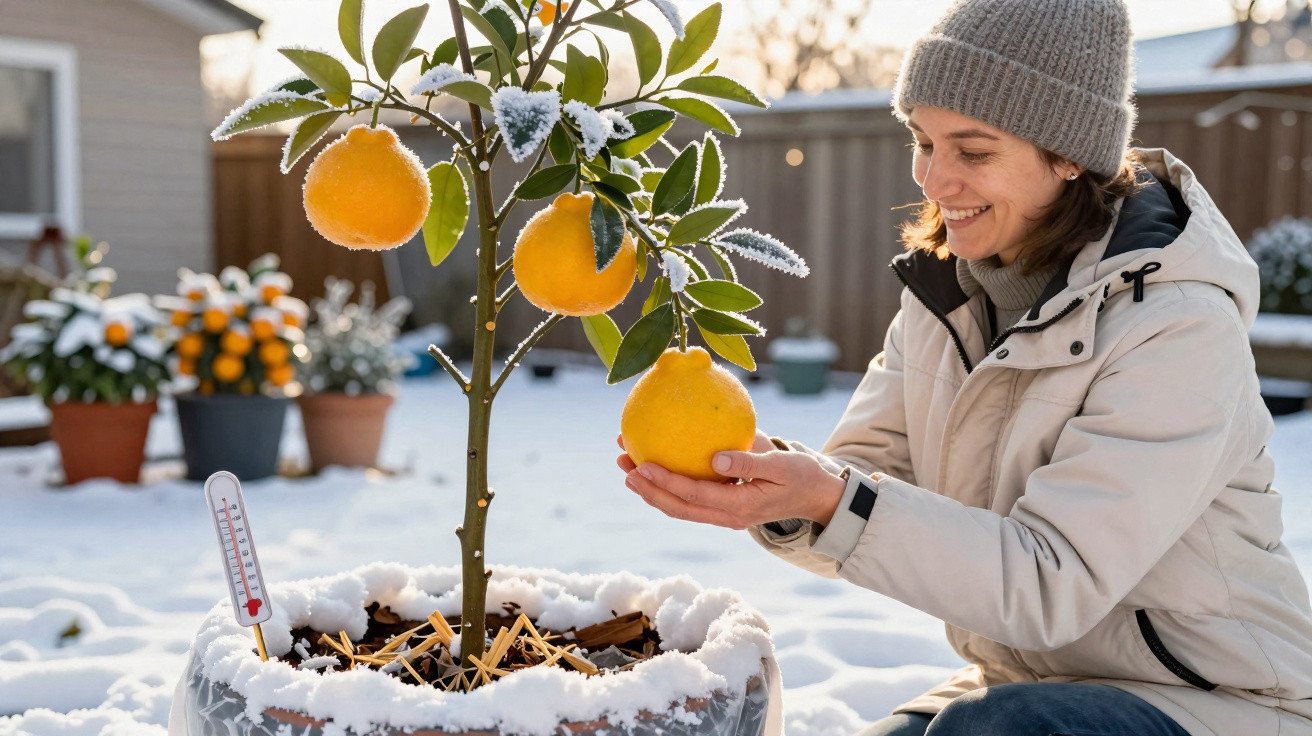
If you are gardening close to the plant’s hardiness limit, cover the base in late autumn with a thick layer of bark mulch or fallen leaves. This offers some protection to the root area against severe, dry frosts. In colder regions, it is often more practical to set plants in attractive containers along the drive and move them in autumn into a bright, unheated space.
Care through the year: keeping a driveway hedge looking neat
The most demanding period is the first summer after planting. While the root system is still shallow, regular watering is important. Hot days, with heat reflecting off the tarmac, can dry the soil quickly. Once established, however, the shrub can go impressively long periods without additional water.
Watering, pruning and feeding
Useful rules of thumb for routine care:
- Watering: keep evenly moist during the first summer; afterwards only during prolonged dry spells
- Feeding: work in a slow-release fertiliser or a little compost in spring
- Pruning: cut back firmly in late winter or very early spring to encourage fresh, flower-rich shoots
With consistent pruning, you end up with compact, cushion-shaped shrubs that line up neatly along the drive. If left uncut, the stems become woodier, flowers sit more towards the outside, and the plant can look less fresh.
Caution: a poisonous plant with a strong effect
As striking as red lantana is, it does have a downside: all parts of the plant are considered poisonous. If the berries are swallowed, they can cause symptoms of poisoning in people and pets, and the leaves are not harmless either.
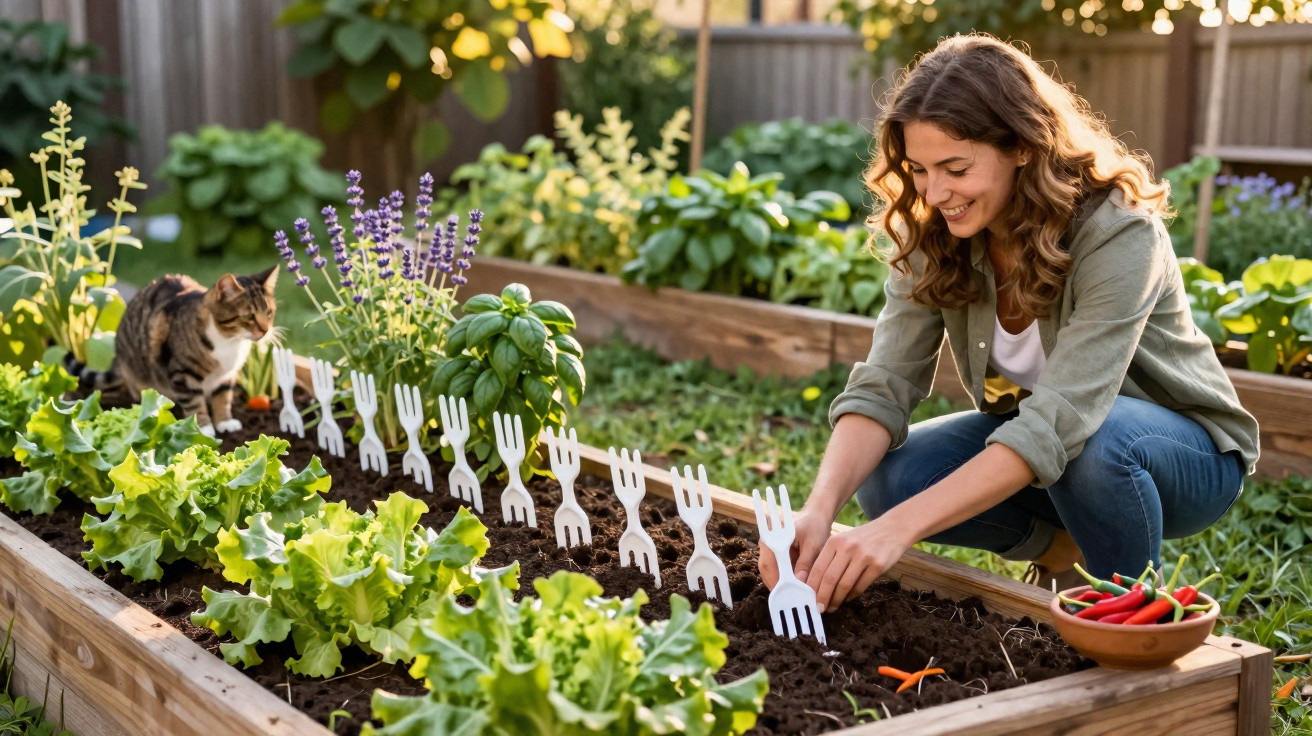
If you have young children or allow dogs and cats to roam freely in the front garden, choose the position carefully. A strip along the driveway-somewhere children are unlikely to use as a play area-can be a workable compromise. Wear gloves when cutting back to help prevent skin irritation.
Ideal combinations and design tips for the driveway
The strong red–orange–yellow gradient looks powerful on its own, but it also pairs well with other plants. The most successful companions are those that handle heat just as reliably:
- low ornamental grasses such as fountain grass or blue fescue
- silver-leaved plants such as cotton lavender or dwarf groundsel
- drought-tolerant mat-forming perennials such as thyme or saxifrage
If you want to plan the driveway planting by colour, you can combine red, orange and yellow flowering plants, while varying leaf shapes and heights. Lantana then provides the glowing base, with taller perennials or grasses adding depth behind.
What garden owners should know before planting
The label “bee-friendly” is often used for lantana. From an insect perspective, that is accurate: the flowers offer plenty of nectar. In some parts of the world, however, lantana is regarded as a problematic invasive species because it spreads aggressively. The sterile cultivar ‘Hot Blooded’ significantly reduces that risk, as it does not reproduce by seed.
In German-speaking countries, water use is also part of the equation. Front gardens with lots of paving and tarmac heat up strongly, while watering is increasingly scrutinised as water costs rise. This is another area where red lantana scores well: once it has settled in, it needs noticeably less water than many traditional bedding plants, and rewards that restraint with almost continuous flowering.
If you want to smarten up your driveway visually without creating another high-maintenance planting area, this fiery red shrub is worth keeping in mind. In particular, on sunny, hot sites where many other plants give up, Lantana ‘Hot Blooded’ shows its full strength-turning plain tarmac into a bright welcome for anyone arriving home.

Comments
No comments yet. Be the first to comment!
Leave a Comment