

Many amateur gardeners reach for lavender out of habit whenever they want their balcony or garden to look like summer. In doing so, they often miss a perennial that is tougher, flowers for longer and is a genuine magnet for insects. That plant is catmint – more precisely Nepeta × faassenii – and it offers exactly the kind of answers we need in an age of heat, water shortages and insect decline.
The underestimated rival to lavender
Why catmint is becoming the on-trend plant right now
Lavender has started to suffer from an image problem: as summers get hotter, more delicate varieties dry out; in wet winters, roots can rot; and many plants give up after just a few years. Catmint copes far better and brings the same Mediterranean feel to a garden – simply with less fuss.
Nepeta × faassenii grows in a neat, compact, bushy shape with a slightly cascading habit. It suits borders, rock gardens, pots on the balcony and even the edges of vegetable beds. If you like working with structure and layers of colour, you can use it to line paths or to transform dull patches into a blue carpet of flowers.
"Catmint is like lavender, only less fussy: fewer dramas, more flowers, more life in the garden."
A fragrance reminiscent of menthol and herbs
Brush your hand across the grey-green foliage and you’ll immediately notice a strong, aromatic scent. It suggests a blend of menthol, mint and subtle herbal notes. You don’t need heat or balmy evenings for it either – it’s easy to pick up even on mild spring days.
Catmint is especially appealing near seating areas: a quick reach into the border, rub a few leaves between your fingers, and the whole spot smells like a summer evening. Many people find the fragrance calming yet fresh.
A full house in the insect hotel: bees, bumblebees and butterflies
Why catmint is an insect magnet
While some ornamental plants have been bred purely "for the look" and now provide little nectar, catmint offers insects a well-stocked table. Its many small flowers sit close together and are continually replenished.
Just a handful of plants is enough to bring noticeably more activity into the garden. You’ll most often see:
- honeybees clustering thickly on the flowers
- bumblebees pushing deep into the flower cups
- a range of butterfly species zig-zagging around the perennials
- wild solitary bees that readily settle nearby if suitable nesting spots are available
"If you want to do something about insect decline with very little effort, catmint is exactly the right choice."
Ecological benefits for the garden and the wider area
More flower visitors also means more pollination. Nearby fruit trees, berry bushes and vegetables benefit. Tomatoes, courgettes, strawberries and apples often produce better yields when long-term, attractive nectar sources are growing close by.
In densely built-up residential areas or new housing estates, plantings like this become small stepping stones for biodiversity. Several gardens filled with insect-friendly perennials can form real corridors where insects can move safely and reproduce.
Heat or frost: this perennial shrugs off almost everything
Bitterly cold winters? No problem
Many plants that look Mediterranean quickly reach their limits in hard frosts. Catmint is different. It’s considered very hardy and can tolerate temperatures down to around -20 °C.
The growth above ground dies back over winter, but below the surface the roots simply wait for spring. From March or April, the plant shoots away again with vigour. So if you garden in exposed areas, you don’t need to wrap it up or move it around.
Drought and heat: catmint stays unbothered
The plant has fine, slightly hairy leaves. This texture reduces evaporation and helps conserve water. Once established, the perennial needs far less watering than many classic bedding plants.
That becomes particularly relevant in summers with watering bans or higher water prices. While other plants wilt, catmint keeps going for a long time. Only newly planted young plants need extra help in the first few weeks.
| Property | Catmint (Nepeta × faassenii) |
|---|---|
| Winter hardiness | down to around -20 °C |
| Water needs once established | low to moderate |
| Position | full sun to partial shade |
| Flowering period | roughly April to October |
| Nectar value | high, strongly insect-friendly |
A burst of colour from spring well into autumn
Flowering for months rather than weeks
Where many perennials look their best for only three to four weeks, catmint puts on a notably long display. In good conditions, it can flower from April right through to October.
The blossoms appear in dense spikes, usually in blue and violet shades. The effect is particularly striking when you plant several together as a group. If you lightly cut the plants back in late June or early July, you’re often rewarded with a second flush that can be even more abundant.
How catmint looks in the border
The colour range runs from soft blue to rich violet. Combined with white roses, baby’s breath, ornamental grasses or coneflower, it creates playful, modern planting schemes. It also sits beautifully against natural stone walls or alongside gravel paths.
It’s also useful as ground cover: planted closely, catmint forms a closed surface that largely suppresses weeds. That saves tedious hoeing and reduces the need for mulch or other covering materials.
Planting time, position and care: getting off to the right start
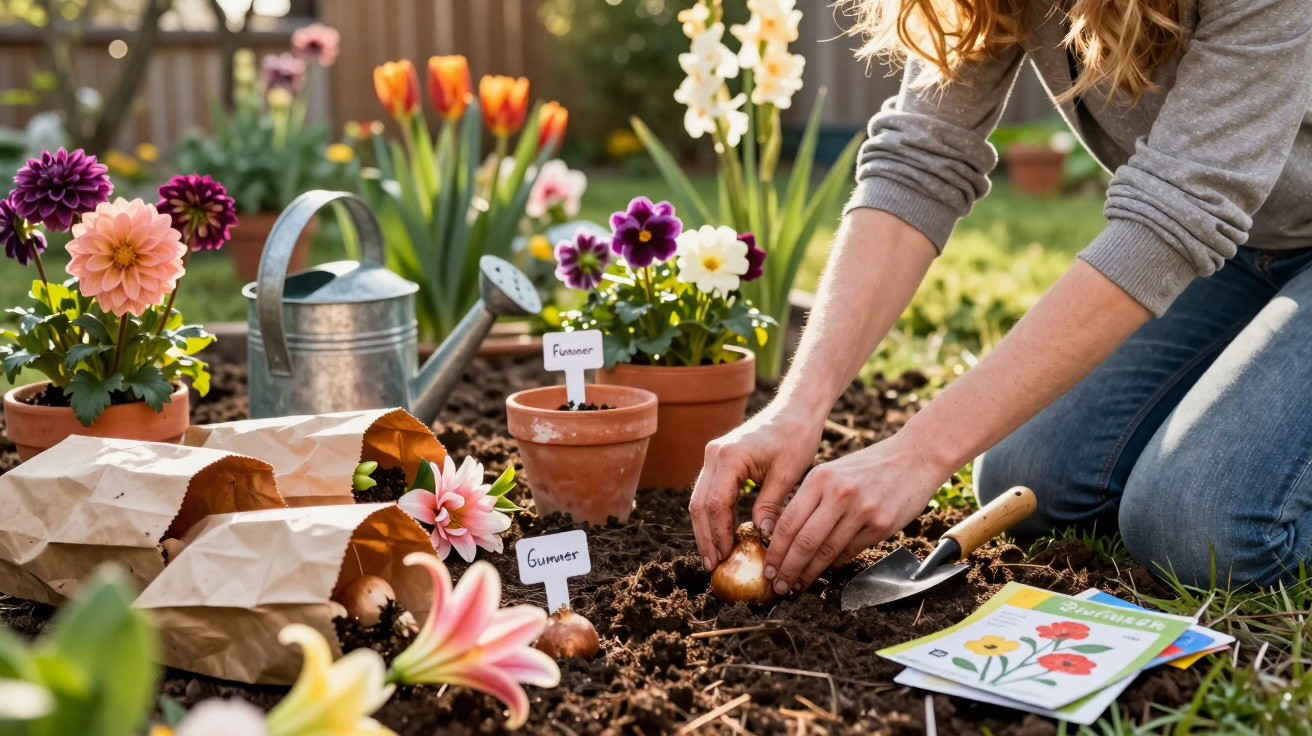
The best time to plant
The ideal window starts from the end of March, as soon as the soil is frost-free and has warmed slightly. That gives the roots time to get going properly before midsummer. If you plant in autumn, pay close attention to drainage so the plants don’t spend winter sitting in wet conditions.
Step by step to a strong perennial
Planting is straightforward and works well even for beginners. The following approach has proven effective:
- choose a sunny to lightly partially shaded spot
- ensure free-draining soil; on heavy soils, work in sand or grit
- dig a planting hole roughly twice the size of the root ball
- briefly water the pot, then place the plant and backfill with garden soil plus a little planting compost
- water thoroughly so the soil settles closely around the roots
"If you’re planting catmint in a pot, make sure there’s a drainage hole and a layer of expanded clay or gravel at the bottom of the container."
Equally appealing for the lazy, the thrifty and nature lovers
Less work, lower costs, bigger impact
Because catmint is perennial and reliably returns, you can skip yearly replacements. After a few years you can even divide the plant and replant it elsewhere. That way, a small number of starter plants can green up entire areas.
Watering, feeding and plant protection remain manageable. As a rule, a little compost in spring and occasional deadheading is enough. Chemicals are unnecessary – and in the worst case they harm the very insects you’re trying to attract.
Practical notes about cats and neighbours
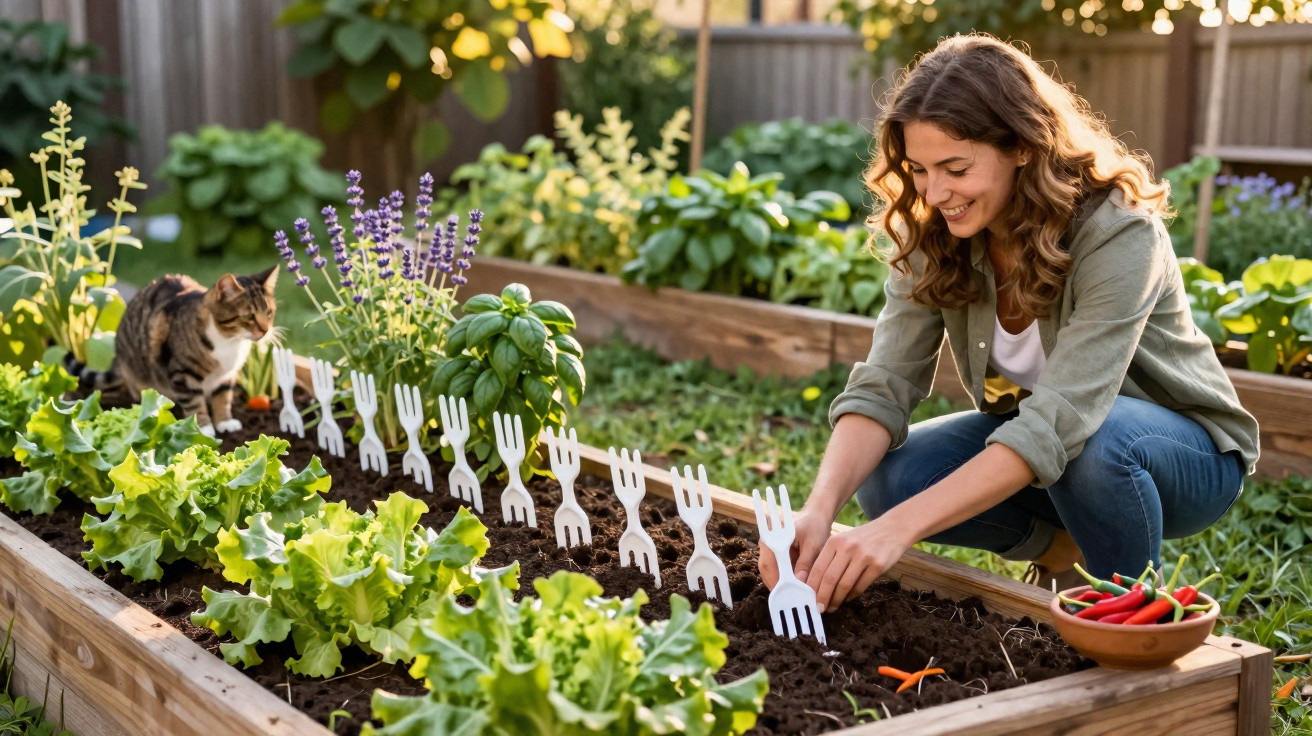
The name "catmint" exists for a reason: some cats react with great enthusiasm to the plant, while others show no interest at all. If there are particularly playful cats in the neighbourhood, it’s worth protecting young plants at first with a light wire guard or plant ring until they’re sturdy enough.
For people, no special precautions are needed with normal use. Catmint is not a dangerously poisonous plant and is well suited to family gardens. In gardens focused purely on edible crops, it’s best not to place it directly among heavily used vegetables, because visits from cats cannot be ruled out.
How catmint changes the garden in the long run
Once you’ve seen how strongly insect activity increases around this plant, you may find yourself redesigning borders entirely. Instead of short-lived, purely decorative flowers, attention shifts towards resilient, useful perennials – without sacrificing looks.
Paired with other insect-friendly species such as sage, thyme, coneflower or globe thistle, you can create a low-maintenance, climate-resilient garden that buzzes and hums from spring to late autumn. Catmint plays a key role: it flowers for a long time, copes with extreme weather and gets along with an astonishing range of planting partners.
If you take a few pots home this spring, you’ll notice the change in your own garden within the season – visible, audible and very likely noticeable by scent, too.


Comments
No comments yet. Be the first to comment!
Leave a Comment