
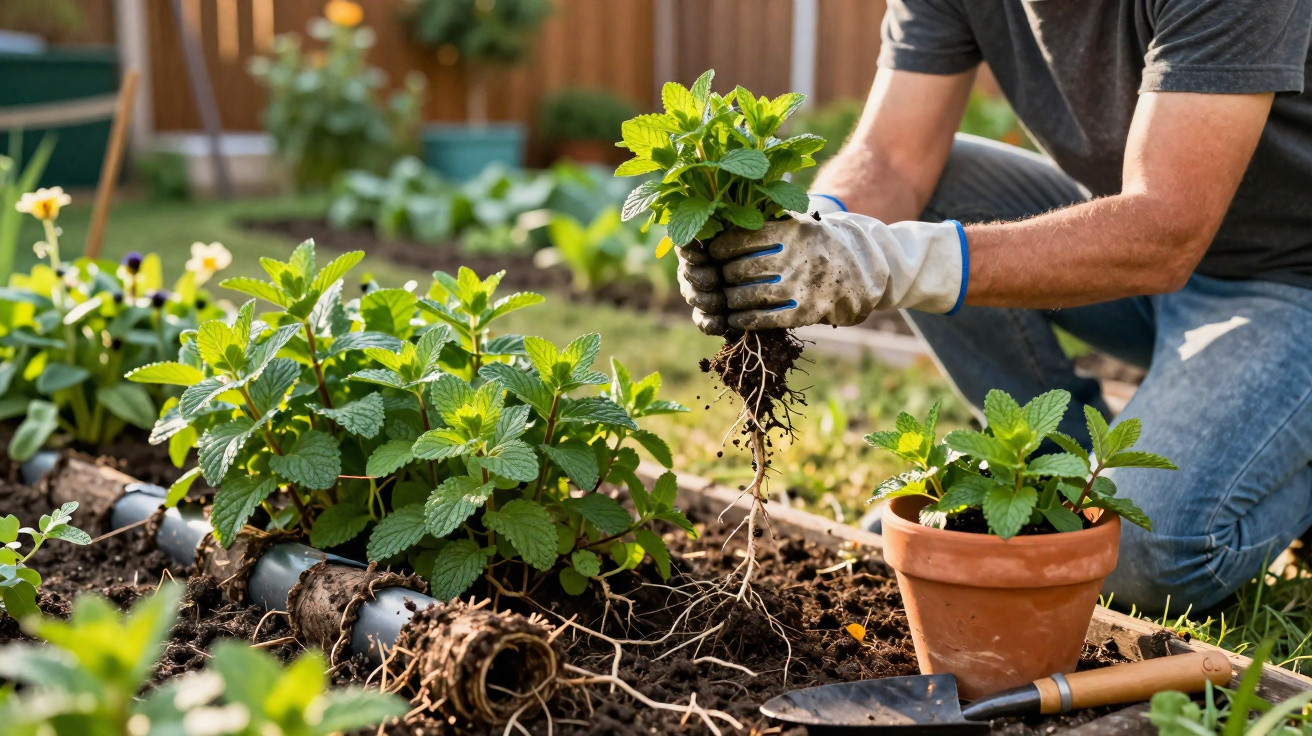
Many hobby gardeners are now mapping out the next season and enthusiastically reaching for a plant that sits in pride of place in almost every garden centre: mint. What sounds like easy-going freshness for tea, cocktails and summer cooking can quietly turn into an invasion in the bed - with knock-on effects for vegetables, herbs and overall plant diversity in the garden.
Why mint is ending up in so many gardens right now
The appeal of the seemingly indestructible aromatic herb
Mint ticks nearly every box beginners look for in a herb. It puts on growth quickly, stays green for a long time, forgives missed watering, and releases a strong fragrance with the lightest touch. If you want “something green” for the kitchen and drinks, you almost inevitably end up with mint.
That reputation as a no-fuss starter plant means mint is often given as a gift or popped into a bed with little thought - sometimes planted with children because success feels almost guaranteed. In that moment, few people suspect they are introducing a botanical “Trojan horse” that can become very difficult to rein in later.
"Mint’s greatest strength is also its biggest problem: it grows so reliably that it takes control in the garden."
How garden centres stage the green temptation
From March onwards, garden-centre shelves are typically packed with vigorous pots of mint. The plants look full, healthy and irresistible. One stroke of the leaves, and the purchase feels nearly decided. Recipe cards for summer drinks or Middle Eastern dishes are often placed nearby, fuelling the imagination even further.
What you are less likely to see on the labels is a clear warning about just how aggressively mint spreads. Instead of cautionary notes, you’ll find phrases such as “robust”, “easy to care for” or “strong-growing”. That suits retailers: fast growers look appealing early in the season and tend to sell well. At home, in the bed, that same vigour reveals what it really means.
The quiet attack underground
Rhizomes: the hidden network beneath the soil
Above ground, mint appears harmless enough: upright stems, serrated leaves, and a slightly unruly habit. Its real power, however, sits below the surface. Mint expands via so-called rhizomes - underground runners that spread out like rooting cables in every direction.
These rhizomes can travel sideways over considerable distances, often far beyond the original planting spot. Each segment can send up new shoots and push down fresh roots. The result is a dense, branching web that slips unnoticed beneath vegetable plots, perennial borders and even under paths.
At the same time, the rhizomes act as energy reserves. This is why the plant comes through frost spells or dry periods remarkably well. As soon as conditions improve, mint drives up new shoots with renewed force - often exactly where you never wanted it.
How mint easily outsmarts obstacles
Many gardeners underestimate how persistent this root system is. Stones in the soil, shallow timber edging, and even thin root barriers are usually bypassed or undercut by the runners. Months later, shoots may reappear on the far side of a boundary - seemingly from nowhere.
Even landscape fabric beneath gravel paths only partly slows it down. Individual shoots find tiny gaps, push through and suddenly appear in the middle of the path. Wherever the soil is loose and nutrient-rich, mint exploits every opening to extend its territory.
"If you plant mint in the garden without a boundary, you should expect it to find its way - and it rarely compromises."
A troublesome neighbour in the bed: when mint becomes the top dog
A race for water and nutrients
Mint may look innocent, but in a bed it behaves like a ruthless resource thief. Its dense tangle of roots sits in the upper soil layer - exactly where many vegetable and herb roots are hunting for water and nutrients. Mint is quick and greedy, and other plants often lose that contest.
Particularly affected are:
- lettuces and young vegetable plants with delicate roots
- low-growing herbs such as thyme or marjoram
- flowering plants with weak root systems
- container plants, if mint has crept into the pot
Common results include yellowing leaves, stunted growth, or complete crop failure in the areas affected. In high summer, the situation worsens because competition for water becomes especially intense.
When diversity collapses: monoculture instead of a mixed planting
Mint doesn’t only deprive neighbouring plants of water and nutrients; it also crowds them physically. Its rapid growth creates a thick canopy that allows very little light down to soil level. Low-growing species then simply stop getting enough sun and gradually die off.
On top of that, strongly scented, oil-rich plants like mint can alter the immediate soil environment. High concentrations of essential oils and an exceptionally dense root system create conditions that many other species tolerate poorly. In the end, there is often only one winner: mint itself.
"A once diverse herb bed can turn into a uniform mint patch within a few years - green to look at, but ecologically poor."
The battle against the green long-distance runner
Why pulling it out often makes things worse
Once mint starts showing up among vegetables, many frustrated gardeners reach for a spade or yank the shoots out with determination. It can feel satisfying in the moment, but it rarely solves the problem. More often, it backfires: broken rhizome pieces remain in the soil - and many of those fragments develop into new plants.
The comparison to a hydra is apt: remove one shoot and several more appear. If you pull without care, you simply chop the rhizome network into ever more small, viable pieces. Over time, that can even increase the infested area.
How stubborn mint can really be
Mint’s ability to regenerate is striking. Just a few centimetres of rhizome can be enough to form a new plant. Mechanical cultivation such as rotavating or intensive digging spreads these fragments across a wide area, prompting fresh shoots for years - seemingly at random all over the garden.
So if you truly want to get rid of mint, you need patience and a consistent plan. A step-by-step approach makes sense:
- contain and clearly mark the area
- loosen the soil carefully with a garden fork instead of chopping
- pull rhizomes out by hand with great care
- sieve the soil to catch small remnants
- check the area regularly for several months and remove new shoots immediately
This process often drags on for an entire season - sometimes longer. Against mint, a quick win is rare.
Mint, yes - but only under strict supervision
Growing in pots is the safest option
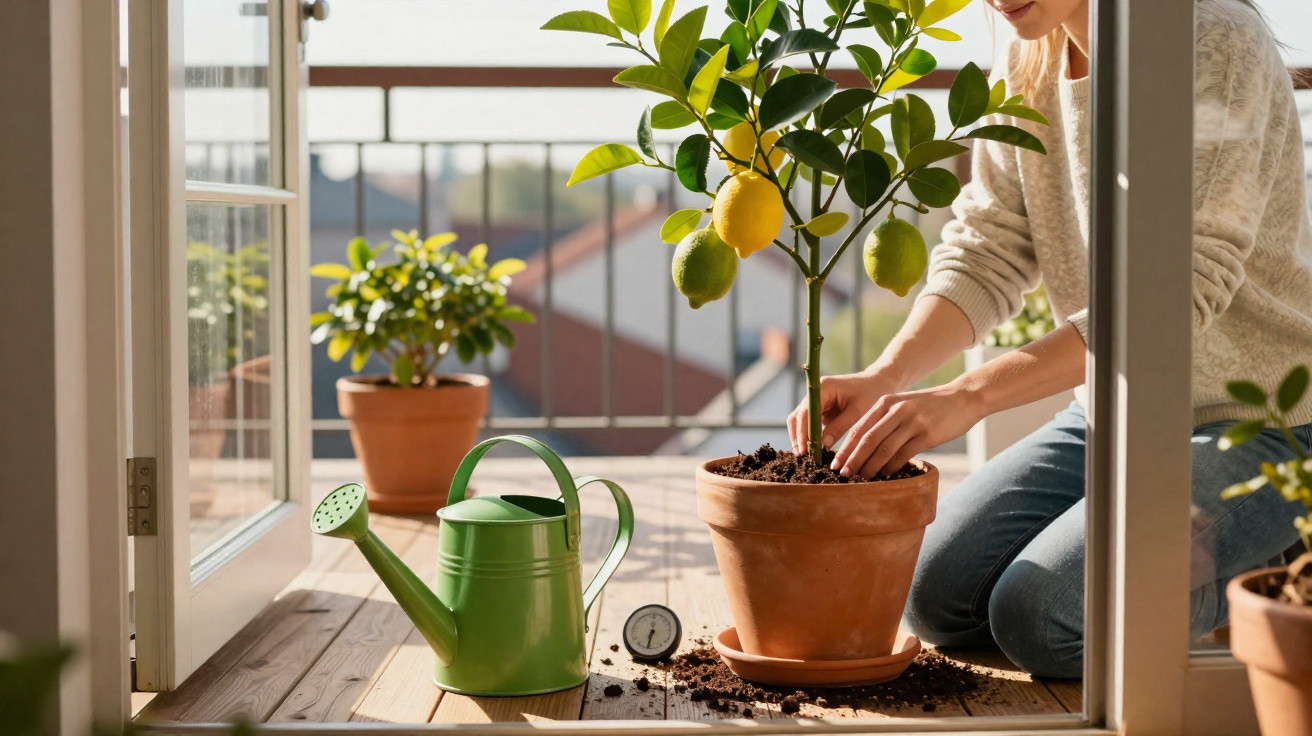
The good news is that nobody has to go without fresh mint. You simply need to keep it firmly in a pot. The key is ensuring the container is truly isolated. If a pot sits directly on soil, roots can grow through the drainage holes and the plant effectively “escapes” into the ground.
Ideal options include:
- pots on a terrace, balcony or balcony ledge
- containers placed on stone slabs or paving in the garden
- larger planters, so the root system has enough room
Pot culture brings several benefits at once: the spread stays controlled, watering benefits only the mint, and in hard frost you can move the container temporarily to a more sheltered place.
Root barriers in beds - effective, but not foolproof
Some gardeners deliberately want mint as ground cover or a fragrant carpet near a seating area. In a bed, that usually means installing a robust root barrier. Thick plastic sheeting, similar to what is used for bamboo, is fitted around the planting area at least 30 to 40 cm deep.
This approach is labour-intensive and not particularly cheap. It significantly reduces the urge to spread, but doesn’t always stop it completely. Over time, mint can climb over the top edge or exploit tiny gaps in the barrier. Even with a technical solution in place, regular checks remain essential.
Why the effort can still be worth it
A tough plant with genuine benefits
With all the drawbacks, it’s easy to forget why mint is so popular in the first place. In the kitchen, it’s a true multi-purpose herb: for fresh tea, a lift in water with lemon, in chocolate desserts, in fruit salads, or in savoury dishes ranging from Middle Eastern to Mediterranean. Few herbs convey a sense of freshness as strongly.
There are also potential wellbeing benefits. Many people swear by a cup of mint tea after a heavy meal, while others use the herb in homemade infused oils or as an ingredient in steam inhalations. So the plant can genuinely add value - as long as you keep it within clear boundaries.
Everyday tips for living peacefully with mint
If you already have mint in the garden and don’t want to remove it entirely, a few measures can help keep it in check:
- regularly slice back the spread with a spade and restrict the shoots
- only tolerate mint in areas where no sensitive plants are growing
- spot runners as early as possible and remove them
- harvest generously for the kitchen - frequent cutting slows growth a little
If you choose pot culture from the start and treat the plant like a powerhouse that needs firm limits, you can enjoy its toughness without sacrificing the garden. Mint can then remain what many people want it to be: an easy, productive culinary herb - not the hidden ruler of the entire plot.
Comments
No comments yet. Be the first to comment!
Leave a Comment