
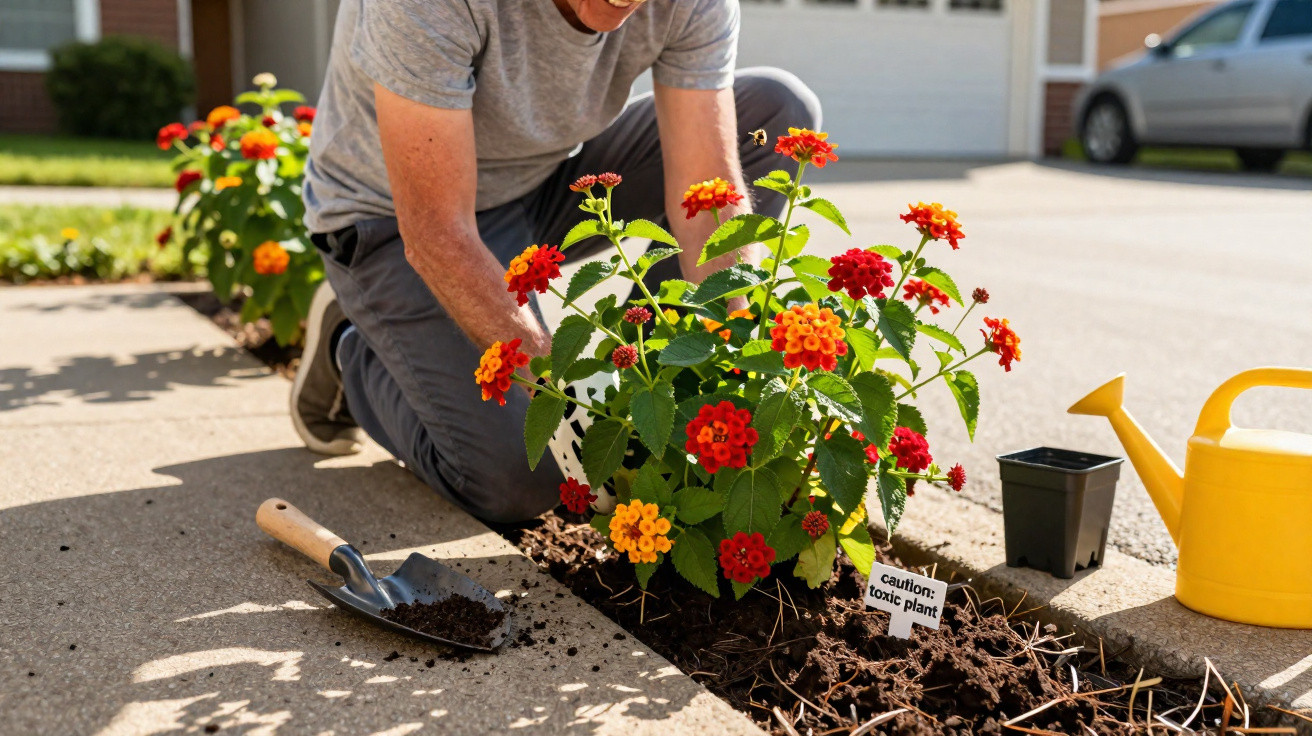
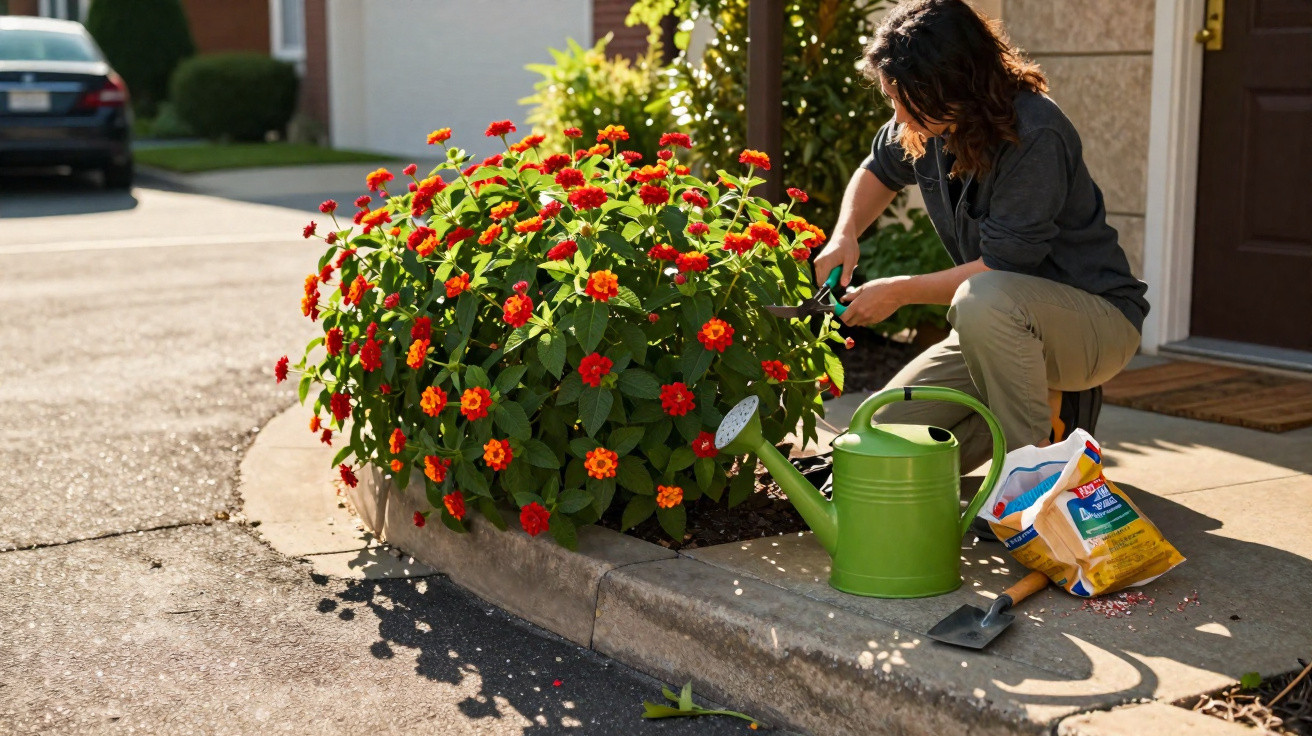
Many homeowners end up frustrated with their driveway: the surface throws off heat, cars kick up dust, in winter there’s spray from road salt and grit – and in summer the whole area can look dull, grey and lifeless. This is exactly where a small, heat-resistant flowering shrub comes into its own: Lantana camara ‘Hot Blooded’, a variety that turns heads and is currently a quiet favourite among hobby gardeners for planting along paths and driveway edges.
Why this shrub copes so well with the tough strip beside the driveway
This ornamental shrub originates from warm climates and belongs to the vervain family. In its native range it often grows in hot, sparse locations – which makes it particularly well suited to the narrow, demanding margins beside driveways and parking bays. Heat, short dry spells and the glare and reflected warmth from asphalt trouble it far less than many traditional bedding plants.
"Lantana ‘Hot Blooded’ combines exceptional heat tolerance with months of vivid red flowers – ideal for the tricky strip right beside the drive."
Its flower colour is especially striking: the clustered blooms begin in a warm yellow, shift through a bold orange, and finish in a deep red. All of these shades can appear at the same time on one plant. Along a paved approach, the effect is like a continuous, flame-coloured ribbon.
At around 60 cm tall and roughly the same in spread, the shrub stays neat and contained. Car doors can still open without hassle, and sightlines at junctions remain clear. It forms a cushion-like mound and fills gaps quickly without swamping the space.
The key benefits at a glance
- very long flowering period from roughly May to October
- intense colour impact from yellow through orange to dark red
- compact habit, about 60 × 60 cm
- strong tolerance of heat and short periods of drought
- handles splashes of road salt and proximity to traffic well
- popular nectar source for bees and butterflies
- sterile variety, produces no viable seeds and does not spread uncontrollably
Sterility is a real advantage here: the shrub does not self-seed and stays exactly where you plant it. That keeps driveway edging crisp and tidy, without the constant job of pulling out seedlings.
Site: where the fiery red shrub thrives most
To get the best performance from this plant, place it in as much sun as possible. Consider at least six hours of direct sunlight per day the minimum. In partial shade it produces fewer flowers and the growth becomes looser and less compact.
Soil conditions also matter. Right beside a driveway, the ground is often compacted, disturbed by building work, or mixed with rubble and stone. Lantana tolerates this surprisingly well, provided excess water can drain away quickly and the roots are not left sitting in water.
"The hotter, sunnier and drier the edge, the more this shrub shows what it can do – it simply won’t tolerate waterlogging."
Preparing the soil: how to plant successfully
If you want to plant several specimens along a driveway, it’s easiest to work in sections and loosen the soil thoroughly. This straightforward sequence helps:
- Dig a planting hole two to three times wider than the root ball.
- Loosen the soil at the bottom with a garden fork so water can drain away.
- Mix compacted soil with gravel or expanded clay to improve permeability.
- Set the plant so the top of the root ball sits level with the surrounding soil surface.
- Water in well so any air pockets around the roots close up.
- Apply a thin mulch layer of gravel or grit to match the driveway surfacing.
Space the shrubs ideally 60–90 cm apart. Over time, they knit into closed yet airy cushions that read like a natural kerb line.
Care through the year: little effort, big impact
During the first summer, young plants need a bit more attention. Soil beside asphalt or paving dries out faster, so it pays to check regularly: if the ground dries quickly, give a thorough drink. Once the root system has established, the plant can go for several weeks without watering.
Even extreme heat is not a major issue. The radiant warmth from concrete or dark paving affects these shrubs less than it does many perennials. In wetter spells, well-draining ground helps take pressure off the roots.
Another bonus: browsing damage is uncommon. Deer and rabbits usually avoid lantana, which is particularly helpful in gardens on the edge of town.
Winter protection and pruning by region
Cold tolerance depends strongly on where you live. In areas with relatively mild winters, plants can remain outdoors. In those conditions, a hard cut-back in late winter or early spring is sufficient. Shorten the shoots decisively to remove old, woody growth. Strong new shoots then appear quickly and bring back abundant flowering.
In places with harder frosts, two approaches work well:
- In the ground with protection: cut the shoots down close to the soil and cover the base with a thick mulch layer of leaves or bark chippings.
- Container growing: place plants in large pots along the driveway and move them in autumn to a bright, frost-free room.
In pots, the shrubs tend to be a little more sensitive, but you gain flexibility – handy if you want to clean the driveway or change the layout.
Take care with children and pets: a toxic beauty
As appealing as the shrub looks, there is an important drawback: all parts of the plant are considered poisonous. The fruits can be tempting to children, although this variety generally does not form seeds. Even so, it’s wise to think carefully about placement.
"If you have young children or curious pets, don’t plant the shrub right beside play areas or favourite routes."
When pruning or replanting, wearing gardening gloves is sensible so sap does not unnecessarily contact your skin. Do not put prunings on compost heaps that animals can access.
Added value for insects and design ideas for the driveway
Despite being sterile, the plant produces plenty of nectar. Bees, bumblebees and butterflies regularly visit the bright flower heads. This can create a kind of “nectar ribbon” along the driveway, combining visual impact with ecological benefit.
Planting becomes even more effective when you pair the shrub with other drought-tolerant species, for example:
- silver-leaved ground cover such as sweet alyssum or cotton lavender
- low ornamental grasses to add movement
- cushion-forming perennials such as thyme or low-growing sage
On a narrow, long driveway, you can plant the shrubs in a staggered pattern to create a subtle zig-zag. This breaks up the rigid line of the drive without reducing practicality.
If you are redesigning the driveway anyway, loosen the edge zone more deeply and refill it with a free-draining growing medium. A build-up of hardcore beneath, topped with a loose, sandy-gravel planting soil, creates excellent conditions for lantana and other steppe-style plants. That way, a bare, scorching trouble spot becomes a colourful, low-maintenance border that noticeably lifts the look of the whole front of the house.
Comments
No comments yet. Be the first to comment!
Leave a Comment