
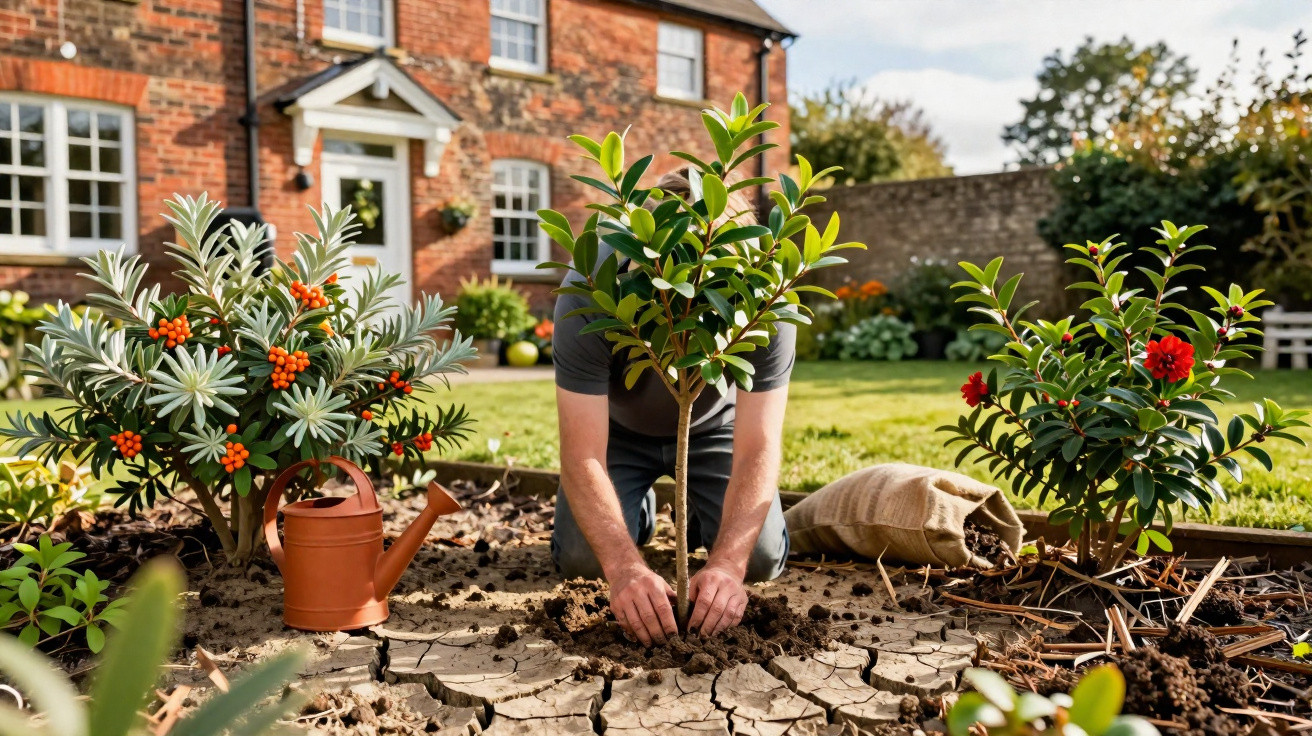
Increasingly scorching summers are taking a heavy toll on traditional fruit varieties. Apples, cherries and pears can hit their limits as soon as the first heatwave arrives. Anyone who still wants fresh fruit from their own garden is now looking for heat-tolerant alternatives. One little-known fruit tree from Asia has suddenly moved into the spotlight - and it has what it takes to become the favourite of the coming gardening season.
A fruit tree for extreme conditions
Recent years have made it clear just how fragile many home orchards can be. Scorched canopies, shrivelled fruit and empty water butts: plenty of gardeners feel fed up and either give up or turn to ever more water-hungry irrigation set-ups. At the same time, demand is growing for plants that cope with less water while still producing reliably.
This is exactly where the jujube tree (Ziziphus jujuba), also known as the Chinese date, comes into its own. It originates in northern China and parts of Mongolia - areas known for harsh winters and very dry, hot summers.
“Among experts, the jujube tree has long been regarded as the ‘fruit tree of the future’ for dry gardens.”
In its native range, the tree can face winters down to -25 °C and summers when temperatures readily climb to 40 °C. Humidity is often very low, too. Because it is adapted to these kinds of extremes, it is becoming more and more appealing for Central European summers.
Why the jujube tree copes so well with drought
Unlike many classic fruit trees, the jujube does not depend on deep, rich soil. It can manage with:
- very poor, low-nutrient soils,
- sandy sites,
- compacted ground, provided it drains well.
What it cannot tolerate is wetness. Waterlogging or permanently damp, boggy corners are unsuitable, as they can lead to root rot and stunted growth. Put it instead into loose, free-draining soil and it will anchor itself securely and develop a deep root system.
Once the tree has properly established, its water needs drop markedly. While apple and cherry trees can seem desperate for the hose in high summer, the jujube can get by with surprisingly little and still set fruit.
“Well-established specimens often show full fruit set even when other fruit trees have already started to droop.”
Another advantage is how tough it is. The tree is considered notably resilient to diseases and pests. In many gardens there have so far been few, if any, significant problems with fungi or insects - which can greatly reduce the need for plant protection products.
There is more: the jujube tree is self-fertile, so it does not require a second tree for pollination, and it is not prone to ‘off years’. As a rule, it crops annually - a strong point for small gardens and urban plots.
Spring planting: how to give the jujube tree the best start
If you want to introduce this tree to a dry climate, spring is the ideal planting time. The soil is warming, severe frosts are unlikely, and the roots have months to spread before the first major summer drought arrives.
Step-by-step planting guide
Planting is broadly similar to other warmth-loving fruiting shrubs and trees, such as pomegranate. A simple plan:
- Dig a generous planting hole, wider and deeper than the root ball.
- Mix the excavated soil with mature compost or well-rotted farmyard manure - enrich lightly, rather than “overfeeding”.
- Position the tree so that the transition between trunk and root (the root collar) sits level with the soil surface.
- Backfill with the prepared soil and firm gently to remove air pockets.
- Water thoroughly after planting and keep the soil slightly moist during the first few months.
A mulch layer around the trunk - for example, chipped prunings, straw or leaves - helps moisture stay in the soil for longer and encourages soil life. After the first year of establishment, you can gradually reduce watering.
How the jujube tree fruits - and what the jujubes taste like
Many gardeners only know the fruit by name. In shape, jujubes resemble small, oval apples or large olives. Depending on the variety, they start off green and later turn brown to reddish-brown. When fully ripe, the skin can feel slightly leathery.
Flavour-wise, they are hard to pigeonhole: a blend of apple, date and a hint of caramel, especially when properly mature. In Asia they are used fresh, dried or candied - in cooking, in tea, in desserts, or simply as a healthy snack.
“If you want the full flavour, wait until the fruits are almost completely brown and slightly soft - that’s when the tree shows what it can do.”
In Central European locations, harvest usually starts in autumn, often in October and November. That means the jujube can fill a gap after many traditional fruit crops are already finished.
The smart dry garden: jujube, sea buckthorn and pomegranate
If you are redesigning your garden to be generally drought-resistant, it helps not to rely on just one species. Things get particularly interesting when several drought-tolerant fruit trees and shrubs complement each other. In specialist circles, one three-plant combination comes up repeatedly: jujube tree, sea buckthorn and pomegranate.
Sea buckthorn as a natural soil improver
Sea buckthorn (Hippophae rhamnoides) also comes from harsh regions of Europe and Asia. It thrives in sunshine and wind and is happy on poor soils. What makes it especially valuable is a clever mechanism: through a symbiosis at the roots, it fixes nitrogen from the air and makes it available to the soil.
In practice, that means it boosts nutrient availability without fertiliser and can support neighbouring plants. Its bright orange berries are considered vitamin C powerhouses and are extremely popular with birds.
Pomegranate brings a Mediterranean feel to the garden
The pomegranate (Punica granatum) fits well into this trio. It originates in the Mediterranean region and tolerates sunny, warm positions as well as short spells of frost. Some varieties, in a sheltered spot, can withstand temperatures down to around -10 °C.
With its striking flowers and hefty fruits, it adds strong visual interest. It prefers full sun and fairly free-draining soil, but it can cope with slightly acidic through to slightly alkaline ground.
| Species | Strengths | Harvest period |
|---|---|---|
| Jujube tree | very drought-tolerant, low susceptibility to disease, self-fertile | October to November |
| Sea buckthorn | fixes nitrogen, thrives on poor soils, valuable vitamin C-rich berries | late summer to early autumn |
| Pomegranate | warmth-loving, decorative, adaptable to different soils | late September to October (depending on variety and site) |
Together, they create a fruit-growing area that needs very little extra watering and spreads the harvest across several months. Sea buckthorn colours late summer, pomegranate follows in early autumn, and the jujubes come last in late autumn.
What to consider when choosing a site
For all its toughness, the jujube tree still needs a few basics in order to reach its potential:
- Plenty of sun: ideally a position with at least six hours of direct sun per day.
- Shelter from wind: young trees appreciate a reasonably protected site, for example near a wall or hedge.
- Drainage: plant slightly raised or add a drainage layer if your garden is prone to waterlogging.
- Patience: some specimens take one or two years before they really take off - but then they keep going for a long time.
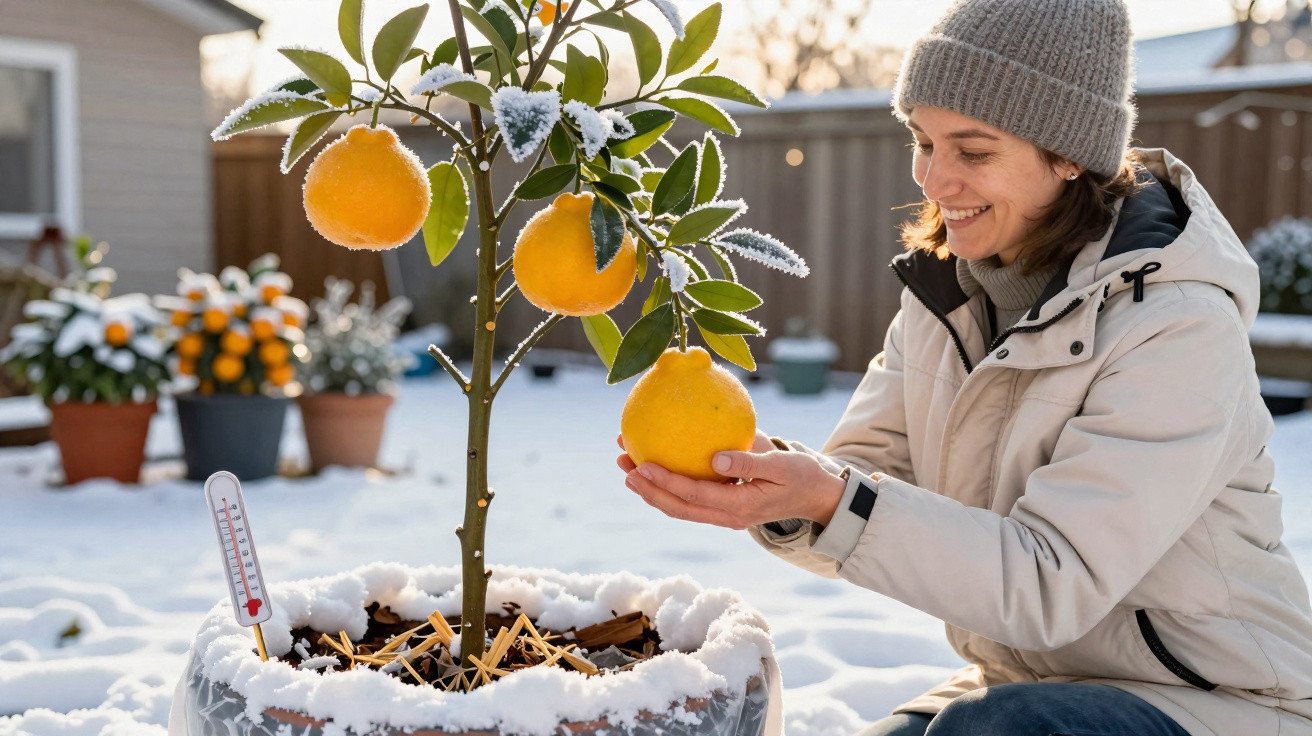
If you live in very cold regions, protect young plants with horticultural fleece for the first few winters, or keep them in a pot and overwinter them frost-free but cool. Older trees can tolerate markedly more cold.
How the jujube tree can fit into our gardening tradition
The term “Chinese date” may sound exotic, but in practice the fruit is surprisingly easy to use. Jujubes can be dried, made into purée, or added to muesli and baking recipes. In Asia they are traditionally seen as an energy booster for the cold season.
The ecological angle is also worth noting: late flowering times and heavy fruiting provide food for insects and birds when other crops have long since been harvested. Anyone aiming for diverse, climate-resilient gardens will find this tree a useful building block that can be combined well with native woody plants.
Choosing climate-ready fruit trees like this does not mean banning apples and cherries altogether. Instead, it offers a way to spread the risk: keep some traditional varieties, and add hardy, low-water species such as the jujube tree. That way, even in drought years, your garden remains more than a collection of dried-out twigs.
Comments
No comments yet. Be the first to comment!
Leave a Comment