
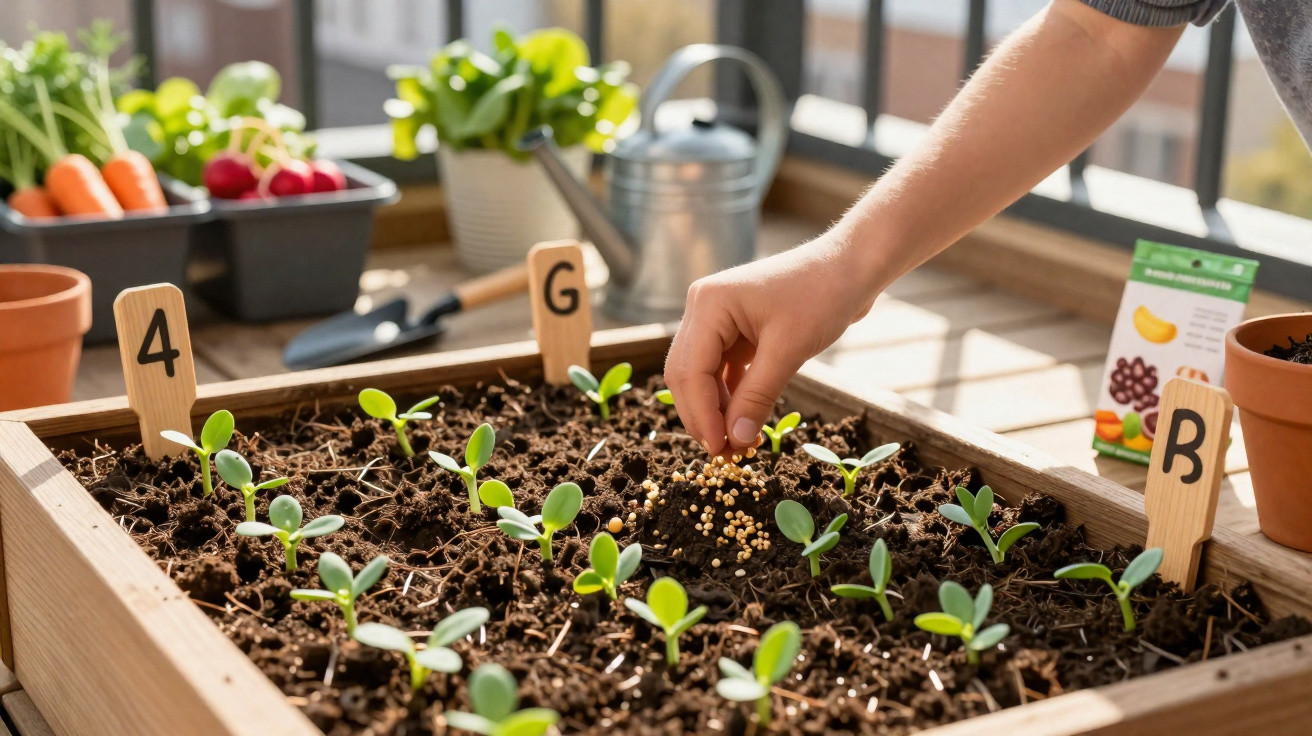
The beds still look bare, the air is crisp - and this is exactly when you lay the groundwork for the first truly generous plate of home-grown veg of the year.
While plenty of hobby gardeners are still holding off, professionals and seasoned self-sufficiency growers are already getting started. If you begin with the right crops at the end of February, you’ll be eating your own vegetables earlier in spring - and they’re often more tender and more aromatic too. The formula is simple: tough varieties, smart sowing technique, and a bit of cold tolerance.
Why sowing early gives your vegetable garden a serious head start
By late February, the days are noticeably longer, and there’s more happening in the soil than you might expect. The ground may still be cool, but plants respond strongly to the increasing light. An early sowing date lets you take advantage of that natural head start.
"If you sow at the end of February, you gain around three weeks on harvest on average - and it often feels like an entire season."
Seedlings develop slowly, but sturdily. They adapt to chilly nights and light ground frosts, rather than being caught out later in spring by a sudden cold snap. The result is stronger plants with compact leaves and reliable, well-anchored roots.
There’s another benefit as well: you effectively extend your season. Early-sown rows provide the first pickings, while later sowings follow on behind. Your bed ends up producing in layers, instead of delivering everything at once.
These 8 vegetables love an early start
The crops below are proven choices for a cold start. They work outdoors (with simple protection) as well as in a cold frame or an unheated polytunnel.
| Vegetable | Sowing depth | Spacing | Harvest time after sowing |
|---|---|---|---|
| Broad beans | approx. 5 cm | rows about 25 cm apart | around 10–12 weeks |
| Peas | approx. 4 cm | seeds every 8–10 cm | around 10–12 weeks |
| Spinach | 1–2 cm | rows 30–35 cm apart | about 4–6 weeks |
| Early radish | approx. 1 cm | rows 10 cm apart | around 4–5 weeks |
| Cut-and-come-again lettuce / loose-leaf lettuce | very fine, about 1 cm | can be quite closely spaced | roughly 5–6 weeks |
| Early kohlrabi turnips (May turnips) | 1–2 cm | 20–30 cm between rows | about 7–10 weeks |
| Early carrots | shallow drill, cover lightly | rows approx. 30 cm apart | around 7–10 weeks |
| Spring onions | sow in dense lines | fairly close spacing for slim stems | about 6–10 weeks |
How to prepare early beds properly
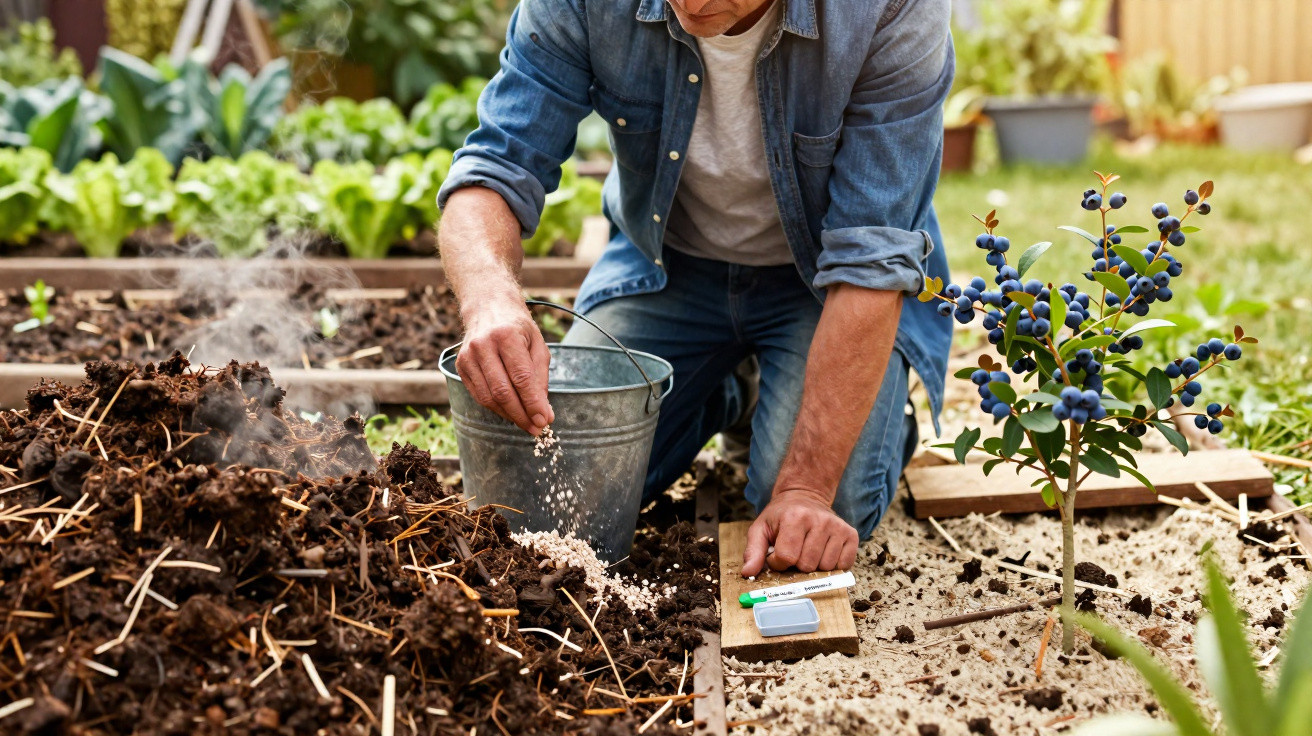
The soil doesn’t need to be warm - it simply has to be workable. If the earth still sticks heavily to your spade, wait for a few dry days. Aim for soil that’s loose, crumbly and free of large stones; that’s the foundation that lets fine roots take hold quickly.
Light beats heat
Many people underestimate how crucial brightness is. Even if you’re sowing in trays or boxes, the rule remains:
- Put containers straight on a bright windowsill, ideally facing south or west.
- In an unheated greenhouse, clarity matters most - don’t let the panes get grimy.
- Cool and very bright is better than warm and dim; otherwise seedlings become leggy.
At night, temperatures can absolutely dip into single figures. Brief cold spells don’t just make these hardy crops tougher - they often improve flavour too, with spinach and May turnips becoming sweeter and milder.
Watering and protection - done right
Use a fine, free-draining compost, or well-loosened garden soil. After sowing, water in lightly - ideally with a watering can fitted with a rose so the seeds aren’t washed away.
"The seedbed should be evenly moist, but never dripping wet - waterlogging is the most common late-winter cause of rot patches and fungal problems."
For overnight protection, a simple layer of horticultural fleece or an old window frame covered with polythene is often enough:
- Lay fleece loosely over the rows and weigh down the edges with stones.
- If frost is forecast, close coverings in the evening and open them in the day for ventilation.
- A thin mulch of dry leaves or straw helps hold warmth in the soil.
Small spaces and balconies: getting an early harvest in containers
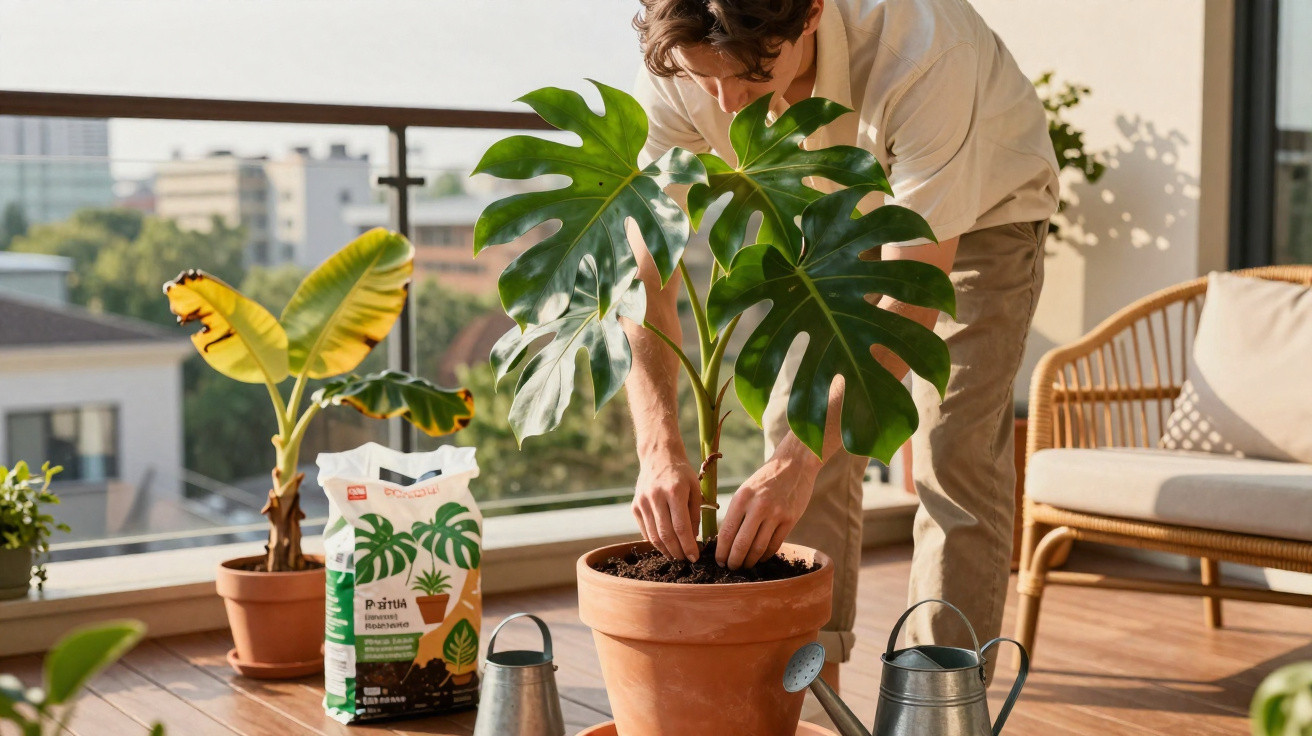
You can still make use of the late-February push even without a garden. On a balcony or terrace, many of the vegetables listed above grow surprisingly well in boxes and pots.
Choosing the right pot size
For radishes and loose-leaf lettuce, a container depth of about 15–20 cm is sufficient. Spinach and spring onions manage with a similar depth too, as long as the surface area isn’t tiny. The more compost volume you have, the easier it is to keep moisture levels steady.
A staggered sowing pattern is particularly useful:
- sow a narrow row every 10–15 days,
- harvest older plants little by little,
- re-sow immediately wherever gaps appear.
That way, the box never fills up all at once and you’ll keep harvesting steadily, rather than having a brief glut followed by nothing.
Typical mistakes that can cost you your early harvest
Right at the start of the season, small slip-ups can waste valuable time. Three issues come up again and again:
- Sowing too deep: Fine seeds (lettuce, carrot) struggle to break through a thick layer of soil. It’s better to sow a touch too shallow and gently firm down if it’s windy.
- Too much water: People often drown seedlings out of worry. Check with your finger: if the soil feels lightly moist at a depth of 1–2 cm, that’s plenty.
- Not enough light: On the north side of the house or behind curtains, young plants stretch quickly, stems become thin, and they topple over easily.
A simple three-step plan to get started
If you tend to get sidetracked, stick to a straightforward routine. That’s often all it takes to begin:
- Prepare materials: gather seed, compost, set up boxes or beds, and write labels.
- Sow: follow the sowing depths from the table, mark rows, firm lightly, and water in moderately.
- Protect and monitor: add fleece or a cloche, then check daily for moisture and any damage from slugs or birds.
Put in an hour or two now, and by April or May you’ll be picking your first home-grown lettuces, radishes and spinach - at the point when others are still searching the garden centre for plug plants.
What terms like “early carrot” and “May turnip” actually mean
Many seed packets include additions such as “early”, “express” or “for pre-cropping”. These labels usually indicate varieties bred to grow quickly in cool weather and to resist bolting. Early carrots, for instance, tend to stay a bit smaller, but they form sweet, tender roots fast.
May turnips - sometimes sold under marketing names - are very different from coarse autumn swedes. They remain smaller, have a delicate, almost buttery texture, and taste mild with a gentle nuttiness. It’s exactly the sort of vegetable you’ll want to sample raw the moment it comes out of the bed.
Smart bed combinations: what pairs well together
With a few simple tactics, you can use your space more efficiently. Slow-growing crops can share a bed with quick starters:
- Sow a thin line of radishes between rows of early carrots - the radishes will be harvested before the carrots genuinely need the room.
- Plant spring onions along the bed edges. They take up little space and rarely bother neighbouring crops.
- Scatter loose-leaf lettuce as a “gap filler” between slower crops, thinning as needed.
This not only makes the bed look green sooner; it also delivers a noticeably higher yield per square metre. And that’s precisely why the small advantage you gain by sowing before the end of February is worth it.
Comments
No comments yet. Be the first to comment!
Leave a Comment