
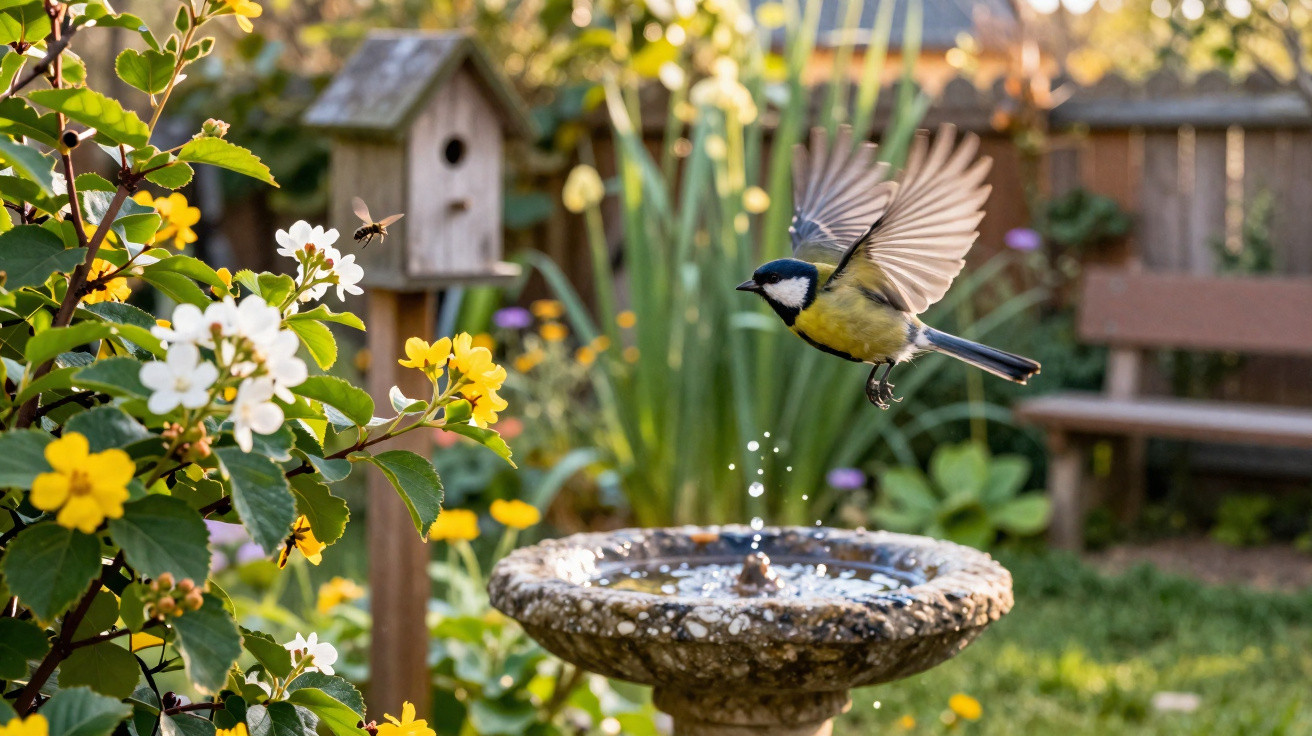
A modest little bird can play a surprisingly big part in the fight against the much-feared Asian hornet - provided your garden suits it.
As beekeepers and keen gardeners have battled the spread of the Asian hornet for years, one native garden bird has been doing quiet work in the background. The great tit, often seen simply as a cheerful visitor at a feeder, goes after these pests where they are most vulnerable. With a few straightforward tweaks to your garden, you can encourage this helper to stay - while also creating a lively, wildlife-friendly haven.
Asian hornet: Why it is so dangerous for bees
Across large parts of Europe, the Asian hornet has expanded at speed. In just a few years it has taken hold over wide areas, found plentiful food and - in many places - faced very few natural enemies. Bee colonies, in particular, come under serious strain.
A single colony consumes vast quantities of insects, and honeybees are among its main targets. For beekeepers, that can mean weakened hives; for gardeners, fewer pollinators at work. Over time, this can noticeably reduce both flowering and yields in your own garden.
Poisons, traps and other human interventions may cut nest numbers, but they rarely solve the issue completely. At the same time, nature starts to produce its own counterweights: native species that learn to treat the newcomers as food.
Great tit: The quiet hunter in the shrubs
The great tit does not make a dramatic, head-on attack on hornets in flight. Instead, it takes a different approach - cautious, clever and remarkably effective.
Rather than tackling a strong colony at full speed, the bird exploits weak points. In spring and autumn, or whenever temperatures drop, it targets hornets and related insects when they are sluggish:
- Larvae in weakened or abandoned nests
- Individual, half-stunned insects close to the nest
- Insects that stray too far from the colony
During the breeding season, great tits’ food demand rises sharply. A pair feeding several chicks may fly to the nest hundreds of times a day - each trip typically bringing an insect. That prey can include hornet larvae, as well as caterpillars, beetles or aphids.
"A single pair of great tits can remove several thousand insects from a garden in one season - with no poison and no effort on your part."
To people, a great tit looks harmless - almost cute. To many garden pests, it is a serious threat. Its hunting can noticeably reduce nuisance insects, and its presence often adds to the general buzz of wildlife, as other bird species are drawn to a garden that feels safe and productive.
How to make your garden attractive to great tits
If you want these birds to settle in for the long term, three things matter most: a secure nesting place, enough food and a sense of calm. Putting that in place is surprisingly simple.
Choosing and positioning a nest box properly
The right nest box is often the single most important change you can make. For great tits, a plain wooden box without varnish or bright paint is best. Chemical coatings can deter them and may even be harmful.
Key dimensions for a suitable nest box:
| Feature | Recommendation |
|---|---|
| Entrance hole diameter | approx. 32 mm |
| Internal width | about 12 cm |
| Internal depth | about 12 cm |
| Height above ground | at least 2–3 metres |
An ideal position faces south or south-east and is tilted slightly forward. This helps keep the interior dry and reduces overheating. Choose a quiet spot - not directly above a patio or beside paths that are used constantly.
Autumn is the best time to put the box up, as birds start scouting potential breeding sites for the next season. At least once a year - ideally in October - it is worth cleaning the box thoroughly.
A garden that is allowed to live - not a sterile showpiece
Many gardens look immaculate, yet offer very little for birds and insects. Closely mown lawns, few shrubs and no dead wood can leave a great tit with almost nothing to work with.
To encourage them, it helps to deliberately allow a bit of untidiness:
- A mixed hedge rather than a single-species row of conifers
- A wilder corner with nettles, leftover perennial stems and leaf litter
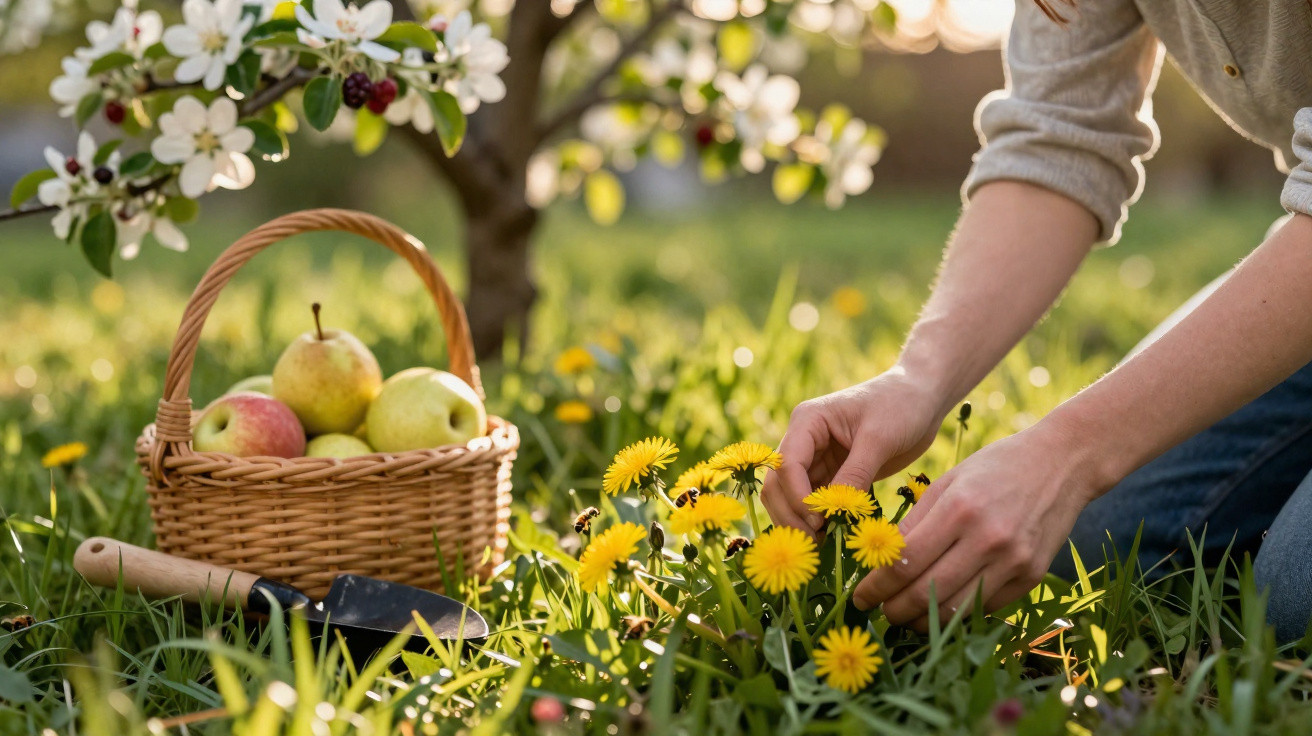
- Shrubs such as elder or guelder rose that attract plenty of insects
These features provide cover, nesting material and - most importantly - food. The more insects your garden supports, the more appealing it becomes to great tits.
If you use insecticides generously, you undermine your own efforts. These products wipe out not only pests but also vital prey species. Without that food base, birds simply move on - and the natural checks and balances collapse.
Setting up a water source and a quiet area
A simple bowl of water can make a real difference. Birds need to drink, and shallow water is also used for bathing. A small, clean pond or a raised bird bath is more than enough.
Place the water where there is a clear view, so birds can spot danger early. A few shrubs nearby are useful, as long as they do not block sightlines - they provide somewhere to perch, preen and dry off.
If children, a dog and the barbecue area are right next to the nest box, you are more likely to scare birds away than welcome them in. A quieter section of the garden that you only pass through occasionally will greatly improve your chances.
Is the great tit alone enough against the Asian hornet?
The honest answer is no. One species on its own will not resolve the hornet problem. Great tits can weaken colonies, pick off individual insects and reduce pressure a little. Proper control requires several strands working together.
Other bird species can also play a part:
- The red-backed shrike, which takes larger insects and impales them on thorns
- The blue tit, which hunts in gardens in a similar way to the great tit
- The European bee-eater, which catches large insects mainly in certain regions
Each species contributes a small share. The more structurally varied your garden is, the more wildlife it can support - and the more widely the hunting pressure is spread across pest species.
"If you design your garden to be bird- and insect-friendly, you build up a natural defence system against pests step by step."
Practical tips to get started in your own garden
Many improvements can be done over a single weekend. One workable plan looks like this:
- Buy a nest box or build one yourself, then hang it in a quiet spot
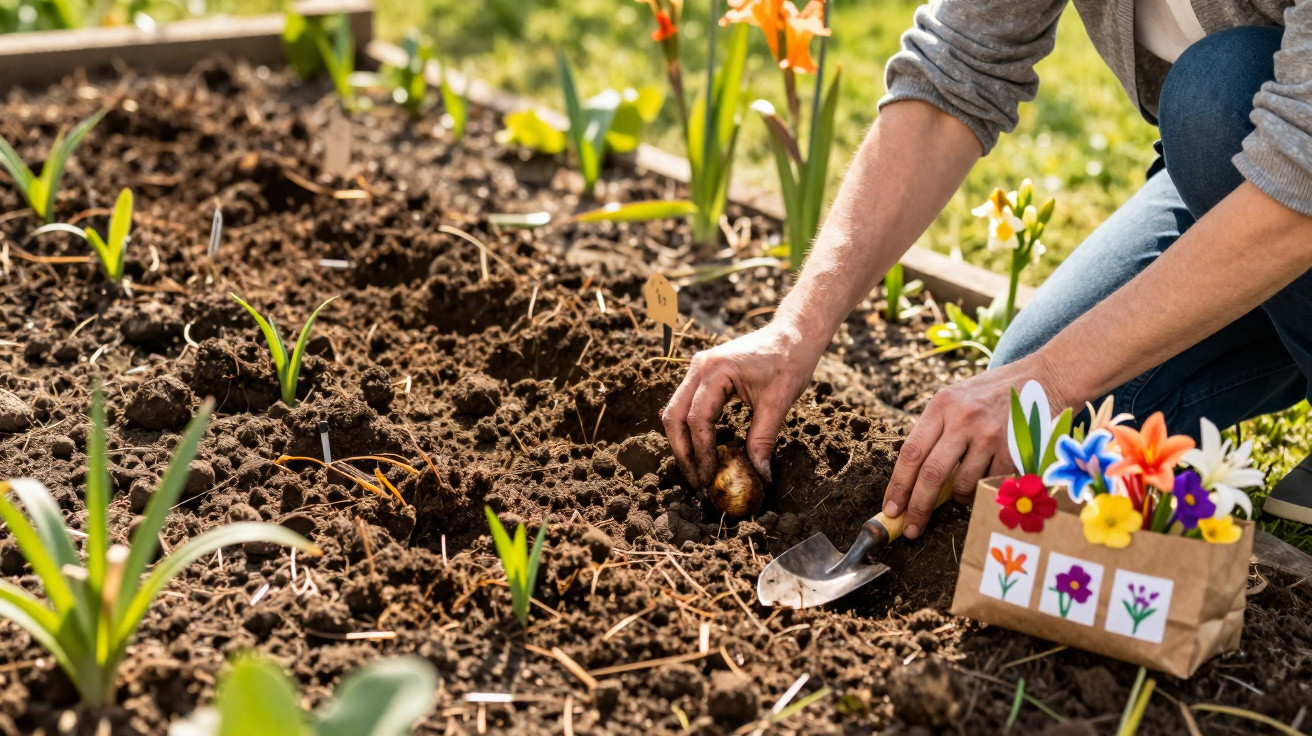
- Set aside an area as a “wild zone” and cut back less often
- Plant at least two insect-friendly shrubs, such as elder or Cornelian cherry
- Put out a shallow water dish and clean it regularly
- Reduce pesticides in the garden sharply, or stop using them altogether
If you also offer a feeder in the colder months, you will get to know great tits up close very quickly. One important point: in spring and summer, the feeder should take more of a back seat, so the birds switch back to natural prey.
Background: Why the Asian hornet is so successful
The Asian hornet benefits from several advantages: milder winters, abundant food, few enemies and human-made structures such as sheds, lofts or dense shrubbery. It often builds nests higher up, which makes control efforts more difficult.
By late summer, colonies reach their peak strength. That is also when pressure on apiaries and gardens rises. At this stage, weaker individuals and larvae are especially likely to become prey - and this is exactly where birds such as the great tit can have an impact.
If you notice nests on your property, you should contact specialists rather than attempting to deal with them yourself. A hornet sting is painful and can be dangerous for people with allergies.
More nature, less stress: What your garden gains
A garden that attracts great tits tends to change by itself: fewer sterile spaces, more flowers, more buzzing and more birdsong. That reduces the perceived need for chemicals and makes time outdoors more enjoyable.
Children benefit in particular. They can watch birds gather nesting material, feed their chicks and bathe in water. “Nature conservation” stops being an abstract concept and becomes something they can see right outside the door.
Of course, the Asian hornet remains a serious issue for beekeepers and local authorities. But by supporting a small bird like the great tit, you bring a reliable ally into your garden - day after day, season after season. And it is often these many small steps that achieve more over the long term than a single, one-off action using poison and equipment.



Comments
No comments yet. Be the first to comment!
Leave a Comment