
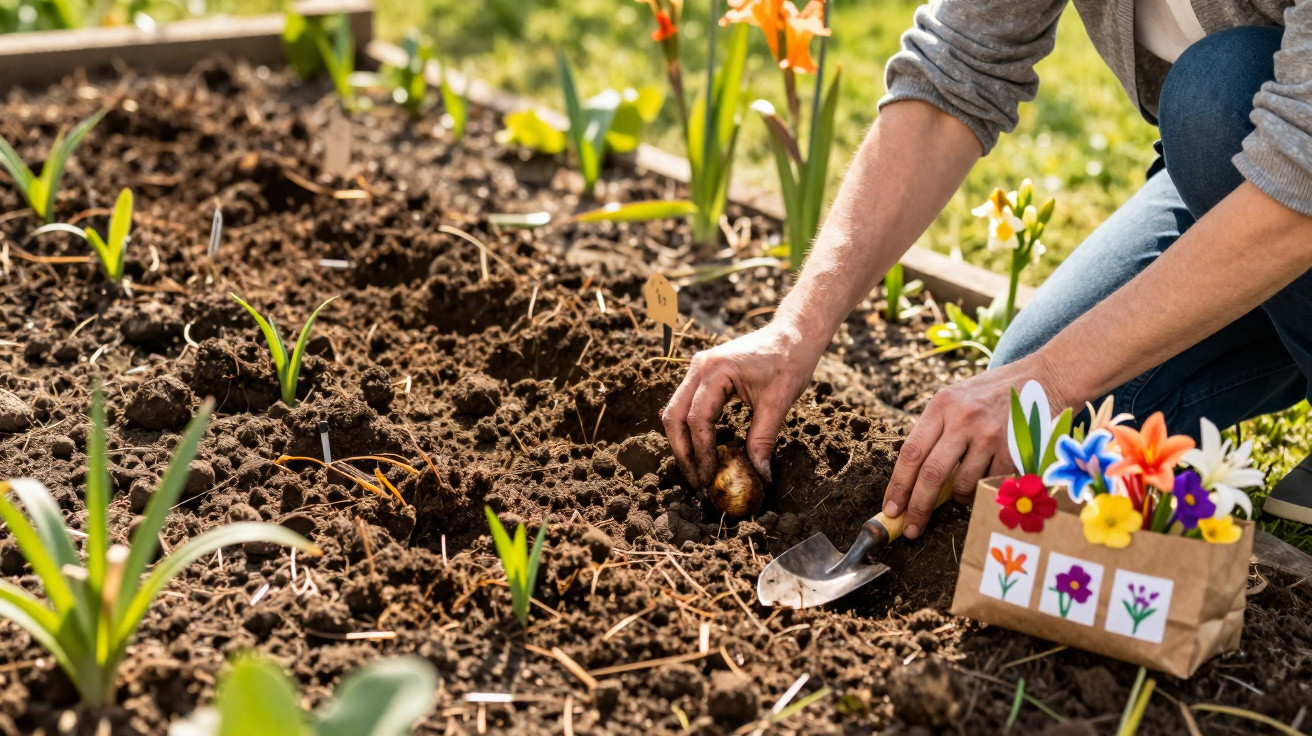
Spring has only just begun - yet this is the moment that determines whether your garden will be packed with flowers in summer or left with bare patches.
Anyone standing in July, baffled by gaps in the border, usually missed an opportunity in April. By planting the right summer tubers and bulbs now, you set yourself up for months of colour - without having to keep buying replacement plants.
Why April is the hidden key to summer flowering
In April, the soil starts to wake up: it is no longer icy cold, but it still holds plenty of moisture from winter. That particular mix is exactly what most summer-flowering tubers and bulbs prefer.
"If you plant in April, you give your summer flowers a head start - strong roots, less watering stress and a longer flowering period."
Before any real heat arrives, the plants can quietly establish their root system. As a result:
- the soil around the tuber does not dry out as quickly,
- you will need the watering can less often,
- plants cope better with heatwaves,
- flowering usually begins earlier and lasts longer - often from June right through to October.
In cooler areas where late frosts are still a risk, April is the ideal time to finally get tender summer tubers into the ground outdoors. In very mild locations you can begin in late March too, as long as the soil is no longer waterlogged or frozen.
How to plant summer tubers correctly - step by step
Before you even pick up a spade, it pays to check the planting material carefully. Tubers and bulbs should feel firm, with no mould and no soft spots. Store them somewhere cool and dry until planting time - ideally in paper, not plastic.
The right soil can make or break the result
Summer tubers cannot stand waterlogging. Heavy, clay soil that holds little puddles after rain is a recipe for failure. The best option is a loose, free-draining base.
- Loosen compacted ground with sand or fine grit.
- Work in compost so the plants have nutrients.
- Avoid spots prone to standing water; instead, create a slightly raised bed.
How deep should tubers and bulbs be planted?
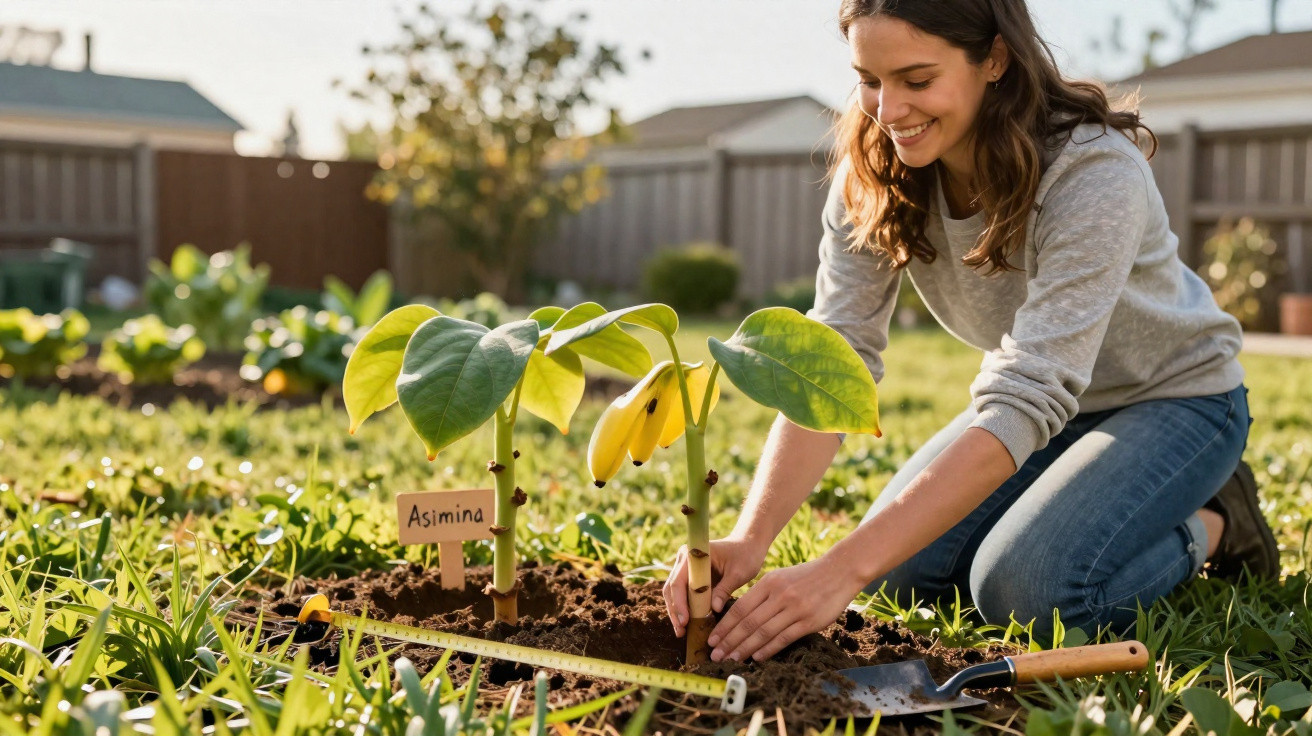
A simple rule of thumb works in most cases: plant them 2.5 to 3 times as deep as the tuber is tall. If it measures about 5 cm, the planting depth is around 12 to 15 cm.
| Plant | Example tuber height | Planting depth |
|---|---|---|
| Dahlia | 6 cm | 15–18 cm |
| Lily | 4 cm | 10–12 cm |
| Begonia (tuber) | 3 cm | 7–9 cm |
Pointed bulbs go in with the tip facing upwards. With flatter tubers such as begonia, you can usually spot a slightly indented side - that is where the shoots will emerge, so that side should face up.
After placing them, firm the soil down well and water thoroughly. A thin layer of mulch then helps reduce evaporation and protects against heavy rain compacting the surface. Taller varieties benefit from a support cane, which is best pushed in at planting time.
The 7 best summer tubers for a flowerbed with no gaps
Dahlia - the long-running star of the perennial border
Dahlias go into the ground between April and May, once hard frosts are no longer expected. They reward a little patience with an extraordinary burst of colour, often from July right into October.
From neat pompon types to huge decorative blooms, the range is enormous. To keep the border flowering evenly, plant several varieties with different heights:
- low types up to 50 cm for the front and for pots,
- mid-height varieties for the centre,
- giant dahlias for the back.
Deadheading faded flowers regularly encourages more blooms and stops the plant wasting energy on seed production.
Lily - scented elegance with height
Lilies add structure to borders. Their upright stems and often intense fragrance make them instant focal points. Depending on the variety, they flower between June and August.
They prefer a well-drained, humus-rich soil and a position where the “head is in the sun” while the “feet are in the shade”. You can achieve this by planting them among smaller perennials that shade the soil and keep the bulbs cooler.
Tuberous begonia - a bright answer for shady corners
If you have darker areas on the balcony or in the garden, begonias are a strong choice. Their tubers cope with partial shade to full shade and flower from July into autumn, often without a break.
They are ideal for:
- window boxes on north- or east-facing sides,
- pots on shaded patios,
- border edges beneath lightly canopied trees.
Keep the compost consistently lightly moist, but never wet. Standing water quickly leads to rot, so always make sure containers have a drainage hole.
Gladiolus - the classic cut flower with impact
Gladioli produce tall, slender flower spikes that add height and drama to borders. Depending on when you plant, they can flower throughout summer. If you plant fresh corms every two weeks, you will get staggered blooms well into late summer.
They need full sun and a position sheltered from strong winds, as the heavy flower spikes can topple. In exposed gardens, a sturdy support cane per row is a worthwhile precaution.
Canna - tropical character for sunny borders
Canna, also known as Indian shot, thrives on warmth and sun, plus a rich, free-draining soil. With its broad leaves - often veined in red or yellow - it can look almost like a banana plant and brings a holiday feel to the garden.
From June to August, vivid flowers appear in red, orange or yellow shades. If you grow canna in large pots, you can also keep it on the patio and simply move the plant into winter storage before the first frost.
Crocosmia - fiery arching sprays in late summer
Crocosmia, often sold as montbretia, produces fine, gently arching flower stems in yellow, orange or red tones. It likes sun and well-drained soil.
Flowering is usually between July and August. Crocosmia looks most striking planted in groups, where the airy flowers read like a ribbon of flame running through the border.
Agapanthus - globe flowers with a Mediterranean feel
Agapanthus (African lily) prefers a warm, sunny spot, ideally against a sheltered house wall. Its spherical flower heads in blue, violet or white appear from June to August and draw the eye immediately.
Agapanthus is particularly happy in a pot. Many gardeners report that flowering becomes more generous the more snugly it is potted. In winter, depending on the variety, it will need frost protection or a frost-free place to overwinter.
How to plan a border with no breaks in flowering
To stop your garden looking like one short-lived block of colour and instead keep it lively for months, pay attention to flowering times and plant heights. The best approach is a mix of early, mid-season and later choices.
"Clever combinations prevent bare patches: while one plant finishes flowering, the next one is already taking over the colour display."
One possible framework for a summer border using tubers and bulbs:
- lilies and crocosmia for June to August,
- dahlias as long-flowering stars from high summer to October,
- begonias for shady gaps that other plants will not fill,
- gladioli and canna as vertical highlights,
- agapanthus in pots, so you can move them as needed to disguise gaps and adjust the layout.
Practical tips for care, protection and companion plants
Once planted, maintenance is straightforward. During dry spells, water regularly, but not every day. It is better to water less often and thoroughly than to keep lightly dampening the surface.
A spring application of organic fertiliser is enough for many bulb and tuber plants to get going. For continuous bloomers such as dahlias, an extra feed in July can be helpful - especially in poor soils or in containers.
Late frosts in April can damage fresh shoots. A simple fleece or an old blanket over the bed can make a big difference on clear nights. Move container plants closer to the house wall in the evening, or pop them into a shed temporarily.
Combining these plants with perennials and grasses can be especially effective. Airy ornamental grasses soften the look of big blooms, while low, cushioning perennials disguise gaps at ground level. The result is a border that looks carefully planned and full of life - with surprisingly little effort, provided the tubers go into the ground now in April.

Comments
No comments yet. Be the first to comment!
Leave a Comment