
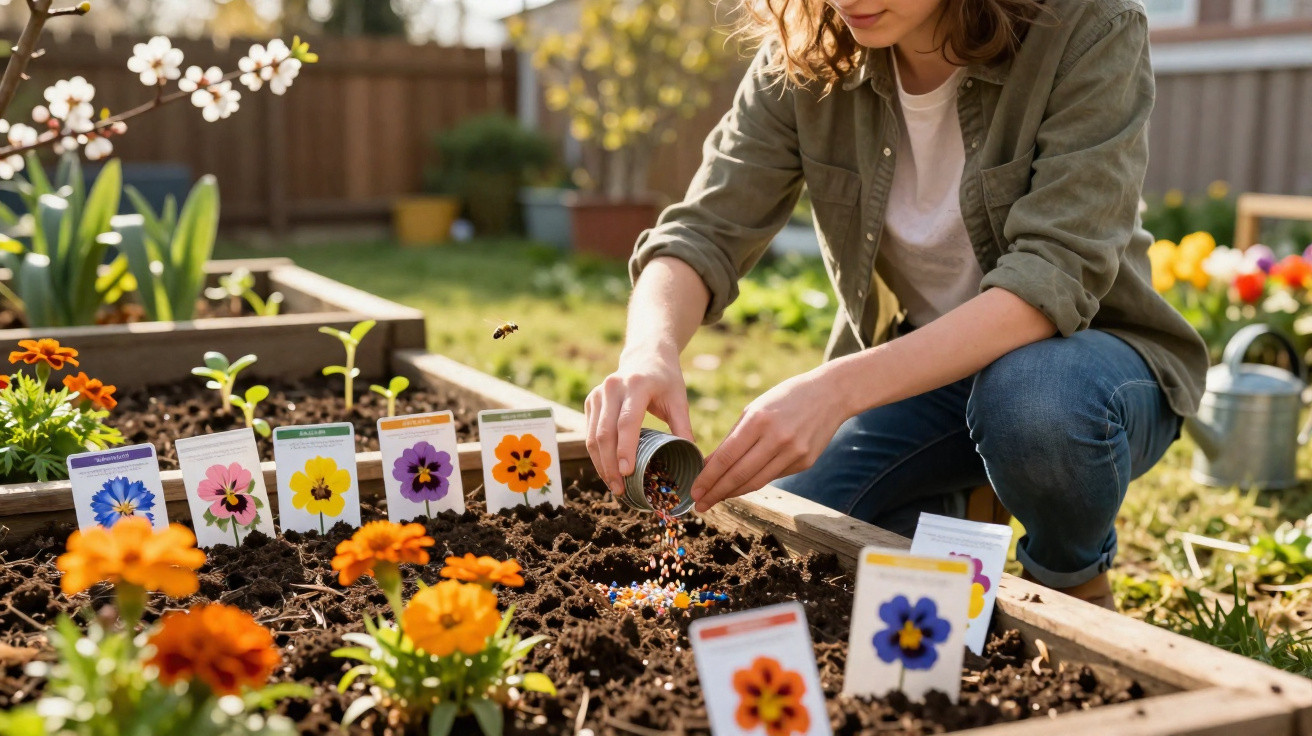
While many amateur gardeners across German-speaking countries still hesitate in March, in the United Kingdom the sowing season for quick spring flowers is already in full swing. The key is straightforward: pick varieties that race from seed to bloom at record speed, and stick to a few simple routines rather than copying complicated professional tricks.
Why March is the quiet starting gun for flower power
In March the soil begins to warm gradually, daylight increases, and plants respond with a burst of growth. If you sow wisely now, you make the most of this natural boost. Even gardens that look like brown lunar landscapes at the start of March can be showing plenty of colour by late April or May.
Many classic bedding plants take about three months from sowing to their first flowers. For impatient gardeners, that can feel endless. However, there is a group that moves much faster: annual flowers with exceptionally rapid growth. Some will deliver their first colour in as little as six to ten weeks.
"With the right varieties, March turns from the ‘waiting month’ into the start signal for early flowering explosions."
Gardeners in the United Kingdom tend to rely on two main groups:
- Hardy annuals that cope easily with cool nights and can be sown straight into the bed
- Heat-loving annuals that are started indoors and then take off outdoors later
The fastest bloom sprinters to sow in March
If you want visible results within a few weeks, it pays to choose proven quick starters. Several favourites from the United Kingdom also work well in German-speaking regions-although in some areas you may need to shift the timing slightly later.
Calendula, cornflowers & more: hardy and rewarding
Hardy annuals include:
- Calendula (Calendula): tolerates cooler temperatures, manages on poor soils, and flowers early and for a long time
- Cornflowers: a traditional cottage-garden favourite, easy to sow, and especially striking when planted in groups
- Love-in-a-mist (Nigella): delicate, filigree blooms that are surprisingly tough
- Californian poppy: prefers drier, sunny spots, and flowers quickly with vivid colour
You can sow these in March directly into borders, raised beds, or larger balcony planters. They handle cooler nights well and use every bit of sunshine to grow.
Zinnias, marigolds & petunias: heat-loving long bloomers
The second group begins more slowly, but once it warms up it can accelerate dramatically:
- Marigolds (Tagetes): in good conditions, flowering starts after about 45–60 days
- Zinnias: usually around 60–70 days to flower, but with strong colours and long-lasting blooms
- Petunias: not the very fastest, yet they flower for an extremely long period well into autumn
- Cosmos: airy plants that surge ahead in warmth and give beds a lighter, more open look
These types need warmth at the beginning: a bright windowsill, a conservatory, or a simple indoor propagator. Once the risk of frost has passed, they can move outside and then reach their peak.
Fast and useful: nasturtiums and borage
A special tip often seen in British gardens is to grow edible flowers:
- Nasturtiums: grow quickly, bloom in orange, yellow, and red, and also liven up salads
- Borage: blue star-shaped flowers, highly attractive to bees, and often self-seeds later
Nasturtiums typically reach flowering in a little over two months. Borage takes slightly longer, but it often provides next year’s seedlings almost on its own.
How to plan your “rapid bed”: mix and timing
Combined thoughtfully, these flowers can bring colour in late spring and keep going well into summer. A mix of hardy and heat-loving varieties is particularly effective.
| Flower group | March sowing | Expected first flowers |
|---|---|---|
| Calendula, cornflowers, Nigella, Californian poppy | Directly into the bed | Late spring / early summer |
| Tagetes, zinnias, petunias, cosmos | Start indoors | From late-spring days, then through summer |
| Nasturtiums, borage | Direct into open ground or larger pots | After around 8–10 weeks |
If you sow in March and follow up with a second, slightly staggered sowing in April, you can extend the flowering period significantly. That way you get beds that keep renewing themselves instead of finishing all at once.
The simple March routine for record-speed colour
To help quick starters reach their potential, you do not need professional equipment-what matters most is a clear, consistent process.
Prepare the soil and choose the right spot
Before you open the seed packets, a quick check helps:
- Loosen the soil: rake or fork over the top 10–15 centimetres
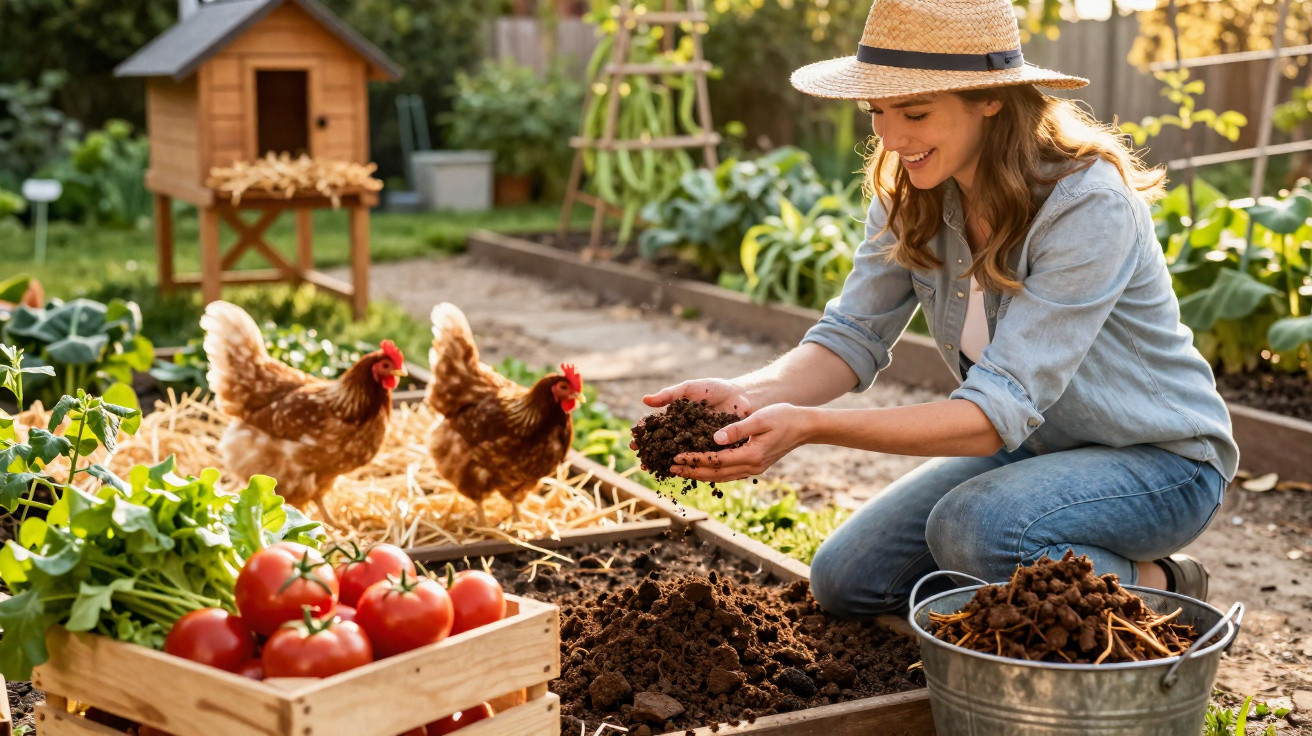
- Work in compost: a thin layer of mature compost improves structure and nutrient availability
- Pick the location: aim for around six hours of sun per day
In pots, a good-quality, loose compost is enough. The crucial point is drainage: water must be able to run away, and the compost should not stay soaking wet.
How to sow hardy and heat-loving types in March
"Three simple rules in March often decide whether you’ll have colour in the garden in May-or not until midsummer."
- Sow hardy annuals directly: scatter seed thinly, press in lightly or cover with only a very fine layer of soil. Keep the soil evenly moist, but do not waterlog it.
- Start heat-loving types indoors: sow into trays or small pots, cover lightly, and place somewhere bright and warm. Avoid water sitting in the containers.
- Do not overcrowd plants: prick out seedlings in good time so they have enough light, water, and space.
As soon as frost nights are no longer expected, move the indoor-raised plants outside gradually. Start with a few hours in partial shade, then extend the time-this helps them adjust to wind and sun.
Common mistakes that waste time-and how to avoid them
Many home gardeners wonder why, despite choosing quick starters, everything still takes longer than promised. Often the reasons are simple.
- Sowing too thickly: crowded plants stay small and never really get going
- Too much fertiliser: overfed young plants grow soft, topple more easily, and often delay flowering
- The wrong position: without enough sun, growth falls far short of expectations
- Waterlogging: wet roots slow development and encourage rot
Avoid these traps and you will quickly see that many varieties really do live up to their “quick starter” labels.
Why taking cues from Great Britain can help German gardens
The climate in many parts of the United Kingdom is similar to areas of northern Germany, Belgium, the Netherlands, and some Alpine valleys. That is why many March-sown plants proven there also perform well here-provided you adjust sowing dates slightly and keep an eye on local late frosts.
These flowers are also practical for busy people with limited time: put in one or two hours in March and you can enjoy a much friendlier terrace, a more welcoming front door, or a colourful balcony railing by late spring-without complicated gardening kit.
Extra benefits: bees, the kitchen, and children
Fast-growing flowering plants bring a few pleasant side effects in everyday life:
- Bee-friendly: cornflowers, borage, and nasturtiums attract solitary bees and bumblebees
- Cooking: edible flowers from nasturtiums and borage add colour to salads plus a lightly peppery or cucumber-like flavour
- Gardening with children: short waits until flowering keep children engaged and make seed projects feel more tangible
For small urban gardens or balconies, mixes of annual bee plants have proved particularly useful. Many retailers already sell ready-made seed mixes that include some of these quick starters. If you prefer full control, you can create your own “rapid-flower” selection instead.
In the end, March makes one thing clear: a colourful garden depends less on space than on planning. Choose the right varieties, spend a short time preparing the soil, and follow a simple routine-and by late spring you can be standing in front of a bed that only weeks earlier looked like a brown desert.



Comments
No comments yet. Be the first to comment!
Leave a Comment