
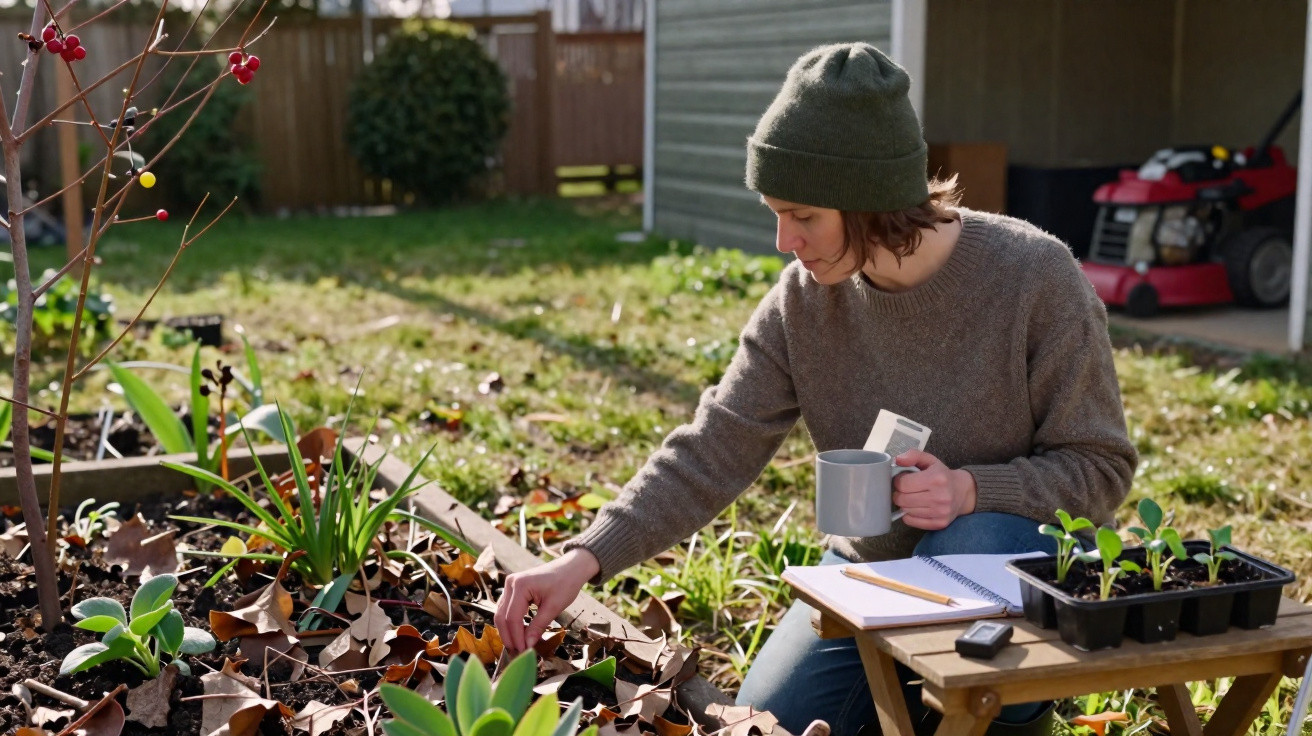
The first mild day after winter can feel like an invitation to launch straight into a full spring clean in the garden. Many people instinctively reach for a rake, lawnmower and hedge trimmer. That quick burst of energy can backfire: plants are still recovering, wildlife may still be dormant, and the law sets clear limits. Often, holding off now does far more for your garden than diving in too soon.
Why you should slow down your garden plans in March
March is a month of transition. It may feel noticeably warmer during the day, yet nights can easily drop back towards 0°C. Soil, plants and animals are, in a sense, caught in between: no longer truly winter, but not yet settled into spring.
"If you get going too early in March, you harm beneficial wildlife, weaken plants and can breach nature conservation law."
Rather than trying to get everything “tidy”, it pays to look closely: what still needs peace, what could put animals at risk, and what is legally off-limits? The following five points should be right at the top of your “hands off” list.
1. Leaves and dead growth: it looks messy, but it is vital protection
In spring, many gardeners want neat beds and a spotless lawn as quickly as possible. From an ecological point of view, the opposite is often better. Fallen leaves, spent stems and small twigs create a valuable shelter and food reserve for countless species.
The conservation organisation NABU recommends leaving leaf litter and plant remains from autumn and winter in place until around April. There are several reasons for this:
- Insects, spiders and other small creatures overwinter in thick layers of leaves.
- Birds collect dry stems and twigs as nesting material.
- As it breaks down, this layer improves the soil and supports biodiversity.
Only intervene where you genuinely need to. Plant debris that is clearly mouldy or affected by fungal disease should be removed so problems do not spread. Everything else can stay put a little longer, even if it looks slightly wild.
"A seemingly ‘untidy’ garden saves insects’ lives and strengthens the whole ecosystem."
If you like, you can also pile leaves and stems into a small dead hedge or a heap of deadwood. This creates a structured refuge for hedgehogs, beetles, amphibians and many other garden residents.
2. Lawn mowing in March: better left in the garage
It is an easy trap to fall into: the lawn is green again and some blades already look long. Even so, it is usually too early to start mowing. After winter, grass roots are still weakened, and the ground is often wet and easily damaged.
Mowing now also compresses damp soil underfoot and under the mower. That compaction stresses the roots. The turf then recovers much more slowly, giving moss and weeds an advantage.
As a rough guide for the first cut:
- The grass is around 5–7 cm tall.
- The soil looks dry, not greasy or muddy.
- Daytime temperatures are steady at about 7–10°C, without frequent ночt frosts.
Many experts suggest starting from mid-March to early April, depending on your area. In higher locations or shaded gardens, it can easily be later.
How to use the waiting time sensibly
If you do not want to do nothing, you can support the lawn gently without mowing:
- Carefully remove branches and coarse winter debris from the surface.
- Avoid walking on wet patches until they have dried.
- Service the lawnmower, sharpen the blade and check the fuel so everything runs smoothly in April.
3. Do not dig beds deeply, and avoid sowing outdoors too soon
Beds also benefit from patience. Many gardeners want to get the hoe out in March and scatter the first seeds. It sounds like good preparation, but for many plots it is simply too early.
Deep cultivation can cause several issues:
- Fine roots of perennials and woody plants can tear easily.
- Beneficial organisms resting in the upper soil layers are disturbed or injured.
- Open soil pores can make it easier for fungi and pests to get established.
If you want to do something, loosen only the very top layer with a rake-without “turning” the soil or digging deeply. Seeds that are sensitive to frost are best started indoors or in a greenhouse in March. Outside, cold snaps and late frosts can wipe out seedlings almost immediately.
Which sowing can work in March
Some hardy vegetables cope with cold better, such as:
- Spinach
- Lamb’s lettuce
- Winter peas
- Early carrot varieties
Even then, local conditions matter. In exposed areas, seeds sit in cold ground for longer and germinate unevenly. A cold frame or simple horticultural fleece can make an early start far more reliable.
4. Feeding and new planting: late frost is still a threat
Mild March days can tempt you to “kick-start” the garden: fertiliser, new shrubs, fresh perennials-everything should grow and bloom quickly. That is precisely what can put plants under strain.
Fertiliser promotes growth. If temperatures then drop below freezing overnight, the soft new shoots are especially likely to be damaged. The same risk applies to newly planted specimens: roots need time to anchor before they can cope with cold spells and dry periods.
"Only once the ground is truly frost-free does more intensive feeding and planting make sense."
Depending on your region, that may not be until mid to late March-and in cooler areas, later still. If you are unwilling to wait, choose sheltered spots near a house wall or masonry, where warmth lingers.
A gentler start: mulch instead of strong fertiliser
A thin layer of mulch is a mild alternative-using bark mulch, leaves, or last year’s dried grass clippings. Mulch:
- helps the soil retain moisture for longer,
- protects the surface against erosion, and
- releases nutrients gradually without “overloading” plants.
Important: do not press mulch right up against the stems of perennials or young shrubs, as this can encourage rot.
5. Hedges and shrubs: the law bans heavy cutting from 1 March
As soon as March arrives, many people reach for the hedge trimmer-legally, that can be risky. Germany’s Federal Nature Conservation Act prohibits severe cutting back of hedges, shrubs and woody plants between 1 March and 30 September.
The reason is straightforward: from March, birds look for nesting sites and begin building nests. Dense hedges are ideal cover. On top of that, hedges provide shelter and habitat for hedgehogs, insects and other wildlife.
Anyone who cuts back drastically or removes hedges entirely during this period destroys breeding sites and refuges. That can lead to substantial fines, which-depending on the German federal state and the extent-can run well into four figures.
What is still allowed-and what to check first
Light maintenance cuts remain permitted during the breeding season. This includes:
- removing individual shoots that stick out,
- cutting back dead wood,
- small-scale shape corrections.
Before you cut anything, inspect the hedge carefully. Is there already a nest tucked away? Are sparrows, blackbirds or tits repeatedly visiting the same branches? If you find signs of breeding, it is better to leave the shears in the shed.
Why patience benefits your garden in the long term
Choosing to slow down in March lays the groundwork for a healthy garden throughout the year. Plants can steady themselves, animals keep their hiding places, and the soil stays biologically active. Later on, that often means fewer problems such as pest outbreaks, fungal diseases or dry, compacted patches.
Many typical March jobs can simply be postponed-often with a noticeably better result. For example: if the lawn is only lightly cut in April and then fertilised moderately, it usually grows thicker and tougher than if it is stressed in March.
Practical alternatives: what you can do instead in March
If you like to stay busy, you do not have to sit on your hands in March. There are plenty of tasks that do not disturb plants or wildlife and still feel productive.
| Activity | Suitable in March? | Benefit |
|---|---|---|
| Clean and sharpen garden tools | Yes | Less risk of damaging plants, easier work |
| Plan planting and bed layouts | Yes | Better use of space and light |
| Start seedlings indoors (tomato, pepper, flowers) | Yes | Stronger young plants for later planting |
| Heavy hedge cutting | No | Breaches nature conservation law; danger to birds |
| Mow the lawn | Rather not | Stress for weakened grass roots |
Putting up nest boxes or insect hotels also fits well at this time. That way you support wildlife without tearing down existing structures.
Extra tips: judge microclimate, soil and region correctly
No two gardens behave in quite the same way. A sheltered courtyard performs very differently from an exposed plot on the edge of a village. If you observe your own space more closely, you will make better calls:
- Note where snow lingers for a long time in winter-those spots often stay colder for longer.
- Remember corners that dry out especially early in spring-mulch is particularly useful there later.
- Watch for typical cold-air pockets, such as dips in the ground or the far end of the garden.
Once you understand these quirks, you can time sowing, feeding and pruning more accurately, rather than relying on the calendar alone.
It also helps to pay attention to local traditional weather rules or compare notes with neighbours. Often you will find the “right” moment varies by weeks, depending on whether you are in northern Germany, the Alpine foothills or a mild river valley.
In the end, staying relaxed usually pays off. A garden that is not polished to a high shine in March often gets going more steadily-more life, less stress and far easier care in summer.



Comments
No comments yet. Be the first to comment!
Leave a Comment