

Many keen hobby gardeners tend beds, lawns and blooms with care - and only later realise that a picture‑perfect garden can also be ideal territory for ticks. These blood‑feeding parasites take advantage of certain plants, shady corners and damp conditions to stay hidden until they can latch on. If you know where the usual tick hotspots are, you can make your garden noticeably safer.
Why ticks find gardens so appealing
Ticks are not insects; they are arachnids. Rather than hunting actively, they wait on grass blades, shrubs or in leaf litter and are brushed off at the right moment. To do that, they mainly need three things: moisture, shade and a suitable host - such as a person, dog, cat, hedgehog or birds.
"Where it is dense, damp and shady, ticks feel most at home - many ornamental and wild plants provide exactly this habitat."
Common hiding places include the garden’s edges, transitions into hedges, patches of meadow left unmown, piles of leaves or areas close to woodland. Fruit trees with thick undergrowth and shady play areas can also be problematic.
Plants and structures that attract ticks in particular
Not every plant draws ticks in like a magnet, but certain species and planting styles create excellent cover. What matters most is density, height and moisture.
Dense, shady plants - a paradise for bloodsuckers
In particular, vigorous, low-growing planting can give ticks the conditions they need. Examples include:
- Ferns: They thrive in shade and moisture. Thick clumps of ferns create cool niches where ticks are unlikely to dry out.
- Tall, uncut grasses: Wild grass strips, meadows that are rarely mown or long lawn edges provide perfect “waiting platforms” around knee height for people and animals.
- Dense shrubs and hedges: Especially impenetrable bushes with lots of undergrowth form a damp microclimate. Birds, hedgehogs and rodents often shelter here - ideal host animals for ticks.
- Bramble thickets: Wild, tangled brambles make dark, humid nests. Among the canes, ticks can stay protected for long enough.
- Conifers such as spruce or fir: Dense, low branches and fallen needles keep the ground layer shaded and moist, which is exactly where ticks like to linger.
Beyond the plants themselves, some common garden features can also increase risk.
Leaves, wood and fruit trees: problem areas in detail
Alongside planting, certain accumulations and areas can create especially favourable conditions:
- Leaf piles: Wet leaves lying on the ground insulate the soil, keeping it cool and damp. That is where ticks sit and wait for passing hosts.
- Stacks of branches and logs: Stored firewood, old pallets or brush piles provide hiding places for small mammals. Where those animals are, ticks are usually nearby.
- Fruit trees with thick undergrowth: Fallen fruit, long grass and shade beneath the canopy create an ideal habitat for small mammals - and therefore for ticks.
- Damp hollows and pond edges: Any spot that stays wet for long periods - near water butts, ponds or poorly drained ground - helps ticks avoid drying out.
"A romantically ‘wild’ garden looks close to nature - but without upkeep it can quietly turn into a tick Eldorado."
Which plants are more likely to keep ticks away
Gardeners are not powerless when it comes to ticks. Some plants can repel ticks through their scent. They do not replace tick repellent on the skin, but they can reduce pressure in the garden.
Aromatic plants with a deterrent effect
Ticks are sensitive to certain essential oils. These plants are considered less attractive to the bloodsuckers:
- Lavender – strongly scented, popular with bees, unpleasant for many insects and ticks.
- Rosemary – prefers sunny, dry locations and works well along patio edges or paths.
- Lemon balm – gives off a fresh lemon fragrance and fits easily into beds and herb spirals.
- Thyme – low-growing, ideal as ground cover in sunny, dry spots.
- Wormwood (absinthe herb) – very intense smell; best used as a standalone plant.
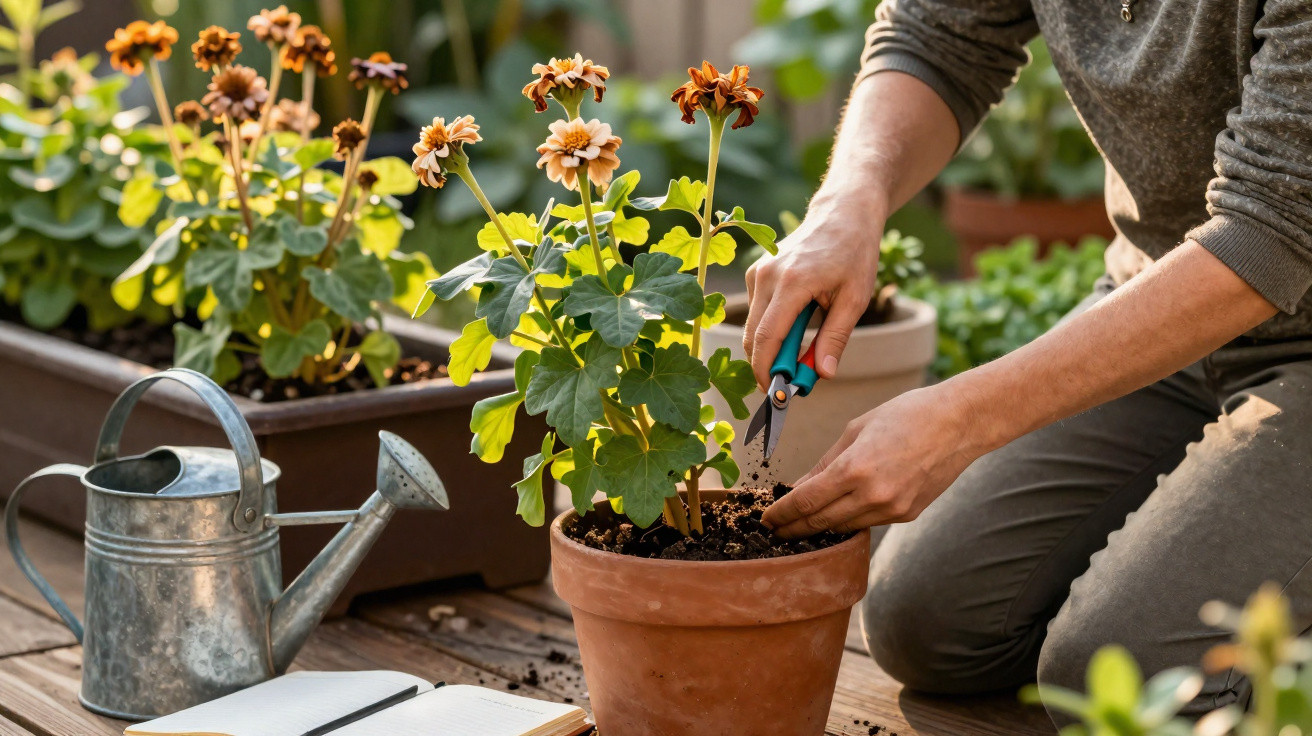
- Scented geraniums with a lemon aroma – useful on balconies, patios or in pots placed beside seating areas.
These plants are not a guarantee, but paired with good maintenance they can help lower the tick risk.
Making your garden more tick-proof: practical measures
With a bit of planning, you can design your plot so ticks have far fewer opportunities. Many steps are straightforward and cost time rather than money.
Maintenance that makes life harder for ticks
- Mow the lawn regularly: Short grass dries faster and gives ticks less to cling to.
- Remove leaves and cuttings: Especially in autumn, do not leave leaves lying around for weeks - clear them away or compost them, ideally not right next to the patio or a play area.
- Thin out shrubs: Cut back dense hedges and bushes so sunlight and air can reach the soil.
- Position wood piles thoughtfully: Store firewood and brushwood as far as possible from seating areas or children’s play zones.
- Deal with wet patches: Dry out, improve drainage or modify persistently damp corners, puddle-prone areas and constantly wet ground.
"The drier and sunnier an area is, the less well ticks cope with the conditions."
Barriers and simple aids against ticks
On top of maintenance, a few small tactics can make it harder for ticks to cross into frequently used areas or stop them sooner:
- Create gravel strips: A narrow band of light-coloured gravel between lawn and patio forms a dry buffer zone.
- Plant aromatic borders: Rows of lavender or rosemary along paths and near seating provide fragrance and can act as a deterrent.
- Use wide sticky tape as a tick trap: In high-risk corners, you can lay sticky parcel tape with the adhesive side facing up; ticks get stuck to it.
How people can protect themselves in their own garden
Even in a “safe” family garden, tick bites can still happen. Alongside garden design, personal protection is crucial.
| Situation | Recommended measure |
|---|---|
| Working in tall grass or under shrubs | Long, light-coloured clothing, tuck trousers into socks, and consider wellington boots |
| Children playing on the lawn and near hedges | Check the body thoroughly in the evening, especially behind the knees, groin and neck |
| Gardening in tick hotspots | Apply tick repellent to exposed skin |
| Clearing leaf or wood piles | Wear gloves and then shake out and check clothing afterwards |
Ticks are very small, often barely larger than an apple pip. After time in the garden, it is worth checking legs, arms, armpits, the groin area and the scalp carefully.
What to do after a tick bite
If you spot a tick, speed matters. The sooner it is removed, the lower the risk of transmitting pathogens such as borrelia.
- Using a tick removal card or tick tweezers, grip the tick as close to the skin as possible.
- Pull it out slowly and straight; do not twist or crush it.
- Disinfect the bite site and note the date.
- Over the following days, watch for redness, flu-like symptoms or expanding, migrating skin redness.
If part of the tick remains embedded or symptoms develop, the wound should be assessed by a medical professional.
Further risks and helpful tips for garden lovers
Ticks are not only found in untamed woodland - they can also wait along well-used paths, at the edges of seating areas and around play equipment. Dogs and cats often bring them into the house. A tick collar, spot-on treatments or other veterinarian-recommended products protect pets and indirectly reduce the risk for people as well.
Anyone who enjoys wildlife-friendly gardening does not have to give up variety. The key is to manage dense, shaded areas consciously. A blend of sunny zones, aromatic herbs and well-maintained boundaries can keep a garden vibrant while also making it less tick-friendly. With a little care over clothing, body checks and plant choice, spending time outdoors becomes much more relaxed.





Comments
No comments yet. Be the first to comment!
Leave a Comment