
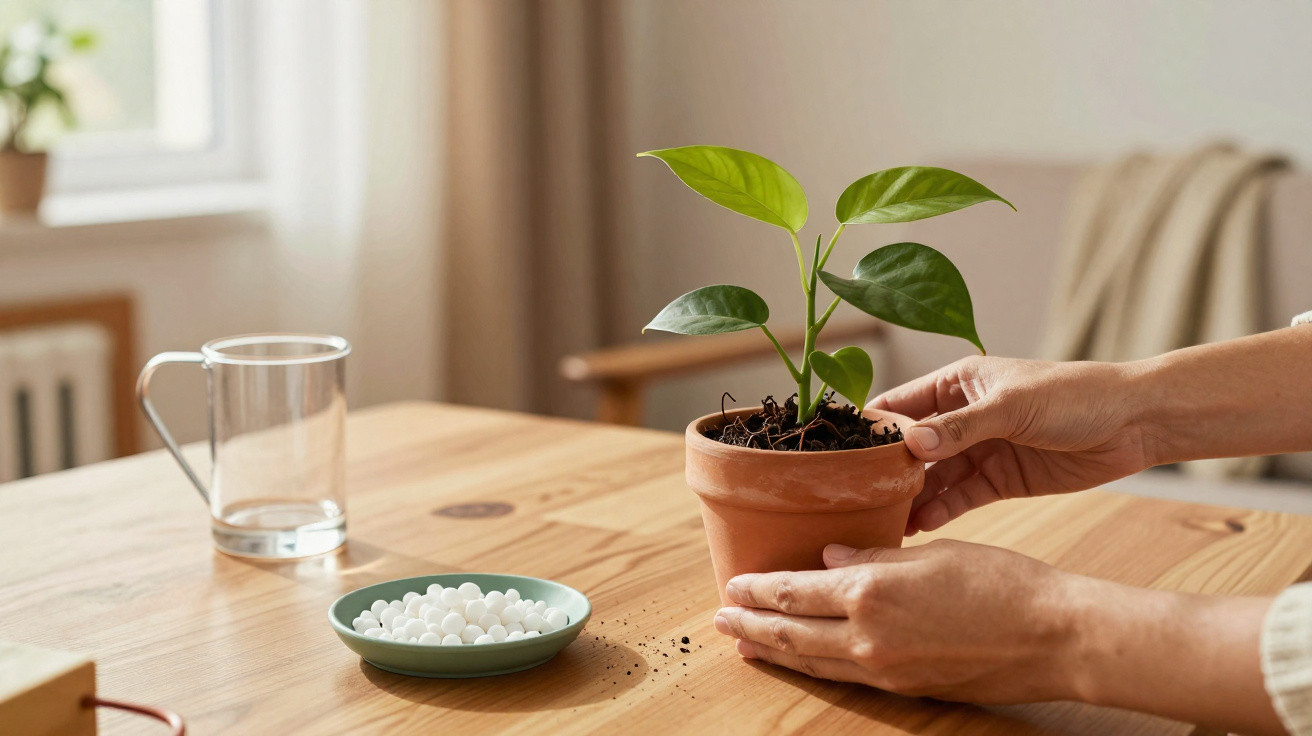
The leaves looked perfectly healthy-until they suddenly weren’t.
One week your monstera sits on the windowsill, shiny and self-satisfied. The next, it’s slumped in a corner: floppy stems, sour compost, and that unmistakable odour you try to ignore. Winter has a knack for doing this to houseplants. Radiators pump out parched air, daylight hours shrink, and our reflex is to “make up for it” with extra watering and extra fuss. The twist is that this is often exactly how we finish them off.
Root rot rarely announces itself. It edges in quietly beneath the surface, while the top layer still appears harmless-sometimes even dry. Whether your plants coast through winter or slowly decline in a pot you water “just in case” often comes down to a single habit. It isn’t a pricey fertiliser or a grow light. It begins with the way you water.
Why winter watering quietly kills so many plants
I once watched a friend water his fiddle-leaf fig on a bleak January afternoon. He used cold water straight from the kitchen tap, pouring it onto compost that already looked a bit too dark. The plant had been moved away from a draughty window, its growth already easing off, but his routine hadn’t changed since July: a generous drink, a quick wipe of the leaves, a pleased little nod.
A fortnight later, the lower leaves began yellowing and dropping-one after another, like a slow admission. There were no pests, no obvious drama. Just a pot that, from that day on, never properly dried.
This pattern plays out in homes everywhere once the heating goes on. On a US houseplant forum, growers frequently post photos in February and March of brown, soft roots tugged from pots-classic winter root-rot season. One member said they lost three snake plants in a single winter, all sitting on a north-facing windowsill with “light watering once a week”. It sounds sensible on paper. In reality, those plants were in cold, compacted compost, watered to a timetable instead of to need. Without strong summer sun to evaporate the extra moisture, and without active growth to use it up, the roots sat in a constantly damp mix and slowly suffocated.
The biology is straightforward. As days shorten, plants downshift: less photosynthesis, less growth, less water use. Indoors, temperatures swing more and the compost stays cooler. In that cool, low-air environment, surplus water forces oxygen out of the root zone. Roots need air; without it they weaken, tiny injuries form, and fungi move in to finish the job. What looks like “thirst” on the surface is often cold, stagnant compost below. The signature winter error isn’t only watering too often-it’s watering as if it were summer, ignoring that the plant’s underground conditions have changed.
The tiny watering tweak that changes everything
The adjustment that keeps plants alive through winter is almost embarrassingly simple: water less frequently, and only water once the root zone is truly dry-not just when the surface looks thirsty. No miracle additive, no expensive kit. You change the timing, not the care.
In practice, that means stretching the gap-sometimes a lot-between waterings, then giving a slow, thorough drench that drains completely, rather than frequent little top-ups that keep the compost perpetually damp. Your compost should follow a clear cycle: wet, then drying, then dry enough to water again. Think of it as giving the roots time to breathe between drinks, especially during the coldest weeks.
Here’s what that looks like in real terms. Before watering, check below the top layer. Push a finger at least 3–4 cm into the compost, or slide a plain wooden skewer right down to the bottom of the pot. If it comes out clean and almost dry, it’s time to water. If it comes back even slightly cool and damp, hold off.
When you do water, use room-temperature water and pour slowly around the base until you see excess draining from the bottom. Tip out the saucer a few minutes later so the roots aren’t left sitting in a puddle. Let’s be honest: hardly anyone does this every day. Yet that small, deliberate pause is exactly what interrupts the cycle that ends in rot.
Plant scientists and experienced growers broadly agree that what kills most indoor plants in winter is chronic moisture, not one occasional heavy watering. Roots need alternating access to water and air. Allowing the mix to dry more deeply brings oxygen back into the gaps between particles, keeping roots firm, pale and alive rather than brown and mushy. It also makes conditions less inviting for opportunistic fungi that thrive in constant damp. The “tiny change” isn’t about rationing water; it’s about matching your watering to slower winter metabolism and cooler indoor conditions. Waiting just one extra day can be the difference between a pot full of healthy, branching roots and a dark, rotting mass you only notice when it’s too late.
How to water in winter so root rot never gets a chance
Many indoor growers swear by a straightforward three-step winter approach: check deep, take the chill off the water, then water properly and leave it alone. Start with a deeper moisture check using a finger, a skewer, or a basic moisture meter. If it still reads “moist” halfway down, give it a few more days.
Once it’s genuinely dry, fill your watering can and let the cold edge fade-room-temperature water is gentler on slowed-down roots than icy tap water. Then water slowly in a ring around the plant, giving it a full soak until water reaches the tray, rather than a quick splash on top that barely penetrates.
It often shocks people to realise that some plants may only need watering every two, three, or even four weeks in winter. That isn’t neglect; it’s a shift from autopilot to observation. Lift the pot-does it feel unexpectedly light? That can be a more reliable clue than the surface appearance.
If you keep cacti or succulents, extend the gap further and let the compost dry out completely before you even think about watering. For tropical foliage-pothos or philodendrons, for example-you might allow the top half of the pot to dry while keeping the very bottom from becoming bone dry. This quiet fine-tuning of timing is one of the best defences against root rot getting started.
On a more human level, winter watering is where plant care bumps into habit. On a dark, restless evening, pottering with plants feels comforting. Pouring water, wiping leaves, tidying-these can feel like “doing something helpful”. Overwatering is often affection pointed in the wrong direction. As one grower put it bluntly:
“Most of my winter plant deaths didn’t come from neglect, they came from me not knowing when to stop ‘helping’.”
That line comes back to me every time my hand reaches for the watering can on a gloomy Sunday. To keep that impulse in check, it helps to set up a few visual nudges:
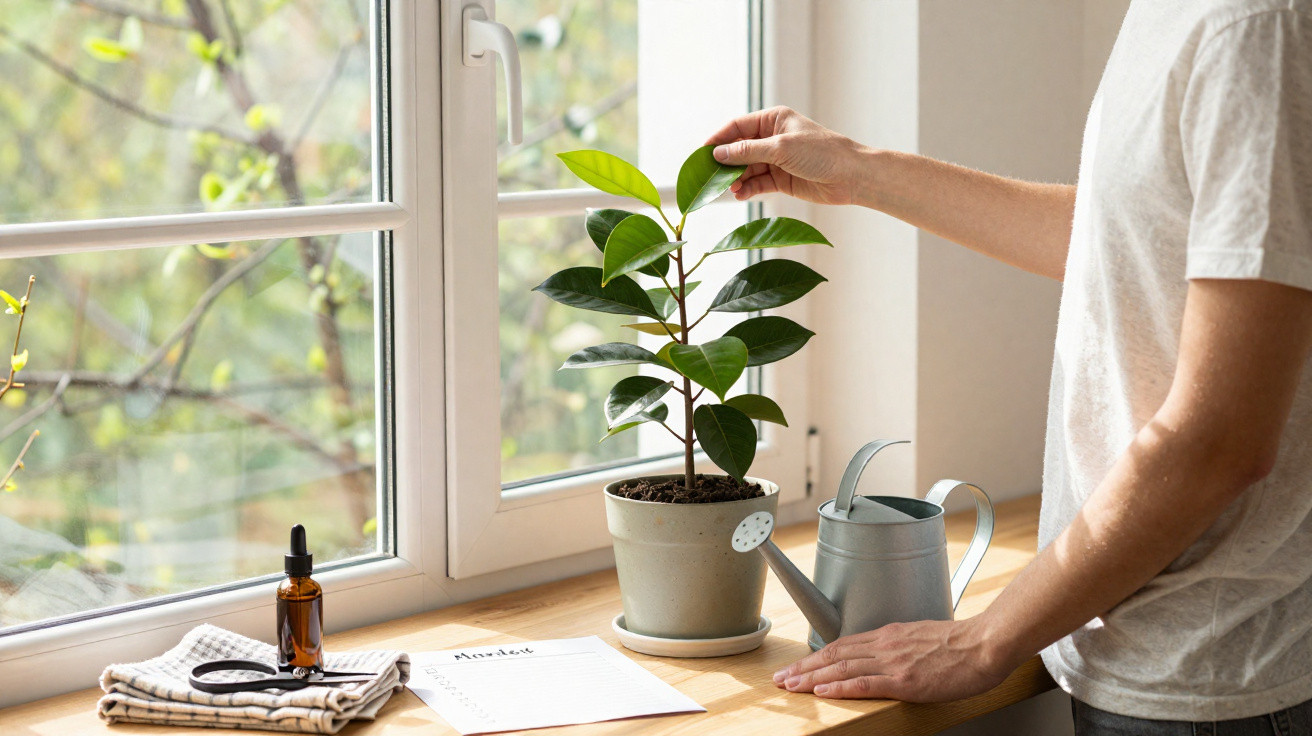
- Keep a simple note or app list showing the last watering date for each plant.
- Move your thirstiest plants closer to winter light so they actually use what you give them.
- Group plants with similar needs, so you’re not tempted to water everything on the same day “just because”.
These small anchors can quietly protect your plants from your best intentions.
Letting your plants breathe through the cold months
There’s something oddly reassuring in recognising that plants want intervals, not constant attention. Once you’ve watched a pot stay dry for a full extra week-and the plant looks steadier rather than worse-you begin to trust the pause. The compost smells fresher. Leaves feel firmer. You start reading the plant’s posture instead of your calendar. That’s when winter care stops feeling like a tense guessing game and starts to feel like a conversation: water, wait, watch-without rushing to “fix” something that isn’t broken.
In a way, it’s also a quiet pushback against the always-on pace many of us live by. We’re taught that more action equals better results, but plants don’t follow that rule. They do well with rhythm and restraint, especially when the world outside the window is grey and slow. On a very human level, that small change in watering is a reminder that not everything needs constant input to make it through the season. Sometimes the smartest move-for roots, and perhaps for us-is to leave a little space: let things dry, let air in. Next time you reach for the watering can on a dark winter afternoon, pause. Touch the compost. Lift the pot. Ask whether you’re responding to your plant-or to your mood. That tiny check could save an entire root system.
| Key point | Detail | Why it matters to you |
|---|---|---|
| Change your watering rhythm | Space out watering in winter and check deep dryness before you pour | Almost eliminates the risk of root rot |
| Slow, thorough watering | Use room-temperature water and let excess drain from the pot | Keeps roots oxygenated and more resistant to fungi |
| Observe instead of following a calendar | Go by pot weight, compost texture and the plant’s real pace | Builds a routine tailored to each plant, even without lots of expertise |
FAQ:
- How do I know if my plant already has root rot? Typical clues include a sour, swampy smell from the compost; yellowing or drooping leaves that don’t perk up after the plant dries; and roots that are brown, soft, or slimy when you ease the plant out of its pot.
- Can a plant recover from root rot in winter? Often it can if you act early. Cut away all soft roots with clean scissors, repot into fresh, free-draining mix, water lightly once, then allow the plant to dry and rest in bright, indirect light.
- Should I completely stop watering in winter? No. Most houseplants still need water-just less frequently. Think in weeks rather than days, and always check deep compost moisture before each watering instead of sticking to a strict schedule.
- Is misting better than watering during cold months? Misting can briefly increase humidity around leaves, but it doesn’t replace proper watering. Get compost moisture right first, then consider a humidifier or a pebble tray if your air is very dry.
- Do all plants need the same winter watering change? Not at all. Succulents and cacti prefer long dry spells, while tropical foliage may do best when only the top half dries. The shared rule is simple: slower growth means slower watering.
Comments
No comments yet. Be the first to comment!
Leave a Comment