
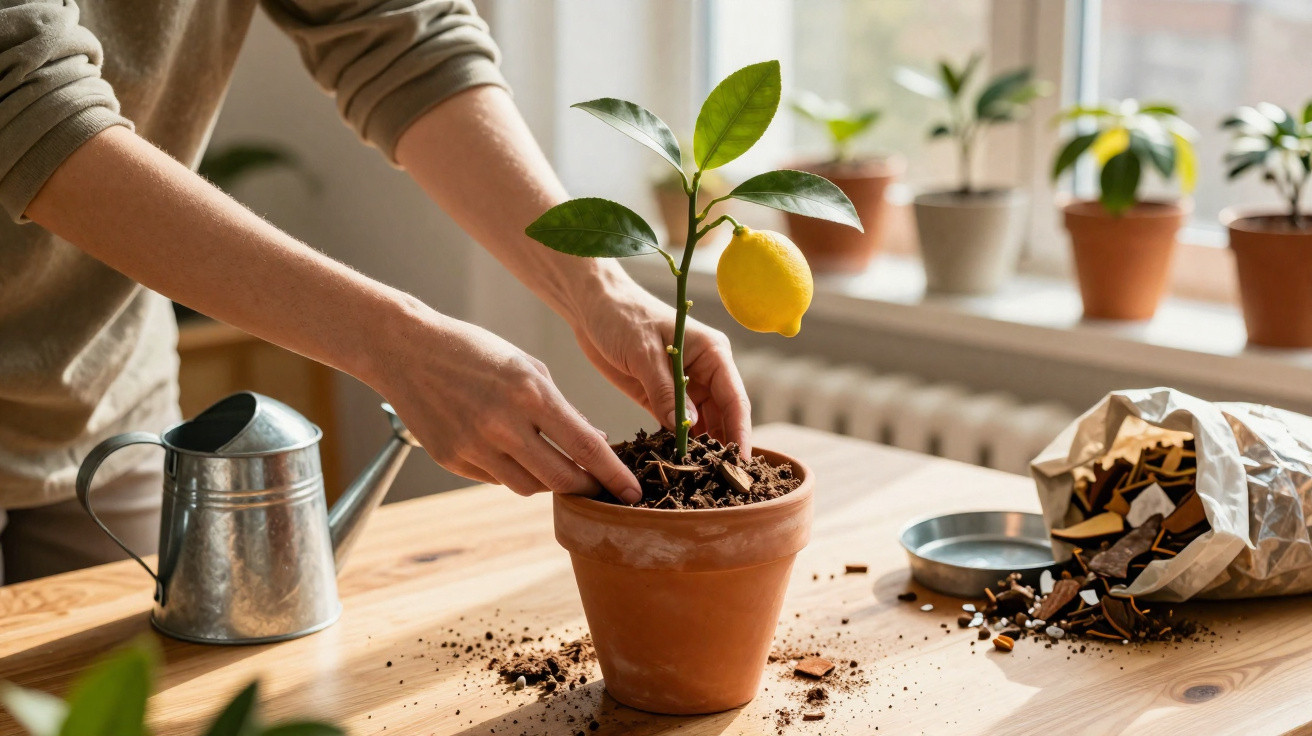
By February, the poor thing looked as though it was auditioning for “world’s saddest plant”. The leaves were turning yellow, the compost had gone sour, and every time I passed the pot there was a faint whiff of something not quite right. I blamed the light, the central heating, or the possibility that I simply lacked the mythical “green thumb”.
That changed after I visited a professional grower on the edge of town - the sort of quietly brilliant person who rarely posts online, yet keeps 20-year-old citrus trees thriving in plastic tubs. He glanced at my photos and said, with a small shrug: “It’s your soil. Wrong mix for winter. It’s suffocating.” What he explained next sounded almost too obvious - but it’s the exact winter soil mix that citrus pros quietly swear by, and it’s why my lime tree is currently alive, smug, and pushing out glossy new leaves in December.
The real winter killer isn’t cold – it’s wet, heavy soil
We’re quick to pin every struggling houseplant on the British winter, but indoor citrus seldom fails purely because of low temperatures. Indoors, radiators drone, windows bead with condensation, and pots sit in still corners where air hardly circulates. You water the compost and it simply… remains. You end up asking roots to sit in a chilly bath until spring.
Citrus trees can be surprisingly fussy about what’s happening below the surface. Their roots want air spaces, fast drainage, and time to breathe between waterings. Standard houseplant compost - especially that half-used bag opened last March and forgotten in the shed - often turns dense and tacky once the heating goes on. Add water, it compresses, and your lemon ends up perched in something closer to a sodden brick than a growing medium.
Most of us know the moment: you prod the compost, feel it’s a bit damp, and water again “just to be safe”. That’s the fast track to yellow leaves, brown roots and brittle branches. Here’s the blunt reality: most indoor citrus “mystery deaths” aren’t mysterious - the compost stayed wet for too long, and by the time anyone clocked it, the damage was done.
The winter soil mix garden pros actually use
The grower I spoke to didn’t reach for anything fancy or Instagram-friendly. He tipped ingredients from big, scuffed bags onto a concrete floor, mixed them with a shovel, and said, “This is the winter mix. Light, sharp, a bit rude. Citrus like rude soil.” Oddly enough, it clicked.
As I spoke with professionals and serious hobbyists, the same basic blend kept surfacing:
Rough winter citrus mix (for indoor pots):
- 40% high-quality, peat-free potting compost
- 30% gritty material (horticultural grit or coarse sand)
- 20% fine bark chips or orchid bark
- 10% perlite or pumice
Everyone tweaks it slightly, but the underlying idea doesn’t change: less sponge, more structure. The compost provides moisture retention and nutrients, while the grit and bark keep the mix open and airy, and the perlite or pumice helps prevent it slumping into a dense mass. One Italian grower put it perfectly: “Think of soil as a loose cradle, not a mattress.”
Why this “rude” mix works indoors
Inside your home, citrus has to cope with weak winter light, unpredictable room temperatures and minimal air movement. A heavy, water-holding compost that behaves nicely outdoors in summer can turn into a quiet hazard indoors in January. This winter mix shifts the risk the other way: you’re more likely to under-water than to rot the roots by accident.
Because the structure is gritty and open, water drains quickly, pulling stale air out with it. The roots get regular oxygen, and the mix then dries gently from all sides. It’s almost like giving the plant lungs instead of a snorkel. When the roots are content, citrus is far better equipped to tolerate every other winter annoyance - dry heat from radiators, chilly draughts at windows, and even the occasional missed watering.
How to switch your citrus to a winter soil mix without sending it into shock
Deep winter is the worst moment to strip compost off citrus roots - the plant is already under pressure. Pros are almost irritatingly calm about timing: they tend to repot lightly just before the heating season truly gets going, usually in late September or early October, when the tree is easing out of summer growth but hasn’t fully slowed down.
If your tree is already indoors and looking delicate, aim for a “refresh” rather than a full-scale root overhaul. Ease it out of the pot, shake or tap away the loose outer compost, but don’t remove every last scrap from the roots. Then place it into a slightly larger pot (or the same one, cleaned), and backfill with the winter mix, gently teasing it into place around the rootball with your fingers.
There’s also a subtle trick many pros use: they set the plant a little higher than before, leaving a small lip at the pot’s edge so water doesn’t spill over. This helps prevent the crown from sitting in a permanently damp collar of compost. When you water, you’ll hear the difference - a soft hiss as it drains, rather than a heavy, silent glug. That sound is, effectively, your tree’s insurance.
The first two weeks: watch the leaves, not the calendar
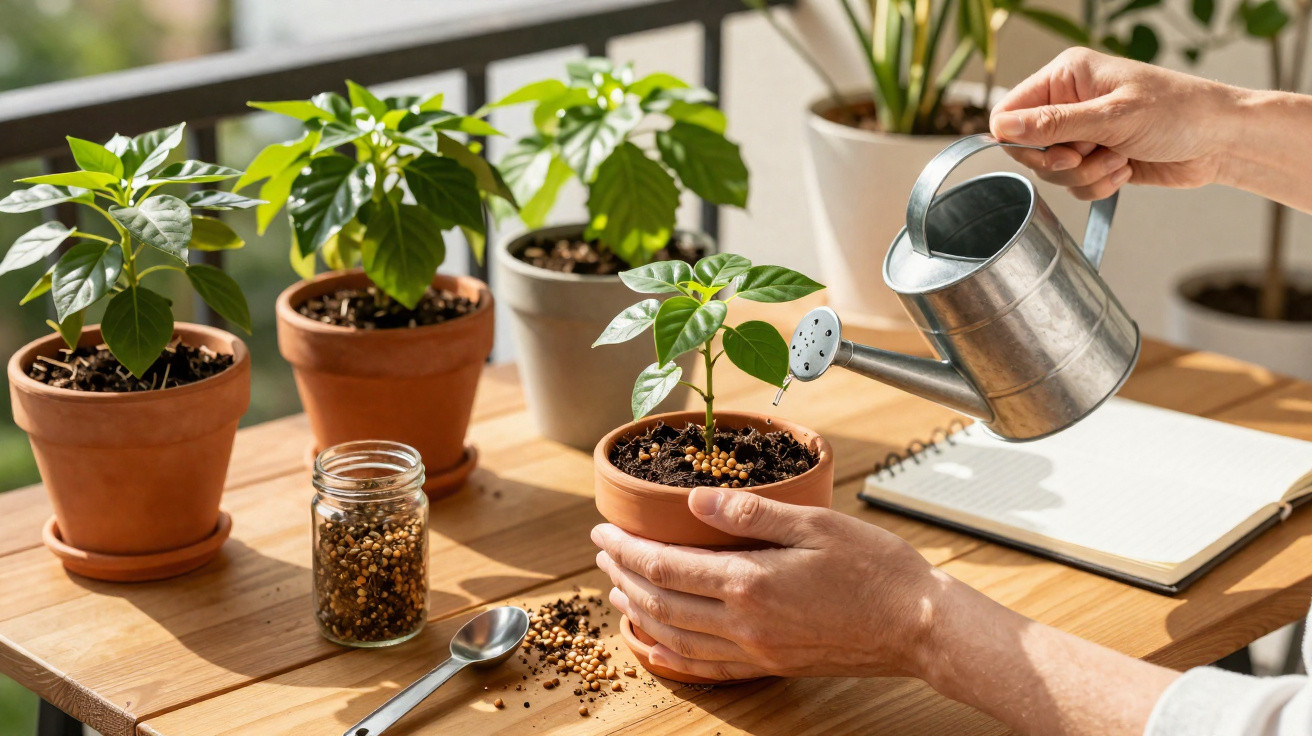
After changing to a better mix, fight the temptation to soak it with a big “welcome” watering. Give a modest drink to settle everything, then leave it alone until the top few centimetres are truly dry. Yes, actually stick your finger in. No, not just once a week because the calendar says so.
Right now, the leaves will tell you more than any app or moisture meter. A slight droop while staying green? Often thirst. Yellowing starting from the lower leaves, while the compost feels damp and cold? That’s your signal to put the watering can down. The pros aren’t mystical - they simply pay relentless attention to leaves and compost, not generic rules on a label.
The quiet role of bark, grit and “ugly” bits in good winter soil
If you look closely at a professional winter citrus mix, it isn’t pretty. You’ll see chunks of bark, grains of grit, and white flecks of perlite. A smooth, dark, velvety compost might photograph better, but the roughness is exactly what separates a citrus that limps through winter from one that takes it in its stride.
Bark gradually breaks down, feeding the soil ecosystem and forming small tunnels for air and water. Grit keeps channels open so water doesn’t always rush down a single route, which can leave dry pockets elsewhere. Perlite stops the whole mix compressing into a miserable slab when you inevitably water in a hurry on your way out.
And, realistically, none of us perfectly sift compost or refresh every pot exactly on schedule, no matter what glossy guides imply. A chunky, mixed texture gives you breathing room for real life - rushed watering, a missed week, or the radiators turned up too high because the spare room is freezing.
Fertiliser: the winter temptation pros mostly ignore
The moment a citrus drops a leaf, it’s easy to reach for fertiliser as if it’s a defibrillator. The professionals I spoke to practically winced at that idea. In winter, they reduce feeding drastically - sometimes stopping altogether from late October to February - particularly for trees indoors that aren’t flowering or fruiting.
The reasoning is brutally straightforward: if there isn’t enough light to support strong growth, why force it with extra nutrients? You risk loading the compost with salts that can accumulate around sensitive roots, especially in a pot that’s already under strain. The winter mix, with that 40% compost component, usually contains enough gentle nutrition to keep the plant ticking over while it rests.
One Kent grower told me he uses a weak citrus feed at half strength once a month in winter “only if the plant asks for it”. In practice, he means obvious signs like pale new leaves - not a few theatrical yellow older ones. Compost first, feeding second. Light before nutrients. Once you follow that order, it’s oddly calming.
The little winter rituals that make this mix really shine
Even with ideal winter compost, you can still lose a citrus if everything around the pot works against it. The pros rely on small habits that look insignificant alone, but together create a gentle winter buffer for the roots.
They keep pots off cold windowsills by setting them on old tiles, cork mats or simple wooden stands, so the mix never sits against an icy surface. Every couple of weeks they rotate the pot a quarter turn, so one side doesn’t monopolise the weak winter light. On mild days, they open a window for ten minutes - just enough to bring in fresh air and shift the invisible stale layer that settles around indoor foliage.
A detail I especially liked: several mentioned lightly loosening the top layer of compost once a month with a fork or chopstick. Not stabbing - just breaking the crust that forms. It helps the mix keep breathing, prevents water channelling straight down the pot’s sides, and feels like a small, steady act of care on a grey day when you’re making a brew and listening to the radiators tick.
When your citrus finally survives a winter, everything shifts
The first spring after I moved to the gritty winter mix, my lime tree did something almost cheeky. It didn’t merely survive; it surged. Tiny, tight buds formed along stems that had looked bare, and one morning I caught the faint sweet-sour perfume as I brushed past and disturbed a cluster of flowers I hadn’t even noticed developing.
There’s a quiet satisfaction in realising it wasn’t luck - your slightly obsessive tweaks made the difference. You stood in a garden centre aisle reading the backs of grit bags. You ignored the “multi-purpose fixes everything” voice and listened instead to the person in muddy boots insisting that roots want air, not mollycoddling. You mixed bark and compost in a washing-up bowl on the kitchen floor and hoped the neighbours didn’t peer in.
That’s what’s so persuasive about the winter soil mix the pros swear by. It isn’t glamorous, and it won’t go viral. But once you’ve watched a citrus tree glide through January on it - leaves firm, compost sweet, no sour smell when you lean in - it’s hard to return to the heavy, suffocating stuff. Somewhere between the bark chips and the grit, you realise what care actually looks like: quietly doing its work in the roots, long before the first blossom opens on a cold spring morning.

Comments
No comments yet. Be the first to comment!
Leave a Comment