
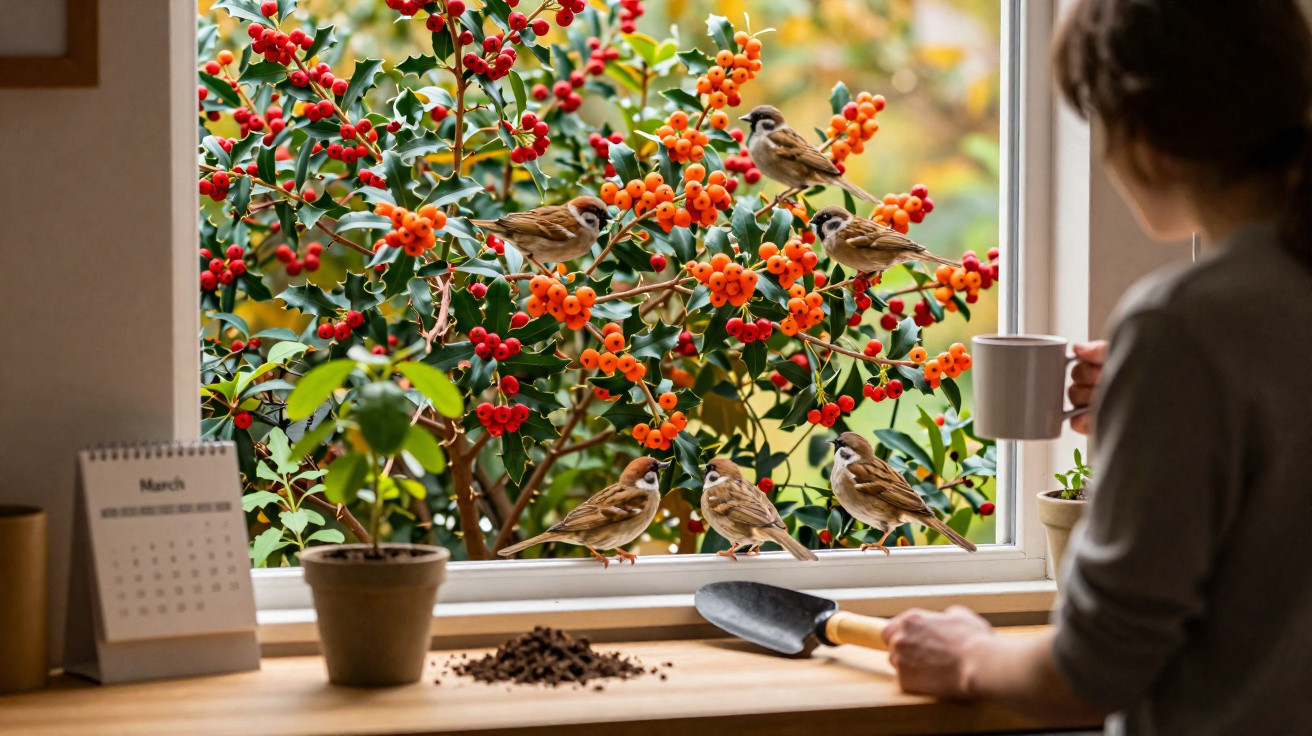
As the first buds begin to swell and the evenings stay lighter for longer, a single decision in your garden can determine what wildlife turns up next winter.
All over the UK and elsewhere, many of us put out seed feeders and fat balls in the hope of helping birds through lean months. But one carefully chosen shrub, planted in March, can keep doing that quietly for years - offering both food and cover long after a feeder has been ripped down by a gale.
Why March is the sweet spot for planting
Roots first, berries later
Getting a shrub into the ground in early spring gives it a clear advantage. The soil is waking up and starting to warm, while the intense heat of summer is still some way off. March also tends to bring steadier rainfall, so your new plant can settle with far less hands-on watering.
In this period, the shrub can invest its energy in spreading roots outwards and downwards rather than battling heat stress. A well-established root system usually means more flowers, a heavier berry set, and better resilience if July and August turn dry.
"Plant in March, and you’re not just choosing a shrub – you’re fixing the menu for birds next winter."
The timing that decides your autumn wildlife
Shrubs that carry berries need time to establish, flower and then form fruit. If you plant now, there’s a real chance it will bloom this year and produce its first worthwhile crop by late autumn. Put it off until summer, and that whole cycle is often delayed or missed.
For local birds, the knock-on effect is significant. Once insects are scarce and the lawn is hard with frost, those bright berries can be the difference between a garden that feels empty and one that stays busy and noisy.
The plant birds can’t ignore: berry shrubs with thorns
Why pyracantha and holly are such bird magnets
If you want something that delivers quickly without turning into a high-maintenance thicket, two options stand out: pyracantha (often sold as “firethorn”) and classic holly.
Pyracantha forms a thick, thorny mass and carries heavy clusters of red, orange or yellow berries from late autumn into winter. Holly offers a similar service, with glossy leaves and red berries that are especially valuable to thrushes and blackbirds.
"Bright, energy-rich berries are like tiny fuel tanks for non-migrating birds facing long, freezing nights."
Birds you’re likely to see using these shrubs include:
- Robins, flitting between branches and defending their territory
- Blue tits and great tits, taking berries and hunting small insects
- Blackbirds and song thrushes, feeding hard as temperatures drop
- House sparrows and dunnocks, using the cover as a safer route to food
Thorns that act as private security
For small birds, the appeal isn’t only the berries - it’s the protection.
Pyracantha and many hollies grow into dense, prickly structures. When you’re pruning, that can feel like a hassle. For a bird, it’s a ready-made stronghold that helps deter cats, foxes and magpies. Nesting within a thorny tangle is far less risky than trying to raise chicks in a more exposed ornamental tree.
Because they’re evergreen and thick, these shrubs also block cold winds and driving rain. Birds can roost inside overnight, hold onto body warmth for longer, and burn fewer calories - which can be the margin between survival and failure during a sharp frost.
How to plant for a thriving berry hedge
Preparing the ground without buying chemicals
You don’t need specialist fertilisers to get good results. What matters most is giving the roots room and ensuring the soil has a workable structure.
| Step | What to do |
|---|---|
| 1. Mark the spot | Pick a sunny or lightly shaded position with enough room for the shrub to reach 1.5–3 m high. |
| 2. Dig the hole | Make the hole roughly three times the width of the root ball, and a little deeper. |
| 3. Improve the soil | Combine the excavated soil with well-rotted compost or garden compost, using about one part compost to two parts soil. |
| 4. Position the plant | Place the shrub so the top of the root ball sits level with the surrounding ground. |
| 5. Backfill and firm | Refill with the soil–compost mix, then gently but firmly tread it down to remove large air pockets. |
Watering and mulching that make life easier later
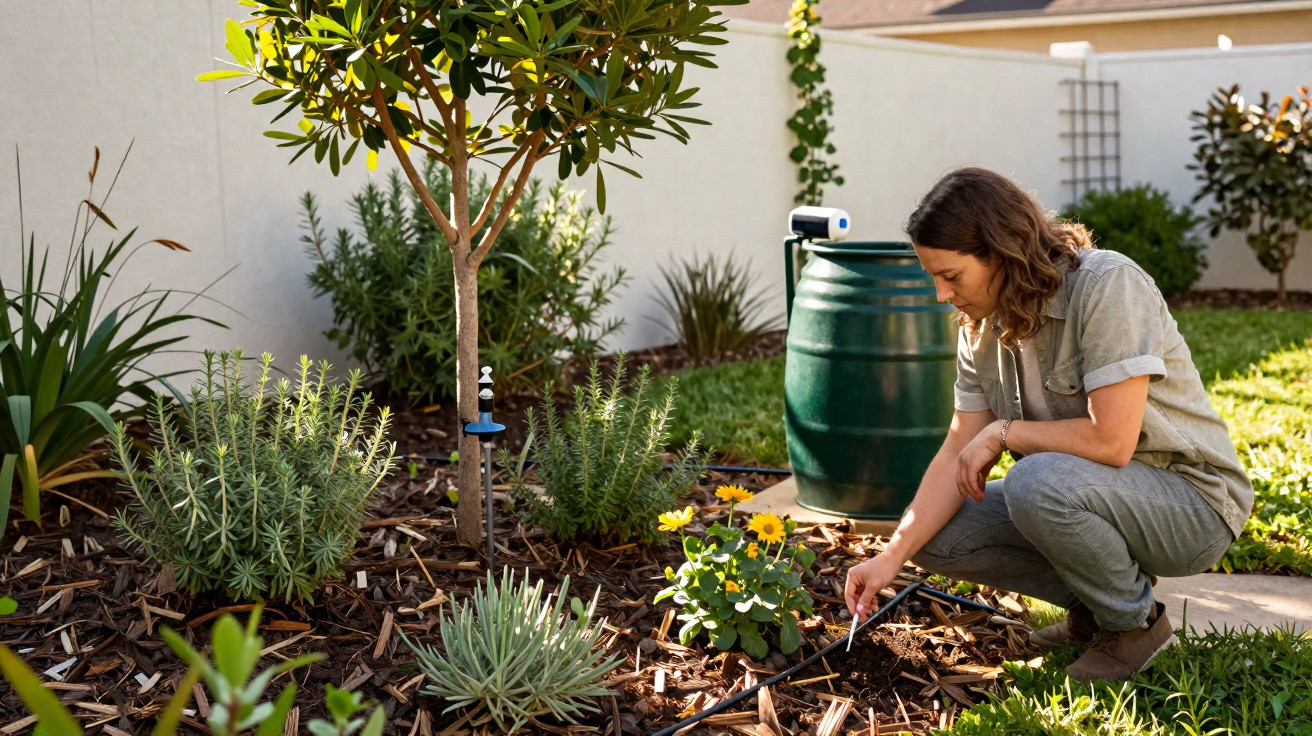
After planting, water slowly and deeply. The aim is to drench the root zone so the soil settles snugly around the roots.
"One heavy watering at planting time helps the shrub far more than a week of light sprinkles."
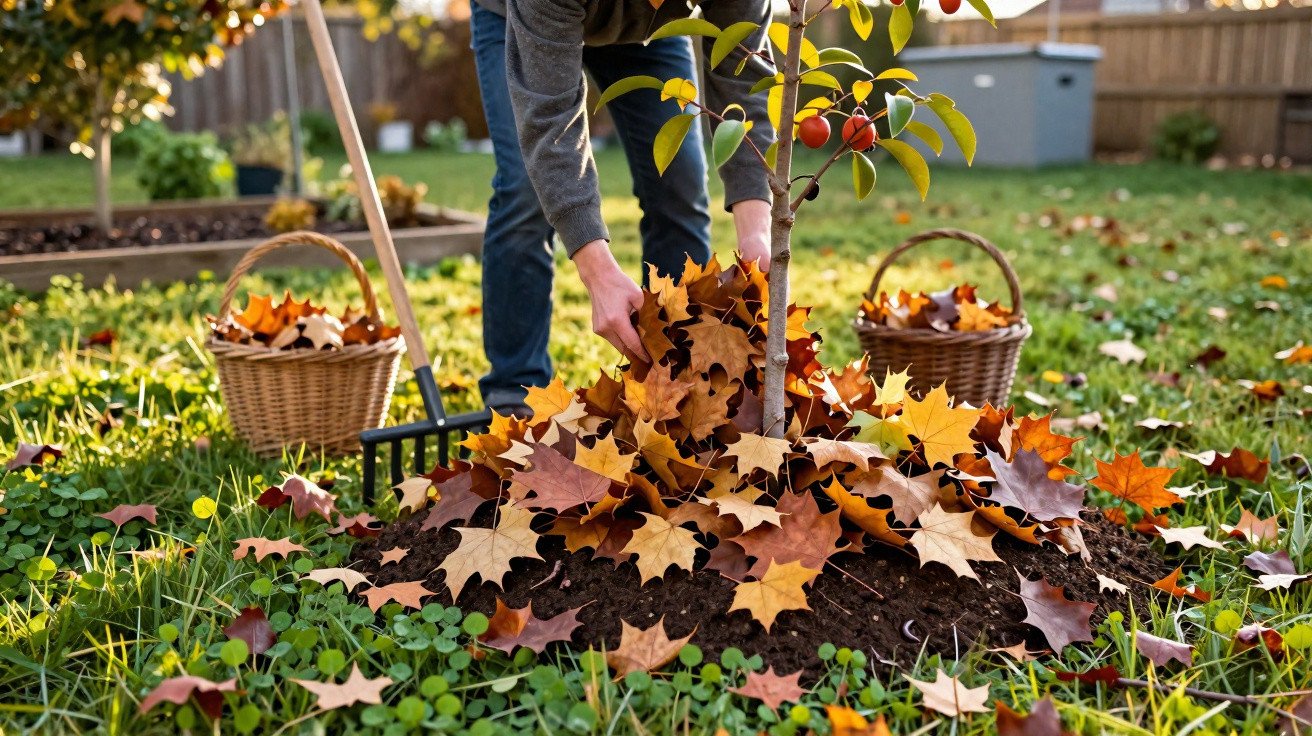
Next, apply a mulch layer 5–8 cm thick around the base. Suitable materials include:
- Shredded prunings or wood chips
- Leaf mould or dried leaves
- Grass clippings, spread thinly so they don’t form a dense mat
Mulch reduces evaporation, keeps roots cooler in summer, and holds weeds back. The payoff is stronger growth and less time spent lugging a watering can.
What happens in autumn when the rest of the garden fades
Berries that shrug off frost and snow
By November, many gardens can look stripped back: perennials cut down, annuals finished, lawns churned and muddy. Against that muted scene, a pyracantha or a holly heavy with berries can look almost unreal, loaded with tight clusters of colour.
Unlike seed scattered across the lawn, these berries stay exactly where they are. They cling to branches through wind, frost and even wet snow. Birds can return repeatedly and take what they need, rather than feeding in one exposed, risky session on open ground.
A front-row seat from the kitchen window
If you plant the shrub within view of a window, you effectively build a winter theatre.
Robins will claim favourite perches and flash their wings in irritation. Blue tits will dart through the spines, barely pausing on the branches. Blackbirds may barrel in from nearby hedges, scatter smaller birds, and then feed in stubborn, concentrated bursts.
"Plant once in March and, within the same year, your morning coffee can come with a daily wildlife drama at eye level."
Choosing the right plant and managing the risks
Wildlife value versus safety and maintenance
Thorny, berrying shrubs are excellent for wildlife, but they’re worth placing thoughtfully. Pyracantha’s thorns, in particular, are very sharp, so it’s best not to site it beside narrow paths or children’s play areas.
Some berrying plants can be mildly toxic to people and pets if eaten in large quantities. Birds cope with them well, but young children may not. With holly, for example, the berries aren’t suitable for human snacking, so it makes sense to keep them visible but out of easy reach for toddlers.
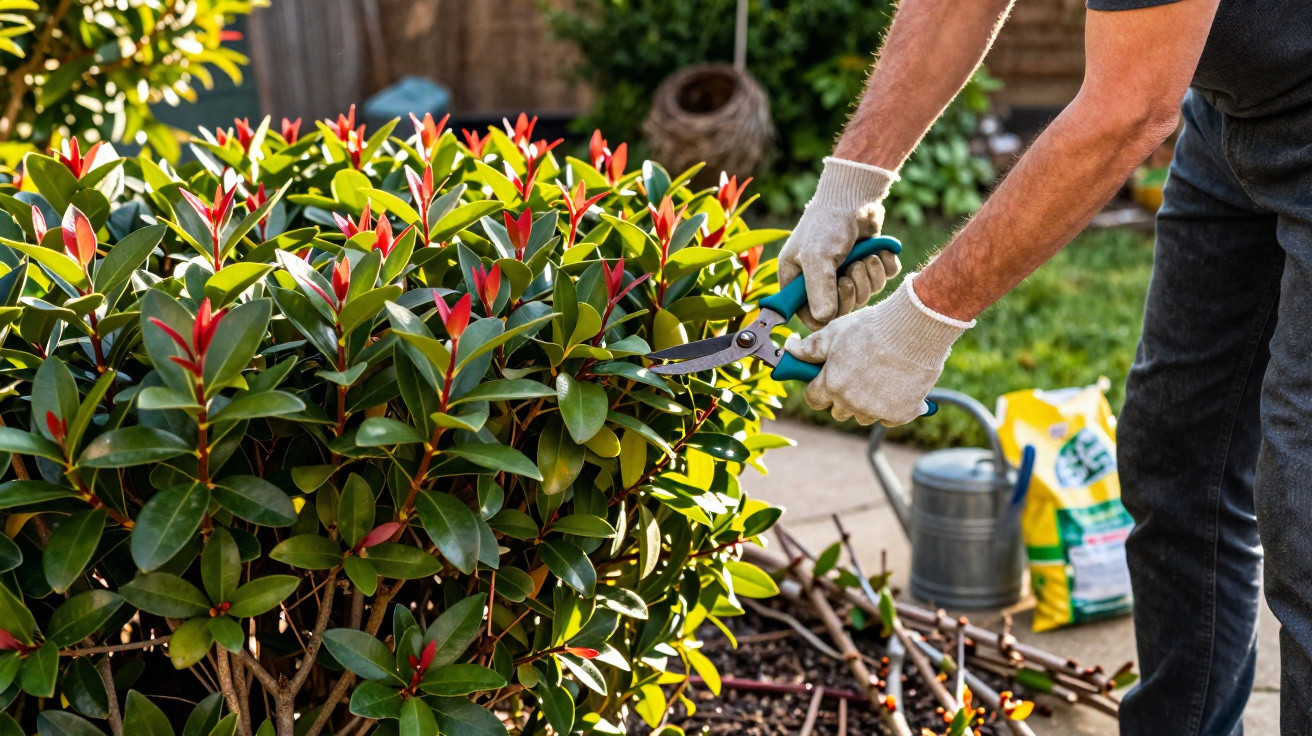
You can prune both shrubs to control size. A light trim after flowering helps keep the framework dense, which is exactly what birds prefer. However, a hard cut in late summer can remove the wood that would have carried berries, so pruning timing matters if you’re aiming for a good crop.
Thinking beyond a single shrub
If you’ve got a little extra space, one berrying shrub can form the centrepiece of a broader wildlife patch. Add a small log pile nearby to support beetles and woodlice. Leave a section of grass to grow longer over summer to encourage insects and provide seed. Plant spring bulbs beneath the shrub to offer early nectar for bees.
Layering like this creates a compact but rich habitat, even in a suburban garden or along a drive. Birds use the whole arrangement: insects in summer, seeds and berries in winter, and shelter from predators throughout the year.
Practical scenarios for small and large spaces
Balcony, tiny yard, bigger plot
Not everyone has a big lawn, but the March-planting approach works at almost any scale.
- Balcony or patio: Pick a compact holly for a large pot with drainage holes. Use peat-free compost, stake it securely, and water consistently through the first year.
- Small terrace garden: Train pyracantha along a wall or fence in an espalier-style shape. It saves space, still provides cover, and can be guided away from windows and doorways.
- Larger plot or rural garden: Plant a mixed hedge using pyracantha, holly, hawthorn and dog rose. This spreads flowering and fruiting through the seasons and draws a wider range of species over time.
Whatever your set-up, the principle doesn’t change: plant in March, help the shrub establish properly, and you create a natural, repeatable food source. Instead of topping up plastic feeders each weekend, the structure of your garden itself supports and shelters birds year after year.
Comments
No comments yet. Be the first to comment!
Leave a Comment