
You’re back in the garden centre, fixed in front of rows of shiny bottles with names that sound more like energy drinks than anything meant for soil. Super grow. Root booster. Bio-max-pro-whatever. Nearby, a couple are bickering about which “advanced organic complex” their tomatoes apparently require. You check the price labels and feel that familiar little stab of guilt. Is this just what gardening is now - paying for a lab in a bottle?
Later at home, you peel carrots straight over the bin. Coffee grounds, eggshells, limp salad leaves - all of it drops in, ready to be tied up and hauled out to the kerb. Outside, the soil in your flowerbed looks worn-out and lifeless, as if it’s overdue a holiday. Meanwhile, your kitchen bin is basically a five-star spread for that exact same soil.
You’re binning the very thing your garden is crying out for.
The “problem” with your garden isn’t out there, it’s in the bin
Most people picture bad soil as something obvious: baked cracks, dusty bare patches, nothing growing for metres. In real life, exhausted soil is subtler. It looks mostly fine - just a bit flat. Things grow, but they don’t flourish. Leaves come out slightly washed-out, flowers seem a little stingy, and harvests are… underwhelming. You assume it’s your “brown thumb” and end up searching for miracle fertilisers at midnight.
The quieter truth is this: your garden doesn’t need anything rare or exotic. It needs you to stop throwing its best food away, day after day.
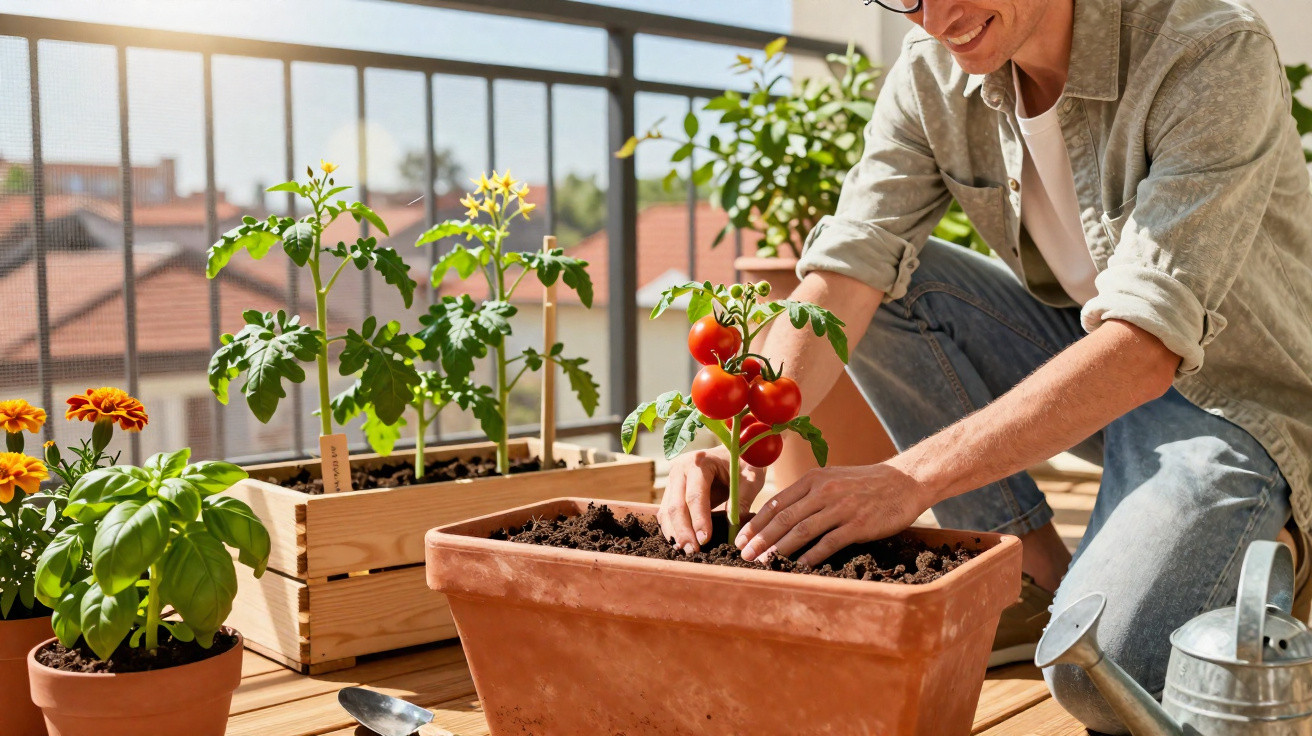
A friend of mine living in a small city flat ran into exactly this with her balcony tomatoes. She watered consistently, used the “right” compost, and even chatted to the plants (only half joking). They stayed alive, but the tomatoes were small and bitter. She was about one YouTube video away from buying a complicated nutrient kit she didn’t really understand.
Then her neighbour - a retired mechanic who somehow grows ridiculously lush basil - leaned over the railing and asked, “What do you do with your coffee grounds?” She shrugged. “Throw them out.” He shook his head, disappeared, and came back with a battered old ice-cream tub packed with dark, crumbly compost. That single tub changed her whole balcony.
As soon as she started saving kitchen scraps, letting them break down in a small container, and using that mix to feed her pots, everything shifted. The tomatoes grew to double their previous size, the leaves turned a deep, healthy green, and she stopped buying fertiliser altogether. And no, she didn’t follow a strict scientific method or read a 200-page book first. She simply stopped treating food waste like waste.
The reasoning is almost embarrassingly straightforward. Everything you eat began in soil. After you peel, shell, brew and chop, what’s left is a concentrated bundle of plant nutrients sitting in your bin. If that organic matter ends up rotting in landfill, it becomes methane and more problems. If it breaks down in your garden (or near it), it becomes humus and life.
Turn your kitchen scraps into “lazy gold” for your garden
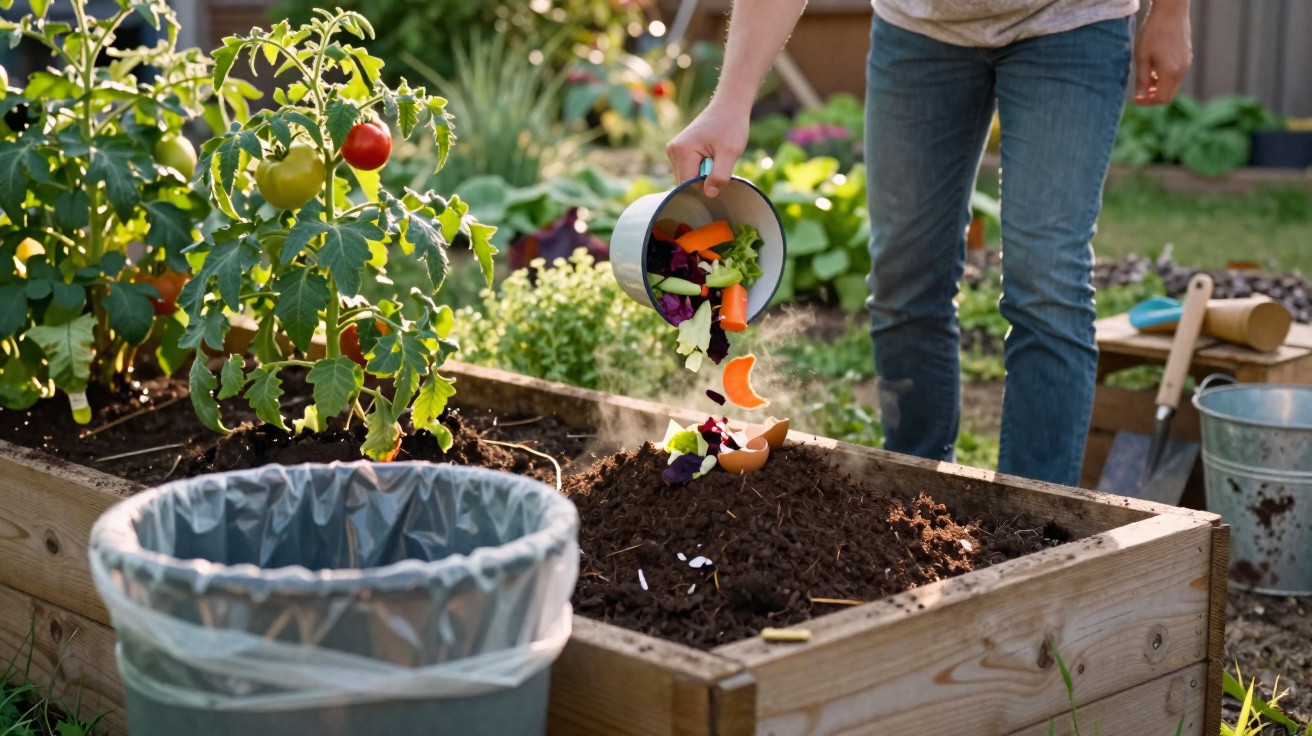
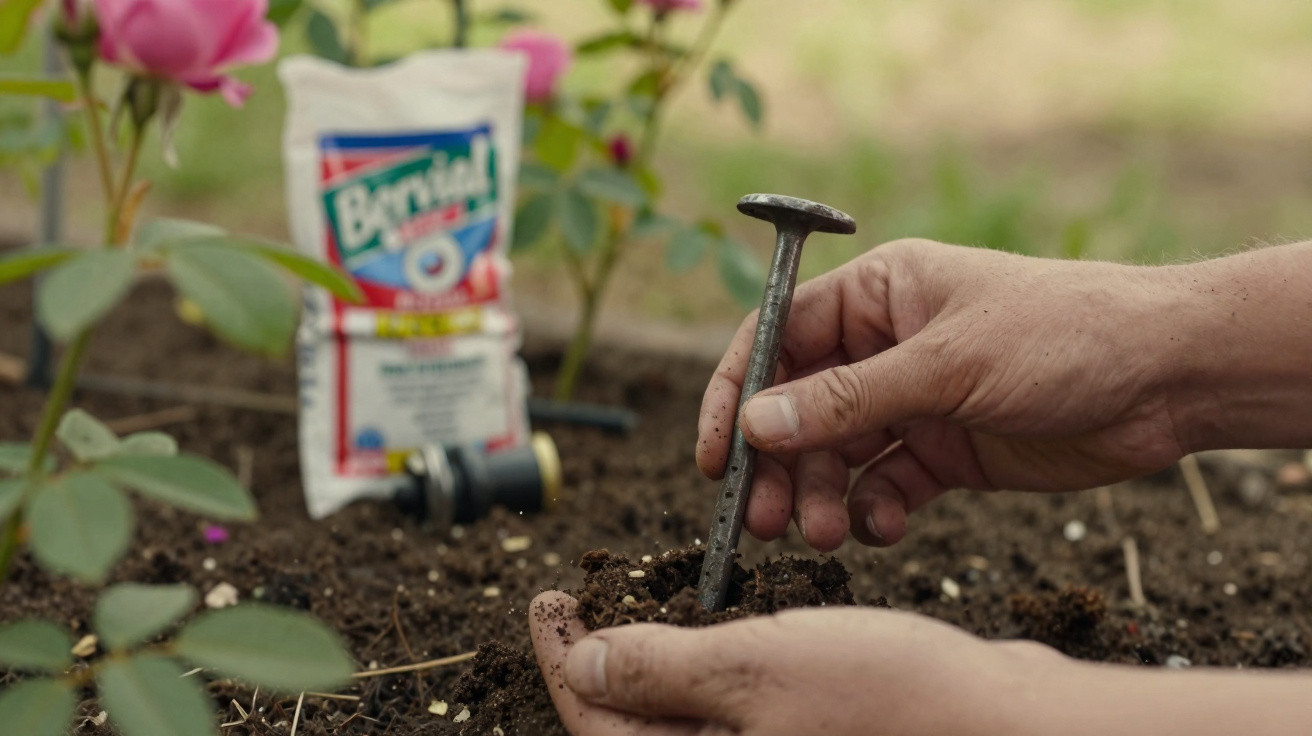
Here’s the low-effort approach people rarely mention. Choose one container you no longer care about: a bucket, a cracked storage box, even an old paint tub. Use a nail or screwdriver to make a few holes near the base. Congratulations - that’s your “compost bin”. No fancy kit, no gadgets. Put it outside somewhere out of the way, and tip in your daily kitchen scraps.
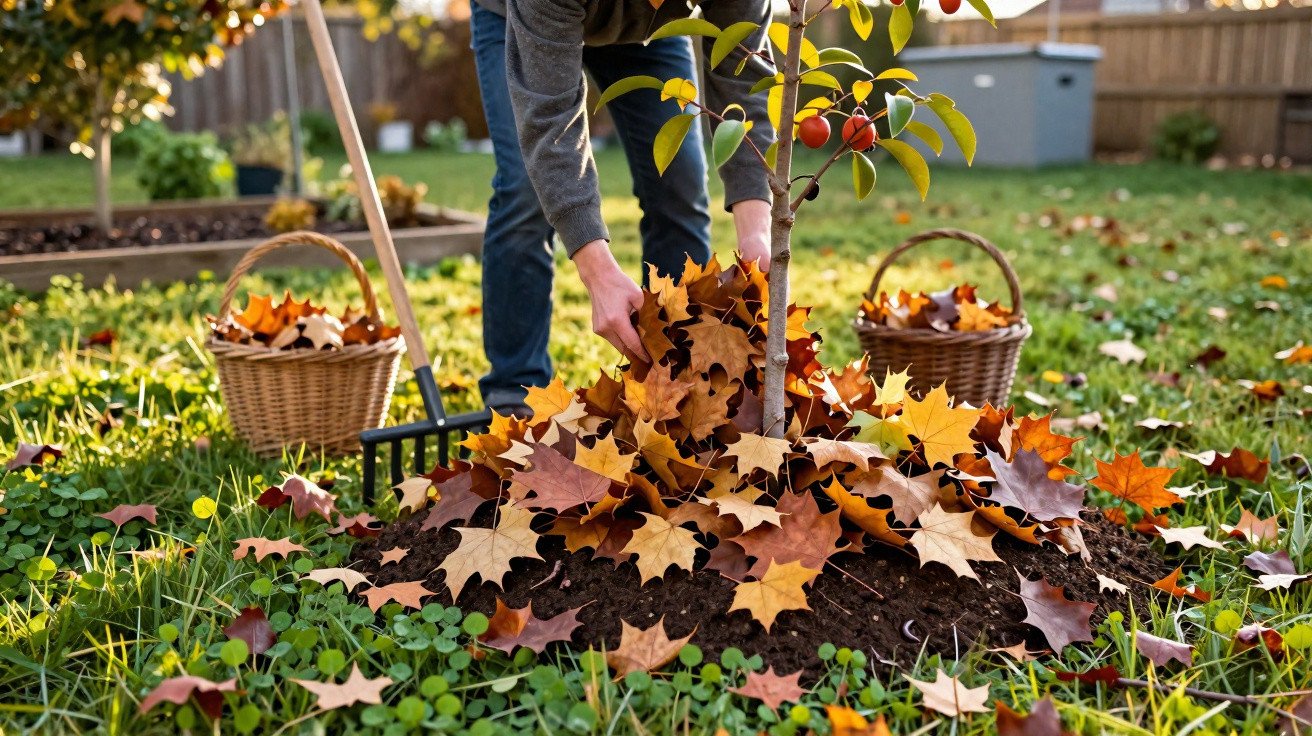
Think fruit and veg peelings, coffee grounds, tea leaves (without plastic mesh), crushed eggshells, tired herbs, and that forgotten half-onion at the back of the fridge. When you can, loosely cover the top with something dry: shredded cardboard, dead leaves, or a handful of old potting compost. Every few days, prod it about with a stick. Then leave it alone.
This is the point where many people tense up and give up before they’ve even begun. They imagine swarms of flies, a smell that annoys the neighbours, and strict “greens and browns” ratios like a chemistry test you didn’t revise for. Let’s be honest: nobody keeps this perfect every day. You’ll forget to stir it. You’ll tip in too many coffee grounds at once. You’ll add a citrus peel and then worry because someone on Instagram swore citrus is forbidden.
In practice, it’s much more forgiving. If you avoid dumping meat, dairy, or oily leftovers into the mix, a kitchen-scrap compost bin generally sorts itself out quietly. It might not resemble the fluffy, picture-perfect compost you see online - but your plants won’t complain. What they care about is finally getting organic matter and a steady buffet of nutrients, released gradually.
We’ve all been there, that moment when you’re rinsing a handful of coffee grounds down the sink and suddenly think, “This looks… kind of like soil.” That’s not a coincidence. That’s your garden’s next meal heading for the drain.
- What to toss in the “lazy bin”: Fruit and veg scraps, coffee grounds and filters, tea leaves, crushed eggshells, wilted salad, herb stems, small amounts of bread or rice if you bury them.
- What to keep out: Meat, bones, fish, cheese, lots of oil or butter, big chunks of cooked food that could attract pests.
- Simple ways to use the result: Scatter a thin layer around plants, work a couple of handfuls into potting compost, or bury small pockets of half-rotted scraps near heavy feeders such as tomatoes.
Once you see your bin differently, you never unsee it
The first time you carry a bowl of peelings out to your DIY compost instead of tipping it into the rubbish, something changes. It feels different in your hands. You’re not “getting rid” of anything - you’re delivering ingredients. You start noticing how much of what you used to throw away was edible, or almost edible. You also notice how quickly it turns into something dark and earthy when it’s given a corner and a bit of time.
You begin to see your morning coffee as a two-for-one: one for you, one for the soil. Suddenly, the distance between your kitchen and your garden doesn’t feel so big at all.
| Key point | Detail | Value for the reader |
|---|---|---|
| Use kitchen scraps as fertiliser | Collect fruit and veg scraps, coffee grounds, and eggshells in a simple outdoor container | Reduces waste and cuts spending on commercial fertilisers |
| Keep compost rules flexible | Avoid meat, dairy, and oils, but don’t obsess over perfect “ratios” or daily stirring | Makes composting feel doable, not overwhelming, so you actually stick with it |
| Feed soil, not just plants | Mix in compost or top-dress around plants so soil life can break it down gradually | Builds stronger, more resilient plants with better blooms and harvests |
FAQ:
- Question 1 Will my DIY kitchen compost smell bad or attract pests?
- Answer 1 If you leave out meat, fish, dairy and large greasy leftovers, any smell should stay mild and earthy. Lightly cover fresh scraps with dry material (cardboard, leaves, soil) and keep the lid on. To deter pests, use a lidded container with small holes and bury newer scraps beneath older material.
- Question 2 How long does it take for kitchen scraps to turn into usable compost?
- Answer 2 Around 2–6 months, depending on temperature, moisture, and how often you stir. It doesn’t have to be perfect: even partially broken-down scraps, buried lightly near plants, will still feed the soil over time.
- Question 3 Can I put citrus peels, onion skins and garlic in my compost?
- Answer 3 Yes, in normal household amounts. They take longer to break down, but they do break down. If you’re concerned, chop them smaller and mix them into the middle of the pile rather than leaving them on top.
- Question 4 Is compost from kitchen scraps safe for vegetables and herbs?
- Answer 4 Yes - provided you’re not adding pet waste, large amounts of mouldy food, or harsh chemicals. Let it mature until it’s dark and crumbly, then mix it into soil or use it as a thin top layer around edible plants.
- Question 5 What if I only have a tiny balcony or no garden at all?
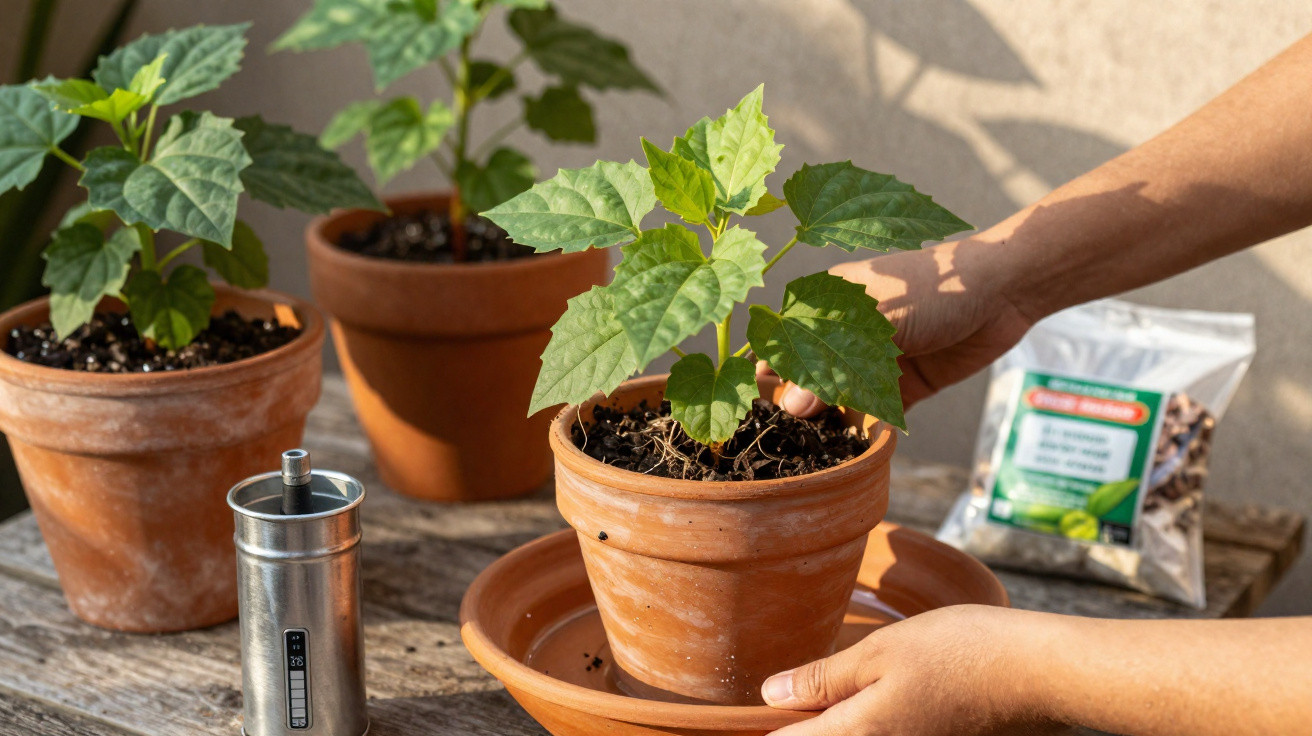
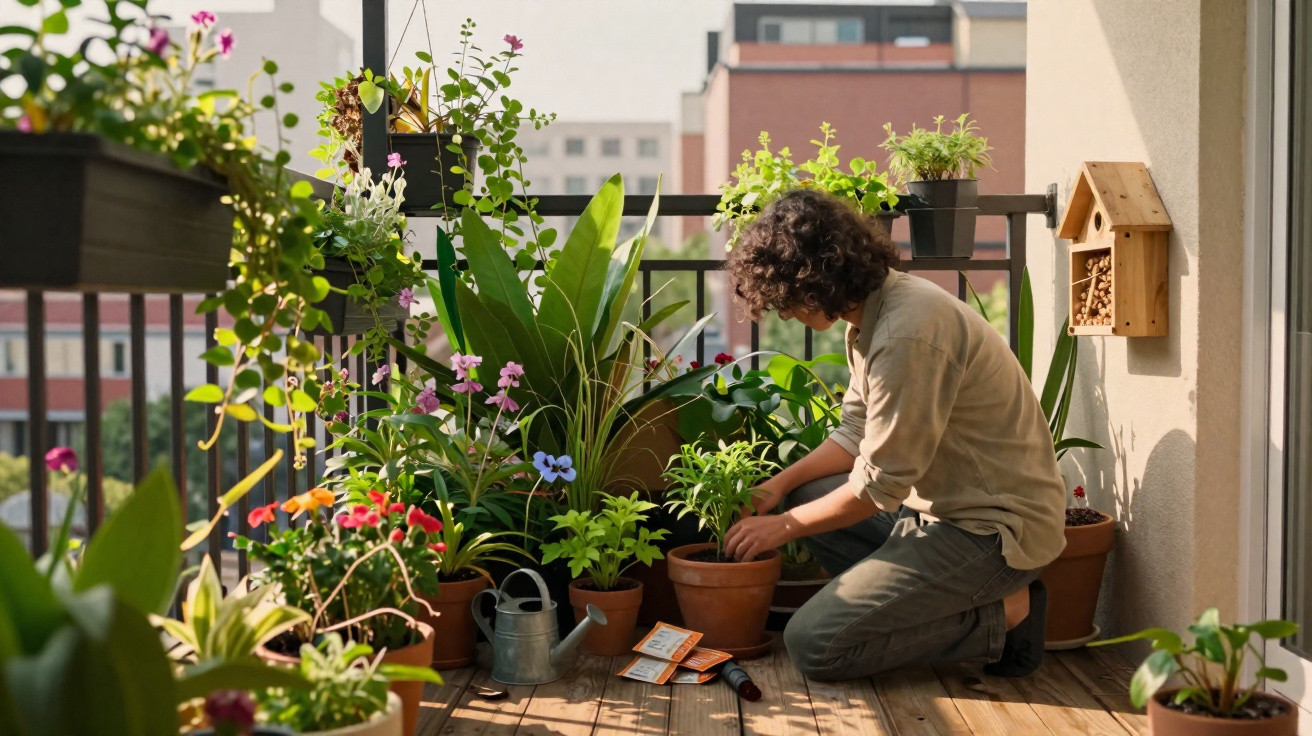
- Answer 5 You can still compost on a small scale. Use a sealed bin or a bokashi-style bucket, then use the finished material for pots, share it with a gardening neighbour, or seek out local community gardens that accept kitchen compost.
Comments
No comments yet. Be the first to comment!
Leave a Comment