
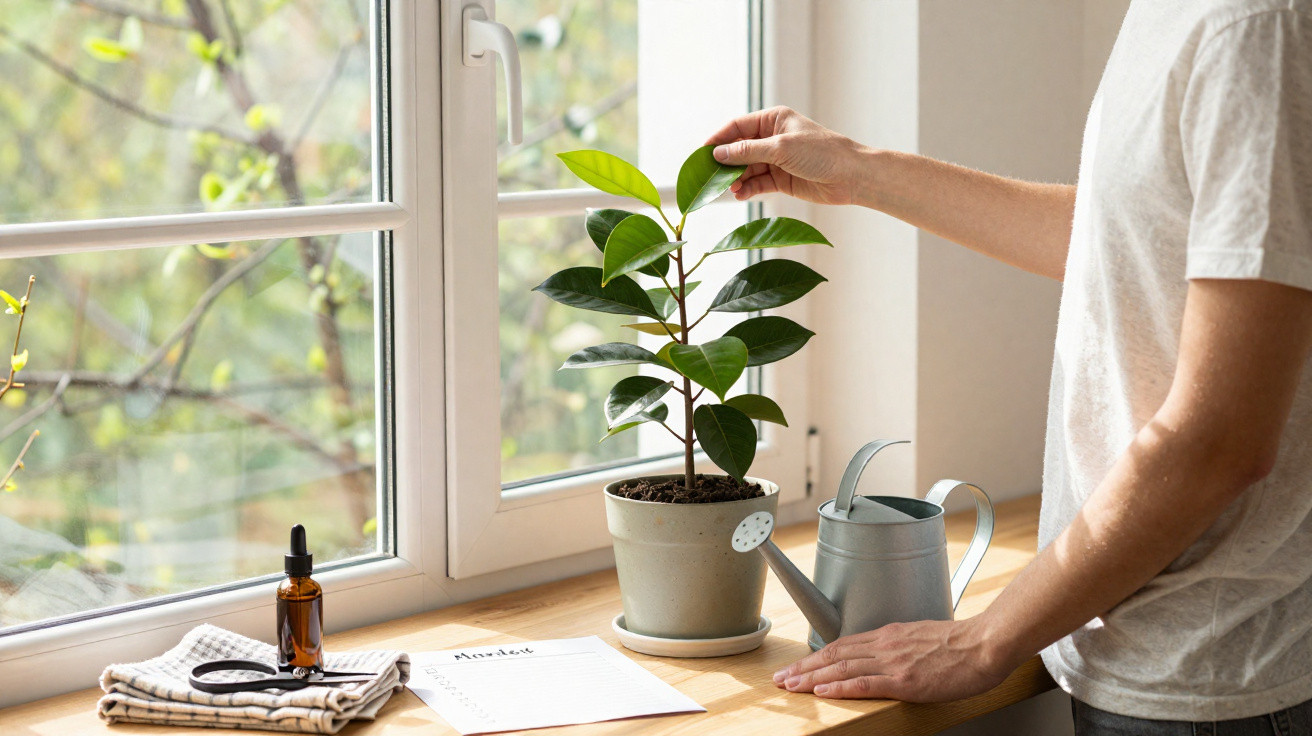
Many people leave their money tree sitting on the windowsill for months, relying on a little water and a lot of good intentions. By March, that approach stops being enough. This thick-leaved plant slowly powers up again, asking for brighter conditions, a revised watering routine and, in some cases, a new pot. If you fine-tune care now, you’ll be rewarded with a compact plant with glossy leaves; if you keep treating it like it’s still January, you’ll hold its growth back.
Why the money tree suddenly needs different care in March
Through autumn and winter, the money tree drops into a kind of economy setting. It barely grows, needs very little water and can manage without any feed. During the darker months, many people water only about once a month - and that usually suits the plant just fine.
As March arrives, the change is gradual but unmistakable: days lengthen, sunlight strengthens, and the compost dries out more quickly. At the same time, tiny new buds begin appearing at the shoot tips. That’s the plant’s signal that the growing season is starting.
"In March, one thing matters above all: if you stick with the winter routine, the money tree stalls. If you switch intelligently now, it launches into strong spring growth."
The key is adjustment, not a full jump into summer care. Think fine-tuning rather than a dramatic reset.
The right position: more light, but no sun scorch
In March, light is the first - and often the most important - lever you can pull. The money tree thrives in bright conditions, but after winter it still isn’t ready for harsh, direct midday sun.
Where the money tree should sit in spring
- East-facing window: morning sun followed by bright light - ideal for easing into spring.
- West-facing window: afternoon and evening sun, usually well tolerated.
- South-facing window: only with a light net curtain or a little distance from the glass.
If the plant is kept too dim, it will stretch upwards: shoots become long and thin and eventually start to lean or flop. If it takes too much intense sun too quickly, leaves can look paler and develop brown patches along the edges.
A simple approach: over the weeks in March, move the pot gradually closer to the window and rotate it slightly once a week. That helps the money tree grow evenly, producing a rounded, balanced shape rather than a lopsided lean.
Watering in March: away from winter mode, but don’t drown it
After light, the next issue - and the one that trips up most money trees - is water. In March, it does need more than it did in December, but the compost must still never be left waterlogged.
How to tell when it’s time to water
- Push a finger about 2 cm into the compost.
- If it feels dry, water thoroughly.
- If it still feels slightly moist, wait a few more days.
When you do water, do it properly: pour until water runs out of the drainage hole, then empty the saucer straight away. In a bright room in spring, this typically works out at roughly every 10 to 15 days, and a little more often for very small pots.
Typical warning signs:
| Symptom | Likely cause |
|---|---|
| Soft, yellowing leaves; the stem darkens at the base | Too much water; rot is a risk |
| Wrinkled, slightly sunken leaves | Too little water; the plant is drawing on its reserves |
Don’t respond with extremes. If you realise you’ve been watering too rarely, shorten the interval by a few days. If you’ve overwatered, let the compost dry much more thoroughly before watering again. Sudden, radical changes tend to unsettle the money tree.
Feeding: March is when the plant starts taking nutrients again
After several lean winter months, the money tree is ready in March for a modest nutrient top-up. This supports strong, thick growth and helps the leaves stay firm and plump.
The right fertiliser and timing
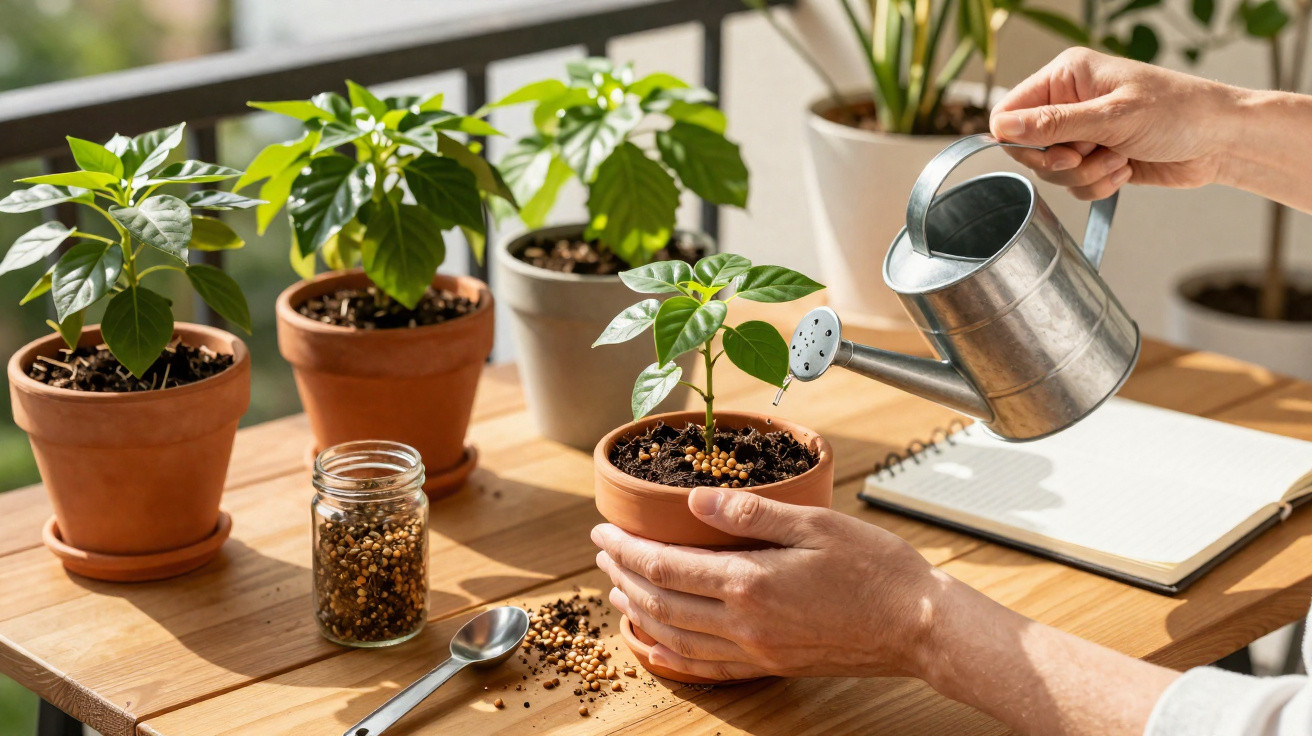
A liquid specialist feed for cacti and succulents works well. Use it at half strength in the watering can rather than full dosage. Feeding about every four to six weeks is enough, from March through to autumn.
"Less fertiliser, but regularly - that’s how you avoid salt damage and encourage compact, healthy growth."
Three situations when you should skip feeding:
- in deep winter, when the money tree is barely growing,
- if the plant is visibly weakened,
- straight after repotting.
Never apply fertiliser to compost that’s bone-dry or soaking wet. Ideally, water normally first, wait a few days, then feed. This helps distribute nutrients more evenly and is gentler on the roots.
Shaping and maintenance: pruning for dense, compact growth
In early spring, once the first fresh leaves show, you can actively guide how your money tree develops. Long, drooping shoots can be shortened so the plant doesn’t become top-heavy.
How to prune correctly
- Only shorten shoot tips and overly long branches.
- Cut just above a leaf node - that’s where new growth will emerge.
- Don’t remove more than 20 to 30 percent of the whole plant at once.
Use sharp scissors or small secateurs. A quick wipe with alcohol between different plants reduces the chance of spreading disease.
The cuttings are also easy to turn into new plants. Let the cut ends dry for one to two days, then insert them into lightly moist, sandy compost. Over time, you’ll build up a little “money tree next generation”.
Repotting: when the old pot starts limiting growth
March and the following spring weeks are also a good window for repotting. You don’t need to do it annually, but every two to four years it’s worth checking the root system.
Signs your money tree needs a new pot
- Roots are emerging from the drainage hole.
- The compost stays wet for a long time and feels heavy and compacted.
- The plant becomes unstable and tips easily because the root ball has outgrown the pot.
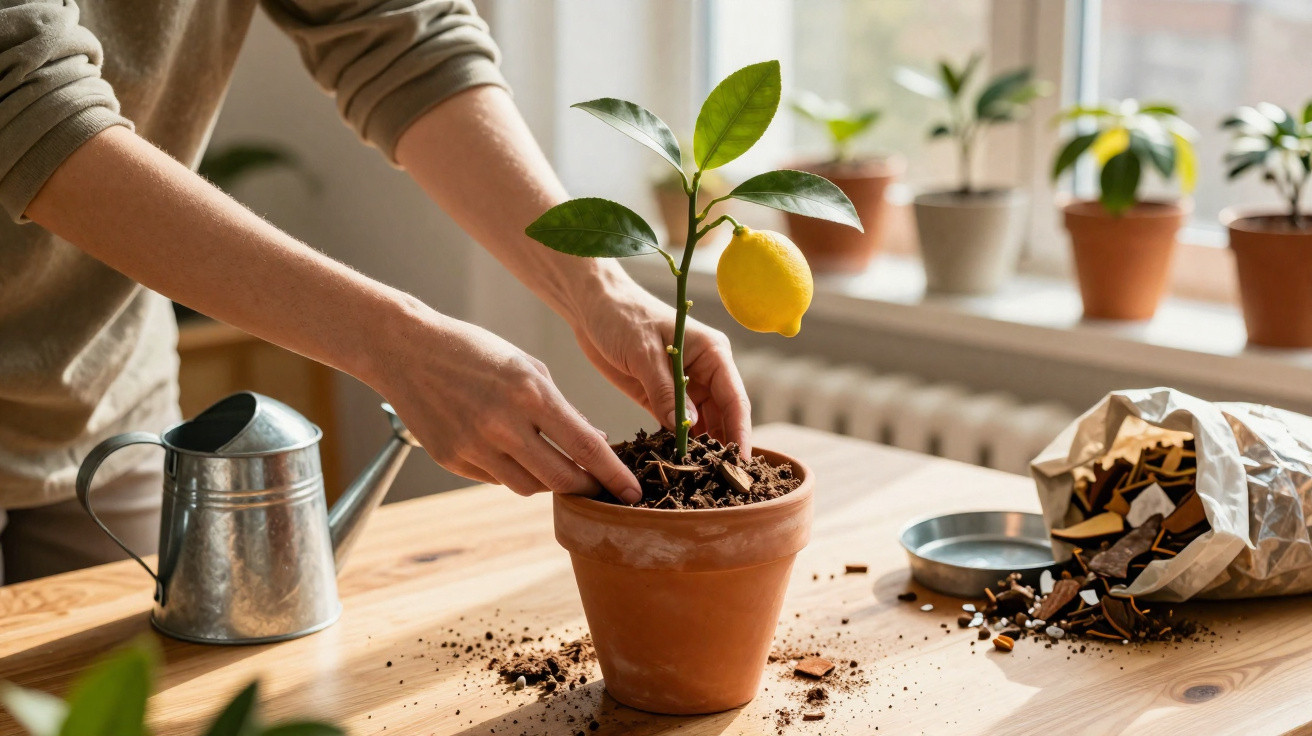
Choose a pot that is only slightly larger than the current one, and make sure it has a drainage hole. Use a very free-draining mix, such as cactus compost blended with fine gravel and a little sand. After repotting, don’t water immediately - wait a few days so any small root injuries can dry slightly. Pause feeding for several weeks after repotting.
A quick March checklist for a strong money tree
- Check the position: move it brighter and acclimatise it to stronger light gradually.
- Adjust watering: use the finger test; water only when the top layer has dried.
- Start feeding: cactus/succulent fertiliser at half strength.
- Do a shaping prune: shorten overlong shoots and use cuttings for propagation.
- Inspect the pot: repot if the roots have run out of space.
Common spring mistakes - and how to avoid them
Many issues appear precisely when the plant is trying to get going again. Three frequent missteps:
- From winter rest straight into midday sun: this causes leaf scorch. Better: increase sun exposure in stages.
- Keeping the compost constantly damp out of kindness: the money tree stores water in its leaves and copes with dry spells better than with standing moisture.
- Using full-strength fertiliser in one go: overfeeding damages roots and leaves; here, less is usually more.
If you pay attention to what your plant is telling you in March, you don’t need to be an expert. A little extra light, controlled watering and cautious feeding are often enough to turn a tired winter specimen into a vigorous spring plant.
One factor that’s often overlooked is indoor air. If the money tree sits close to a radiator or in a very warm south-facing room, the compost dries far faster, and leaf tips may start to look slightly wrinkled. In that situation, a slightly larger pot with free-draining compost and a watering routine based on actual dryness (not calendar dates) makes a real difference.
If you enjoy styling your houseplants, spring is also a good time to place several smaller plants together in a wide bowl. With a little gravel or decorative stones between them, it looks modern and can create a more stable rooting environment. The main point still stands: the money tree is a succulent. It prefers bright light and drier conditions, and it won’t thrive in March because of dramatic interventions, but because of one deliberate shift - moving from winter care into a moderate spring routine.
Comments
No comments yet. Be the first to comment!
Leave a Comment