
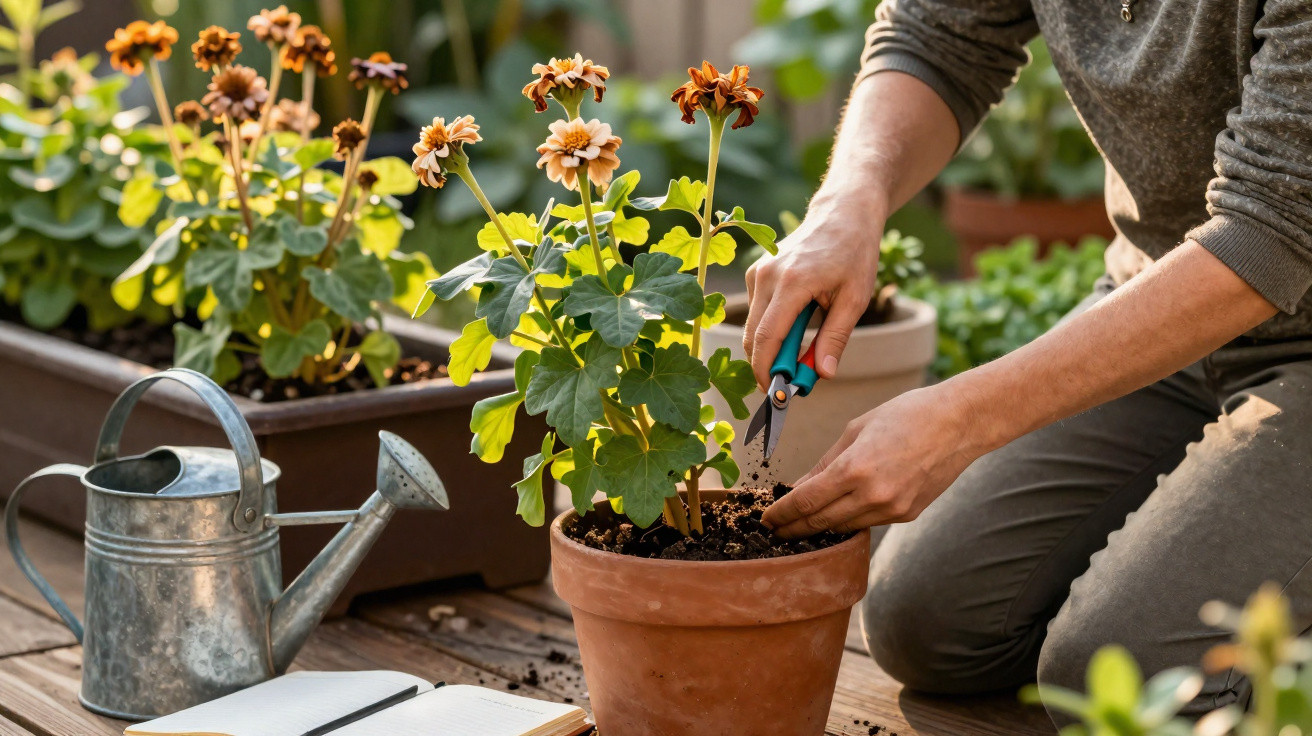
At a glance, every pot looked identical: an exhausted line of tomato plants on a late‑August balcony, yellowing foliage, drooping stems, and compost baked hard, like spent coffee grounds. The frantic pace of summer had passed, baskets had been filled, and attention had already drifted towards seed catalogues for “next year’s garden”. Most people would have hauled them to the bin without thinking twice.
Yet over the following three weeks, if you paid attention, something subtle-almost unnoticeable-was underway. Minute root tips pressed further down. Stems regained a little stiffness. One final surge of photosynthesis banked energy where you couldn’t see it.
The flashy part of the year was done.
The real reset was only just starting.
The season doesn’t end when the flowers fade
Ask a home gardener when the season “finishes” and you’ll usually hear the same markers: first frost, last tomato, the day the dahlias finally flop. As soon as obvious growth slows, we mentally sign off. We start planning, or we simply move on.
Plants don’t operate with that kind of off switch. After flowering or fruiting, they enter a concealed recovery phase: roots mending, carbohydrates being stored, tissues repairing the wear of heat, pests and pruning. This neglected period quietly determines whether next year’s growth begins with strength-or with weakness.
It won’t show up in an Instagram photo. But the plant registers every bit of it.
Picture a typical front garden with dependable hydrangeas tucked beneath a window. One summer, they burst into huge blue mopheads. Neighbours stop, comment, and reach for their phones. The gardener waters regularly, feeds in spring, and gives them a gentle trim.
Then autumn rolls in. Leaves slump and flowers turn brown. Life crowds in, daylight shrinks, and the hose gets put away early. Spent petals are left to rot against the stems, and the soil dries between cold snaps. Come spring, those same hydrangeas wake brittle: fewer buds, smaller heads, and some stems dead back to the base.
Nothing “mysterious” occurred. Their recovery season simply didn’t happen.
From a botanical point of view, this quiet stretch is both harsh and essential. After heavy flowering or fruiting, reserves are depleted-much like a marathon runner who has just crossed the finish line. Sugar levels in tissues drop, fine root hairs are damaged by drought or compaction, and cell walls carry countless microscopic injuries. This is the point at which plants rebuild.
They pack storage starch into roots and crowns. They produce finer roots ready to capture spring nutrients. Perennials even recalibrate their internal “bud programming”, choosing how many flower buds they can afford for the following year. If extra stress lands now-dry compost, abrupt pruning, nutrient shock-the plant goes into winter like someone heading into surgery already run down.
Next season’s “wow” is drafted in this small, quiet gap.
How to support that invisible post‑bloom recovery window
The most effective intervention comes precisely when most people stop: continue caring for plants for two to four weeks after the “big show” ends. Not by pushing more feed, but by offering gentle support. Think spa, not boot camp.
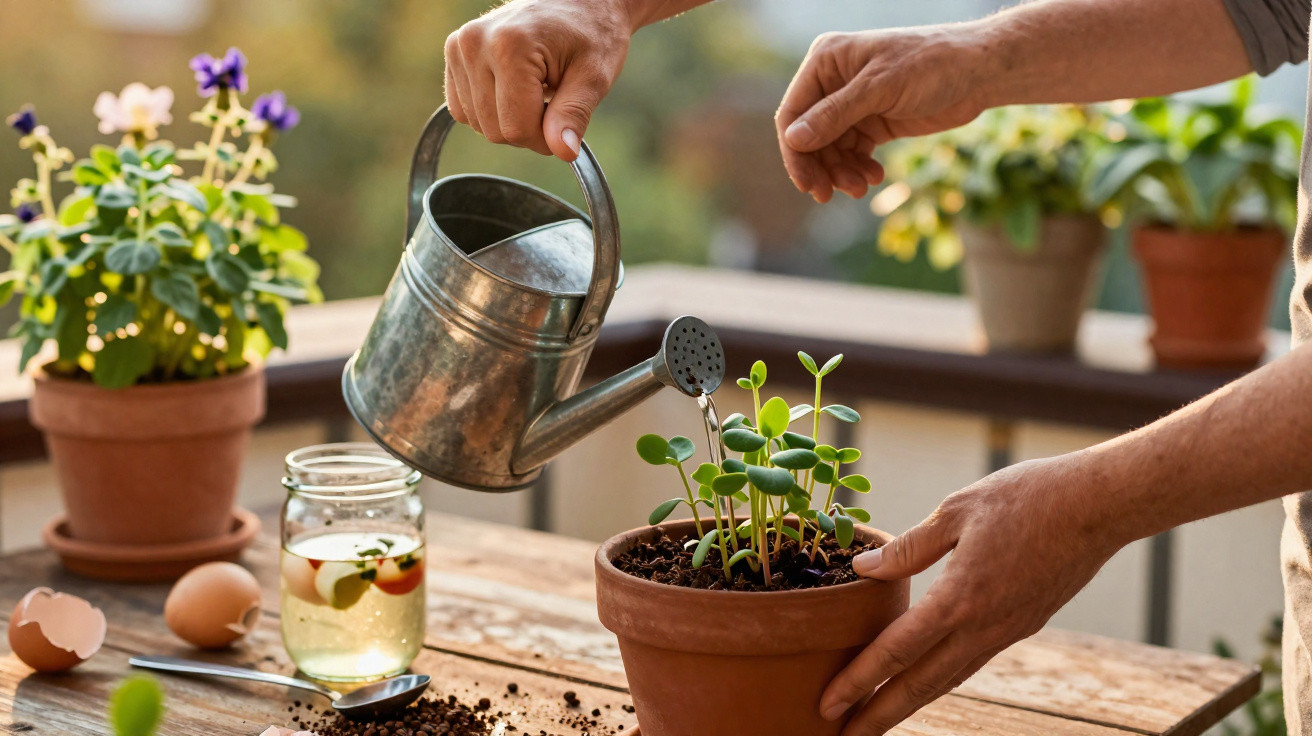
Start with deep watering, but do it less frequently-particularly for perennials, shrubs and container plants on balconies. The aim is moisture reaching the lower root zone where repair work is happening, rather than just dampening the surface. Next, spread a thin layer of compost or leaf mould around the base, like a soft blanket that slowly nourishes the soil life doing the restoration.
Then hold back. Give the plant space to breathe and reorganise.
This is also when it helps to fight the urge to “tidy”. Many of us reach for the secateurs as soon as blooms fade, cutting stems down hard and stripping away every brown leaf. It feels efficient, neat, “proper gardening”. But those fading leaves and stems are still contributing-still photosynthesising, still shifting sugars down to the roots.
If you cut back too aggressively, too early, you remove the plant’s final energy pay packet of the year. A steadier approach is to take off only what is plainly dead, diseased or broken at first. Keep healthy foliage until it yellows naturally or frost finishes it. Where possible, leave seed heads for a while: birds benefit, and the plant quietly balances its books.
To be honest, hardly anyone manages this perfectly day after day. Even so, a small change in timing can rewrite what happens next year.
“We’ve all been there, that moment when you stand over a wilted plant in spring, blaming the winter, when in truth it was the forgotten weeks after last summer that sealed its fate.”
- Keep watering after the show
One good soak a week for 2–3 weeks post‑flowering helps roots rebuild and store energy. - Feed the soil, not the leaves
A thin layer of compost or rotted manure supports microbes that repair fine roots. - Delay the hard cutback
Trim only what’s clearly dead at first, saving major pruning for the plant’s true dormancy. - Protect the root zone
Mulch lightly with leaves or straw to buffer temperature swings during recovery. - Observe, don’t rush
Spend five minutes just looking: new root growth, slight stem firming, colour changes. Those clues tell you when the plant is ready for rest.
Rethinking the rhythm of a growing year
Once you start spotting this recovery phase, it quietly reshapes your sense of the gardening year. The “season” stops feeling like a sprint to peak bloom followed by a sudden end, and turns into a gentler arc: build‑up, burst, recovery, rest. You begin to see that the job is not only to drive performance, but to guide plants back from the effort.
You may find yourself watering a little less at midsummer peak and a little more during the first cooler weeks afterwards. You might shift major pruning away from the months you do it by habit, and towards the moments when the plant has genuinely finished its recovery chapter. You may even tolerate a bit of untidiness-brown petals, scruffy seed heads, a few yellow leaves-as evidence that the system is still completing its work.
The plant you’ll live with next year is already forming in the one you’re tempted to ignore today.
| Key point | Detail | Value for the reader |
|---|---|---|
| Post‑bloom recovery shapes next season | Energy storage, root repair, and bud formation occur after flowering and harvest | Helps explain why plants “suddenly” weaken or thrive year to year |
| Gentle care beats late‑season neglect | Deep watering, light compost, and delayed pruning support this invisible phase | Gives readers concrete actions that improve blooms and yields without extra products |
| Change the mental calendar | Seeing the year as growth–peak–recovery–rest changes daily habits | Encourages more resilient gardens and fewer frustrating plant losses |
FAQ:
- Question 1 How long does the plant recovery phase usually last?
For most perennials and shrubs, count roughly 2–4 weeks after flowering or final harvest. Bulbs may use 4–6 weeks of green leaves, while annuals pack their recovery and decline into a shorter window at season’s end.- Question 2 Should I fertilise during this recovery period?
Go very light or skip synthetic fertilisers. Focus on gentle, slow nutrition like compost or diluted organic feeds. The goal is to support root repair, not trigger a burst of soft new growth right before rest.- Question 3 Is this phase relevant for indoor houseplants too?
Yes, especially after heavy flowering or a big growth push in bright months. After that peak, ease up on repotting or strong pruning, keep watering steady, and give the plant 2–3 weeks of calm conditions.- Question 4 What’s the biggest mistake people make at this stage?
Cutting back too hard, too soon. Removing most of the green parts at once strips the plant of its last chances to refill its energy reserves and often leads to weak regrowth or even winter die‑back.- Question 5 How can I tell if my plant used its recovery phase well?
Look at next season’s early growth. Strong, evenly spaced shoots, healthy bud formation, and fewer dead stems usually mean the plant entered winter with good reserves from a calm, supported recovery period.


Comments
No comments yet. Be the first to comment!
Leave a Comment