
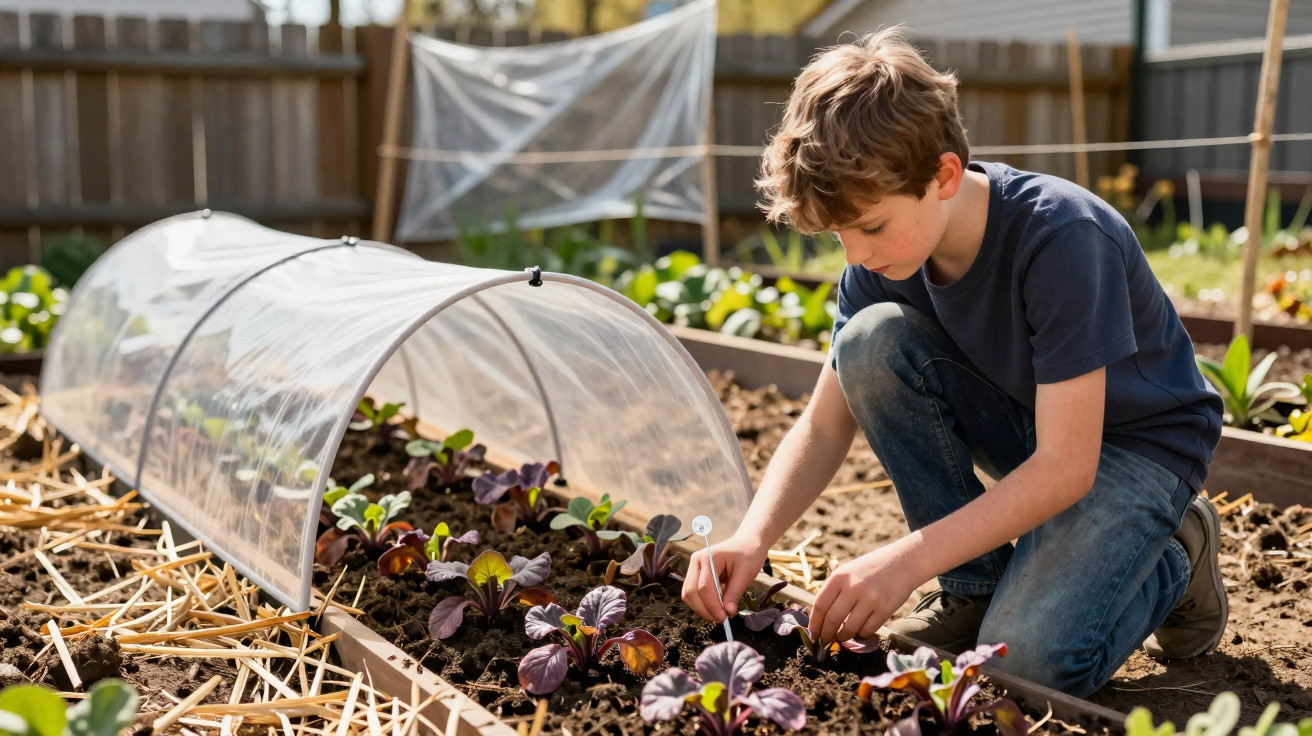
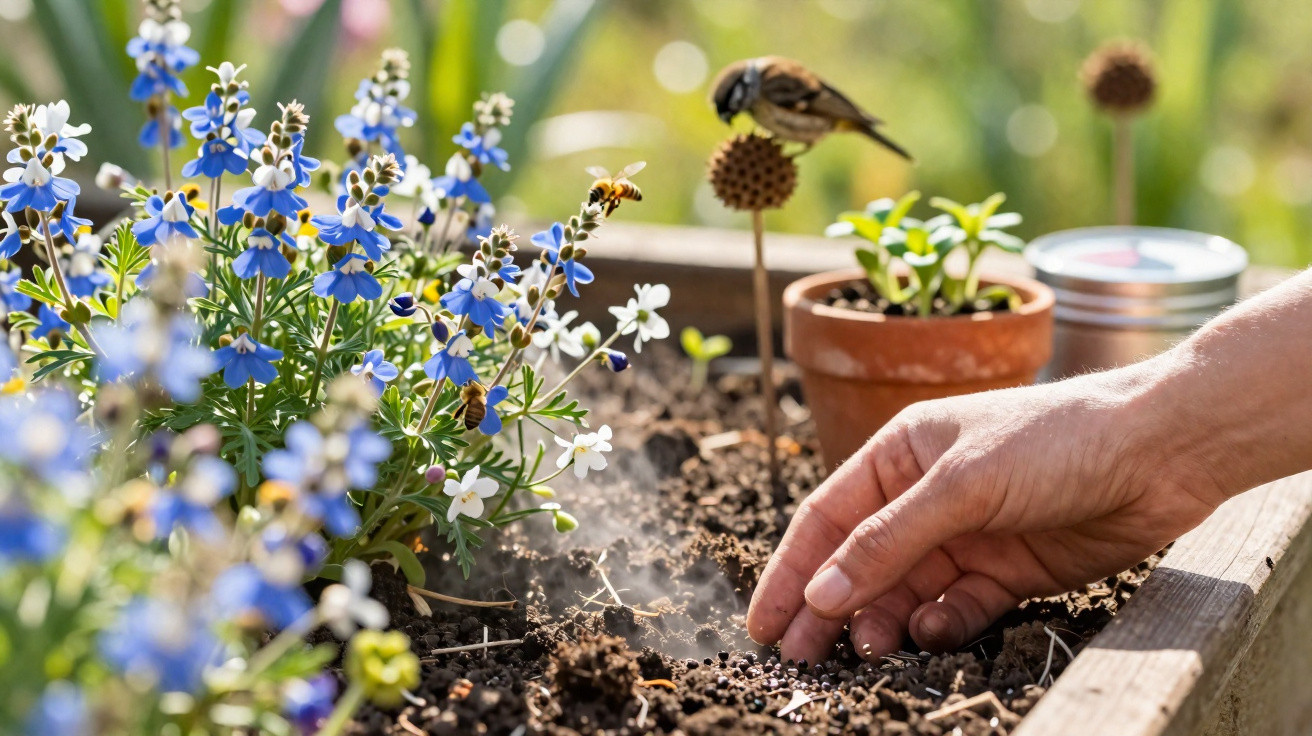
The sun had already got some heat in it as I crouched beside the raised bed, feeling the compost crumble easily between my fingers - moist, but not wet. The forecast was calling it a gentle patch of weather, the sort that seems to murmur to anyone who grows things: "Go on, plant them now, you’ll be ahead of everyone." I eased the tiny tomato plants out of their plastic modules - delicate, bright green, that fresh hopeful scent - and settled them into the soil as carefully as if I were tucking in a child.
That evening, they looked flawless.
Forty-eight hours later, they looked as though they’d been through a battle.
When the calendar lies and the garden answers
On paper, the timing seemed spot on. Daytime temperatures were kind, the sun felt confident, and it looked as if the risk of a hard frost had passed. It was exactly the sort of “false spring” that persuades even experienced gardeners to hurry young plants out of their sheltered, warm pots and into the open bed. You stand admiring straight little rows, already imagining tomatoes and courgettes that aren’t even on the way yet.
Then the nights make it clear who’s actually in charge.
A reader in southern England told me what happened to her peppers this year. It was early April: soft sunshine, clear skies, and the forecast promising nights around 10°C. She planted twenty seedlings she’d been nurturing on a bright windowsill since February. Two days later there was an almost unremarkable cool draught at dusk, followed by a night that dropped a touch further than the app had predicted.
By the end of that week, roughly half had leaves tinged with purple and stems that sagged. The rest didn’t die, but they more or less stopped putting on growth for nearly a month.
What feels like “mild weather” to us can be punishing for a young root system. Seedlings don’t only want warm afternoons - they need a steady, dependable set of conditions so they can keep building roots and new tissue. A sudden fall in overnight temperatures, chilled soil, a drying wind, or bright midday sun after weeks behind glass: it’s a whole-plant shock. The response is to hit the brakes - growth pauses, stored energy gets used up, and sometimes the plant never truly rebounds, even if it technically stays green.
Planting early isn’t a hack. It’s a bet against biology.
How to help seedlings face the real world
The most effective safeguard for young plants isn’t fleece or cloches. It begins a week or two before your hands even go near the bed. It’s the quiet, slightly dull job gardeners call “hardening off”. You move plants from their comfortable indoor routine and let them meet the outdoors in small doses. One hour outside in light shade on day one. Two or three hours on day two. A little early morning sun on day three.
Each brief spell outdoors works like a workout for their tiny stomata, stems and roots.
Most of us miss at least part of this process. We get home late, we forget the tray, or we convince ourselves that a single afternoon in the garden counts as enough “training”. Truthfully, hardly anyone manages this daily with military precision. The point is progress, not perfection. Aim for a small rhythm where, day by day, plants spend a little longer outside, in slightly stronger light, with a bit more wind.
If one day bears no resemblance to the next, they notice it - and they sulk.
The next layer of protection is beneath your boots, not above the leaves. Soil temperature is the honest indicator when the sky looks welcoming. A basic soil thermometer, pushed 5–10 cm down, can spare you weeks of stalled plants. Plenty of warm-season vegetables slow to a crawl or stop altogether below about 12°C around the roots, regardless of how bright the sun looks. That’s where horticultural fleece, cloches or plastic tunnels earn their keep - not as miracle tools, but as gentle ways to steady conditions.
Sometimes a seasoned grower will say, “I’d rather plant a bit late into warm soil than baby cold, sulking plants for a month.”
- Measure the soil, not only the air
- Wait for a week of consistent nights, rather than reacting to a single sunny Saturday
- Treat hardening off as training, not punishment
- Help young roots by loosening a deeper layer with a fork
- Keep a spare tray of seedlings as insurance for unexpected weather
Reading the quiet signals of your young plants
After you’ve seen a couple of “too-soon” plantings struggle, the same subtle clues start to repeat. Leaves that don’t increase in size for a fortnight. Stems that take on a faint purple or red tone near the base. Fresh leaves that appear smaller and more tightly spaced than the ones before. The plant isn’t dead - it may not even look ill. It’s simply braced and locked up, like someone walking hunched into a cold headwind.
That’s when the calendar, the seed packet and your impatience need to yield to what the plant is telling you.
Some gardeners avoid the all-in, heroic weekend and plant in waves instead. A small first batch goes out a little early under protection as a trial. A second round follows a week later. A third stays back as a reserve, in case a random cold night or a vicious wind ruins the first attempt. It can sound fussy, but spreading the risk like this turns a potential disaster into a manageable setback.
And those spare seedlings? They often end up as ideal gifts for a neighbour or a friend - a quiet little bonus.
The bigger truth is that “mild weather” is a category humans use; plants experience gradients, not labels. A cloudy 14°C evening after a bright 20°C day can feel like a plunge. A breeze that seems gentle to us is a serious endurance test for stems that have only ever known still indoor air. Even a light shower can compact the top of a bed that hasn’t been mulched, sealing the surface and trapping young roots under a crust. Most of us know that feeling - bending over a bed and realising you asked for too much, too early, from something that can’t refuse.
Plants aren’t interested in being ahead of the season. They’re focused on getting through it.
| Key point | Detail | Value for the reader |
|---|---|---|
| Soil warmth beats air warmth | Roots slow or stop below roughly 12°C, even on sunny days | Avoid wasted weeks with “stuck” seedlings that never catch up |
| Hardening off is training | Gradual exposure to light, wind and outdoor swings | Stronger plants with fewer transplant shocks and losses |
| Staged planting reduces risk | Plant in small waves, keep backups, use simple protection | More reliable harvests and less frustration after surprise cold spells |
FAQ:
- Question 1 How can I tell whether I planted my seedlings too early?
- Question 2 What temperature is safe for tomatoes, peppers and other warm crops?
- Question 3 Can early stress stunt my plants permanently?
- Question 4 Is using fleece or plastic tunnels worth the effort in small gardens?
- Question 5 How long should I harden off young plants before planting them out?
Comments
No comments yet. Be the first to comment!
Leave a Comment