
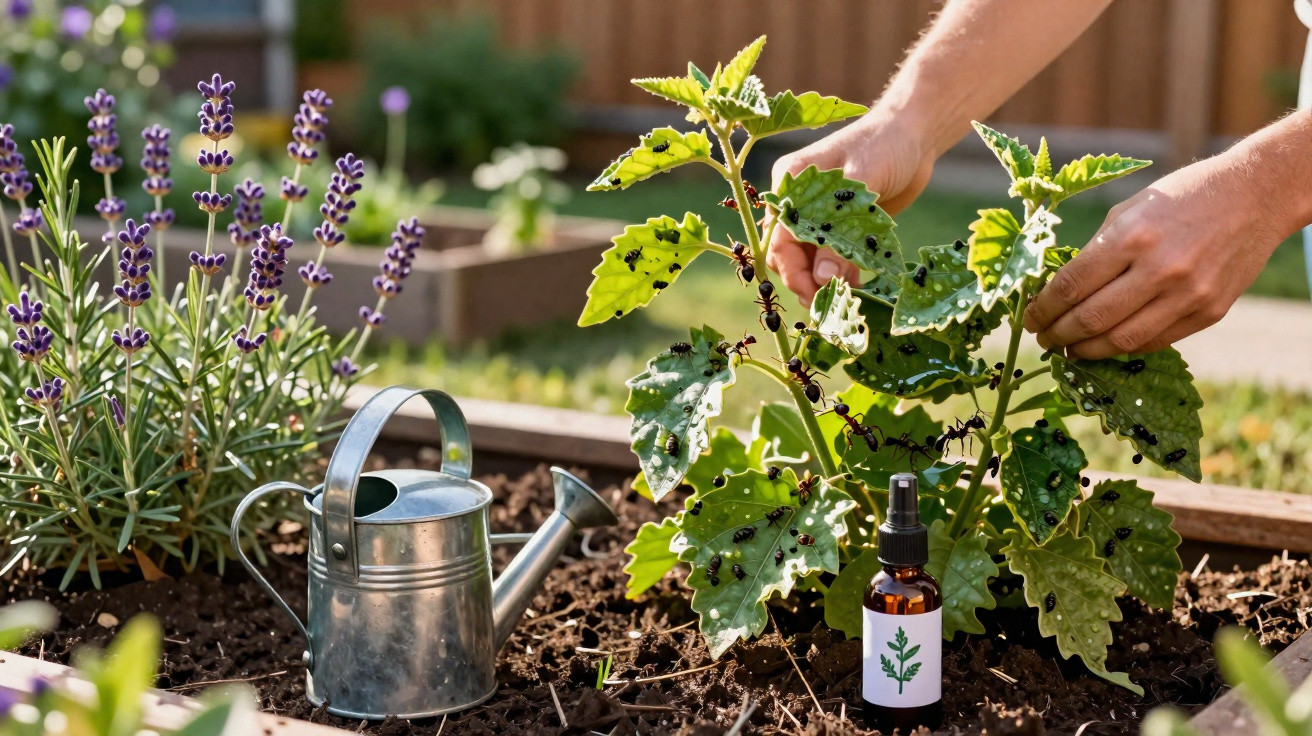
Many hobby gardeners are puzzled by lines of ants marching through the borders - without realising they may have planted the perfect ant magnet themselves.
If you’re constantly seeing ant trails, soil nests and even unwelcome visitors on the patio or in the house, it’s easy to jump straight to poison or traps. Yet the root cause is often sitting right in the flower bed: certain ornamental and fruit plants attract ants like an all-you-can-eat buffet. The upside is that, with smarter planting choices, you can cut the problem back dramatically - without reaching for harsh chemicals.
Why ants suddenly seem to be everywhere
Ants aren’t automatically a bad thing; they’re part of a healthy ecosystem. They aerate the soil, clear away carrion and help spread seeds. The trouble starts when their numbers explode, they set up nests right by the patio, or they begin finding their way into the kitchen. At that point, a helpful garden resident can quickly feel like an infestation.
Many homeowners respond on instinct and put down toxic baits. But if the real trigger remains in the garden, fresh ants will keep appearing. In many cases, the cause is an easily overlooked partnership between two small creatures.
"Ants like to settle wherever they can reliably find sugar and proteins - and some plants provide that almost all year round."
A hidden alliance: ants and aphids
The main reason ant nests crop up in borders is aphids. These tiny sap-suckers cluster on shoots, buds and leaves, tapping into the plant’s juices. As they feed, they excrete a sugary liquid known as honeydew.
For ants, honeydew is a prime treat. They “milk” aphids by touching them with their antennae and then lick up the sweet droplets. In return, ants guard the aphids from predators such as ladybirds or lacewing larvae.
It’s this symbiosis that makes certain plants seem to “magnetise” ants - because those plants are often crawling with aphids.
Typical “ant magnets” in the garden
If you keep getting ant columns across your garden, pay especially close attention to these plants:
- Roses - highly prone to aphids, often on fresh shoots and around buds.
- Fruit trees such as apple and plum - attract aphids and also release sweet sap when fruit or bark is damaged.
- Berry bushes such as raspberry and blackcurrant - fallen, fermenting fruit becomes an ideal food source for ants.
- Young, lush shoots of many ornamental plants - wherever aphids appear, ants tend to follow sooner or later.
Beds that combine roses with fruit trees and berry bushes can become an ideal territory for ants: sugar from honeydew, fruit scraps and oozing sap - plus loose soil that’s easy to tunnel for nests.
What really attracts ants in the garden
Alongside honeydew and fruit, several other factors matter. Ants are mainly searching for:
| Attraction | Source in the garden | Effect |
|---|---|---|
| Sugar | Honeydew, ripe fruit, sap, leftover lemonade | Draws in large ant trails |
| Proteins | Dead insects, leftover pet food | Important for raising larvae |
| Warm, loose soil | Under patio slabs, in lawns, under stones | Ideal nesting sites |
| Hiding places | Cracks, gaps in walls, root zones | Protects the colony and the queen |
So if you mix fruit trees, berry bushes and heavily aphid-infested plants throughout the garden, you’re effectively offering ant colonies an all-inclusive package. It’s hardly surprising they stay - and spread.
Plants ants tend to avoid
Thankfully, there are also plants ants strongly dislike. Many are popular culinary or scented herbs, which makes them perfect for anyone wanting to redesign a garden without sacrificing appearance.
"Some plants disrupt ants’ sensitive sense of smell so much that they prefer to give them a wide berth."
These are considered particularly effective:
- Tansy - a strong, bitter scent that confuses ants’ chemical navigation.
- Thyme - contains essential oils that ants find unpleasant and, at high concentrations, toxic.
- Mint - an intense menthol aroma that masks scent trails and disrupts their “ant highways”.
- Lavender - strongly scented oils that deter many insects.
These plants work well as a green barrier along patio edges, paths or right beside rose beds that are regularly affected. The result isn’t as immediate as poison, but it can noticeably reduce ant activity - especially when combined with other steps.
How to keep ants under control naturally
1. Get aphids under control
If you want fewer ants, you need to reduce honeydew. In practice, that means tackling aphids as gently as possible.
- Prune back heavily infested shoots on roses or fruit trees.
- Blast aphids off plants with a strong jet of water.
- Encourage beneficial insects: ladybirds, lacewings and parasitic wasps.
- For severe infestations, use mild options such as a soft soap solution.
As aphid numbers drop, ants often lose interest quickly and move on to other feeding spots.
2. Limit food sources
You don’t have to give up growing berries and fruit. A few routines, however, help keep colonies smaller:
- Collect ripe and rotting fruit regularly instead of leaving it under the tree.
- Don’t leave bird seed or cat food standing open in the garden.
- Wipe up sticky patches and sweet drinks on the patio or balcony straight away.
This removes the constant “snack bar”, so ants are less likely to build dense colonies right by the house.
3. Put scent barriers in the right places
As well as tansy, thyme, mint and lavender, short-term scent barriers can help too. Popular options include:
- Citrus peel placed on ant routes - only effective for a few days, but useful for diverting their paths.
- Strong herbal infusions (e.g. made from mint or thyme) sprayed carefully onto trails.
- Dried lavender flowers sprinkled into gaps between patio slabs.
These tactics are especially helpful for stopping ants marching from the garden into the house.
When ants genuinely become a problem
A few nests in the lawn or a border are usually harmless. It becomes more serious when:
- Ants undermine the patio so slabs start to sink.
- They excavate in raised beds directly around the roots of large vegetable plants.
- You repeatedly find columns running through the kitchen or pantry.
In these situations, it’s worth combining changes to planting, consistent aphid control and - only as a last resort - targeted baits placed near the nest. Broad, blanket use of poisons across the whole garden does more harm than good.
How to plan your garden intelligently
If you’re planting from scratch or reshaping the garden, you can prevent ant issues from the start. A sensible mix might look like this:
- Don’t place roses and fruit trees right next to the patio or front door.
- Pair berry bushes with a “scent hedge” of lavender or mint.
- Plant tansy and thyme as edging along paths or around seating areas.
- Design perennial borders so they don’t consist only of plants that aphids love.
That way, there’s still room for attractive ornamentals and useful crops - without creating an ant paradise.
Another look at the role of ants
Despite the frustration they can cause, ants aren’t purely pests. They move seeds around, loosen the topsoil and consume many dead insects. In a wildlife-friendly garden, they do have a place - just not necessarily right by the patio door.
If you understand which plants draw them in and which scents they avoid, you can actively decide where ants are welcome and where they aren’t. This keeps the garden lively, without a few trails turning into a problem that’s hard to control.
Comments
No comments yet. Be the first to comment!
Leave a Comment