
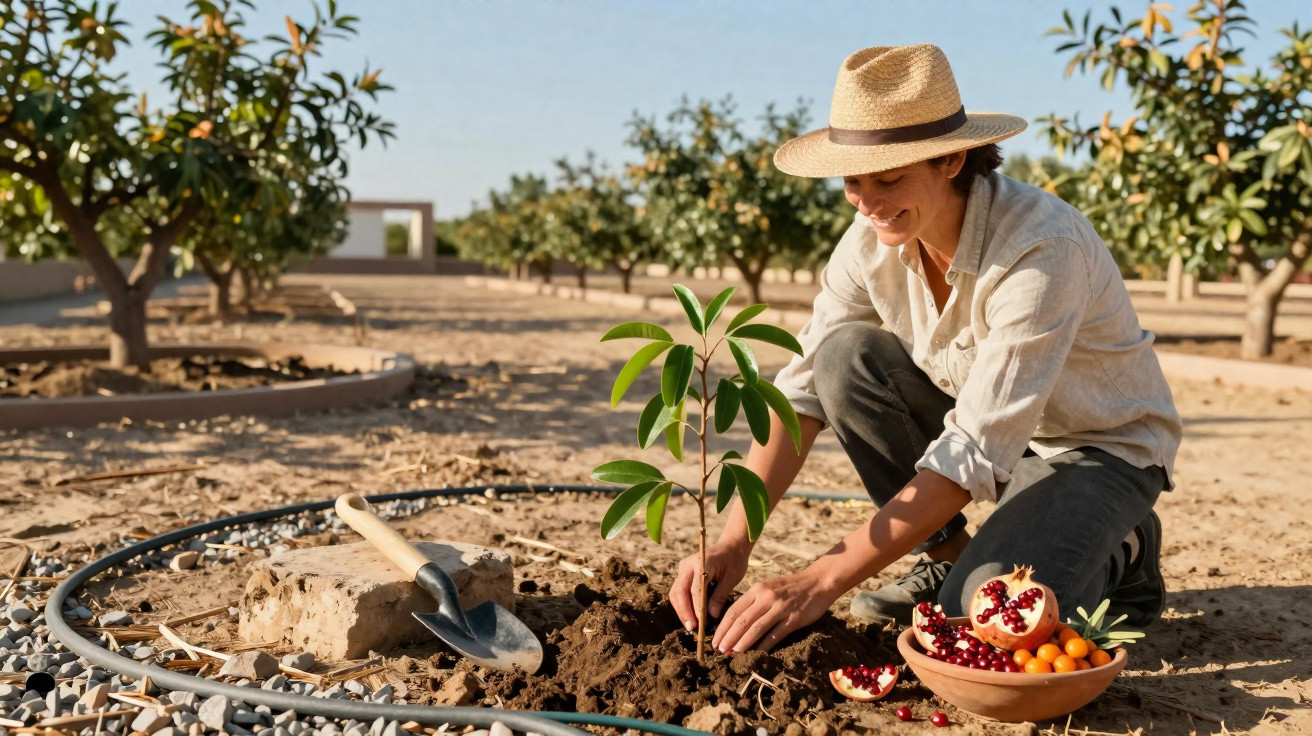
While apple, cherry and the usual favourites are struggling with water shortages, scorched soils and heatwaves, a tough exotic is moving into the spotlight. A fruit tree that has coped for centuries in its native range with bitter winters and extremely dry summers is now being seen across the German-speaking regions as a beacon of hope for parched gardens and traditional orchard meadows.
An almost indestructible fruit tree from Asia
The tree in question is the jujube, also known as the jujube tree (botanical name: Ziziphus jujuba). In German it is also referred to as the “Chinese date”. It originates from northern China and Mongolia-areas where winters can drop to -25 °C and summers can easily climb to 40 °C, often with very dry air.
That background is exactly what makes the tree so interesting as our summers become drier. It is used to extremes: late spring frosts, long hot spells in summer, and poor, stony ground. In southern France there are already specimens more than 100 years old that manage with almost no irrigation-an indication of just how durable and undemanding this fruit tree can be.
"The jujube tree has long been regarded in specialist circles as the ‘fruit tree of the future’ for dry gardens."
Why the jujube tree copes so well with drought and heat
Over time, the tree develops a deep root system that can reach water reserves even in dry years. Once it is properly established, it needs far less water than classic fruit trees. This is a real advantage in places with watering bans or very sandy soils.
Gardeners value three characteristics above all:
- Low water requirement: after the establishment phase, rainfall alone is enough in many locations.
- High resilience: so far, hardly any significant diseases or pests are known.
- Reliable annual cropping: as a rule, the tree bears fruit every year, without long gaps in production.
There is one key condition: the site must drain well. The jujube does not tolerate waterlogging or permanently wet ground at all. On dry, sandy, or even compacted soils it can perform very well-provided excess water is able to drain downwards.
Planting successfully in spring
Spring is the best time to plant a jujube tree. The soil is starting to warm, severe frosts become less frequent, and the roots have several months to settle in before the first summer heat arrives.
Planting is much like other warmth-loving fruiting shrubs and trees such as pomegranate. If you can offer a mild inner courtyard, a sheltered south-facing wall, or a warm front garden, you have a clear advantage-although more exposed sites can work too. The main steps are:
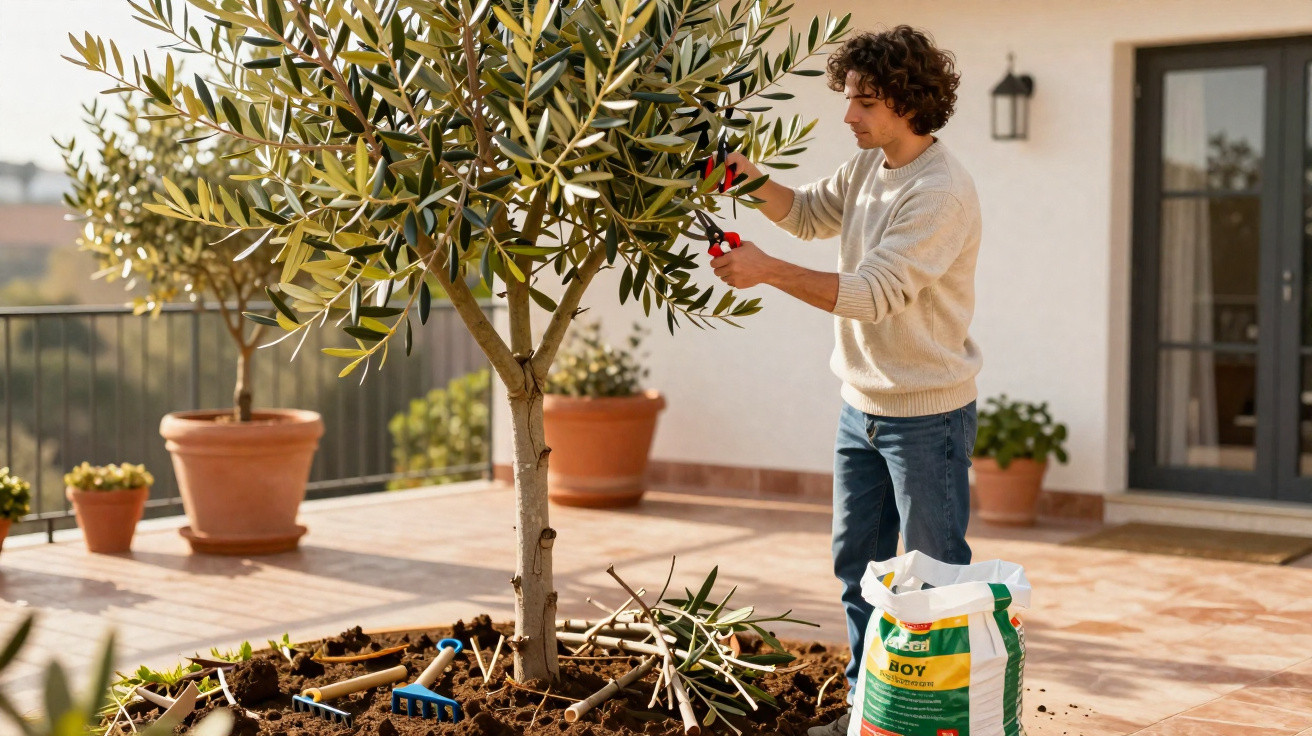
- Dig a planting hole that is clearly wider and slightly deeper than the root ball.
- Mix the excavated soil with mature compost or well-rotted farmyard manure.
- Set the tree so that the root collar sits level with the soil surface.
- Backfill with the improved soil and firm gently so no voids remain.
- Water thoroughly after planting, and keep the soil evenly, lightly moist during the first year.
For the first one to two years, the jujube tree should not be left to “sit dry”. During this period, the young plant is building its root system. After that, it becomes noticeably more frugal. A mulch layer made from shredded prunings or fallen leaves helps to retain soil moisture and encourages healthy soil life.
What the fruit tastes like - and how to use it
Jujube fruits are shaped a bit like small olives or miniature apples. Depending on the variety, they may be yellowish, red-brown or brownish. When fully ripe they develop a sweet, lightly appley flavour, which is why some gardeners describe them as a blend of apple and date.
They can be used in several ways:
- eaten fresh from the tree as a sweet snack
- dried, similar to dates or raisins
- cooked into compote, chutneys or jams
- added to muesli or fruit salad
In Asia, jujubes have long been regarded as a valuable food. The fruits contain vitamin C, various antioxidants and dietary fibre. For amateur gardeners in dry regions, the most appealing point is that the harvest tends to remain relatively dependable even in lean years.
Ideal for the “dry orchard”
Anyone who wants-or needs-to manage a garden with less water can use the jujube tree as part of a deliberately drought-tolerant orchard. Combined with other robust species, it becomes a small ecosystem that does not constantly rely on a hosepipe.
A smart pairing: jujube, sea buckthorn and pomegranate
A particularly interesting mix is jujube with sea buckthorn and pomegranate. All three cope remarkably well with poor, sometimes sandy soils and dry spells, and they complement each other in harvest timing and nutrient dynamics.
| Species | Site requirements | Special feature | Harvest period |
|---|---|---|---|
| Jujube | Dry, full sun, well-drained | Heat- and frost-hardy, low-maintenance | October to November |
| Sea buckthorn | Very poor, sandy, sunny | Fixes atmospheric nitrogen, very vitamin-rich | Late summer to early autumn |
| Pomegranate | Warm, sheltered from wind, free-draining soil | Loves warmth, tolerates pruning well | End of September to October |
Sea buckthorn has a special ability: with the help of nodule bacteria on its roots, it can fix nitrogen from the air. Over time, neighbouring plants benefit too. Gradually, this creates a richer, more lively soil structure without the need for constant feeding.
Pomegranate adds another layer to the system. It thrives in full sun, in calcareous or slightly acidic soils, and-depending on variety and microclimate-can tolerate sub-zero temperatures surprisingly well. In a sheltered courtyard or against a south-facing wall, its bright fruits can develop in many parts of the German-speaking regions.
What to take seriously when choosing a site
Even though the jujube tree is forgiving, a few factors are worth weighing up carefully:
- Sun: at least six hours of direct sun per day improves growth and fruit quality.
- Wind: young trees appreciate shelter, for example near a wall or hedge.
- Soil: avoid heavy clay that stays wet. A free-draining substrate with gravel or sand is better.
- Space: depending on the variety, the tree grows to around 3–5 metres tall and roughly as wide.
If you only have a small garden, you can opt for less vigorous varieties or train it as a cultivated bush form. With targeted pruning, the crown can be kept open, which makes harvesting easier and allows sunlight to reach all the fruit.
Who the jujube tree is genuinely worth it for
This tree is especially attractive for amateur gardeners facing conditions such as: a dry hillside plot, sandy soil, city “heat island” locations, stricter watering rules, or simply the intention to water less over the long term. In situations like these, traditional apple or cherry varieties can often only be kept healthy with considerable ongoing effort.
Choosing a jujube tree is a decision for long-term resilience rather than short-term record harvests. In many locations the trees get going fairly slowly, but they repay that with striking longevity and steady yields. At a time when each summer sets new heat records, that can suddenly seem far more appealing than yet another delicate apple tree.
One extra benefit: jujubes, sea buckthorn and pomegranates bring structure to the garden, attract insects and provide edible fruit from late summer through to late autumn. If you are planning an orchard that can cope with climate change, it is hard to ignore this Asian “endurance runner”.
Comments
No comments yet. Be the first to comment!
Leave a Comment