
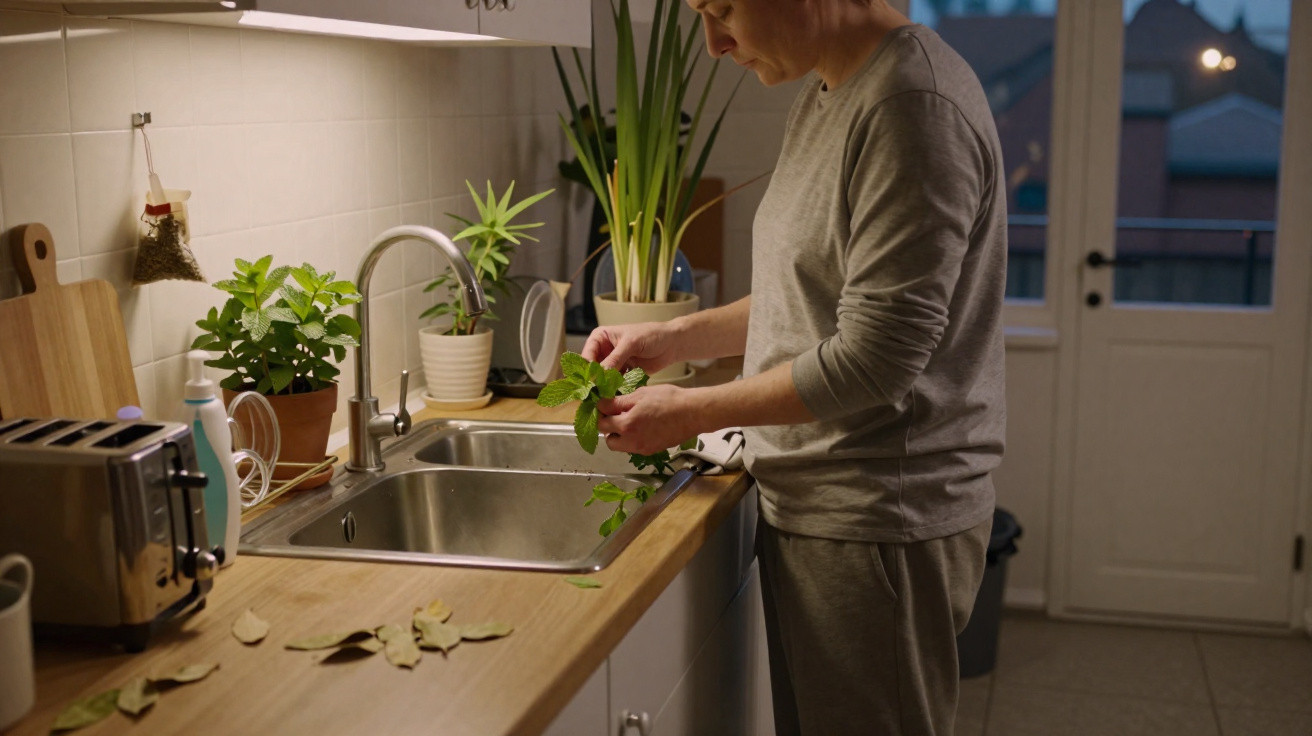
More homes around the UK are turning to scented houseplants to freshen indoor air while gently discouraging cockroaches. The principle is straightforward: bold, clean aromas can interfere with a roach’s sense of smell, nudging them away from food, water and hiding places without reaching for aggressive chemical sprays.
Why plants can keep cockroaches away
Cockroaches largely navigate by scent trails. They locate moisture, crumbs and greasy residues by tracking chemical signals. Many fragrant herbs give off volatile oils that blur those cues and form a “smell screen” along common routes. Rather than killing insects, this method aims to make an area less appealing.
"Fragrant leaves act like a natural fence, scrambling cockroach scent receptors and steering them towards easier pickings elsewhere."
This plant-first tactic works particularly well in kitchens, utility rooms and bathrooms, where warmth and humid air can attract pests. It comes with clear advantages too: rooms smell fresher, there’s less chemical residue to worry about, and it can add a small boost to daily wellbeing. When used thoughtfully, placing the right herb near the right crack or threshold can help.
Bay laurel: kitchen classic with a sharp edge
Bay laurel (Laurus nobilis) is not only useful in cooking. Its tough, glossy leaves contain oils rich in eucalyptol that cockroaches tend to dislike. A small bay plant in a pot is handy by door frames, inside cupboards under the sink, and close to pantry shelves. People usually find the aroma mild, but it lingers in the corners and edges where insects often travel.
How to use it indoors
- Set a small pot near bins, skirting boards and the plinth area beneath cupboards.
- Crush dried leaves and place them in breathable sachets for drawers and food cupboards.
- Swap sachets out, or scrunch them, every fortnight to bring the smell back.
Care basics
Keep bay in bright light with decent airflow. Water lightly and steer clear of waterlogged compost. Trim gently so it stays compact and leafy. Growth is slow, but it remains evergreen, helping the scent stay fairly consistent through the year.
Mint: fresh hit that pests dodge
Spearmint and peppermint produce an immediate, sharp fragrance that cockroaches, flies and even ants often avoid. Vapours from menthol and menthone can be effective in tighter spaces, which is why mint is a sensible option behind appliances and around pipe runs-especially where warmth and small drips coincide.
How to deploy safely
Position pots near pipe entry points, behind the fridge’s motor area and next to the washing machine. When you want a little extra impact on busy days, lightly bruise a few leaves between your fingers and leave them in a small dish near any suspect gaps.
"Peppermint vapour acts fast, but keep concentrated essential oils away from pets and babies, and stick to mild, well-diluted spritzes."
Care basics
Mint prefers bright light but not harsh midday sun. Keep the compost evenly moist while ensuring it drains well. Cut it back regularly to prevent it becoming straggly and to maintain a strong scent. Grow mint in a pot so it doesn’t spread.
Lavender: calm for you, chaos for them
Lavender (Lavandula angustifolia) offers a soft, fresh scent that many people find relaxing, while it can unsettle pests. Compounds such as linalool are recognised for deterring cockroaches, moths and mosquitoes. A pot placed on a sunny windowsill can help in bedrooms and living rooms, and dried stems are particularly useful in enclosed storage.
Simple home uses
Dry sprigs in small bunches, then tuck them into fabric sachets for wardrobes, linen drawers and storage boxes. Shake each sachet once a week to reawaken the fragrance. In kitchens, keep a plant where it catches afternoon sun for both colour and practical benefit.
Care basics
Lavender does best in full sun and free-draining compost. Water sparingly and avoid persistent damp. After flowering, trim it back to maintain a tidy, rounded shape and encourage more blooms.
Basil: aromatic shield with kitchen perks
Basil is useful in two ways: it adds punch to meals and can help deter cockroaches. When leaves are pinched, basil releases linalool and eugenol, which can disrupt insect foraging. It suits busy worktops, windowsills and areas near a fruit bowl, which can attract inquisitive pests.
How to place it
Keep basil on the warmest, brightest windowsill you have. In the evening-when pest activity can increase-shift it closer to door thresholds if needed. Pinch out the growing tips often to intensify the scent and keep the plant compact.
Care basics
Basil needs warmth and at least six hours of light each day. Water consistently, but don’t leave the pot standing in a saucer of water. Keep it away from draughts. Regular picking promotes new leaves and a stronger aroma.
Quick comparison
| Plant | Best spot | Light and water | Extra benefit |
|---|---|---|---|
| Bay laurel | Pantry, under-sink, door frames | Bright light, low to moderate water | Robust leaves for cooking |
| Mint | Behind appliances, around pipework | Bright shade, moist but drained | Tea and fresh garnish |
| Lavender | Linen cupboards, sunny sills | Full sun, low water | Soothing bedtime scent |
| Basil | Worktop, kitchen window | Warm, regular water | Pesto-ready leaves |
Make it work in a UK home
Plants help set the conditions, but good positioning and basic housekeeping are what make results stick. Seal gaps around pipes and along skirting with silicone. Air out rooms after cooking and showers to cut humidity. Treat crumbs and greasy build-up as pest fuel: wipe around hob edges, empty toaster trays and clean the lips of cupboards. Repair slow leaks that keep timber and plaster damp.
- Empty kitchen bins every night and rinse recycling.
- Keep cereals, pet food and flour in tightly sealed containers.
- Pull the fridge out and clean underneath once a month.
- Use a dehumidifier in damp basements or ground-floor flats.
The species you’re dealing with also matters. German cockroaches like warm, hidden areas near appliances, so placing mint and basil close to heat sources can help. Oriental cockroaches lean towards cooler, wetter spots such as basements and utility rooms; bay and lavender near thresholds and drains can provide a helpful barrier.
Limits, safety and when to escalate
Plants are repellents, not a complete solution. They won’t eliminate a nest behind a wall or under floorboards. If you notice cockroaches in daytime, find egg cases, see pepper-like droppings, or detect a sour, musty odour, the issue may be more serious. Pair herbs with sticky monitoring traps to see where traffic is heaviest. If traps fill rapidly, it’s time to call a professional-while still keeping the plants as supporting prevention.
Be cautious with essential oils. Strong mixes can irritate skin or airways, and some oils are unsuitable around cats or small pets. Keep rooms ventilated, use only mild dilutions, and never put oils directly on animals. If you’re sensitive to fragrances, trial dried sachets in a single cupboard first.
"Think of plants as the front line, not the only line. They tip the odds, especially when paired with sealing, cleaning and dryness."
Extra ideas to boost the barrier
Try a gentle mint-and-bay spray: steep crushed leaves in warm water, allow it to cool, strain, then mist along skirting and around bins. In hidden cracks that children and pets cannot access, dust a little food-grade diatomaceous earth; it works by drying out an insect’s outer layer. Swap herbs around every two to three months to reduce “nose fatigue” in long-term roach residents. To identify hotspots, set a sticky tab near the fridge motor, in the boiler cupboard and beneath under-sink pipework for one week each month. Small routines add up, and a kitchen herb collection can earn its place morning and night.



Comments
No comments yet. Be the first to comment!
Leave a Comment