
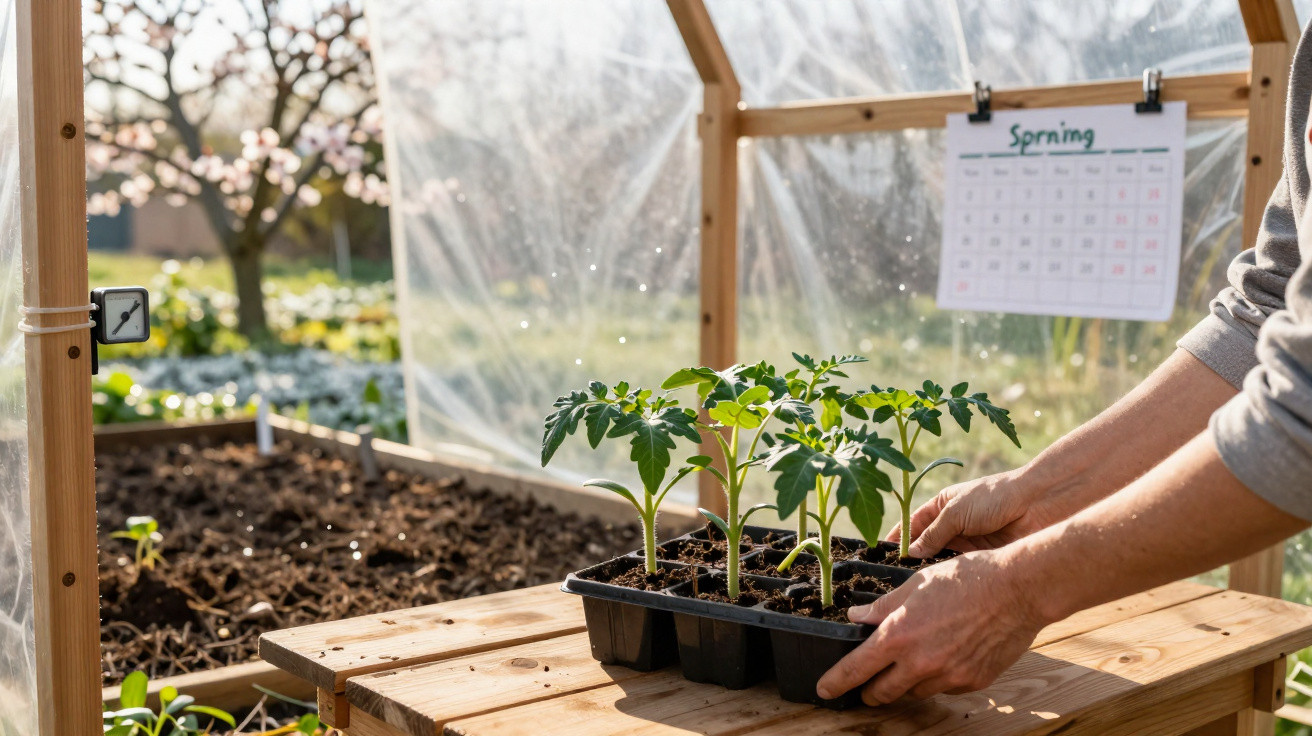
Garden centres are packed, your fingers are itching to get started, and the sun is shining - and it’s precisely now that the most expensive mistakes of the year happen in the vegetable patch. Professional vegetable growers follow a set routine before they plant out their tomatoes. Many home gardeners skip that step - then, months later, wonder why they’re left with spindly stems and very few fruits.
Why your tomatoes suddenly flop in the bed
Temperature shock: from living-room warmth to a cold spring night
A lot of young plants are raised indoors, in a conservatory, or in a warm greenhouse. Conditions there are usually steady at around 20 °C, with hardly any swings and no cold draughts. The plants only know comfort.
When those tomatoes are moved straight into the open ground, a shock is almost guaranteed. In daylight the sunshine can feel pleasant, but spring nights often drop to 5–6 °C - and that’s exactly what hits the brakes hard.
"The abrupt change from cosy warmth to damp, chilly air triggers severe stress in tomatoes: growth stops, and the plants can look unwell for weeks."
You often don’t see the damage until later: distorted leaves, yellowing, and a complete pause in growth. While tough, well-prepared plants push on, unprepared tomatoes hang in the bed like tired spaghetti.
Stems that are too soft because they’ve never felt wind
A second issue comes on top: tomatoes grown indoors or under glass are sheltered from air movement. No gusts, no squalls - not even a gentle, steady breeze. As a result, the stems stay thin, soft, and full of water.
Then, when the first stronger winds arrive outdoors, those delicate stems can collapse quickly. Often the plant kinks just above soil level, and all the effort of raising it is wasted.
This is exactly where professional growers intervene. They avoid the harsh transition and deliberately train their plants to cope with life outside.
The one step professionals always take: hardening off
Getting used to outside slowly: a little longer each day
The technical name for this routine is “hardening off”. It means gradually acclimatising young plants to cooler temperatures, wind, and unfiltered sunlight before they live in the bed full-time. It doesn’t sound dramatic, but the effect is huge.
In practical terms, it works like this: on mild days, put your tomatoes outside for one to two hours at first, in a sheltered spot. Not somewhere windy or in blazing midday sun - instead, for example, against a house wall, behind a balcony screen, or by a slightly opened window.
"While hardening off, the plant produces more supporting tissue in its stems - it becomes noticeably stronger, thicker, and more resilient."
With the slightly rougher conditions, the tomato forms more lignin - a natural “woody” substance within the tissue. The stem thickens and the plant becomes sturdier. After three or four days, you can often see the change with the naked eye.
Sunburn on tomatoes? Yes, it happens
Many people underestimate how intense real sunshine can be. Behind glass, light may look bright but it’s filtered. Outside, UV radiation is much stronger. If you place tender tomatoes straight into full midday sun, the leaves can scorch within a day: they turn patchy, pale, or brownish.
That’s why effective hardening off works in two stages:
- First days: Bright shade or partial shade - for instance under a garden table, beneath a canopy, or behind a lightly leafed shrub.
- Afterwards: Add a little more sun each day, starting with mornings or late afternoons, and only at the end exposing them around midday.
This allows the leaf tissue to adapt to the higher light intensity without burning. The plants become darker green, sturdier, and more compact.
An invisible danger in the garden: frost on fruit blossoms
Check fruit trees early in the morning
While tomatoes are being trained outdoors bit by bit, the opposite can happen in the fruit garden: trees surge ahead, open their blossoms - and then get caught by a late frost. That can determine your summer crop.
If you have a garden with apple, cherry, or plum trees, it’s worth getting up early after frost-prone nights to inspect the flowers. The delicate white and pink blossoms are extremely sensitive to sub-zero temperatures.
Even a light frost can damage the inner parts of the bloom without it being obvious at first glance. Only on closer inspection do you sometimes notice a darker, slightly brown or black discolouration in the centre.
Spotting late frost and responding correctly
Such discolouration suggests the blossom can no longer form a healthy fruit set. If you recognise the signs, you can act early ahead of the next forecast frost night:
- Cover smaller fruit trees and berry bushes with horticultural fleece or old bed sheets
- Move tender young plants temporarily into a garage, shed, or the house
- For container plants, place pots closer to house walls or under cover
This prevents a lot of damage - and in summer you’ll see noticeably more fruit on the branches.
Spring routine: how to plan the hardening-off phase
A makeshift shelter instead of carrying plants back and forth
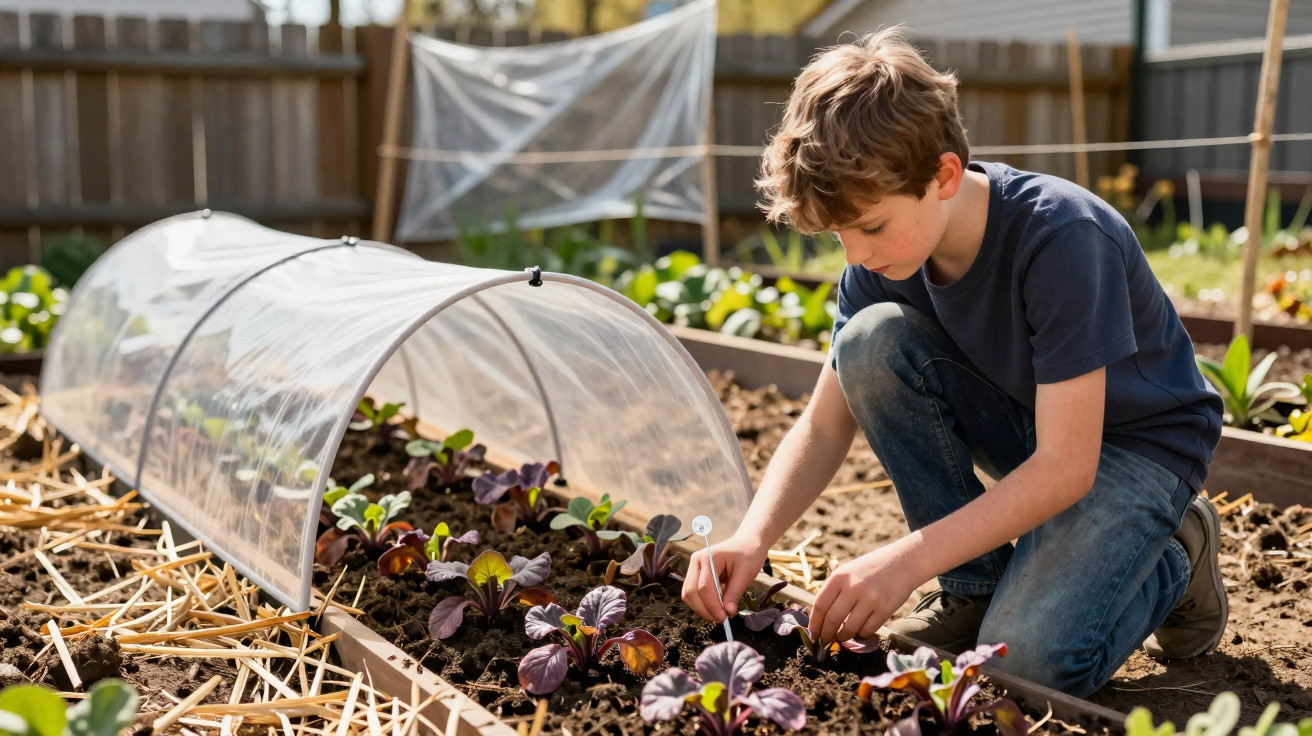
Not everyone wants to haul crates of plants through the house several times a day. Much more practical is a temporary protected spot outdoors. Many home gardeners put together a small, low cold frame using timber, old windows, or a clear sheet.
During the day, the cold frame is left open so air can circulate. In the evening it’s shut, or covered with polythene, so temperatures stay a little higher and wind doesn’t unnecessarily stress the young plants.
"A simple box with a hinged lid or a polythene cover is often enough to protect young plants from the cold of the first spring nights."
If you’d rather not build anything, you can use basic planters and lay a thick blanket or garden fleece over them at night. The key is preventing too extreme a temperature drop.
Out, in, out, in - for around ten to fifteen days
Hardening off typically takes about one and a half to two weeks. During that time, stick to a straightforward rhythm:
- In the morning, once it’s frost-free: place the plants in their sheltered outdoor spot.
- In the afternoon: keep an eye on temperature and wind, and add shade if needed.
- In the evening: move them back into the protected cold frame, under fleece, or indoors/into the shed.
Only when nights are reliably frost-free and no late cold snaps are being forecast should tomatoes be planted out permanently. Many gardeners use mid-May as their guide - but it still pays to factor in local conditions.
The right moment: when can tomatoes go into the bed for good?
All signals green: soil, weather, plant
Experienced gardeners don’t rely on a calendar date alone. They check several things at once:
- Soil temperature: The soil feels cool but no longer icy when you put your hand into a spade hole.
- Weather pattern: No frost warnings over the coming nights, with a stable mild spell ahead.
- Plant condition: Short and stocky growth, sturdy stems, well-developed roots, and rich green leaves.
When these points line up, there’s nothing to stop the move into open ground. The tomato copes with planting far better, establishes more quickly, and avoids months of stress.
Planting without stress: how to set tomatoes properly
Once the young plants have been hardened off, planting out becomes much more straightforward. A few details improve your chances of a heavy crop:
- Dig the planting hole a little deeper and set the tomato slightly at an angle - the buried section of stem will form extra roots.
- Water in thoroughly so the soil makes good contact with the roots.
- For the first few days after planting, provide temporary shade if there’s strong wind or intense sun.
That way, the plants can put their energy into making roots and growing - instead of fighting cold or heat stress.
Why the extra effort really pays off
Hardening off takes a bit of time and organisation, but it saves a lot of worry later. Robust tomatoes handle changing weather better, snap less often, and are generally less prone to disease because they aren’t stuck under constant stress.
At the same time, this approach sharpens your awareness of the whole garden. If you pay attention to temperature, light, wind, and soil, you react earlier to weather shifts, spot frost risk sooner, and protect fruit trees, berry bushes, and other sensitive crops more effectively.
Over the long term, it helps create a garden that copes far better with extreme seasons: hot summers, cold springs, and sudden cold snaps. When you acclimatise your tomatoes to outside step by step, you set up a growing season where the plants do the work - not the stress.
Comments
No comments yet. Be the first to comment!
Leave a Comment