
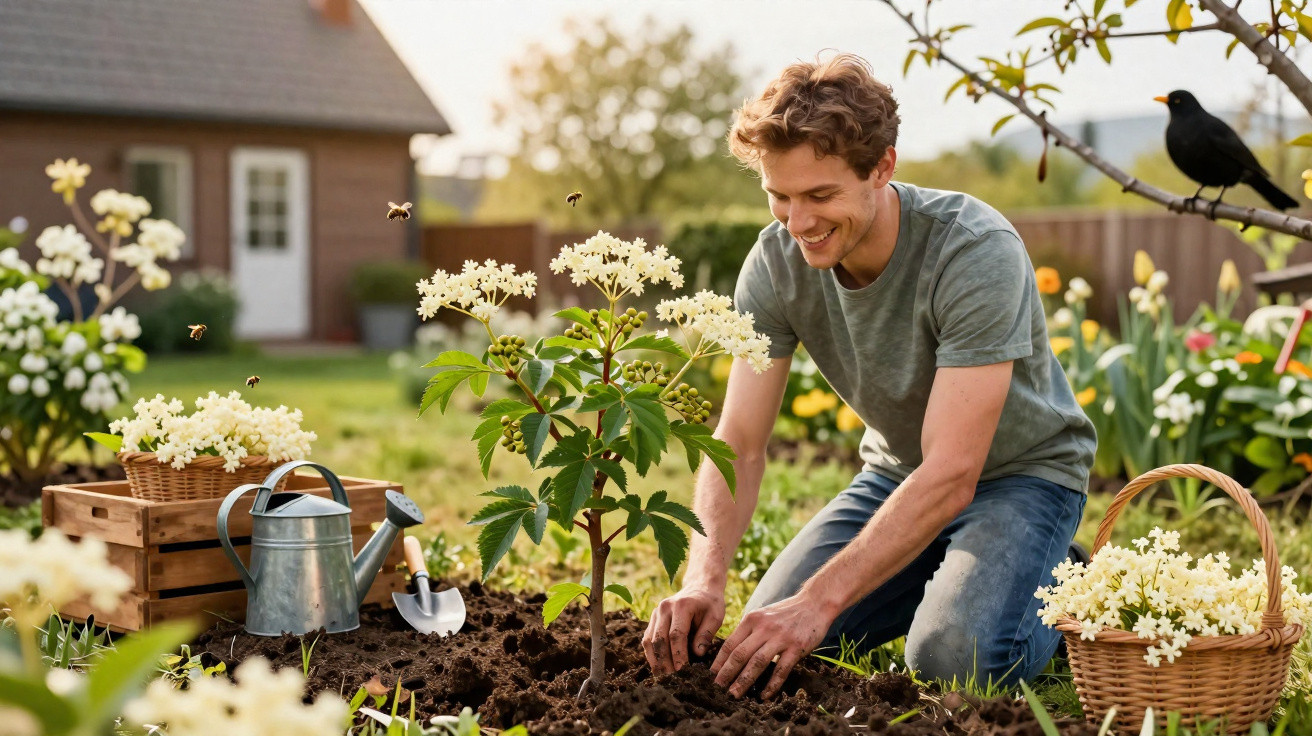
Between bare hedges and grey fencing, there’s one shrub that can seem like thin air for months - until, within a few weeks, it turns into a hotspot for insects, birds and keen home cooks. Plant it in early spring and you’ll get a tough, do-it-all performer that needs very little attention, yet brings fresh life back to the garden year after year.
An “everyday shrub” with a wow factor: the black elder
Most people recognise it from field edges, railway embankments or behind old barns, but rarely give it much thought: the black elder, botanically Sambucus nigra. Through winter it looks modest, its bare shoots easy to overlook. As soon as temperatures rise, though, it puts on a surprisingly striking show.
“In late spring, the black elder transforms into a creamy-white cloud that draws in bees and brightens even the dullest corners of the garden.”
Its broad, flat flower heads are powerfully scented and visible from a distance. They look airy and lavish at the same time, like pale foam perched above the green foliage. In naturalistic planting schemes and relaxed hedgerows, this shrub fits beautifully because it doesn’t feel rigid or overly manicured - it looks alive, as if it’s allowed to grow.
As summer progresses, those flowers become dense clusters of deep, dark purple berries. They’re a real visual feature - and, at the same time, a free buffet for blackbirds, thrushes and plenty of other garden visitors.
Position, soil, planting time: where elder thrives
Black elder is known for being undemanding. That’s exactly why it appeals to hobby gardeners who don’t have perfect soil. Still, a little thought at planting time helps the shrub settle in and grow well.
Key site facts at a glance
| Latin name | Sambucus nigra |
| Common name | Black elder |
| Height and spread | about 3–6 m tall, 2–4 m wide |
| Position | Sun to partial shade |
| Frost hardiness | roughly down to -20 °C |
| Leaves | deciduous (summer-green) |
The best time to plant is early spring - roughly March and April - while the soil is still moist and hasn’t dried out completely. Container-grown plants can, in theory, go in for longer, but getting them started early gives the shrub a clear advantage.
How to plant successfully, step by step
- Choose the spot: A bright position in sun or partial shade - ideal near the edge of a patio, in a mixed hedge, or as a standalone shrub in a lawn.
- Dig the planting hole: At least twice as wide as the root ball; slightly larger is better than too tight.
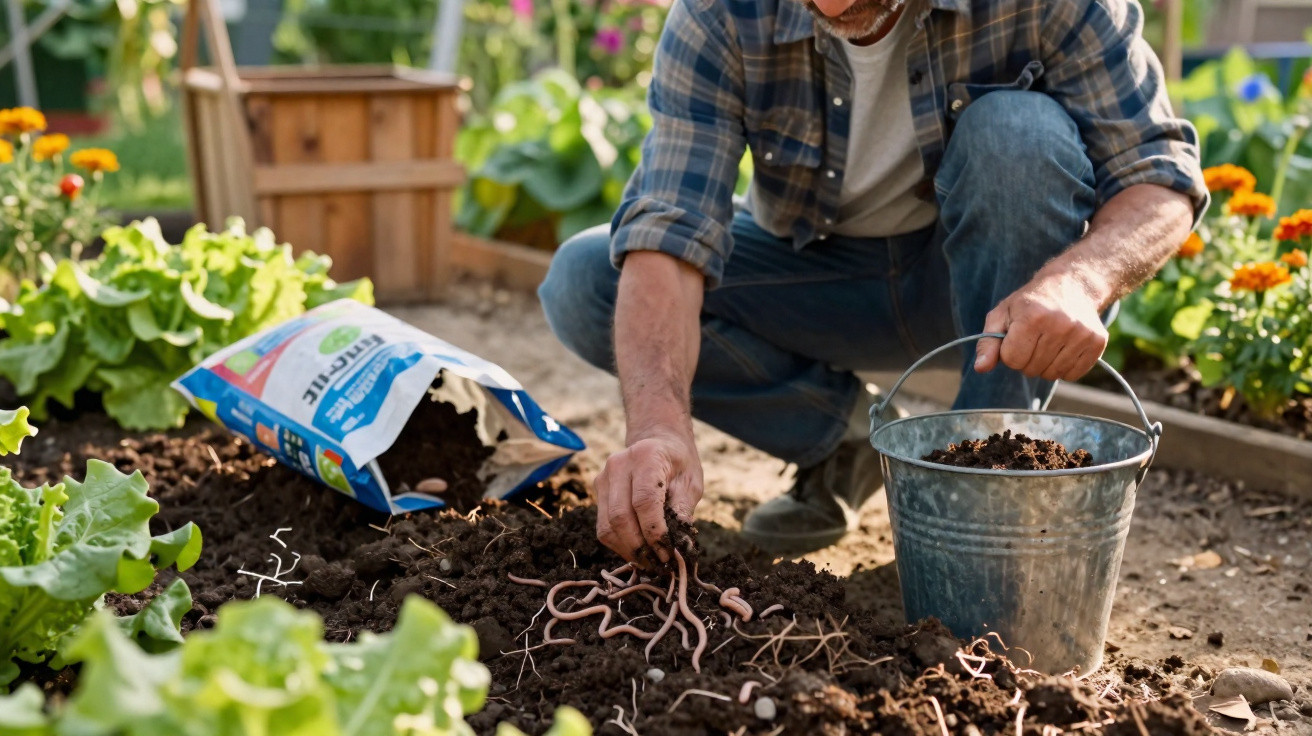
- Improve the soil: Mix mature compost into the excavated soil, especially if it’s very sandy or heavy.
- Planting: Set the shrub at the same depth as it sat in its pot, gently loosen the roots, then backfill carefully so there are no air gaps.
- Water in: Soak thoroughly so soil and roots make good contact; don’t let it dry out in the first few weeks.
- Mulch: A layer of bark mulch, leaves or grass clippings reduces evaporation and helps the soil stay moist for longer.
In exposed, windy gardens it’s worth keeping a close eye on new growth for the first few weeks. If drying winds take hold, the elder may need an extra drink until it’s properly rooted.
Low-maintenance, but not “plant and forget”
Once black elder has settled into the right place, it asks for remarkably little. Even so, it shouldn’t be left entirely to its own devices - otherwise it can look tired over time and become bare at the base.
In spring, a quick tidy with secateurs is usually enough:
- cut out dead wood
- remove branches that cross or rub
- take off unwanted basal shoots if the shrub starts to spread too far
Every few years, black elder also benefits from a more assertive rejuvenation prune. Late winter is a good window for this: sap isn’t yet moving strongly, but buds may already be starting to swell. At that point the structure is easy to read, and the shrub responds with vigorous new growth in spring.
“If you regularly remove a few older shoots at ground level, you keep the elder young, full of flowers, and dense from the bottom.”
A lifeline for insects and birds
In a wildlife-friendly garden, black elder plays a bigger part than it might first appear. The fragrant flower heads provide a generous food source for bees, bumblebees, flies and hoverflies. Later, the berries help top up the menu for birds when other shrubs have already been picked clean.
A hedge that includes elder doesn’t just look more varied; it also offers more shelter and nesting opportunities. Many species can tuck themselves away among its branching growth, especially in gardens with little understorey.
Elder in the kitchen: making smart use of flowers and berries
This shrub doesn’t only score on ecology - it’s useful in the kitchen too. Many families know the classic elderflower cordial from childhood, with its scent calling up summer, picnics and chilled lemonade.
Harvesting and using the flowers properly
Cut the flower heads on dry days, ideally when they’re fully open. That’s when the aroma is at its strongest. Common ways to use them include:
- Cordial: Flower heads, water, sugar and lemons - a traditional combination that bottles well for later.
- Battered flower heads: Dip in batter and briefly fry; the result is crisp elderflower fritters.
- Flavoured vinegar: Steep a few flower heads in a mild vinegar, then use it for salad dressings.
Never pick flowers unwashed from busy roadsides or contaminated areas. The best option is a shrub in your own garden, or one growing in a clean environment.
Handle the berries with care
When fully ripe, the dark fruits work well for jelly, juice or purée. Eaten raw in large quantities, they can be hard to tolerate; once cooked, concerning compounds are no longer an issue. Many people leave a good share of the berries for the birds anyway - a fair trade if you want a lively garden all year.
It’s also important to distinguish it confidently from its more toxic relative, dwarf elder (also known as danewort). Dwarf elder stays much lower, is more herb-like rather than woody, and its flowers and fruits are arranged differently. If you’re unsure, it’s best not to harvest from unfamiliar shrubs - and instead plant a clearly identified specimen in your own garden.
Why now is exactly the right time to plant elder
If you spot an empty corner in late winter or early spring, it’s easy to hesitate: lawn, ornaments, another rose? A black elder shrub can look unremarkable at first - but it pays off over the long term.
- It adds early-season flowering and structure while beds are still bare.
- It boosts the food supply for pollinators and birds.
- It provides ingredients for drinks and desserts from your own garden.
- Once established, it copes better with hot spells.
It becomes even more interesting when you pair elder with other native shrubs: blackthorn, Cornelian cherry, wild rose or honeysuckle together create a kind of “natural larder” for wildlife - and keep flowers, colour and fruit coming for months.
If you’re prepared to be a bit bolder, you can choose varieties with purple or yellow-green foliage. These forms make stronger colour statements, but they need a bright position so the leaves keep their impact. In contemporary gardens, they sit well alongside ornamental grasses, perennial borders and even close to a patio.
What you get in return is surprisingly straightforward: plant it properly once, watch it disappear each winter, and then see it bring the garden back to life in spring - year after year, with very little fuss.
Comments
No comments yet. Be the first to comment!
Leave a Comment