
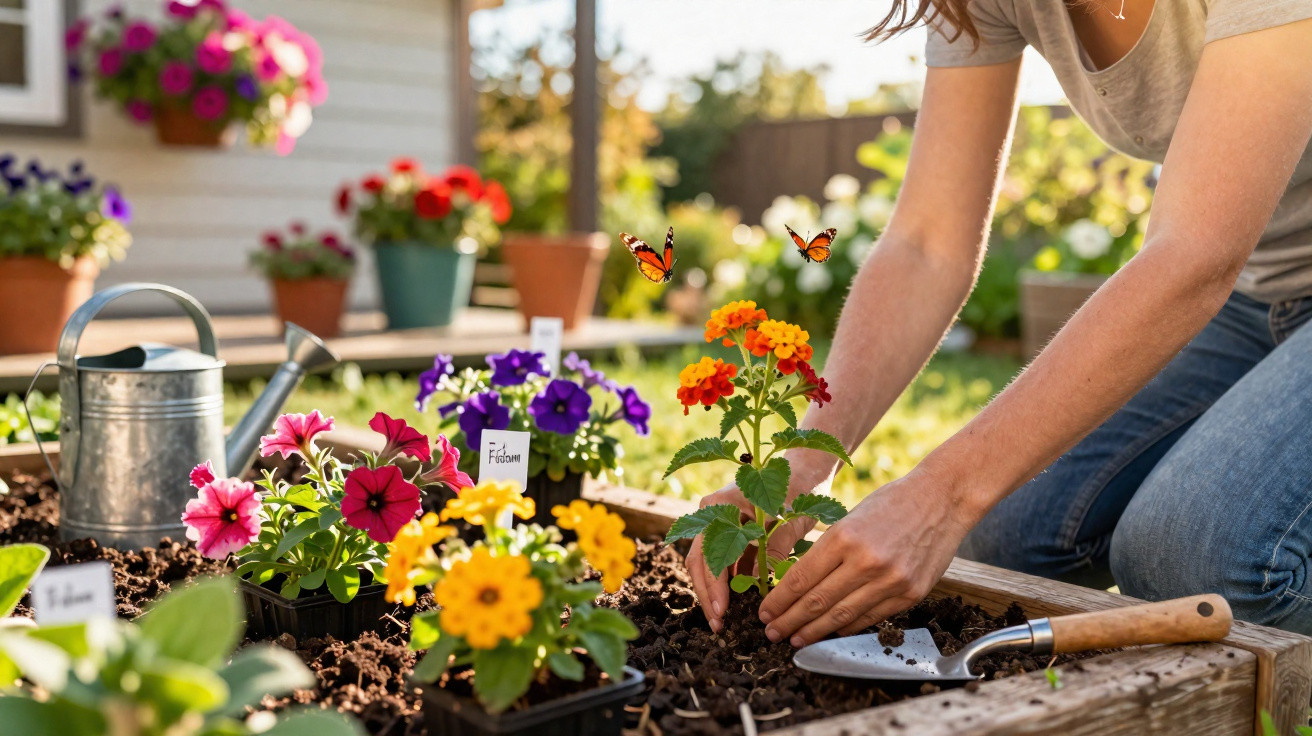
Picking up a spade now sets you up for months of colour, scent and activity-whether you’re gardening in the ground or planting up a balcony. A number of flowers and perennials do particularly well when planted in early April, and they repay that head start in high summer with an outright burst of colour. From heat-tough, long-flowering choices to fragrant favourites, there are more options than most people expect.
How to turn a dull border into a summer showpiece
Plenty of gardeners hesitate in spring and wait “until it’s properly warm”. That’s a mistake. Planting from early April gives plants a valuable advantage: in soil that’s still cool but reliably moist, roots can settle in quickly and strongly. As a result, plants cope far better with summer dry spells and they begin flowering sooner.
“If you plant from 1 April, you’re setting yourself up for a garden that flowers almost non-stop from June right through to autumn.”
The key is a smart balance: annuals that keep flowering for a single season alongside perennials that return dependably year after year. Add a few tough shrubs and climbers to bring structure and height, and the planting looks intentional rather than flat.
The foundation: long-flowering annuals for an instant colour hit
Gaillardia: a blaze of sunshine in the border
Gaillardia (often called blanket flower) delivers that classic summer feel-bright red-and-yellow blooms like small sun wheels. It thrives in heat, prefers free-draining soil and manages well even where the ground is on the lean side.
- Best for sunny borders and dry spots
- Flowers from early summer into autumn
- Attracts plenty of insects
If you plant young gaillardia plants from early April, you can often expect the first buds just a few weeks later.
Pentas: starry flowers for butterflies
Pentas, sometimes sold as “Star of Egypt”, is still something of an insider pick in the UK. Its flowers sit in dense clusters and look like tiny stars-highly attractive to butterflies and other pollinators.
It’s an excellent choice for pots and larger window boxes. Give it warmth and sunshine, and water evenly without letting it sit in soggy compost. If you like watching butterflies, pentas is a dependable option.
Salvia variety “Saucy”: flower spikes without a break
Modern ornamental salvias such as “Saucy” are true powerhouses. They push up long, tubular flower spikes and keep sending new ones throughout summer. Bees and bumblebees are quick to move in as well.
“Ornamental salvia varieties bring colour, fragrance and food for insects-with very little maintenance.”
Snipping off faded flower spikes encourages even more buds. In containers, a good-quality compost is enough; in borders, choose a sunny spot that isn’t waterlogged.
Trailing petunias: a carpet of colour for balconies and patios
Vigorous trailing petunias smother themselves in blooms through summer, often in two-tone combinations or with striking patterns. They’re a staple for hanging baskets, balcony troughs and wall tops.
- Full sun to partial shade
- Regular feeding keeps the flowers coming
- Perfect for turning plain walls and railings into waves of colour
Stay consistent with watering and add a liquid feed every one to two weeks, and you’ll be rewarded with a thick curtain of flowers.
Verbena Endura types: compact cushions packed with flowers
Newer verbena selections such as Endura types are known for their resilience. They form dense, low mounds that keep decorating themselves with fresh flower clusters all summer-ideal for bowls, troughs and the front edge of borders.
They handle heat surprisingly well as long as the root area doesn’t dry out completely. Planting early helps them bulk up into neat, full plants rather than producing long, straggly stems.
Cuphea: the unexpected favourite for insect lovers
Cuphea brings a distinctive look: with a bit of imagination, the flowers resemble tiny bats or masks. Bees and other pollinators visit readily because the plant offers plenty of nectar.
In pots, cuphea pairs well with petunias or verbenas. Its unusual flower shape stands out immediately and makes any container planting more interesting.
Four more planting stars for a garden that looks like a painting
Lantana “Firestorm”: colour-changing flower balls
Lantanas are among the most popular summer bloomers for containers. The variety “Firestorm” stands out with yellow-and-red flower clusters that shift in colour as they age, so the plant seems to keep producing new tones.
“Lantanas love heat and sun, and they can cope with the odd dry day-ideal for hot summers on balconies and patios.”
If you have children at home, take care that no plant parts are put in mouths, as lantana is considered poisonous-an important detail that’s often overlooked.
Gardenia “Diamond Spire”: a white, fragrant dream
Gardenias are famous for scent. “Diamond Spire” grows in a slimmer, upright form, which makes it especially suitable for large pots on a patio or balcony. The star-shaped white flowers release a strong, sweet fragrance, particularly in the evening.
Gardenias don’t like their rootball overheating and they need slightly acidic, humus-rich compost. If you move them outdoors in April in a sheltered position, you give them the transition period they need to adapt to the outdoor season.
Catmint: lavender-like, but far easier
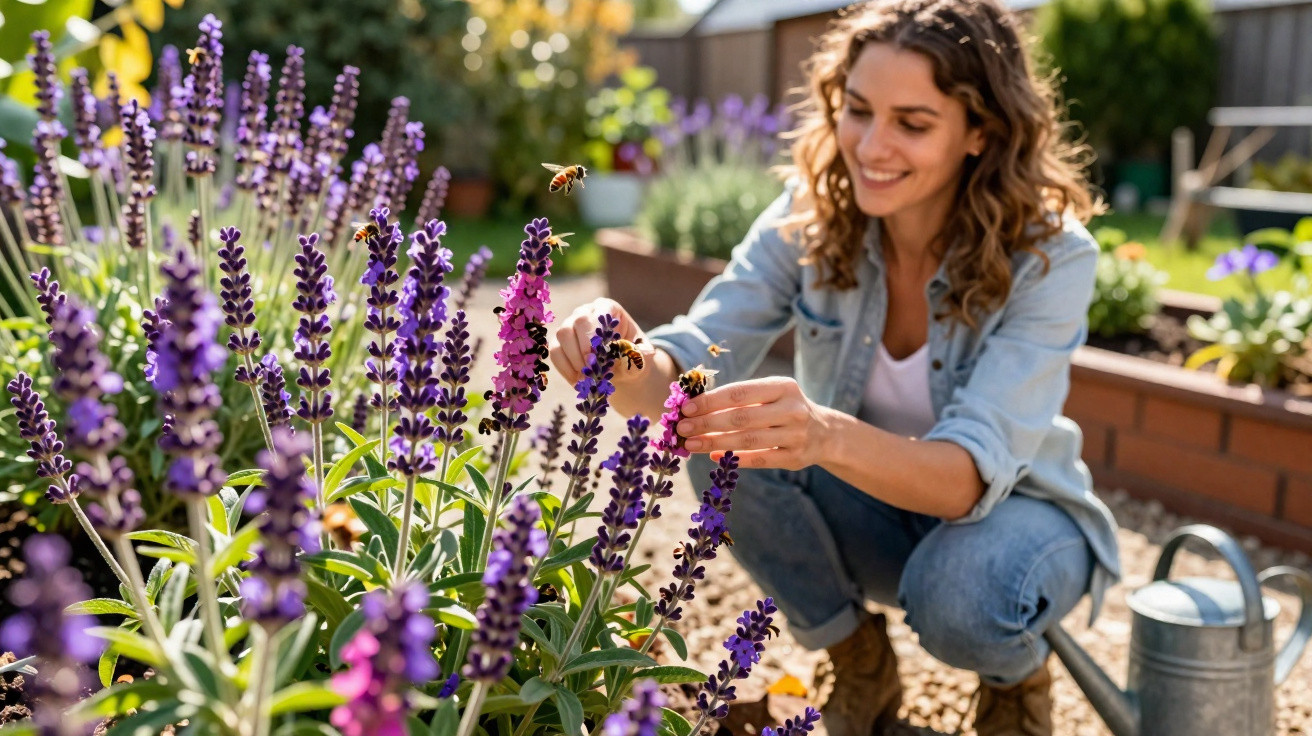
Catmint, often with delicate lavender-coloured flower spikes, is a genuine magnet for insects. Bees, bumblebees and hoverflies gather on the flowers, while the plant itself is exceptionally drought-tolerant.
- Great for sunny, relatively poor soil
- Low maintenance and responds well to being cut back
- Works as edging or planted in groups
With its grey-green foliage, it looks superb with roses and gives borders a natural, slightly Mediterranean feel.
Groundcover rose “It’s a Breeze”: a flowering carpet until frost
Modern groundcover roses such as “It’s a Breeze” have been bred specifically for heavy flowering and strong disease resistance. They spread outwards, stay fairly low, and produce fresh, often semi-double blooms in bold colours for months.
“Groundcover roses are ideal gap-fillers: they cover the soil, suppress weeds and add colour right into autumn.”
Planted in early April, they can make impressive ground cover even in their first year. A sunny site and free-draining soil are enough; with robust varieties, routine rose spraying is usually unnecessary.
How to combine the plants for maximum impact
For a true “festival” effect, it’s not just the individual plants that matter-it’s how colours and shapes are layered together. A simple method is to plan in three levels.
| Level | Suitable plants | Effect |
|---|---|---|
| Ground level | Catmint, verbena, groundcover rose | Broad colour carpet, calm backdrop |
| Mid-height | Gaillardia, cuphea, petunias in troughs | Colour at eye level |
| Height / accents | Salvia “Saucy”, lantana, pentas, gardenia | Vertical structure, focal points |
If you prefer a calmer, more elegant look, lean into white, blue and violet-for example gardenia, catmint and blue verbenas. For a bold, pop-art style, go for red, orange and yellow with lantana, gaillardia and strong-coloured petunias.
Practical tips for getting started from 1 April
Many of the plants listed are sensitive to frost. If you’re in an area prone to late cold snaps, it’s worth checking the forecast. If nights below 0°C are still likely, use horticultural fleece, an old bedsheet, or temporarily move pots indoors.
- Plant only when the soil has drained and isn’t icy cold
- Water thoroughly after planting
- For the first two weeks, pay extra attention to consistent moisture
- Start window boxes with a slow-release fertiliser
One factor that’s often underestimated is wind. Pentas, lantana and gardenias, in particular, do better in a sheltered spot-otherwise they dry out quickly in sunny positions and produce fewer flowers.
Why an early start pays off in hot summers
Recent years have shown that summers are increasingly marked by long periods of heat and drought. Plants that have already built a strong root system by April cope far better with these extremes.
Several of the choices above-gaillardia, catmint, verbenas and lantana, for instance-are true sun and heat lovers. When you combine them with groundcover roses, you get a planting scheme that isn’t only attractive but also practical: the soil stays shaded, less water evaporates, and a dense network of roots helps prevent erosion.
If you want to go beyond classic summer bedding, you can follow up in autumn by adding bulbs such as tulips, daffodils or ornamental alliums once the display has finished. That way, the colour rush starts in spring, and the cycle of anticipation, planting and flowering continues year after year-with 1 April as the ideal starting signal.
Comments
No comments yet. Be the first to comment!
Leave a Comment