
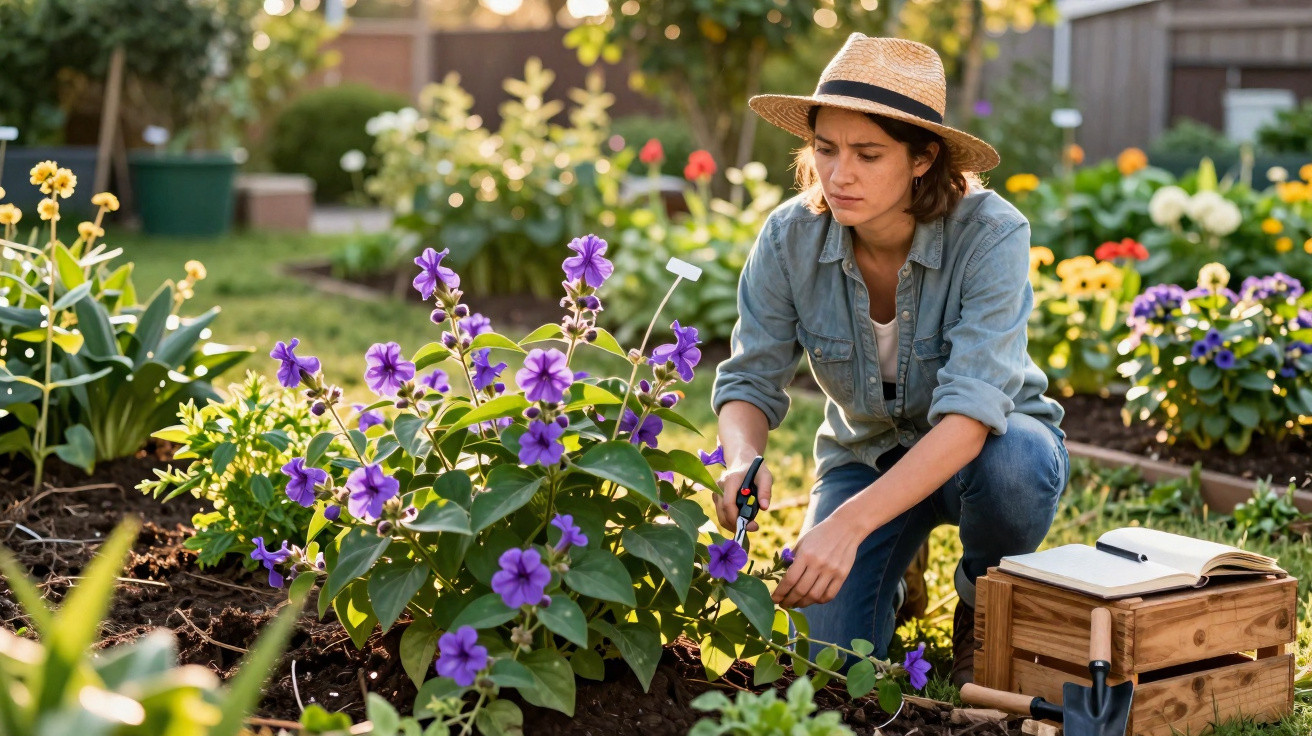
Many people dream of a garden packed with beautiful plants, yet some species that seem harmless at first can become a real challenge as time goes on. Plants that grow too quickly, spread through underground roots, or drop large quantities of seed can take over space meant for other species and make the garden far harder to maintain.
Why can some beautiful plants upset the balance of the garden?
Many plants that later prove troublesome end up in gardens precisely because they look attractive and are easy to grow. The difficulty starts when they outgrow the space you planned for them, competing with other plants for water, light and nutrients.
Certain plants grow aggressively and can spread at speed through seed or underground structures such as rhizomes. If they are not kept in check, they may take over entire beds and require a lot of effort to remove.
How can you spot a plant that may cause problems before you plant it?
Before bringing a new species home, it is worth researching how it grows. A plant that looks ideal in a small pot may behave very differently once it is planted directly into the ground.
Paying attention to growth rate, the eventual size it can reach, and how readily it spreads can prevent unpleasant surprises later on. Specialists advise understanding the species’ needs and growth habits properly before including it in your garden design.
- Grows much faster than other nearby plants
- Spreads seeds across wide areas
- Has roots that push into other beds
- Smothers smaller plants around it
- Needs constant pruning to keep it under control
- Appears in places where it was not planted
Which types of plants usually need closer attention in the garden?
Some species are well known for vigorous growth and for being difficult to control once they find favourable conditions. Climbers, fast-spreading ground cover, and plants with underground root systems can expand quickly and take over whole areas.
That does not mean every fast-growing plant is automatically a bad choice. In certain situations, they can help cover bare ground, reduce erosion, or fill large spaces. The issue is choosing a species without thinking about the size of the area and the level of upkeep it will need.
- Plants that spread via underground rhizomes
- Species that release lots of seeds
- Climbers that cover other plants
- Shrubs that grow far beyond the space available
- Plants that compete intensely for resources
How can you stop one plant from taking over the whole garden?
Good planning is one of the most effective ways to prevent problems. Selecting species that suit the size of your space, keeping an eye on growth, and pruning when needed all help preserve balance in the garden.
It is also important to remove unwanted seedlings while they are still small. The longer an invasive or aggressive plant is left unmanaged, the harder it can be to limit its spread.

Comments
No comments yet. Be the first to comment!
Leave a Comment