
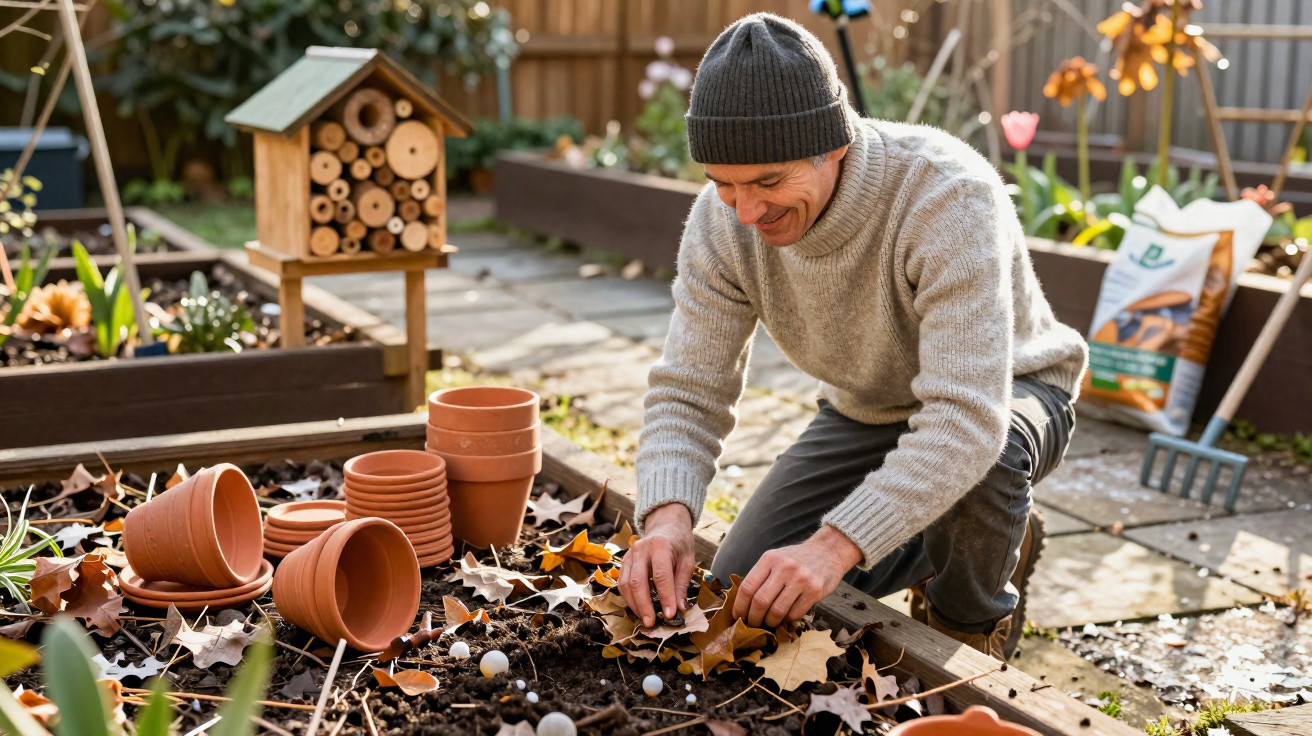
In colder spells, keeping the garden protected calls for careful attention to the small details that are easy to miss day to day. Minor lapses in organisation can create ideal hiding places for unwanted intruders, turning ordinary materials into warm shelters that can jeopardise all your home cultivation.
How does a build-up of leaves and mulch shelter pests?
Thick layers of fallen leaves and organic matter left to gather around the beds create an overly damp microclimate. This sheltered pocket holds onto residual warmth and draws in hungry slugs, while also providing the perfect space for different snails to multiply quietly around the garden.
To stop these molluscs from finding a reliable refuge, gently turning the mulch with a tool helps aerate the ground. Ongoing air movement lowers excess moisture and makes it harder for pest eggs to take hold on vulnerable plants.
How to keep molluscs away from the vegetable patch without chemicals?
Homemade traps using leftover vegetable scraps lure the animals out at night for disposal… Read more
Why do stacked pots and saucers encourage small intruders?
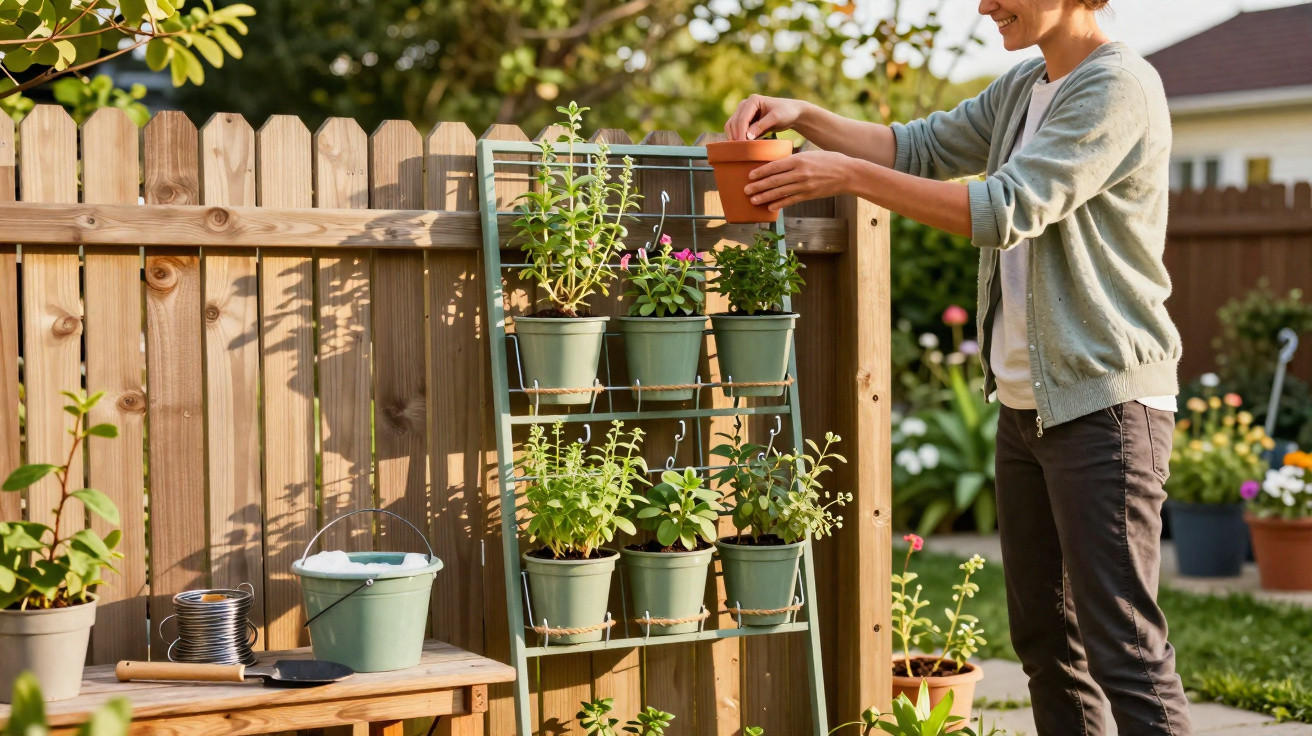
Containers left on the ground and saucers that collect water form constant puddles and shade that support the survival of crawling insects. The undersides of these items stay permanently dark, allowing weevils and other unwanted species to remain protected from harsh frost.
Raising pots on suitable supports and emptying saucers frequently removes these unwanted damp hotspots. Shifting the position of the containers from time to time also disrupts the animals’ hiding place, preventing small intruders from establishing long-lasting colonies on residential ground.
Below is a video from the Spagnhol Plantas channel on YouTube that goes into more depth on cultivation techniques and how to protect different species.
How do wood piles and pallets attract pests?
Timber stored directly on soil and pallets leaned against walls can hold deep moisture for weeks. These structures create insulated galleries that protect insects from natural predators, turning narrow gaps into ideal resting spots for any persistent pest.
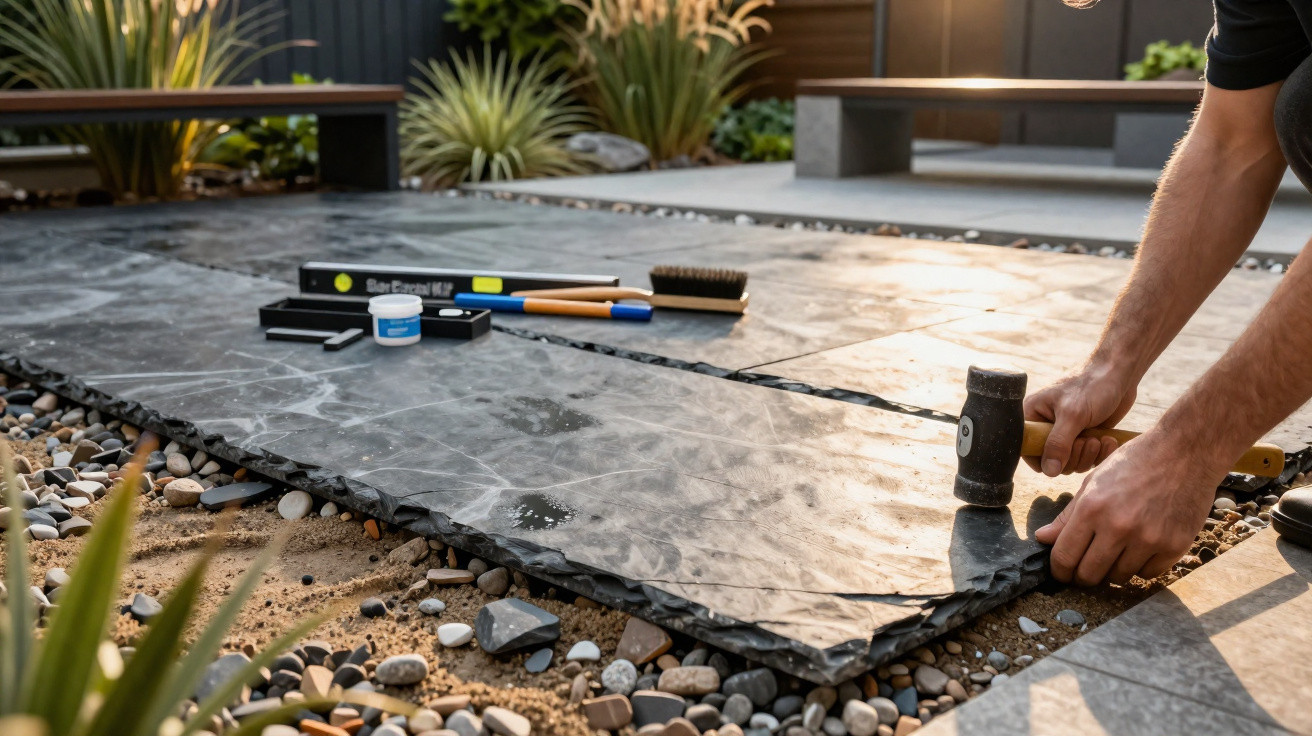
Keeping supplies organised on raised trestles and leaving enough space from walls prevents contact with wet ground. Sealing gaps in stone flooring reduces warm hiding spots, making it harder for harmful populations to settle in your home vegetable patch.
Preventing intruders
Caring for structures
Key measures to avoid infestations in stored wood:
- Raise firewood stocks on supports kept off the ground.
- Seal cracks and joints between stones and floors.
- Move slats and pallets periodically to air out the space.
Which simple measures stop these intruders from settling in?
Putting a preventative routine in place before sudden temperature drops breaks up the ecological niches created by inattention in the garden. Thoroughly clearing the beds removes excess decomposing material, supporting a balanced and healthy environment for every cultivated species.
Adding small mineral barriers-such as coarse sand or fine gravel-along the edges of beds creates rough surfaces that discourage intruders from travelling across them. This physical step keeps the right moisture level in the soil without offering safe shelter to any unwanted mollusc.
Essential practices to strengthen bed protection during the cold period:
- Move materials that are pressed up against walls to improve ventilation.
- Remove water-collecting saucers beneath pots in outdoor areas.
- Aerate the plant cover periodically to help it dry faster.
How does ecological balance keep the garden protected?
Maintaining biological balance in the garden encourages effective natural predators-such as birds and beneficial insects-to stay nearby. Creating small refuges away from growing areas attracts valuable allies, ensuring natural, spontaneous control against the rise of any seasonal infestation.
Thoughtful management turns everyday care into an invisible barrier against harmful organisms. By watching key points where moisture and shelter build up, plants come through the cold season with renewed strength, supporting vigorous growth and avoiding future damage.
Comments
No comments yet. Be the first to comment!
Leave a Comment