
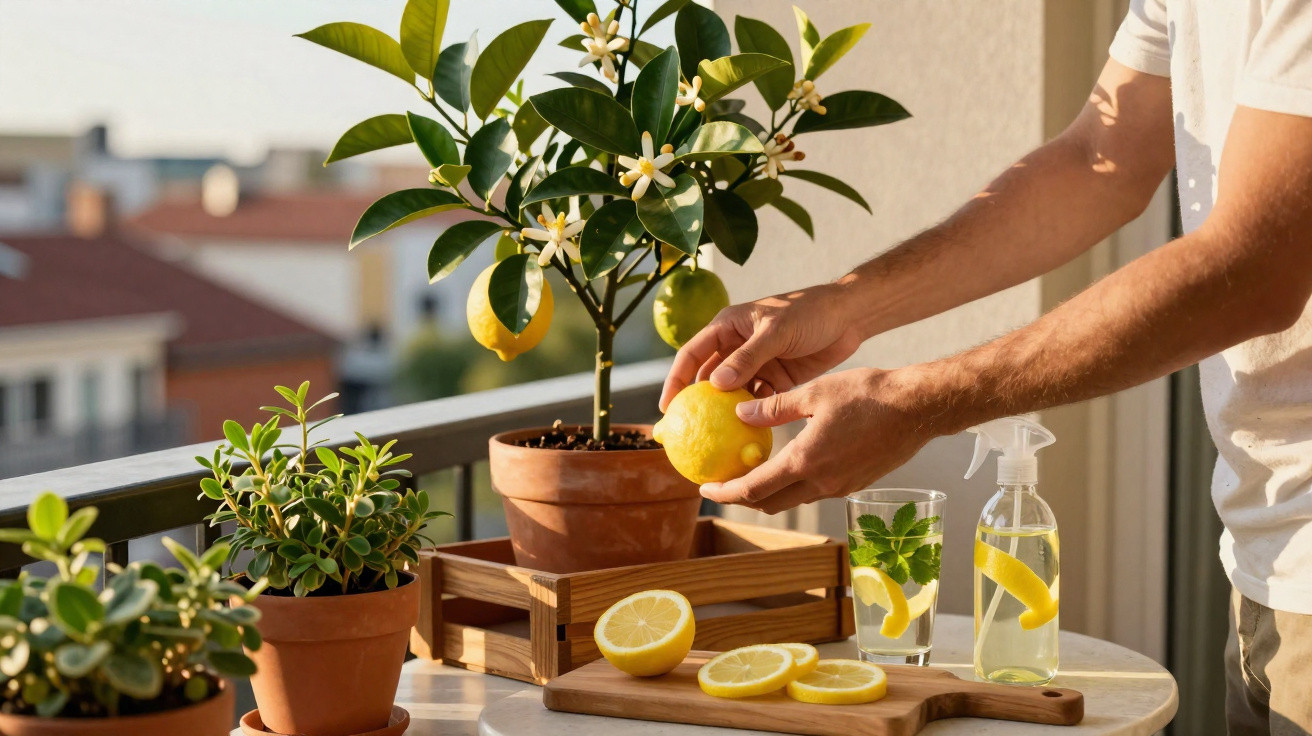
Keeping a lemon tree at home is no longer something only keen cooks do. More and more families are making the lemon tree part of everyday life-whether in spacious gardens or in small pots in flats-bringing cultivation into meals, wellbeing, cleaning and even how the home is organised.
Why does growing lemons at home change your routine?
In the urban reality of 2026-where many homes are compact and concern about health and indoor air quality is rising-growing lemons at home stands out as a straightforward, affordable option. With simple care, a lemon tree can fit into balconies, utility areas and small gardens, providing fresh fruit and a welcome touch of greenery day to day.
The most immediate difference is in the kitchen: with the plant within arm’s reach, you have lemons and leaves that are always fresh for salads, marinades, drinks and desserts. Home growing also means more control over pesticide use and works like a "living larder", where the fruit stays on the tree until you actually need it-helping to cut down on waste.
Watch a video on Lailson Vieira’s YouTube channel showing the main benefits of having a lemon tree at home:
What are the environmental and health benefits of a lemon tree?
Growing lemons at home supports oxygen renewal and can help soften strong smells in kitchens and laundry areas, thanks to essential oils in the leaves. In smaller spaces, this helps alongside regular ventilation and can make the home feel fresher-particularly near windows and balconies.
Nutritionally, lemons provide vitamin C and antioxidants, making it easier to include infused water, juices and citrus seasoning in your routine. Many people add lemon water on an empty stomach or throughout the day to support hydration and digestion, while the citrus scent is linked to feelings of relaxation and mental clarity in aromatherapy settings.
How do you start growing lemons in pots in small spaces?
Despite what many assume, growing lemons at home does not require a large garden. The plant does well in containers, as long as it gets direct sunlight for a few hours each day and is planted in well-draining soil. Even a small balcony can hold a lemon tree in a pot if you choose a deep container with drainage holes.
If you want to start from scratch with more confidence, a few basic steps can make it easier for the young plant to establish and reduce setbacks in home growing:
- Pick a healthy young plant from a reputable garden centre or nursery;
- Use a sturdy, deep pot with good drainage at the base;
- Make a light potting mix using soil, organic matter and a drainage material;
- Place it where it will get direct sun for part of the day and shelter it from strong winds;
- Water regularly without waterlogging, and watch for signs of pests on the leaves.
What household uses does lemon offer beyond cooking?
Lemon is useful for more than recipes and can help with everyday cleaning, thanks to its natural acidity and citrus fragrance. The juice can be added to simple mixtures to clean greasy surfaces, remove odours from fridges, help lift light stains from fabrics and complement cleaning blends made with bicarbonate of soda and vinegar-reducing reliance on shop-bought products.
In some traditions, having a lemon tree at home symbolises prosperity and renewal, so it is placed in a prominent spot or near the entrance. Even without that meaning, many families value the plant’s look: green leaves for much of the year, discreet white blossoms and bright yellow fruit that stands out-bringing nature, practicality and a small touch of useful curiosity into a single pot.
Comments
No comments yet. Be the first to comment!
Leave a Comment