
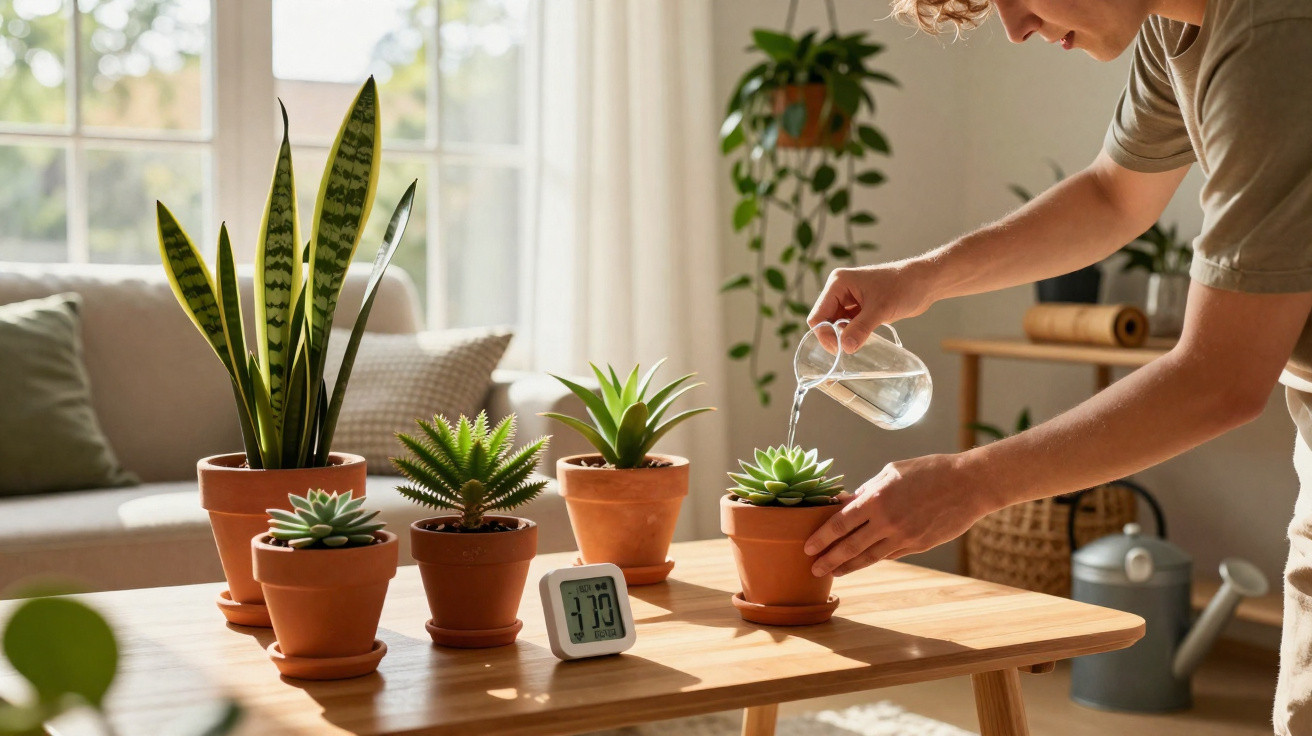
Plants that cope well with a lack of water are becoming increasingly popular in houses and flats, especially for people with demanding schedules. Because they tolerate longer gaps between watering, they can help improve indoor air quality and add a welcome splash of green to your décor-so long as you choose the right species and place them appropriately indoors.
Why are plants that need little water so popular?
Keeping plants at home without sticking to a strict care timetable is a common need in busy cities. In households where there’s limited time for gardening, drought-tolerant species help prevent losing potted plants and cut down on wasted water, while also dealing more easily with changes in temperature.
By opting for plants that can survive with little water, you gain convenience and a more predictable day-to-day routine. Succulents, indoor cacti and foliage plants that tolerate dry compost make it easier to space out watering, simplify upkeep, and still look great in decorative pots, on shelves or in hanging planters.
Which low-water indoor plants are the most resilient?
Among plants that require minimal watering, three groups stand out for combining durability, visual appeal and benefits for the air indoors. Mother-in-law’s tongue (snake plant) handles dry compost well, copes with indirect light, and is one of the toughest foliage plants to keep inside.
The ZZ plant (zamioculcas) is sturdy, slow-growing and can go for many days without water, even in areas with low light. Decorative succulents, meanwhile, store water in their leaves, suit small pots, and make it easy to create attractive arrangements on tables and in display niches.
- Mother-in-law’s tongue (snake plant): copes with partial shade, air conditioning, and only needs watering when the compost has dried out.
- ZZ plant (zamioculcas): prefers filtered light, works well in corridors and living rooms, and needs very little water-especially in winter.
- Succulents: thrive in bright light, sandy compost and effective drainage; watering should be infrequent and moderate.
How do you care for plants that need little water day to day?
Even though they’re hardy, these plants still need a few basics to stay healthy. The most common mistake is watering too much, which can rot roots and leave leaves soft-often more damaging than a short spell of dryness.
That’s why it helps to check the compost before watering, using your fingertips to feel whether it’s nearly dry. A few straightforward steps make it easier to set up the right pot and adjust maintenance to the weather and the pace of your household.
- Pick pots with drainage holes and, if possible, saucers that allow excess water to run off.
- Use a light potting mix, combining compost, sand and organic matter to avoid compaction.
- Place pots in well-ventilated spots, away from very strong draughts or excessive heat.
- Extend the time between waterings on cold, rainy days and watch for yellowing or soft leaves.
- Turn the pot from time to time so the whole plant receives light more evenly.
Where should you place plants to combine décor with better air quality?
Placement directly affects both plant health and how they look in a room. In living rooms and offices, mother-in-law’s tongue (snake plant) works well in unobtrusive corners near windows, while the ZZ plant (zamioculcas) suits larger pots set on the floor, on sideboards or on TV units.
Succulents can be dotted around coffee tables, bookcases and worktops, avoiding direct sun during the hottest hours. In bedrooms and home offices, these species help create a fresher feel, bringing visual comfort and more pleasant air without demanding much daily attention.
Comments
No comments yet. Be the first to comment!
Leave a Comment