
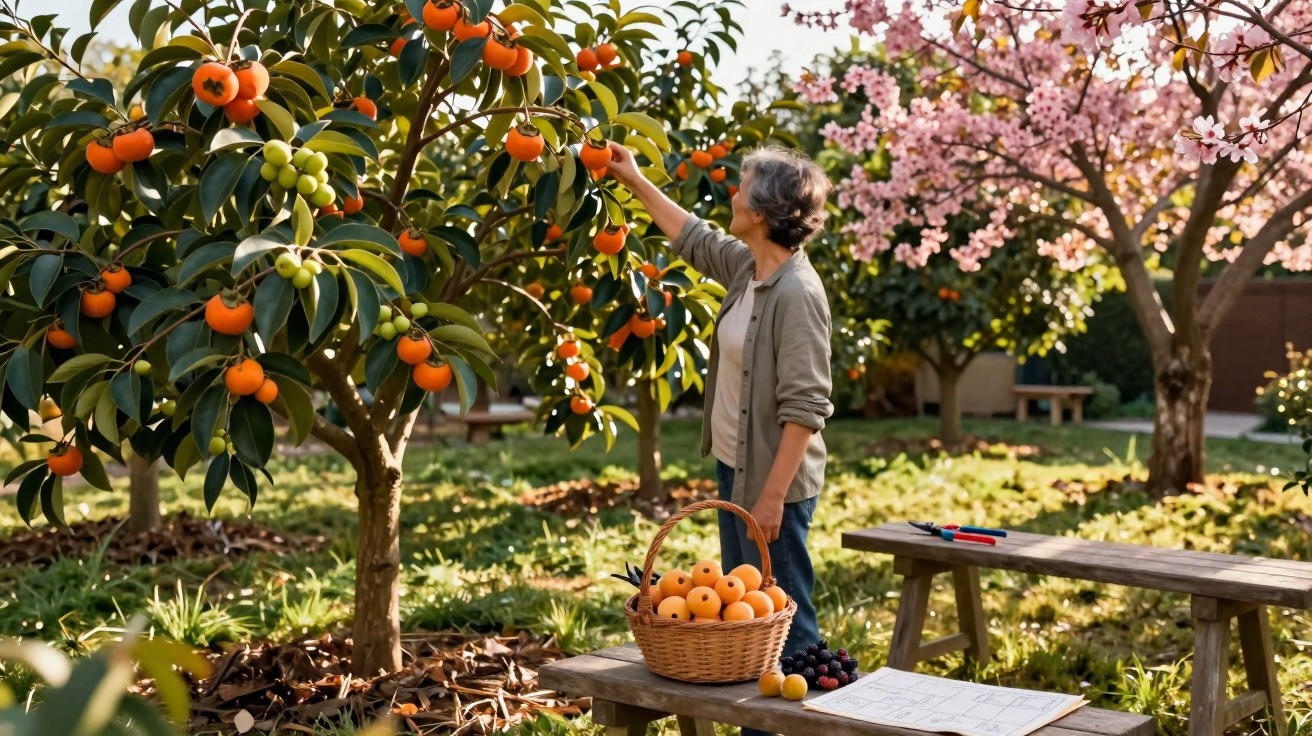
Having a productive orchard without losing precious hours to constant upkeep is the aim for many city dwellers. By growing the right oriental species, you can pick delicious fruit for more than thirty years with absolutely basic care and a simplified routine.
How do you plan a low-maintenance orchard?
Creating a practical green space starts with choosing saplings that match your local climate. Well-chosen trees add striking ornamental beauty and deliver generous harvests for decades, without the need for complicated fertilising or frequent, heavy pruning.
A sunny back garden or a spacious balcony can accommodate structured species that only need regular watering in the first few months. That convenience turns home gardening into a relaxing, highly rewarding pastime for people with busy schedules.
Key benefits of investing in hardy plants with straightforward management include:
- High longevity: Ongoing production that can exceed three decades in the same spot.
- Climate resilience: Excellent tolerance of sunny positions and temperature swings.
- Controlled size: Ideal development for compact gardens and terraces.
- Low maintenance: Very little need for pruning or periodic feeding.
- Guaranteed return: Abundant annual crops without exhausting physical effort.
Which fruit trees make home growing easier?
Opting for robust plants helps an orchard thrive even through the odd forgotten week or a longer dry spell. The trick is to choose resilient trees that require minimal intervention from one season to the next.
This simplified approach suits anyone who wants to enjoy food picked straight from the tree without sacrificing every weekend of downtime. Large pots and well-draining beds provide the right conditions for these carefully selected fruiting species to grow to their full potential.
Below, there is a YouTube video from the Spagnhol Plantas channel that explores the points discussed in this topic in more depth.
How do the loquat tree and persimmon tree stand out?
The persimmon tree is an excellent option thanks to its strong climate tolerance and its generous yearly crop of sweet fruit. In the same way, the sturdy loquat tree grows vigorously in ordinary soils and, once fully established, needs very little watering.
Oriental cultivation
Robust varieties
These traditional Japanese species adapt very well to the climate found in a Brazilian-style home orchard.
Their longevity means decades of quality fruit without requiring advanced gardening techniques.
Both fruit trees add major aesthetic value to a home garden, combining lush foliage with delicious produce. As a long-term investment, they bring real satisfaction for anyone who wants plentiful harvests without ongoing physical work.
Specific traits that make these plants especially appealing include:
- High adaptability to the country’s subtropical climate.
- Heavy production of very tasty edible fruit.
- Deep roots that help anchor the plant in the ground.
Why choose the ume tree and the cherry tree?
The captivating ume tree stands out for its distinctive fruit, widely valued in traditional oriental cooking. Meanwhile, the classic Japanese cherry tree delights households by delivering an unrivalled visual display during its beautiful, eagerly awaited annual blossom.
These two options are perfect for enhancing sunny gardens, creating a genuine refuge of calm within the property. They keep excellent structural health with minimal feeding, turning the outdoor space into something charming and refined.
Reasons to grow these Asian varieties at home include:
- Spectacular flowering that beautifies the whole property.
- Strong resistance to common garden pests.
- Low water use once they are well rooted.
What are the advantages of the Japanese mulberry in the garden?
The Japanese mulberry is widely appreciated for its abundant yield of small, tasty fruits that attract many wild birds. This tree is extremely easy to train and adapts perfectly to small gardens or large, sunny balconies.
Growing this specimen provides a wonderful periodic harvest without demanding exhausting care throughout the weekends. It develops a neat, elegant canopy, making a low-maintenance gardening routine genuinely achievable.
Read also: Fruit trees for lazy gardeners


Comments
No comments yet. Be the first to comment!
Leave a Comment