
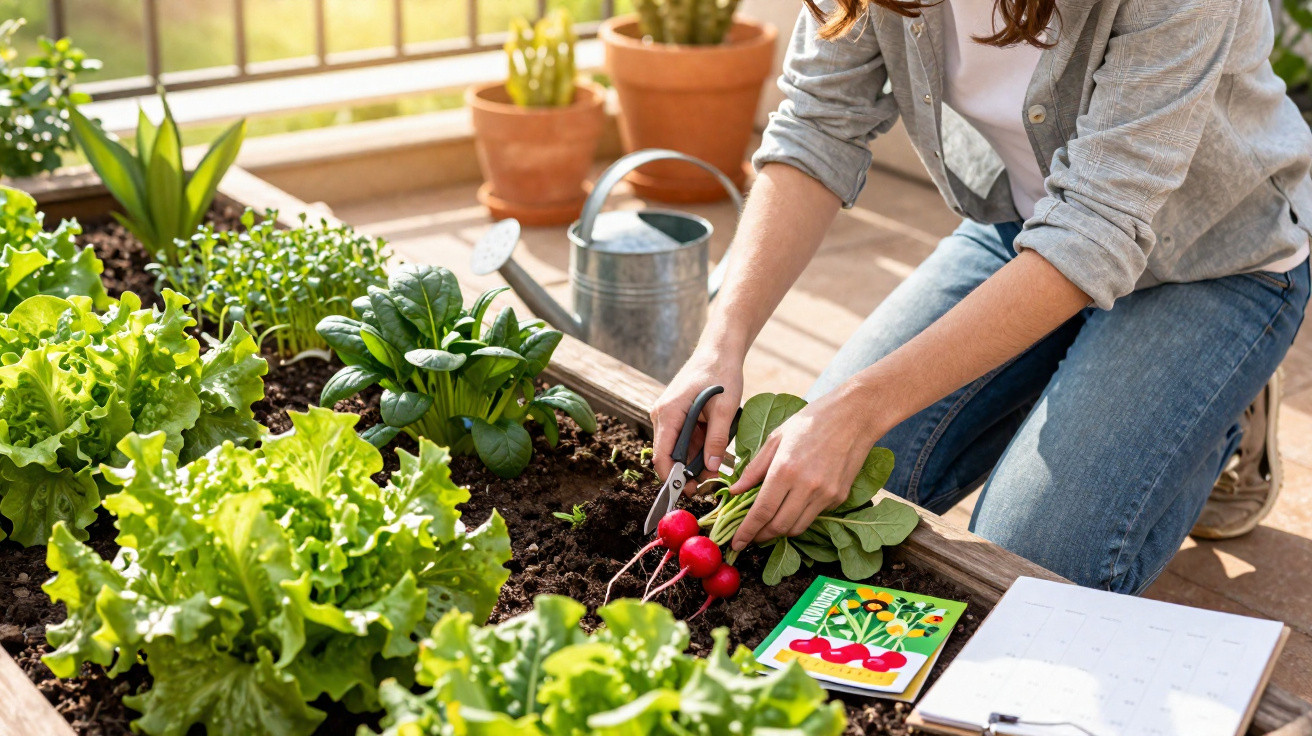
Sown in mid-April and on the plate just a few weeks later: some vegetables move at a breathtaking pace right now.
When people think about growing vegetables, they often picture a long wait. But that isn’t true for every crop. With April conditions, certain varieties get going so quickly that there’s barely a month between sowing and the first harvest. These “turbo beds” are exactly what makes a spring garden so satisfying-whether you’re using a raised bed, a balcony planter, or open ground.
Why mid-April is a secret power window
Around the middle of the month, spring usually tips decisively in your favour: daylight lasts much longer, the soil starts to warm, and the harshest night frosts are generally over. For many fast-growing vegetables, that’s the green light they’ve been waiting for.
Warmer soil plus more light means: seeds germinate faster, young plants get moving straight away and don’t waste time in cold and darkness.
April rain spells keep the top layer of soil evenly moist, while the sun already has real strength. This mix of light, warmth and moisture can dramatically shorten germination time. Choose the right compost mix and suitable varieties, and you can be picking produce at record speed.
Which vegetables are ready in under a month
Not every vegetable suits this lightning-fast approach. Tomatoes, peppers and squash demand patience. Other crops, though, are practically designed for express growing.
Radishes – the classic rapid harvest
With particularly quick varieties, radishes can be on your plate in just under three weeks, depending on the cultivar and temperatures.
- Sowing depth: about 1 cm
- In-row spacing: 2–3 cm per seed
- Row spacing: 12–15 cm
- Minimum container depth: 15 cm
- Harvest time: about 18–30 days
Once the roots reach roughly 1.5 to 2 cm in diameter, they’re at their crispest. Leave them too long and you risk woody, overly hot radishes.
Cut-and-come-again salads and loose-leaf lettuces – an always-green buffet
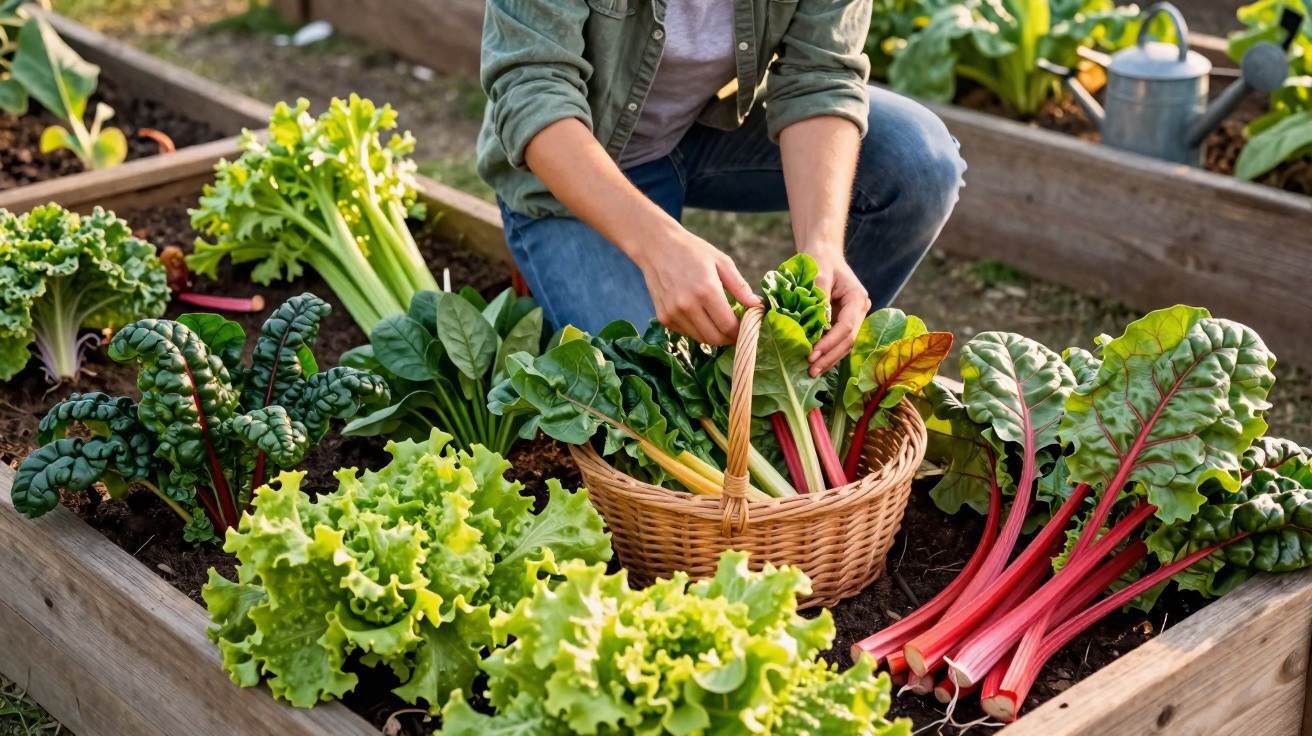
Salads you harvest by cutting-such as loose-leaf lettuce, rocket and mixed leaf blends-are ideal when you want fresh leaves quickly.
For a dense carpet of leaves, spread around 5 grams of seed per square metre. The plants then fill in like a green mat. As soon as the leaves are about a hand’s width tall, you can start harvesting: snip them off at a height of 3–4 cm, leaving the plant’s centre intact.
The big advantage: the plants reshoot from the base-one sowing date turns into several harvests.
The first tender leaves are usually ready after 20 to 30 days. If you resow every 10 to 15 days, you can keep salads coming continuously well into summer.
Young spinach leaves – tender like deli greens
Spinach doesn’t need to reach full size to be useful. In fact, the baby leaves are especially soft.
- Sowing depth: 1–2 cm
- Spacing between plants: 5–8 cm
- Harvest as baby leaf: after about 20–30 days
These young leaves work well raw in salads or lightly steamed as a side. If you leave a few plants in place, you can also pick larger leaves later on.
Garden cress – the peppery speed champion
Garden cress takes up very little space and is almost unbeatable for speed. Sow the seed close together on a finely crumbed surface; a shallow tray with just a few centimetres of soil is often enough.
After 10 to 20 days, the seedlings are tall enough to cut. The leaves add a punchy, peppery heat to sandwiches, soups and salads-perfect when you want something fast and you have very limited growing space.
The right compost mix: a nutrient boost for express beds
To keep up the pace, plants need a loose, nutrient-rich growing medium. A simple blend is usually all that’s required.
| Component | Amount | Purpose |
|---|---|---|
| Garden soil / potting compost | 2 parts | Provides structure and basic nourishment |
| Well-rotted compost | 1 part | Adds nutrients and energises soil life |
For a pot with a 20 cm diameter, you’ll need around 6 to 8 litres of this mix. Keep the top layer crumbly: compacted soil slows seedlings because they lack air and light. A quick loosen with your hand before sowing gives seeds a head start.
Watering like a pro: moist, not soaking wet
Watering can make or break the result. Waterlogging rots seeds; drought brings growth to a halt.
The ideal approach is a gentle spray that wets the soil without washing it away.
It’s worth checking beds in the morning or evening. A simple test works well: push a finger about 2 cm into the soil. If it feels dry, water. If it’s still pleasantly damp, hold off.
Big swings between wet and dry cause many crops to bolt early (rush into flowering). Radishes can turn hot and fibrous, and lettuces can become bitter.
The perfect harvest moment and smart sowing plans
With these quick crops, the gap between “just right” and “too late” can be as little as a week. Daily checks pay off, particularly in warm spells.
Rather than sowing a whole area at once, working in small batches keeps harvests coming for longer. One possible plan for a square metre of cut-and-come-again salad could look like this:
- 1 April: first sowing (5 g)
- 15 April: second sowing (5 g)
- 30 April: third sowing (5 g)
This staggers the patches over time: one section is giving you a second cut while the next is just filling in.
Common mistakes that slow everything down
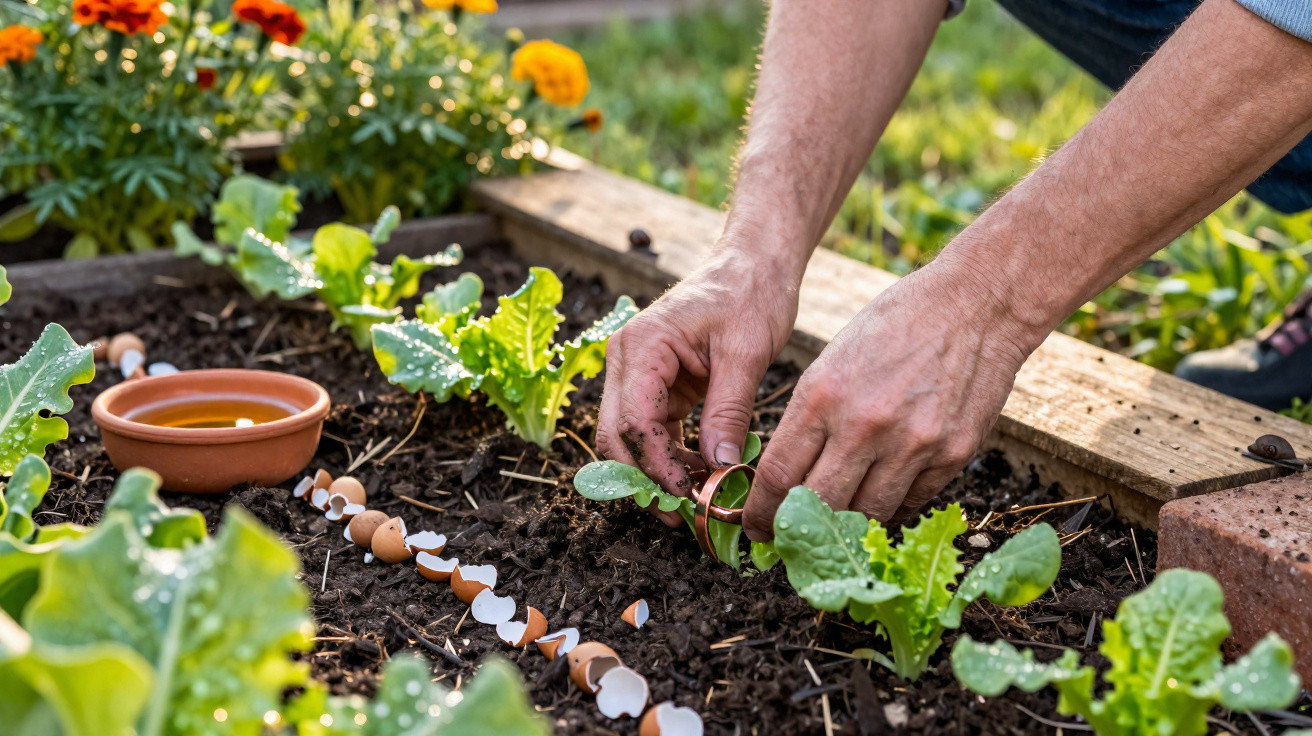
Slugs and friends: hungry springtime diners
Fresh seedlings are irresistible to slugs. If you’ve ever arrived in the morning to find only chewed stubs, you’ll know the feeling.
- Wrap copper tape around raised beds or pots
- Lay boards or tiles down and collect slugs from underneath
- Search deliberately in the evening when the garden is damp
Simple steps like these can save delicate rows of radishes and salad.
Cold nights: protection against late frosts
In April, nights hovering just above freezing are not unusual. A light fleece over the bed takes the edge off this cold shock. It holds onto a little of the day’s warmth in the soil and protects leaves from frost damage.
Sowing too densely
If you cram too many seeds into too little space, you create competition. Plants stay weak, fail to form proper roots, or produce only tiny leaves.
Taking a moment to thin seedlings ensures each plant has 2 to 3 cm of space-and can actually develop.
How to use the same approach on balconies and in tiny gardens
This express method isn’t limited to large plots. Balcony boxes, buckets and raised beds-anything that holds soil-can work. What matters is depth: allow at least 15 cm for radishes, while salads and cress often manage with less.
If you only have two or three planters, you can run them “in rotation”: one box gets freshly sown, another is being harvested, and the third is regrowing after cutting. That way, a mini farm can keep producing in just a few square metres.
Useful terms for beginners and extra tips
Many guides mention “baby leaves” or “loose-leaf lettuce”. This simply means leaves harvested well before full maturity. They’re smaller, but milder and more tender-and often go straight into the bowl raw.
It’s also worth mixing crops in the same bed: between slower growers such as carrots or leeks, you can sow rows of radishes. By the time the main crop needs the space, the fast growers have already been pulled, so you effectively use the area twice.
Flavour is another bonus: radishes, salads and spinach grown in cool spring air often develop a finer taste than they do in summer heat. If you’re curious, grow the same variety again later in the year and compare the difference on the plate.
With a bit of planning, the right seed choices, and a watchful eye on soil moisture and slugs, April can become the stage for a small gardening marvel-from seed to crisp harvest in under a month.
Comments
No comments yet. Be the first to comment!
Leave a Comment