
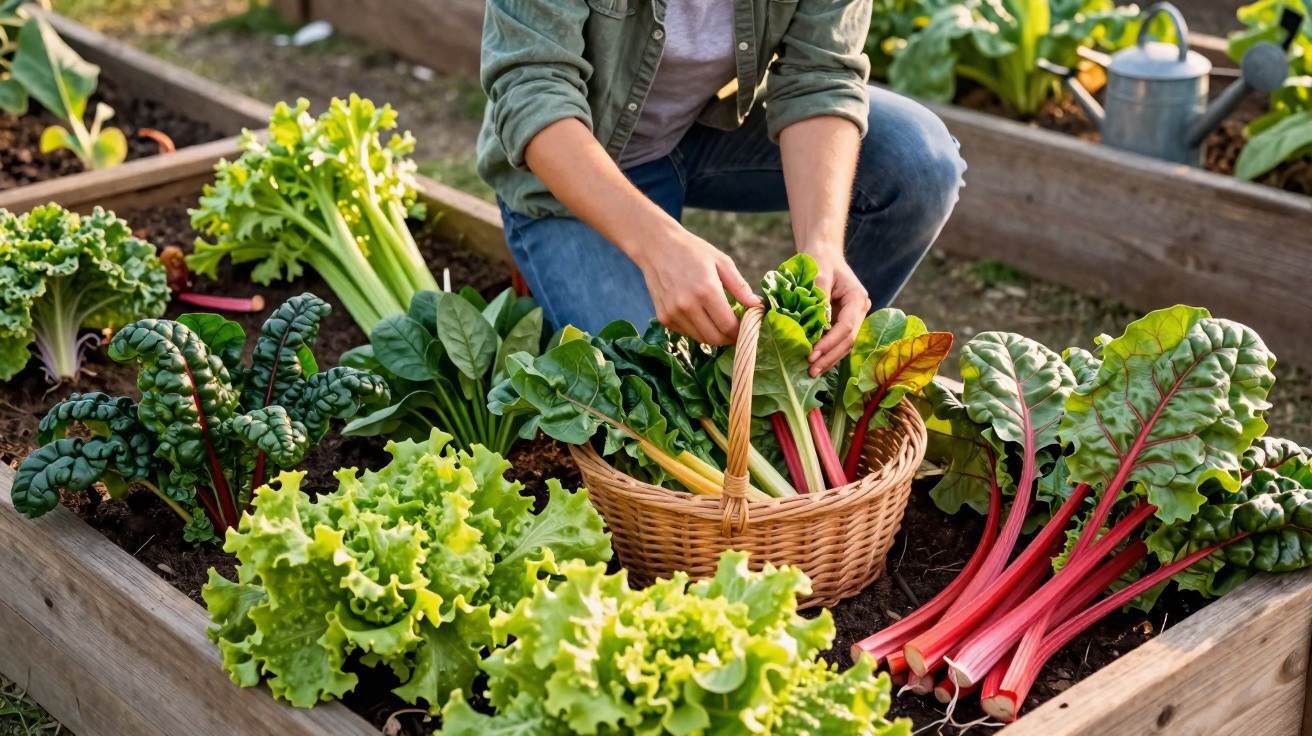
If you plan cleverly in spring, you can pick fresh leaves for months - without huge beds, without expert knowledge, and with plenty of flavour.
Leafy vegetables are among the most underrated stars of the kitchen garden. They grow quickly, keep cropping over a long period, and add colour and vitamins to everyday meals. Rather than waiting for a couple of big harvests, a well-thought-out mix of leafy vegetables can keep the kitchen supplied week after week - from the first spring salad right through to the last cabbage in winter.
Why leafy vegetables make so much sense in the garden
With leafy vegetables, you don’t harvest everything at once. Instead, you cut leaves, stalks or ribs little by little and allow the plant to continue growing. That creates a steady supply without having to sow again every time.
"Leafy vegetables provide plenty of vitamins, fibre and minerals for very few calories - and you can harvest them fresh almost every day."
This is especially useful if you want your diet to be lighter, fresher and richer in vitamins. Most varieties deliver plenty of:
- Fibre to support healthy digestion
- Vitamins A, C and K for immunity and cell protection
- Folate and other B vitamins
- Calcium, magnesium and iron
There are practical advantages too: leafy vegetables thrive in small spaces - in a raised bed, a window box, or even a large pot. In the kitchen, they work in salads, stir-fries, soups, bakes, quiches or smoothies. It’s rarely boring.
1. Salads - the easy classic for any corner of the bed
Leaf salads are the simplest place to start. Lettuce, Batavia, endive, rocket, lamb’s lettuce (corn salad) or sugarloaf chicory - there’s plenty of choice, and most are straightforward to grow. Many types prefer the cooler conditions of spring and autumn, while heat-tolerant varieties can carry you through summer.
The key is getting the rhythm right:
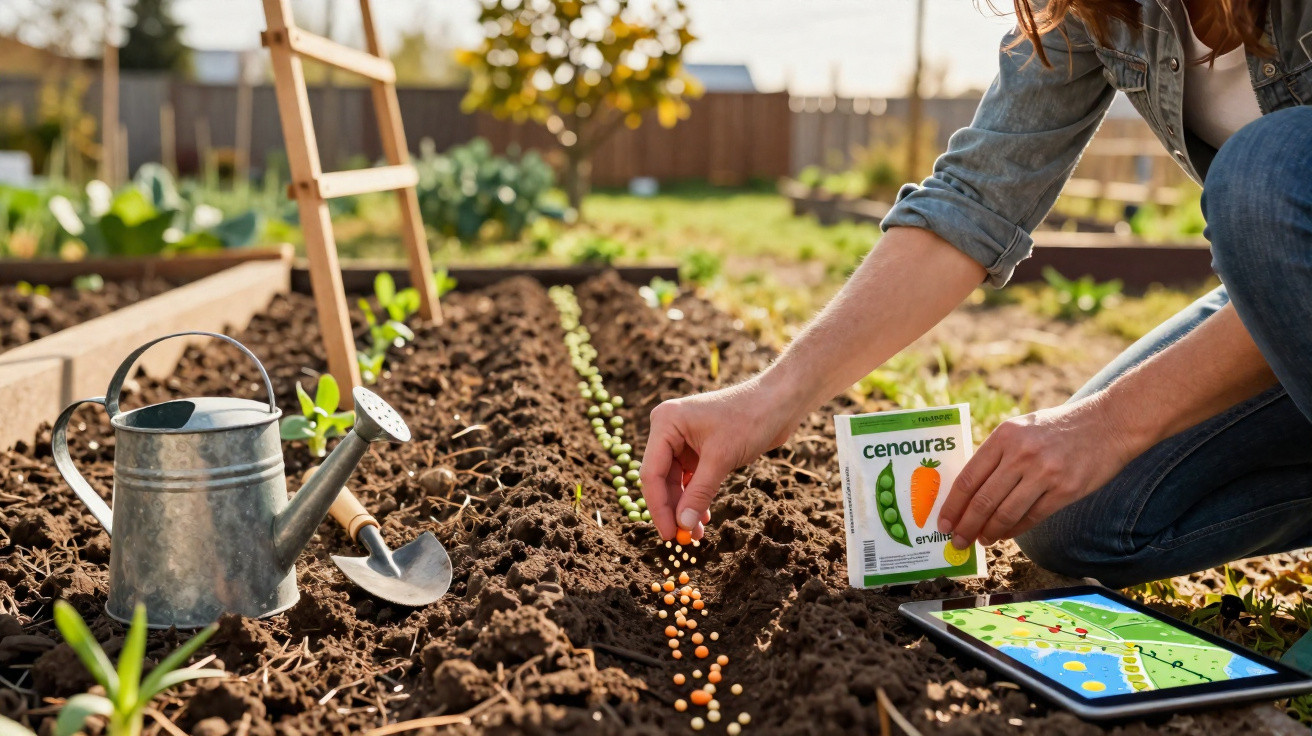
- Sow a short row or a seed tape every 2–3 weeks
- Avoid sowing too densely, so the heads have space to form
- Water regularly in dry spells so the plants don’t bolt
If you don’t have room for full heads, go for cut-and-come-again and pick-and-pluck salads. You don’t take the whole plant - you remove the outer leaves only. The centre keeps growing and provides fresh greens for weeks.
2. Swiss chard - a tough, reliable leaf producer with tender stems
Swiss chard (also known as leaf beet) can feel a bit old-fashioned to some gardeners, but it’s extremely useful. It grows from spring through to autumn, copes with light frost, and keeps producing new leaves as long as you harvest regularly.
In the garden, Swiss chard scores points for:
- High yields in a small area
- Low maintenance, provided the soil is loose and nutrient-rich
- A wide range of colours: varieties with white, yellow or red stems
In a frying pan, Swiss chard is reminiscent of spinach, but the stems are firmer and stay slightly crisp. For a quick meal, a little oil, onion, garlic and a squeeze of lemon (or a splash of cream) is enough. If you’re trying to win children over, chop the colourful stems finely and stir them into pasta dishes or gratins.
3. Spinach - more demanding, but incredibly worthwhile
Spinach is more sensitive than lettuce or Swiss chard, but it’s worth the effort. It prefers humus-rich soil that’s consistently slightly moist. If it lacks water or nutrients, it can bolt quickly and the leaves turn coarse.
A few basic rules make things much easier:
- Choose varieties suited to spring and autumn; for summer, use heat-resistant types only
- Prepare the soil before sowing with compost and a little organic fertiliser
- Water little and often, rather than giving the occasional “downpour from the watering can”
Harvest from the outside in. If you leave the heart intact, the plant keeps producing. Fresh spinach isn’t only good in the classic way with a fried egg - used raw in small amounts in salads or smoothies, it adds an extra vitamin boost.
4. Celery - bold flavour for cooking and raw dishes
Celery isn’t a typical beginner’s crop, but once you’ve grown it in a bed, you’ll often want it again. The plants like rich, evenly moist soil and don’t respond well to drought stress.
The stalks are excellent in:
- Soups and stews as a flavourful base
- Salads, finely sliced
- Crudités with a dip
If you want particularly tender stalks, mound a little soil up around the plants as they grow, or wrap the lower stalks temporarily with an opaque material. This keeps them paler and milder. Combined with apple, walnuts and a light yoghurt dressing, celery makes a fresh, crunchy salad.
5. Leaf cabbage - a vitamin source even in winter
Leaf cabbage includes different types such as kale, cavolo nero (Tuscan kale), and certain varieties of savoy cabbage and Chinese cabbage. Many are true cold-weather specialists. Some varieties even taste milder after frost.
"Leaf cabbage fills the vitamin gap in late autumn and winter, when the rest of the garden is already taking a break."
For strong plants, you’ll need:
- Deeply loosened, well-fed soil
- Even, reliable watering
- Protection from cabbage white butterflies, for example with vegetable netting
In the kitchen, leaf cabbage is far more versatile than its reputation suggests. Whether as crispy oven-baked “cabbage chips”, a vegetable side, in stews, or as a filling for strudels and quiches - a bit of confident seasoning makes leaf cabbage anything but dull.
6. Sorrel - small leaves, big impact
Sorrel doesn’t stand out much in a bed, yet in a pot it adds a surprisingly distinctive flavour. Its fresh, tangy note pairs beautifully with eggs, potatoes and fish.
Plants do best in partial shade and slightly moist soil. Because sorrel is perennial, a single plant is often enough for several years. Harvest only part of the leaves at a time so the plant keeps its strength.
A few leaves in:
- Omelettes and scrambled eggs
- Sauces for fish or potatoes
- Creamy soups based on potatoes or leeks
are enough to noticeably change a dish. Too much sorrel can quickly become overpowering, so start with a small amount and adjust to taste.
7. Rhubarb - a special case with valuable stems
Botanically, rhubarb is often mentioned alongside leafy vegetables, although in the kitchen its stems are more commonly treated like fruit. Only the fleshy stalks are eaten; the leaves are inedible and should go on the compost.
Rhubarb prefers deep, nutrient-rich soil and will happily stay in the same spot for many years. In the first two years, harvest sparingly so the plant can establish properly. After that, a few crowns can produce impressive amounts.
Rhubarb brings a clean, sharp acidity. For compote, cakes or crumble, it needs sugar or sweeter partners such as strawberries. If you prefer savoury flavours, try small rhubarb cubes in chutneys as a side for cheese or grilled food.
The best start: how to get your first leafy vegetable beds right
Timing is where many people go wrong. Plenty of home gardeners sow too early, while nights are still cold. Plants then stall or fail, and valuable weeks are lost. It’s better to watch soil temperature and the weather trend - and, if necessary, wait a further two weeks.
A simple baseline formula for successful beds looks like this:
- Loosen the soil and remove weed roots
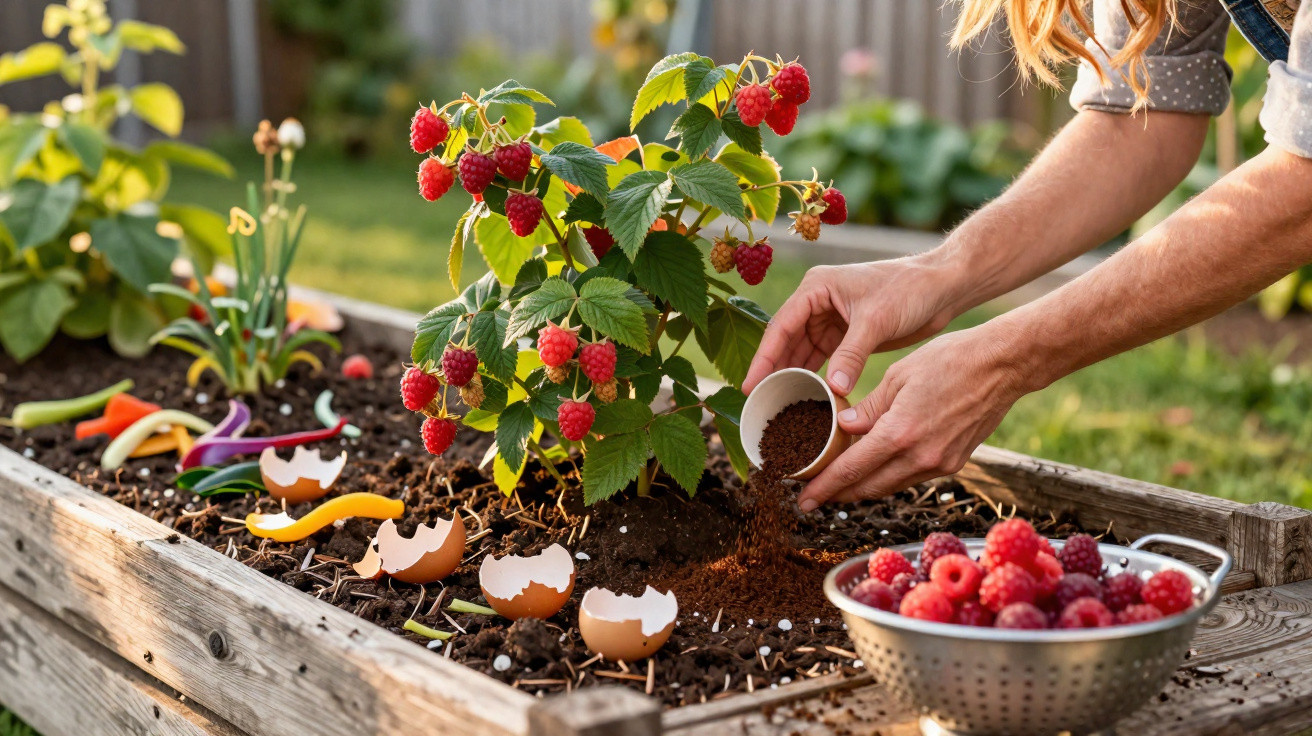
- Work in well-rotted compost; avoid overdoing it with fresh fertiliser
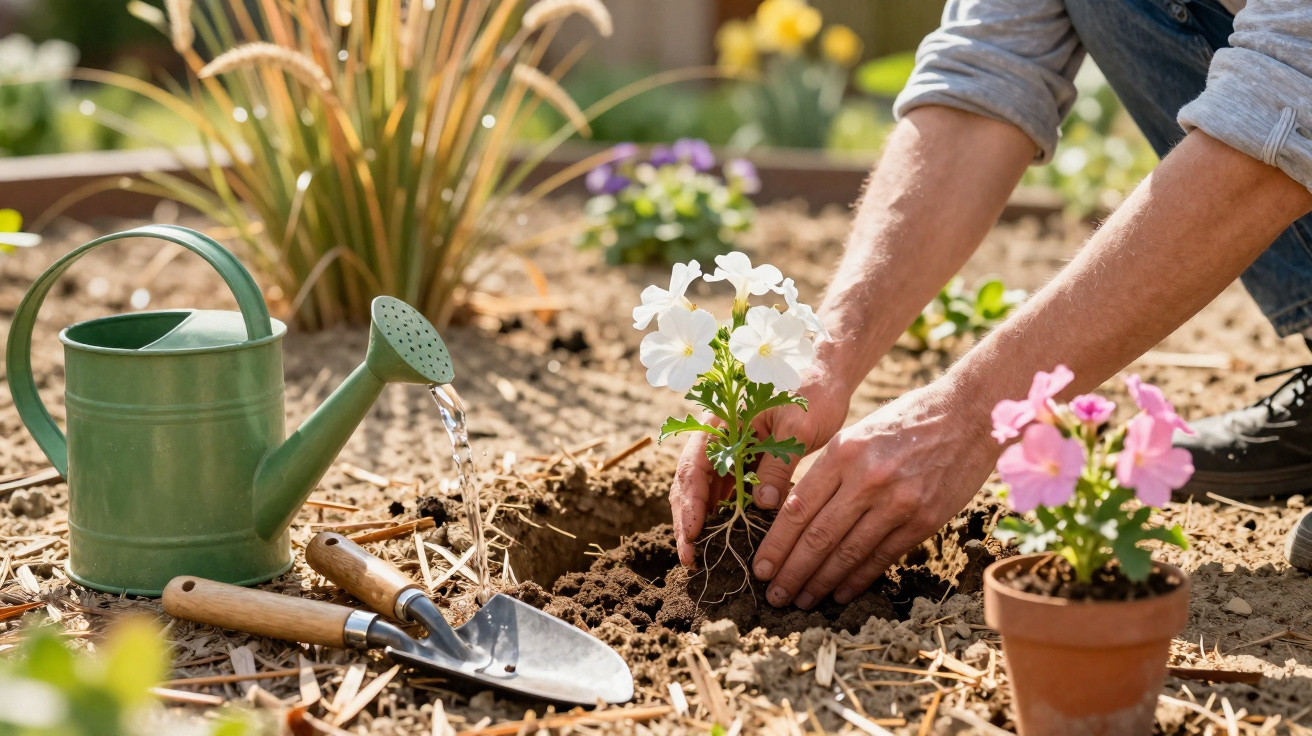
- Create a fine, crumbly surface, then sow or plant out
- Once seedlings are up, keep the rows free of weeds
- Water in the morning where possible, so leaves can dry during the day
Simple aids such as horticultural fleece or small tunnel covers protect young plants from wind, cold and pests. Spinach, lettuce and cabbages in particular repay that early protection with stronger growth.
More variety in the bed, more interest on the plate
Combining different leafy vegetables gives you more than just visual variety - it also brings different nutrient profiles. Dark green types such as spinach or leaf cabbage often provide higher levels of certain vitamins and beneficial plant compounds than paler leaves. Peppery or bitter notes from rocket, endive or sorrel can stimulate digestion and add depth to meals.
It becomes especially appealing when you mix things in everyday cooking: a salad of lettuce, a few Swiss chard leaves, thin slices of celery and a hint of sorrel comes together quickly and tastes completely different from the standard “green bowl”. Leftovers are easy to use too - spare leaves can go into the frying pan, a vegetable lasagne, or a soup.
Health, flavour and saving money all in one
Leafy vegetables from your own garden do more than replace the quick grab of a plastic bag from the supermarket. They cut packaging waste, reduce costs, and give you control over where your food comes from and how it’s grown. If you fertilise sparingly, avoid chemical sprays and harvest regularly, you can feed yourself for a long time - and relatively cheaply.
At the same time, many home gardeners become more aware of seasonality and local growing cycles. When you see spinach struggle in high summer but thrive in autumn, the logic behind seasonal veg calendars suddenly becomes very real. Over time, that builds a kitchen garden that not only looks good, but reliably supplies fresh vitamins.

Comments
No comments yet. Be the first to comment!
Leave a Comment